






Coin drop machine vs skill crane: which earns more revenue?
Social Media:
- 1. What are the key factors influencing the profitability of coin drop game machines?
- 2. How does the revenue of coin drop game machines compare to skill crane machines?
- 3. What are the initial investment costs for coin drop game machines?
- 4. How can I enhance the profitability of my coin drop game machines?
- 5. What are the operating costs associated with coin drop game machines?
- 6. What are the latest trends in the coin-operated arcade game machine market?
1. What are the key factors influencing the profitability of coin drop game machines?
The profitability of coin drop game machines is influenced by several factors:
Location: High-traffic areas such as malls, cinemas, or arcades can lead to higher play volumes. For instance, a well-placed claw machine in a busy mall can generate approximately $3,000–$6,000 per month in revenue.
Pricing Strategy: Setting the right price per play is crucial. A $1.00 per play price with 400 plays in a week results in a gross revenue of $400.
Maintenance and Upkeep: Regular maintenance ensures the machine remains operational, preventing downtime and loss of revenue. Budgeting around 5-10% of your revenue for ongoing maintenance is advisable.
Prize Selection: Offering attractive prizes can encourage repeat play. However, it's essential to manage prize costs, typically keeping them between 20–30% of revenue.
Operational Costs: Consider expenses such as electricity, payment system fees, and revenue share with location owners. These costs can significantly impact net profitability.
2. How does the revenue of coin drop game machines compare to skill crane machines?
Skill crane machines often outperform coin drop game machines in terms of revenue:
Revenue Generation: Standard crane setups can earn $200–$500 per week, with high-traffic venues reaching $750–$1,200 per week per machine.
Return on Investment (ROI): Cranes offer one of the best returns on floor space due to their low footprint, flexible prize costs, and consistent play volume.
Profitability Factors: Factors such as location, prize selection, and maintenance play a significant role in the profitability of both machine types. However, cranes generally have a higher earning potential.
3. What are the initial investment costs for coin drop game machines?
The initial investment for coin drop game machines varies based on complexity and brand reputation:
Entry-Level Models: Basic machines can range from $800–$1,500.
Mid-Tier Models: More advanced machines may cost between $2,500–$4,500.
Premium Models: High-end machines can range from $6,000–$15,000+.
It's essential to assess the potential return on investment (ROI) by calculating estimated monthly revenue against operating costs, aiming for a payback period under 12 months for optimal ROI.
4. How can I enhance the profitability of my coin drop game machines?
To boost profitability:
Location Optimization: Place machines in high-traffic areas to increase play volume.
Dynamic Pricing: Implement dynamic pricing strategies, such as offering bonus credits for larger purchases, to encourage higher spending.
Regular Maintenance: Ensure machines are well-maintained to minimize downtime and maintain player satisfaction.
Attractive Prizes: Offer appealing prizes that encourage repeat play, while managing prize costs effectively.
Marketing Strategies: Promote machines through various channels to attract more players.
5. What are the operating costs associated with coin drop game machines?
Operating costs include:
Revenue Share/Rent: If the machine is placed in another business, a revenue share is typically required, often ranging from 30% to 70% depending on the agreement.
Prize Costs: For claw and redemption games, prize costs should not exceed 25–30% of the gross revenue.
Maintenance & Repairs: Budgeting around 5–10% of your revenue for ongoing maintenance is advisable.
Electricity: Modern arcade machines consume about as much power as a large television, adding up to $15–$30 per month per machine.
Payment System Fees: If using a cashless card system, there may be small transaction fees or monthly charges.
6. What are the latest trends in the coin-operated arcade game machine market?
Recent trends include:
Market Growth: The global coin-operated arcade game machines market was valued at $1.32 billion in 2025 and is expected to reach $1.42 billion in 2026, with a compound annual growth rate (CAGR) of 7.18%.
Technological Advancements: Innovations such as the High Five by SEGA, which uses one joystick to control five individual claws simultaneously, are enhancing player engagement and increasing revenue potential.
Regional Insights: North America leads the coin-operated arcade machine market, accounting for nearly 40% of the total market share, driven by a strong presence of arcade centers and family entertainment centers.
In conclusion, while both coin drop and skill crane machines have their merits, skill crane machines generally offer higher revenue potential due to their engaging gameplay and consistent play volume. By strategically selecting machine types, optimizing locations, and implementing effective maintenance and marketing strategies, arcade operators can maximize profitability.
For a personalized quote or more information, please contact us at sales@jiamigame.com or visit our website at www.jiamigames.com.
You May Also Like
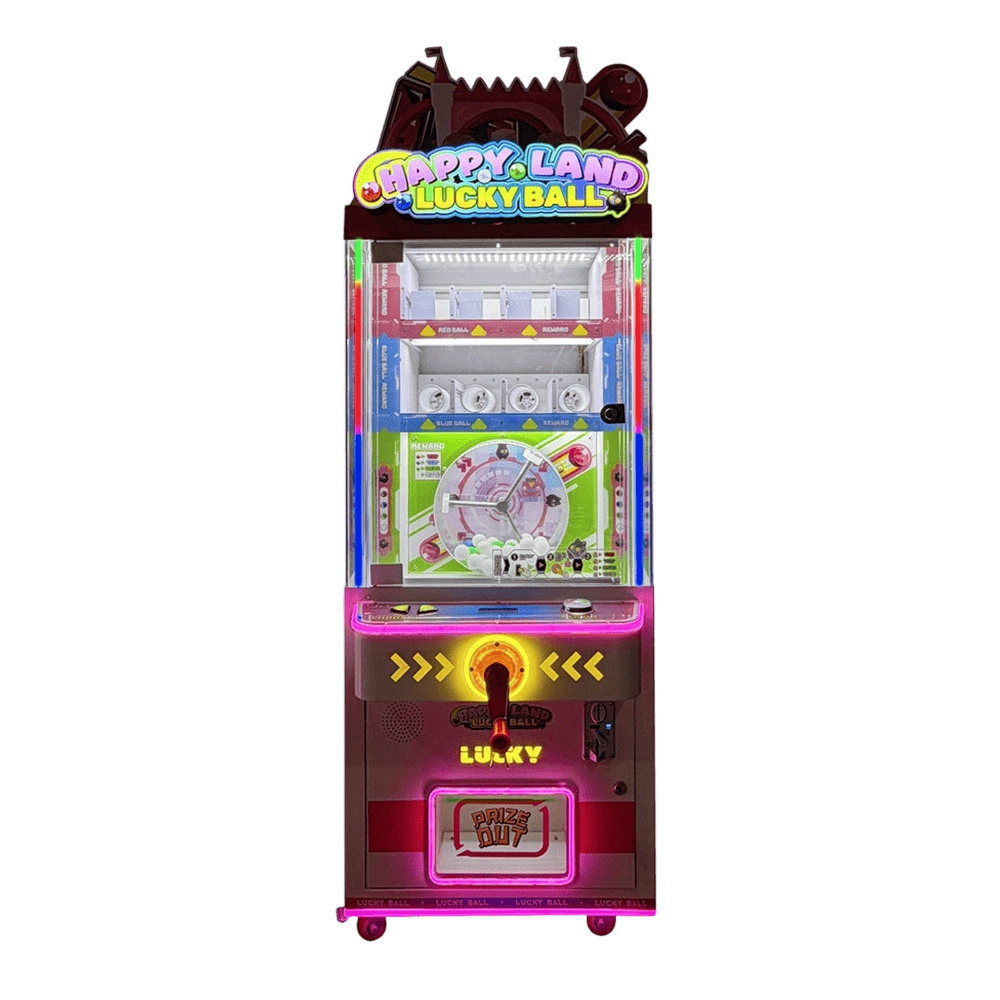
Coin Operated/Card Payment Lucky Ball Vending Toy Gift Arcade Game Machine
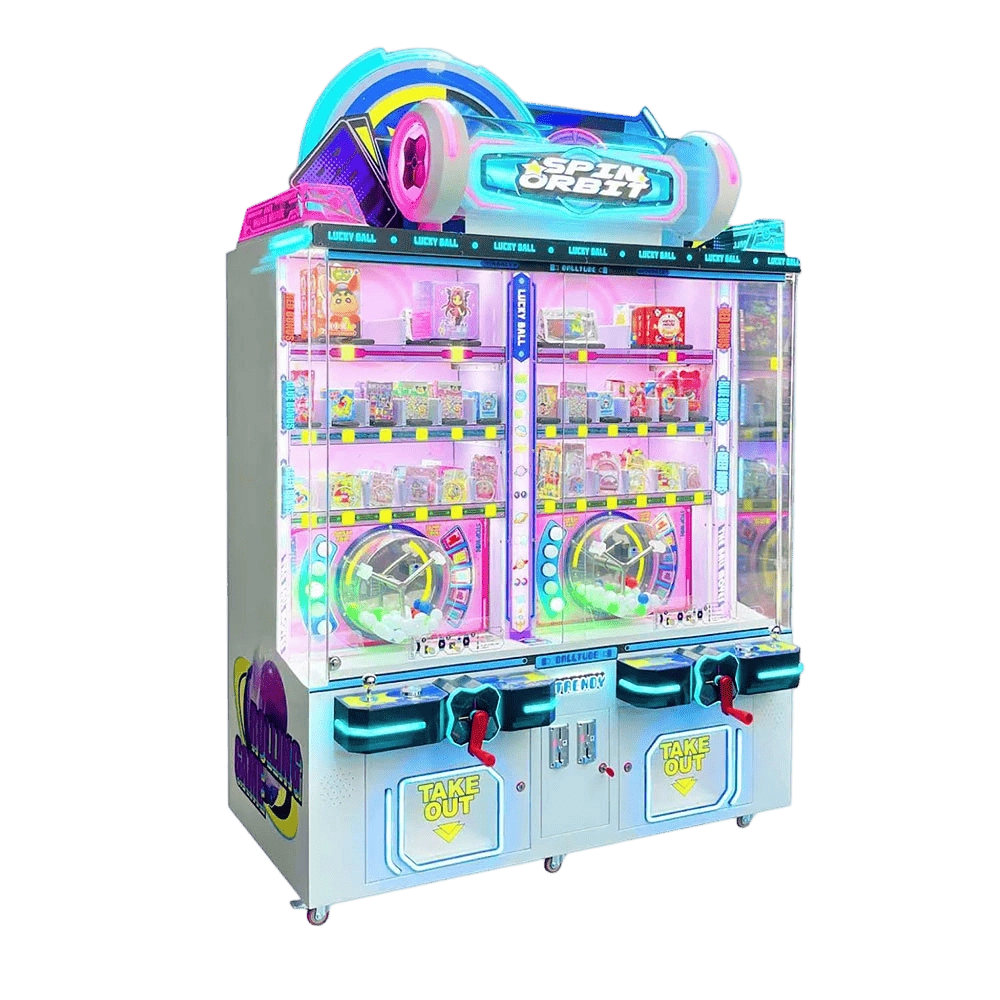
Coin Operated/Card Payment 2 Players SPIN ORBIT Lucky Prize Arcade Game
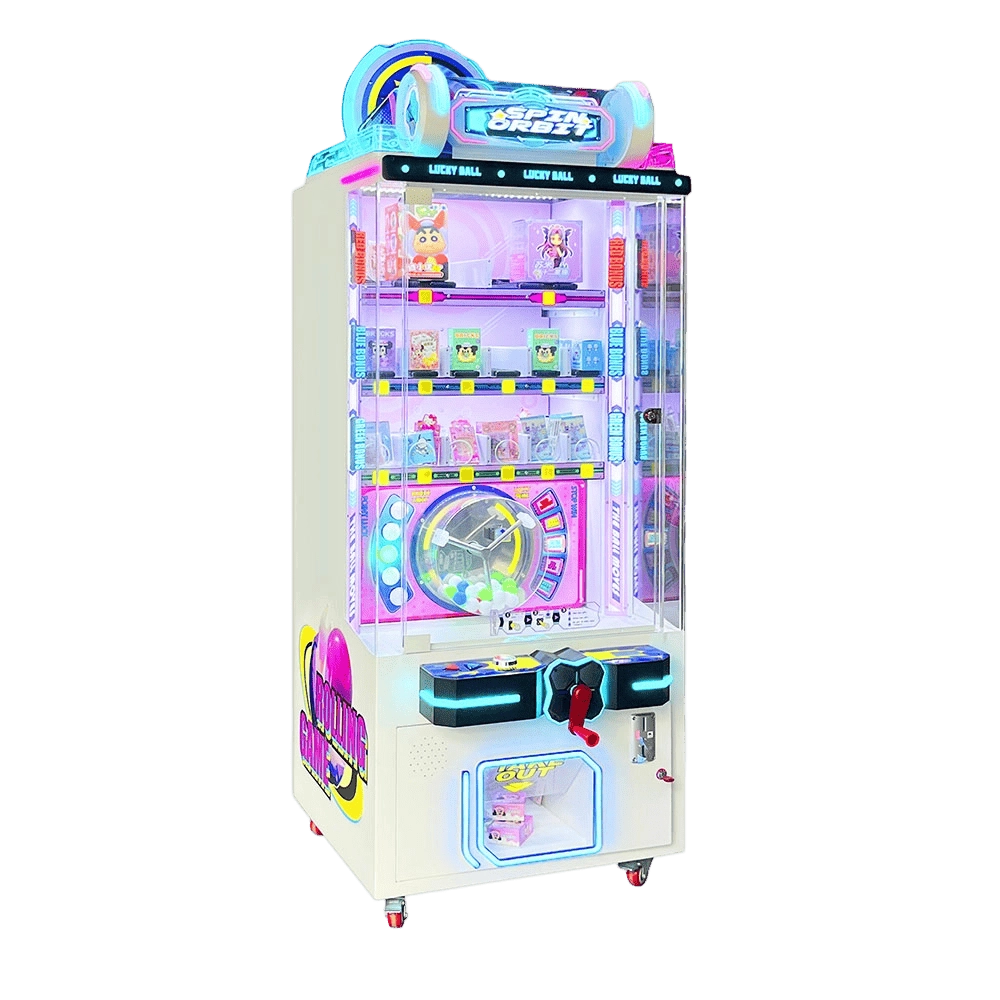
Coin Operated/Card Payment SPIN ORBIT Lucky Prize Arcade Game
Arcade Prize Lucky Wheel Gift Machine For Amusement Areas
Get in Touch with Jiami Games
If you have any comments or good suggestions, please leave us a message; later our professional staff will contact you as soon as possible.

Innovative Entertainment, at Your Fingertips
Learn about Jiami Games and explore our expertise in console development, innovative design, and global markets.
Quick Links:
© 2026 Jiami Games.
Whatsapp: +8618520390438