







What Safety and Compliance Should Buyers Check for Pinball Machines?
Social Media:
- 1. What Are the Key Safety Standards and Compliance Regulations for Coin-Operated Pinball Machines?
- 2. How Can I Assess the Mechanical and Electrical Condition of a Used Pinball Machine?
- 3. What Are the Common Pitfalls to Avoid When Purchasing a Coin-Operated Pinball Machine?
- 4. How Do I Determine the Fair Market Value of a Coin-Operated Pinball Machine?
- 5. What Are the Essential Maintenance Requirements for Coin-Operated Pinball Machines?
- 6. How Can I Ensure a Safe and Compliant Installation of My Coin-Operated Pinball Machine?
1. What Are the Key Safety Standards and Compliance Regulations for Coin-Operated Pinball Machines?
When purchasing a coin-operated pinball machine, it's crucial to ensure it meets specific safety standards and compliance regulations to guarantee safe operation and avoid legal issues. Key considerations include:
UL 2710 Certification: Verify that the machine is listed under UL 2710, which pertains to amusement machines. This certification ensures the machine has been tested for electrical safety and performance.
State-Specific Licensing: Some states require additional licensing for coin-operated machines. For instance, California mandates an Amusement Device Registration, and Texas requires a Coin-Operated Machine Permit. Operating without these licenses can result in fines up to $500 per unregistered unit per day.
ADA Accessibility Compliance: Ensure the machine complies with the Americans with Disabilities Act (ADA) by providing accessible features for individuals with disabilities. This may include adjustable heights or alternative control mechanisms.
Age-Gating Requirements: In certain states, machines offering prizes or redeemable points must implement age-gating measures to restrict access to minors.
Electrical Safety Measures: The machine should have proper grounding and insulation to prevent electrical hazards. Regular inspections and maintenance are essential to uphold these safety standards.
Fire Safety Compliance: Verify that the machine's materials and design comply with fire safety regulations, including the use of flame-retardant materials and proper ventilation.
2. How Can I Assess the Mechanical and Electrical Condition of a Used Pinball Machine?
Evaluating the mechanical and electrical condition of a used pinball machine is vital to ensure its functionality and longevity. Consider the following steps:
Visual Inspection: Examine the playfield for signs of wear, such as chipped paint, scratches, or water damage. Inspect the cabinet for structural integrity and any cosmetic issues like fading or peeling artwork.
Functional Testing: Power on the machine and test all features, including flippers, bumpers, ramps, and lights. Ensure that the game operates smoothly without any glitches or malfunctions.
Component Examination: Lift the playfield to inspect mechanical parts for signs of wear or damage. Check the wiring for any signs of overheating or poor connections.
Battery Check: Inspect the battery compartment for any signs of leakage, which can damage circuit boards. If leakage is present, assess the extent of the damage and consider replacing affected components.
Software and Firmware Review: Confirm that the machine's software is up to date, as outdated software can lead to performance issues or missing features.
Maintenance History: Request information about the machine's maintenance history, including any repairs or replacements. A well-maintained machine is more likely to function reliably.
3. What Are the Common Pitfalls to Avoid When Purchasing a Coin-Operated Pinball Machine?
Avoiding common pitfalls can save you from costly mistakes and ensure a satisfactory purchase:
Skipping the Inspection: Never purchase a machine without a thorough inspection. Relying solely on photos or descriptions can lead to unexpected issues.
Overlooking Maintenance Needs: Be aware that used machines may require immediate maintenance or repairs, which can add to the overall cost.
Ignoring Market Value: Research the current market value of the machine to avoid overpaying. Prices can vary based on rarity, condition, and demand.
Neglecting Shipping and Setup Costs: Consider the logistics of transporting and setting up the machine, as these costs can be significant.
Disregarding Legal Compliance: Ensure that the machine complies with all local laws and regulations to avoid legal issues.
4. How Do I Determine the Fair Market Value of a Coin-Operated Pinball Machine?
Determining the fair market value involves several factors:
Model and Rarity: Rare or limited-edition models often hold higher value.
Condition: Machines in excellent working condition with minimal cosmetic damage are more valuable.
Age: Vintage machines may have higher value due to their historical significance.
Demand: High-demand models or those with popular themes can command higher prices.
Market Comparisons: Compare prices of similar machines in the market to gauge a fair price.
Professional Appraisals: Consider seeking an appraisal from a professional to get an accurate valuation.
5. What Are the Essential Maintenance Requirements for Coin-Operated Pinball Machines?
Regular maintenance is crucial for the longevity and optimal performance of your pinball machine:
Cleaning: Regularly clean the playfield, removing dirt and debris to prevent malfunctions.
Component Inspection: Periodically check mechanical and electrical components for signs of wear or damage.
Software Updates: Keep the machine's software up to date to ensure smooth gameplay.
Battery Maintenance: Replace batteries as needed to prevent leakage and potential damage.
Lubrication: Apply appropriate lubricants to moving parts to reduce friction and wear.
Professional Servicing: Schedule regular servicing by a professional technician to address complex issues.
6. How Can I Ensure a Safe and Compliant Installation of My Coin-Operated Pinball Machine?
Proper installation is vital for safety and compliance:
Electrical Safety: Ensure the machine is connected to a properly grounded electrical outlet to prevent electrical hazards.
Space Requirements: Install the machine in a location with adequate space for ventilation and safe operation.
Compliance with Local Laws: Verify that the installation complies with all local regulations, including zoning laws and safety codes.
Professional Installation: Consider hiring a professional for installation to ensure all safety and compliance standards are met.
User Safety: Provide clear instructions and warnings to users to promote safe operation.
In conclusion, purchasing a coin-operated pinball machine requires careful consideration of safety standards, compliance regulations, and thorough evaluation of the machine's condition. By following these guidelines, you can make an informed decision and enjoy a rewarding addition to your entertainment collection.
For personalized assistance and a quote, please contact us at sales@jiamigame.com or visit our website at www.jiamigames.com.
You May Also Like
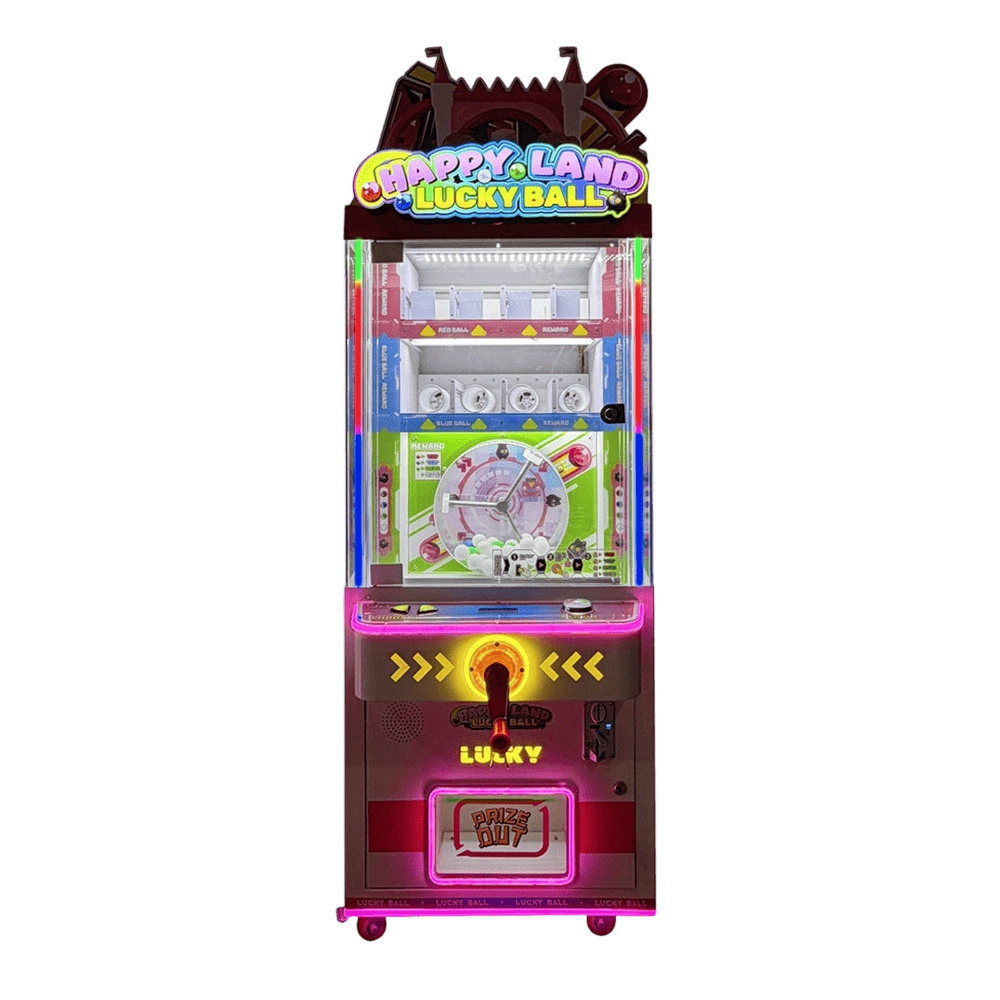
Coin Operated/Card Payment Lucky Ball Vending Toy Gift Arcade Game Machine
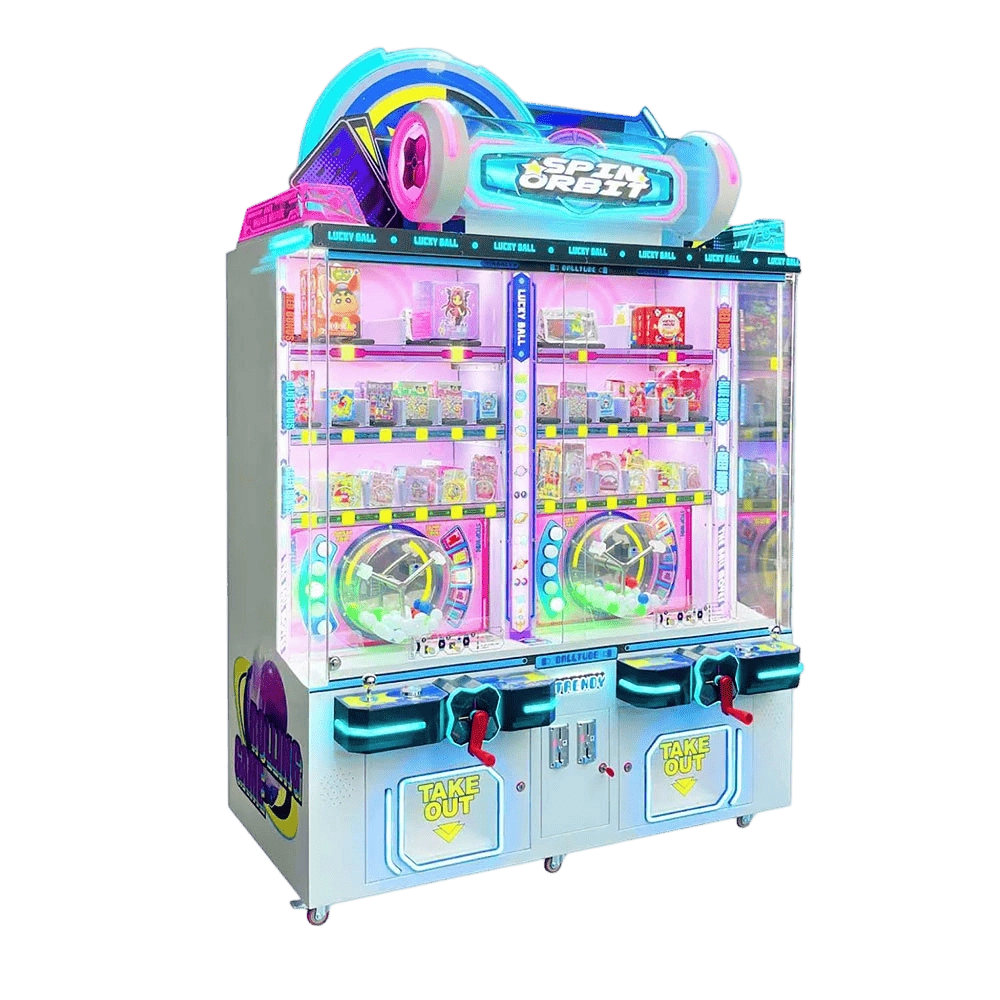
Coin Operated/Card Payment 2 Players SPIN ORBIT Lucky Prize Arcade Game
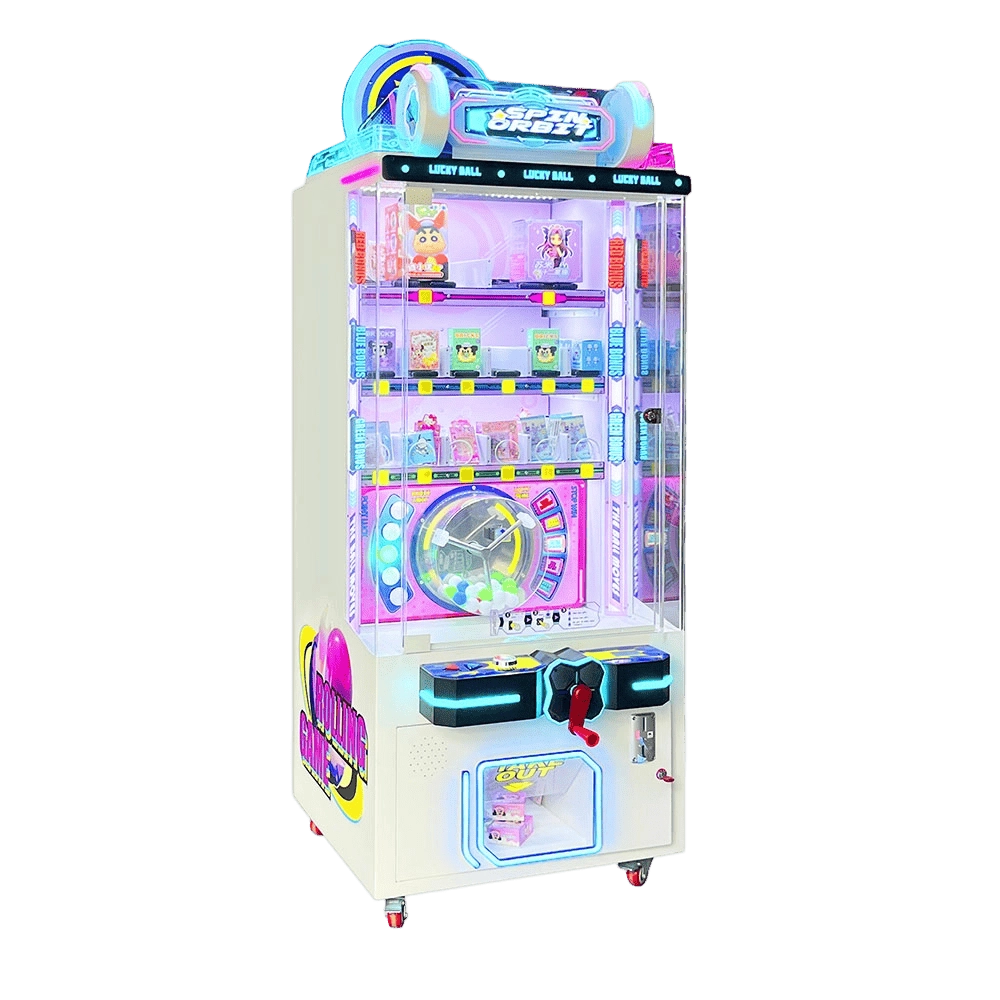
Coin Operated/Card Payment SPIN ORBIT Lucky Prize Arcade Game
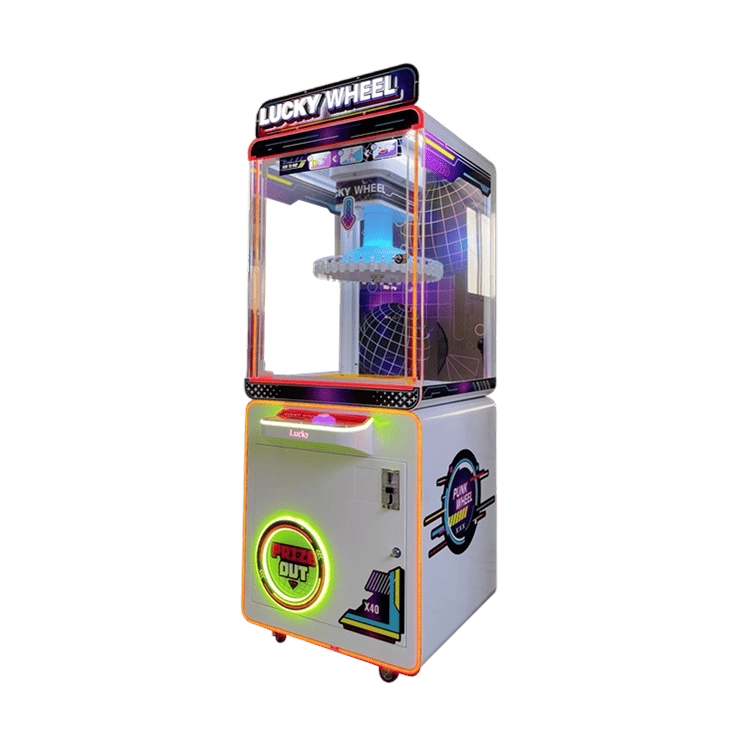
Arcade Prize Lucky Wheel Gift Machine For Amusement Areas
Get in Touch with Jiami Games
If you have any comments or good suggestions, please leave us a message; later our professional staff will contact you as soon as possible.

Innovative Entertainment, at Your Fingertips
Learn about Jiami Games and explore our expertise in console development, innovative design, and global markets.
Quick Links:
© 2026 Jiami Games.
Whatsapp: +8618520390438