





New vs used coin op video game machines: which to buy?
Social Media:
Purchasing a coin-operated video game machine is a significant investment that requires careful consideration. Whether you're looking to enhance your arcade, entertainment center, or home collection, understanding the nuances of new versus used machines is crucial. Below, we address six specific questions frequently asked by beginners, providing in-depth answers to guide your decision-making process.
1. What are the key differences between new and used coin-operated video game machines?
When deciding between new and used coin-operated video game machines, several factors come into play:
Condition and Reliability: New machines come with the latest technology and are less likely to require immediate repairs. Used machines may have wear and tear, potentially leading to higher maintenance costs.
Cost: New machines typically range from $1,500 to $8,000, depending on the model and features. Used machines can be more affordable, with prices varying based on condition and rarity.
Availability of Parts: New machines have readily available parts, ensuring easier maintenance. For older models, sourcing specific parts can be challenging.
2. How do maintenance and operational costs compare between new and used machines?
Maintenance and operational costs are pivotal in determining the total cost of ownership:
New Machines: Generally incur lower maintenance costs, approximately 5%–15% of the machine's value annually. They often come with warranties covering parts and labor.
Used Machines: Maintenance costs can be higher, ranging from 10%–30% of the machine's value annually, due to potential wear and the need for part replacements.
Additionally, consider energy consumption. Older machines, especially those with CRT monitors, consume more electricity compared to newer, energy-efficient models.
3. What legal and compliance considerations should I be aware of when purchasing a coin-operated machine?
Operating coin-operated machines involves adhering to various legal requirements:
Licensing: In the U.S., 12 states—including Illinois, New York, and Washington—require amusement device licenses, annual inspections, and strict coin-drop reporting. Failure to comply can trigger fines up to $5,000 per violation.
Safety Standards: Ensure machines comply with UL 2710 (Amusement Machines) standards. Some states may have additional requirements, such as California's Amusement Device Registration.
ADA Accessibility: Venues open to the public must ensure at least one accessible game per category, such as one wheelchair-height cabinet per 10 units.
4. How do I assess the total cost of ownership for a coin-operated video game machine?
The total cost of ownership (TCO) encompasses more than just the initial purchase price:
Purchase Price: The upfront cost of the machine.
Maintenance and Repairs: Regular upkeep and unexpected repairs.
Energy Consumption: Electricity costs associated with operating the machine.
Insurance: Coverage for potential damages or liabilities.
Revenue Generation: Projected earnings from the machine.
For example, a $2,800 refurbished Galaga cabinet may seem like a bargain until you factor in additional costs like monitor replacement, joystick rebuilds, and annual maintenance. Over three years, the TCO could reach approximately $5,785, equating to about $1,928 per year.
5. What are the advantages and disadvantages of purchasing a new coin-operated video game machine?
Purchasing a new machine offers several benefits:
Latest Technology: Access to the newest games and features.
Warranty Coverage: Protection against defects and potential repairs.
Energy Efficiency: Modern machines are designed to consume less power.
However, there are also drawbacks:
Higher Initial Cost: New machines require a larger upfront investment.
Depreciation: New machines may lose value more quickly.
6. What are the advantages and disadvantages of purchasing a used coin-operated video game machine?
Opting for a used machine has its pros and cons:
Advantages:
Lower Purchase Price: Used machines are generally more affordable.
Access to Classic Titles: Availability of rare or out-of-production games.
Disadvantages:
Potential for Wear and Tear: Used machines may require more maintenance.
Limited Warranty: Often sold as-is without warranty coverage.
In conclusion, purchasing a coin-operated video game machine involves evaluating factors such as condition, cost, maintenance, legal compliance, and the specific needs of your venue or collection. Whether you choose new or used, thorough research and careful consideration will ensure a rewarding investment.
For personalized advice and a quote tailored to your requirements, please contact us at sales@jiamigame.com or visit our website at www.jiamigames.com.
You May Also Like
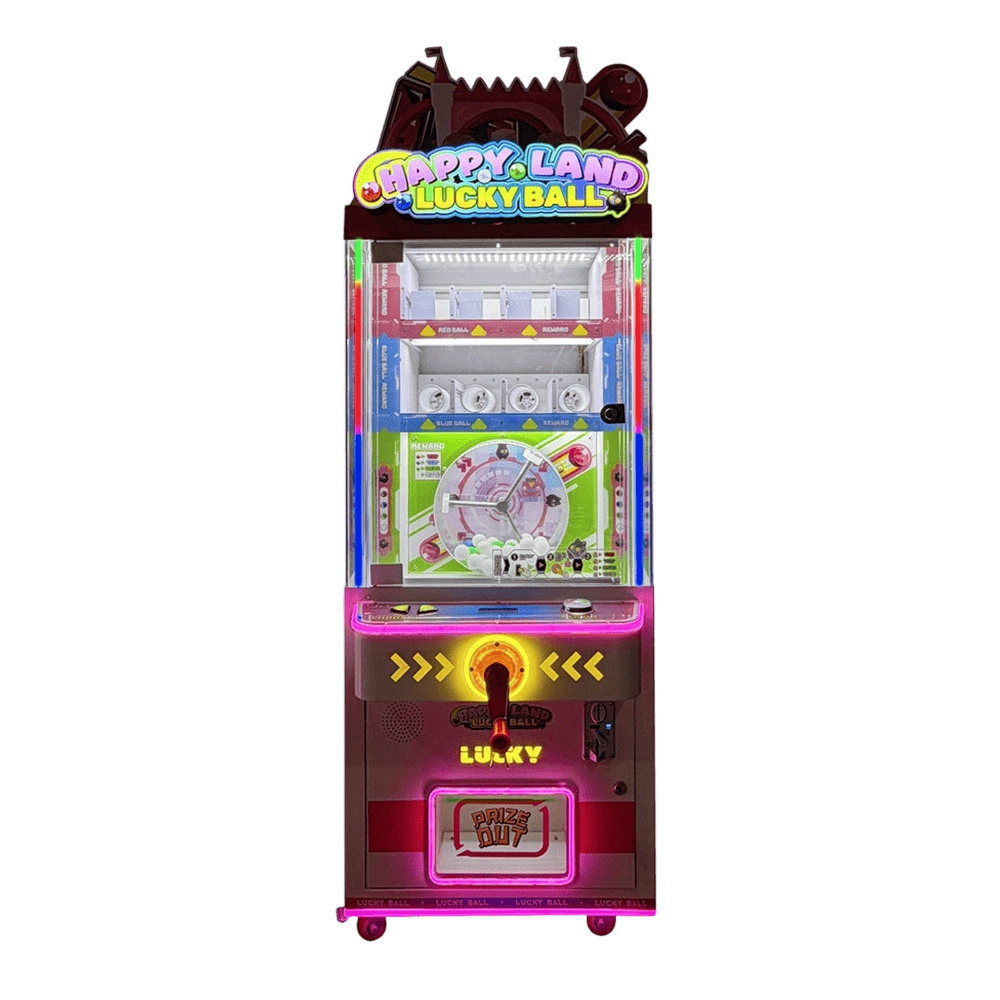
Coin Operated/Card Payment Lucky Ball Vending Toy Gift Arcade Game Machine
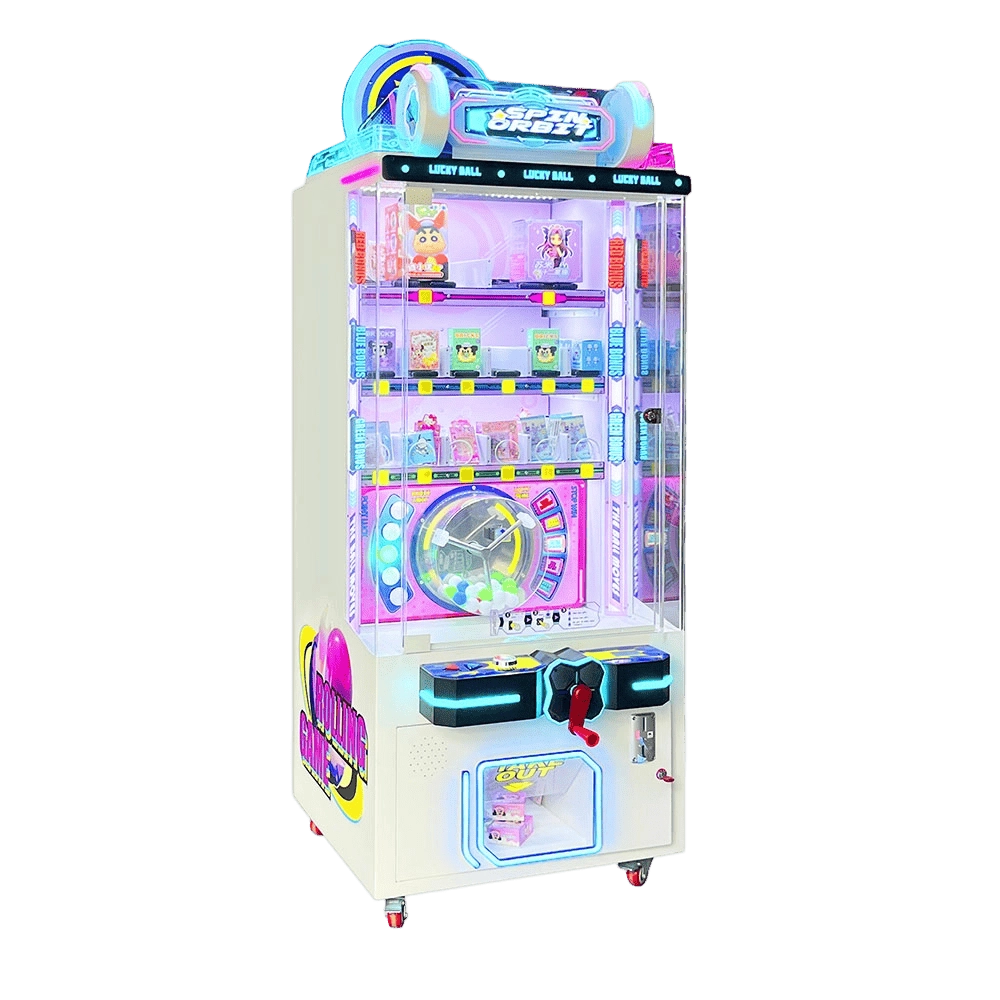
Coin Operated/Card Payment 2 Players SPIN ORBIT Lucky Prize Arcade Game
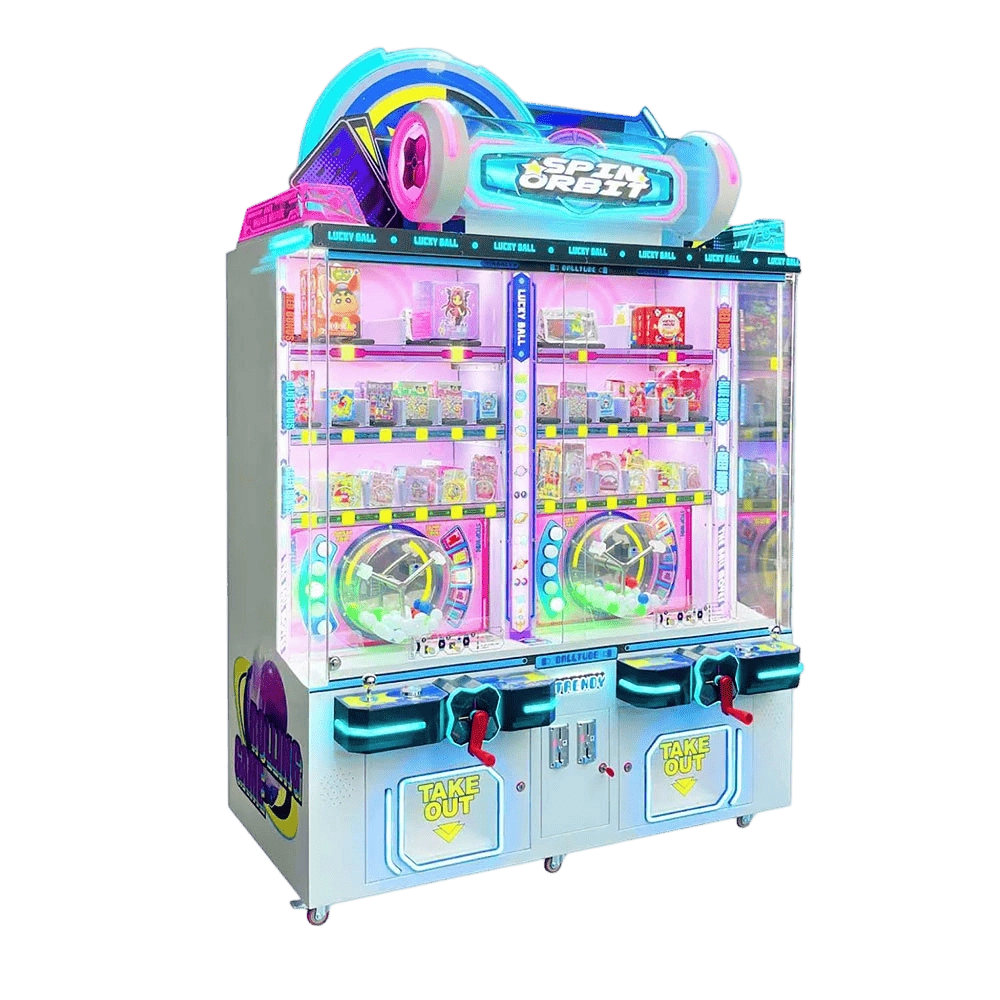
Coin Operated/Card Payment SPIN ORBIT Lucky Prize Arcade Game
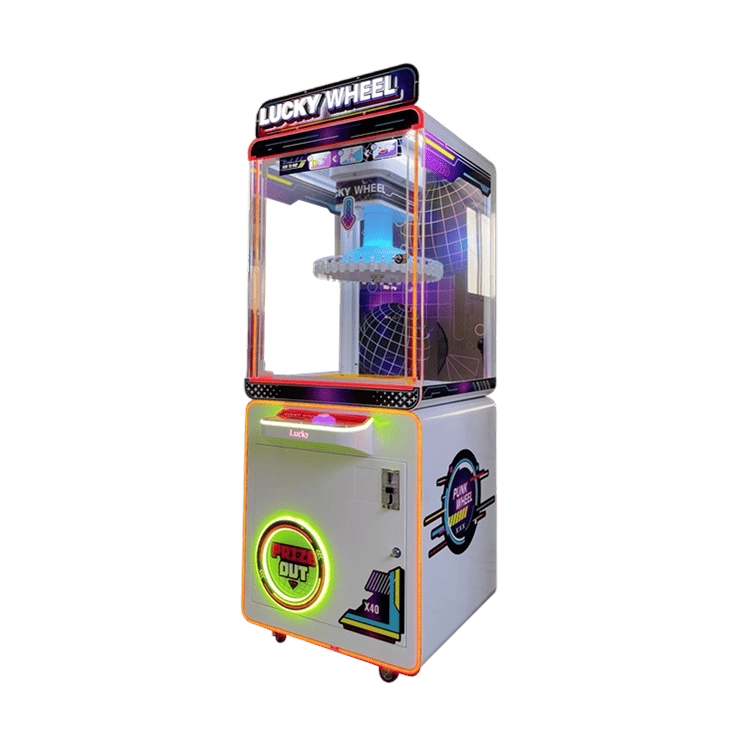
Arcade Prize Lucky Wheel Gift Machine For Amusement Areas
Get in Touch with Jiami Games
If you have any comments or good suggestions, please leave us a message; later our professional staff will contact you as soon as possible.

Innovative Entertainment, at Your Fingertips
Learn about Jiami Games and explore our expertise in console development, innovative design, and global markets.
Quick Links:
© 2026 Jiami Games.
Whatsapp: +8618520390438