







Coin Pusher Arcade Games: How They Work, Make Money, and Are They Rigged?
Social Media:
- Introduction
- How does a coin pusher arcade game work?
- Are coin pusher arcade games rigged?
- How do coin pusher arcade games make money?
- What is the best strategy to win at a coin pusher arcade game?
- Can you buy a coin pusher arcade game for your home?
- How much does a coin pusher arcade machine cost?
- Are coin pusher arcade games considered gambling?
- What are the most popular coin pusher arcade games?
- Conclusion
- Call to Action
Introduction
The flashing lights, the cacophony of digital sounds, and the towering cabinets filled with cascading coins—few attractions capture the imagination quite like the arcade floor. Among the myriad of digital screens and mechanical claws, one game consistently draws a crowd with its mesmerizing simplicity: the coin pusher arcade game.
For decades, these brightly lit machines have fascinated players with the tantalizing promise of an impending jackpot. But behind the beautiful illusion of teetering tokens lies a brilliant feat of engineering, math, and psychology. In this comprehensive guide, we will explore exactly how these captivating machines operate, whether the house always wins, and the best strategies to conquer the cascade.
How does a coin pusher arcade game work?
At its core, the coin pusher arcade game relies on a fascinating blend of physics, gravity, and mechanical timing. When a player approaches the machine, they drop a coin or token into a designated top slot. This token then falls onto a two-tiered, enclosed platform covered in a sea of other coins, chips, or small prizes.
The most critical component of the pusher mechanics is the top tier's reciprocating shelf. This automated arm or sliding platform continuously moves back and forth at a steady, rhythmic pace. When a player successfully times their token drops, the newly inserted coin lands flat on this top shelf and gets physically pushed against the stationary stack of coins sitting in front of it.
This pushing motion is intended to create a slow-moving chain reaction. As the back coins are pushed forward, they press into the front coins. Eventually, this cascading effect forces a few lucky tokens over the front edge of the bottom tier, dropping them into a collection bin where the player can claim their amusement center payout.
Are coin pusher arcade games rigged?
Whenever players see giant stacks of coins teetering on the edge but refusing to fall, they inevitably ask if the machine is "rigged." A long-standing urban legend suggests that operators use hidden electromagnets to hold the coins back. However, since modern U.S. coins and typical arcade tokens do not contain enough magnetic metals, this theory is largely a myth.
While not electronically rigged, these machines are masterfully engineered to favor the house. The physical design of the playfield often incorporates slightly raised edges, known as "lips" or "gussets," on the front drop-off point. Because of this tiny incline, coins tend to stack up or slide over one another rather than being pushed cleanly over the edge, requiring immense horizontal pressure to finally topple a single token.
Most importantly, the true secret to the house edge lies out of the player's sight. As outlined by Wikipedia, a typical coin pusher machine has "small gaps at the sides of the playfield where coins can fall, and coins that fall here are the operator's profits". These hidden side chutes ensure that a calculated percentage of tokens never makes it to the player's payout tray.
How do coin pusher arcade games make money?
The core revenue generation of these machines relies entirely on the hidden side chutes and the psychological illusion of an imminent win. Because players can vividly see coins dangling dangerously close to the edge, they genuinely believe that just one or two more tokens will trigger a massive, lucrative cascade. This psychological hook keeps them actively feeding money into the machine.
In reality, the internal math of the machine is highly controlled by its physical geometry. For every 100 coins pushed forward, a strictly calculated percentage is diverted sideways into the gutters, tumbling directly into the operator's secure internal lockbox. Only a fraction of the pushed material makes it over the front ledge to reward the player.
Furthermore, in modern redemption games, the tokens themselves rarely have an actual cash value. Instead of dispensing quarters, the machines push closed-loop arcade tokens or plastic chips that trigger electronic ticket dispensers. The house carefully balances the wholesale cost of the cheap prizes against the large volume of paid plays, ensuring the machine remains highly profitable over its lifetime.
What is the best strategy to win at a coin pusher arcade game?
While luck and the machine's inherent physical design play a massive role, employing a few tactical approaches can help you stretch your budget and increase your ticket yield. The most important fundamental to master is patience. Firing tokens rapidly into the chute usually causes them to stack on top of each other, drastically reducing their pushing power.
Instead, your primary strategy should be perfectly timing the drop. You want to insert your token right when the moving shelf is fully pulled back. This allows the coin to land flat on the empty space of the shelf. As the shelf moves forward again, your token will act as a direct battering ram against the stack, maximizing the forward energy transferred to the coins in front.
Additionally, smart players employ a few observational tactics to find the best machines on the arcade floor:
- Target the Center: Because the sides of the playfield contain the operator's profit chutes, coins pushed near the left or right edges are usually lost. Aim your drops squarely in the middle.
- Hunt for Overhangs: Scan the room for quarter slider machines that previous players have abandoned. Look for towers of chips or rare cards dangling heavily over the edge.
- Check the Edges: Avoid machines where the coins are laying perfectly flat. A machine is "primed" to pay out when coins are visibly overlapping and sloping downwards toward the drop zone.
Can you buy a coin pusher arcade game for your home?
Absolutely! The vibrant lights and nostalgic appeal of these machines make them incredibly popular among arcade enthusiasts, and you can easily purchase one for your own home game room or "man cave." Home ownership completely removes the frustration of the house edge, allowing you to enjoy the mesmerizing gameplay without spending real money.
There are generally two main avenues for buyers. The first is purchasing a brand-new, consumer-grade tabletop version. These are much smaller, usually made of plastic, and operate with proprietary plastic tokens or real pennies. They offer the same basic physics but on a much smaller, family-friendly scale.
The second option is purchasing a full-sized, refurbished commercial cabinet directly from an amusement distributor. While these take up significantly more space and require specialized moving equipment, they offer the authentic, heavy-duty arcade experience. Owners can fill them with their own custom tokens, baseball cards, or small toys to entertain guests.
How much does a coin pusher arcade machine cost?
The price of a coin pusher arcade machine varies wildly based on its physical footprint, technological features, and whether it is intended for commercial or home use. Because the internal mechanics can range from simple moving shelves to complex RFID-scanning conveyor belts, the overall budget can scale from a simple novelty gift to the price of a small car.
If you are looking to bring one of these units into your space, here is a general breakdown of what you can expect to spend in the current market:
- Tabletop & Toy Versions: Basic, novelty units designed for kids or casual home use generally range from $50 to $200.
- Standard Commercial Units: A traditional, single-player commercial cabinet (often refurbished) typically costs between $1,500 and $3,500.
- Modern Multi-Player Cabinets: Massive, high-tech units featuring popular licensed characters, LED video screens, and multi-station seating can range anywhere from $15,000 to over $40,000.
Beyond the initial purchase price, prospective buyers must also budget for freight shipping. These are incredibly heavy, glass-fronted machines, often weighing hundreds of pounds and requiring specialized transport. Additionally, commercial units may require ongoing maintenance costs for replacement drive belts, specialized lighting, and bulk token purchases.
Are coin pusher arcade games considered gambling?
The legal classification of these machines is a complex subject that relies heavily on local jurisdictions and exactly what the machine dispenses. The core legal debate centers on whether the gameplay is classified as a "game of skill" or a "game of chance." Because the outcome of the falling coins is largely out of the player's direct control, they usually fall into the latter category.
According to the World Population Review, most states evaluate coin pusher machines under their gambling statutes because the outcome depends largely on chance—specifically how tokens mechanically displace others into a payout tray. When a machine operates with actual quarters and pays out real cash, it is strictly classified as an illegal gambling device in many U.S. states outside of licensed casinos.
To legally bypass these strict gambling laws, modern family entertainment centers rely on specific loopholes. They substitute real money with valueless metal tokens and reward players with paper tickets rather than cash. Because the tickets can only be exchanged for novelty prizes (like plush toys or candy), the machines are legally classified as amusement devices rather than gambling equipment.
What are the most popular coin pusher arcade games?
In recent years, the amusement industry has revitalized the classic coin pusher arcade game by merging traditional gravity mechanics with massive, globally recognized pop-culture franchises. These modern iterations are no longer just about pushing plain metal coins; they have evolved into highly engaging, multimedia experiences that challenge players to collect sets of physical trading cards.
Walk into any major family entertainment center today, and you will immediately spot these towering attractions. Some of the most popular and highest-earning titles include:
- The Wizard of Oz / Emerald City: A legendary staple in nearly every major arcade. Players push tokens to win brightly colored character cards, aiming to collect the elusive 'Toto' card for a massive ticket jackpot.
- SpongeBob SquarePants: An incredibly vibrant and loud machine that uses fun voice lines and physical pineapple tokens to draw in younger audiences and families.
- Marvel's Avengers: A high-tech twist on the genre where players shoot tokens rapidly at a target to drop superhero cards and exclusive chips onto the playfield.
These licensed machines have successfully kept the redemption genre alive and thriving. By combining the immediate gratification of falling coins with the long-term, gamified goal of completing card sets, manufacturers have ensured that these machines remain the most crowded and exciting attractions on any arcade floor.
Conclusion
Coin pusher arcade games remain one of the most mesmerizing and enduring attractions in the amusement industry. The beautiful blend of flashing lights, cascading coins, and the tantalizing illusion of the "next big drop" creates an unforgettable and highly engaging experience for players of all ages.
By understanding the intricate design behind these machines—from the strategic side chutes that ensure the operator's profit, to the legal distinctions between amusement and gambling—you can truly appreciate the brilliant engineering behind the fun. This knowledge also helps you approach the game with smarter strategies, saving your wallet while maximizing your ticket rewards.
Whether you are navigating the busy floor of your local family entertainment center, hunting for rare collectible cards, or looking to purchase an authentic cabinet for your own home game room, these machines offer a timeless slice of arcade magic.
Call to Action
Contact us today for more information or a personalized consultation on bringing the ultimate arcade excitement directly to your home or business!
You May Also Like
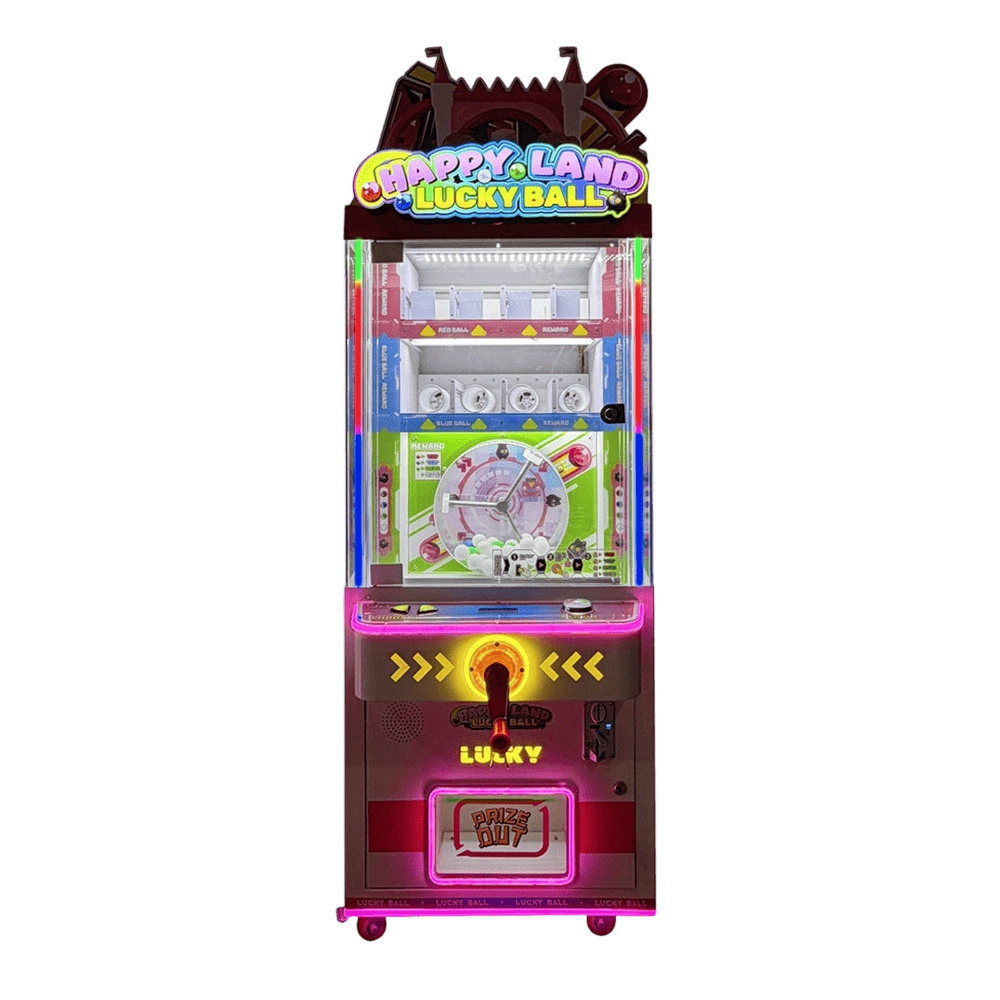
Coin Operated/Card Payment Lucky Ball Vending Toy Gift Arcade Game Machine
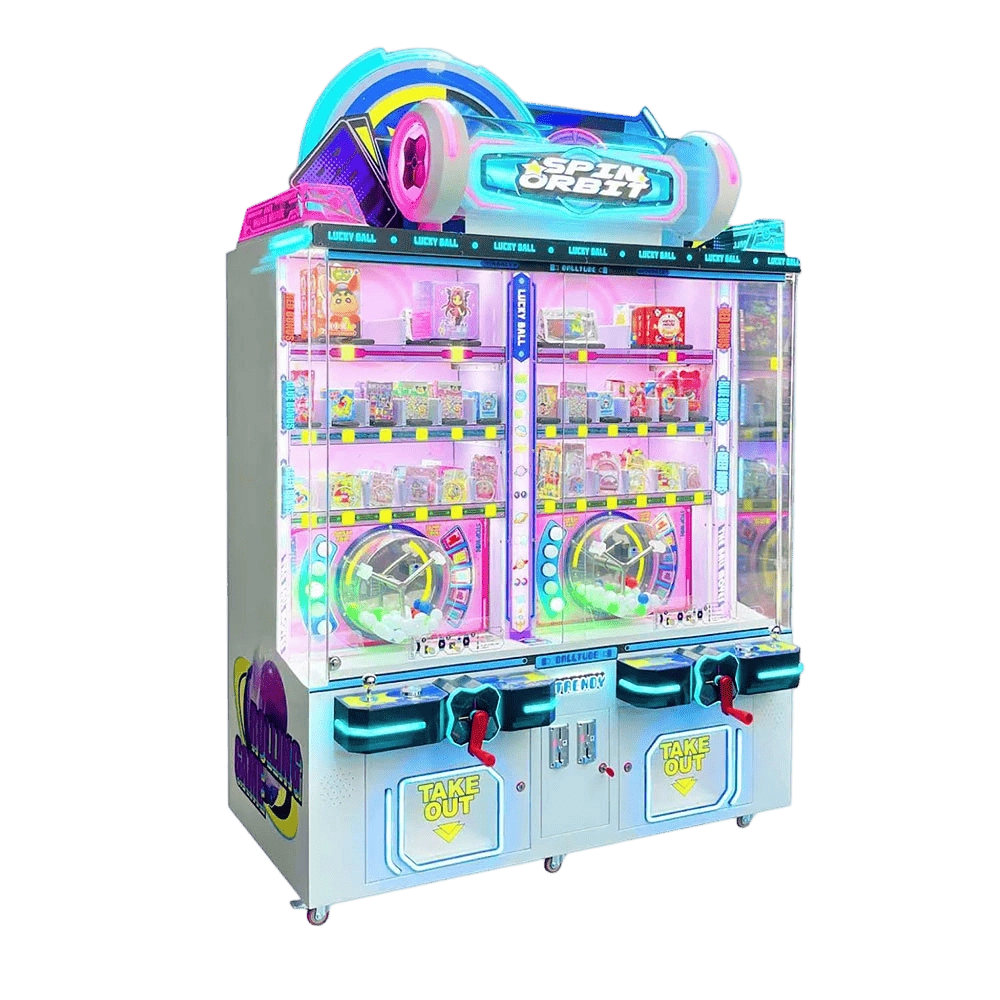
Coin Operated/Card Payment 2 Players SPIN ORBIT Lucky Prize Arcade Game
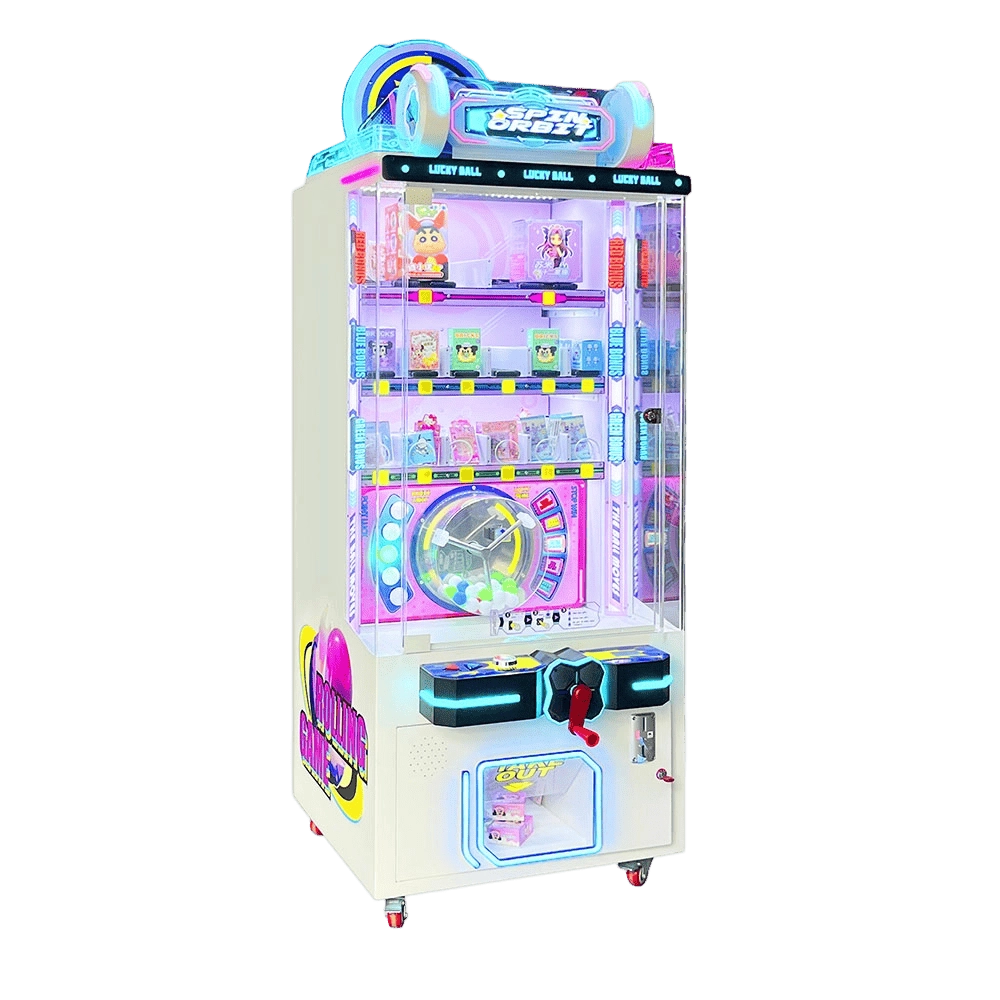
Coin Operated/Card Payment SPIN ORBIT Lucky Prize Arcade Game
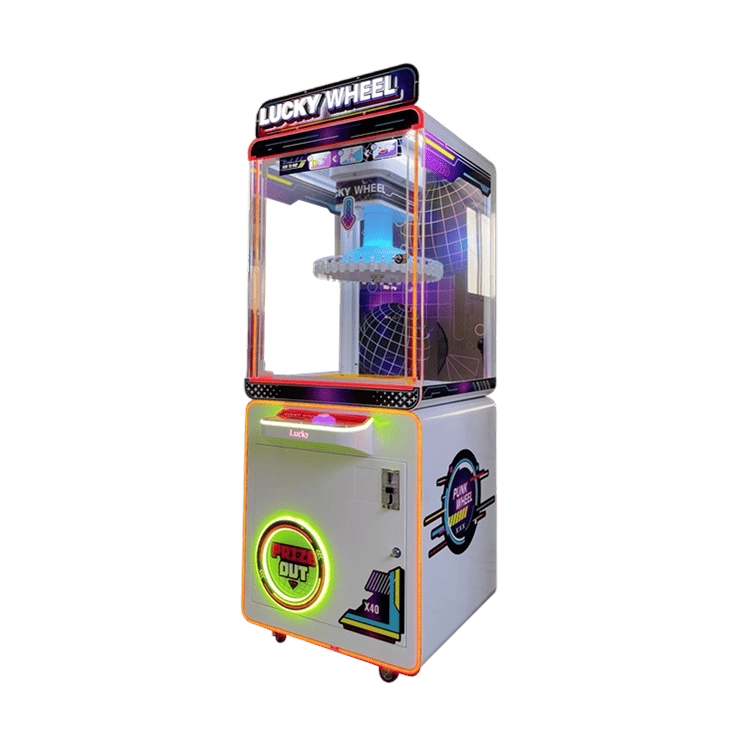
Arcade Prize Lucky Wheel Gift Machine For Amusement Areas
Get in Touch with Jiami Games
If you have any comments or good suggestions, please leave us a message; later our professional staff will contact you as soon as possible.

Innovative Entertainment, at Your Fingertips
Learn about Jiami Games and explore our expertise in console development, innovative design, and global markets.
Quick Links:
© 2026 Jiami Games.
Whatsapp: +8618520390438