







Should operators choose cashless or coin-operated arcade systems?
Social Media:
- 1. What Are the Key Differences Between Coin-Operated and Cashless Arcade Systems?
- 2. How Do Maintenance Costs and Machine Durability Affect Profitability for Arcade Operators?
- 3. What Are the Initial Costs and Ongoing Expenses for Implementing a Cashless Arcade System?
- 4. How Does Location Impact the ROI of Arcade Machines?
- 5. What Are the Maintenance Requirements for Cashless Arcade Systems?
- 6. How Can Arcade Operators Transition from Coin-Operated to Cashless Systems?
1. What Are the Key Differences Between Coin-Operated and Cashless Arcade Systems?
Coin-operated arcade systems require players to insert physical coins or tokens to play games. This traditional method offers a nostalgic experience but presents several operational challenges:
Maintenance Issues: Frequent coin jams and mechanical wear can lead to increased downtime and repair costs.
Operational Inefficiencies: Manual coin collection and handling can be time-consuming and labor-intensive.
Limited Data Analytics: Lack of real-time data makes it challenging to monitor machine performance and customer preferences.
In contrast, cashless arcade systems utilize digital payment methods such as cards, mobile wallets, or QR codes, offering several advantages:
Enhanced Customer Experience: Players can start games with a simple tap, reducing wait times and improving satisfaction.
Operational Efficiency: Remote price adjustments and centralized control streamline management tasks.
Advanced Data Analytics: Real-time tracking of revenue and player behavior enables data-driven decision-making.
2. How Do Maintenance Costs and Machine Durability Affect Profitability for Arcade Operators?
Maintenance costs and machine durability are critical factors impacting profitability for arcade operators. High maintenance expenses can significantly erode profit margins, while durable machines ensure long-term functionality and customer satisfaction.
Maintenance Expenses: Operators typically spend around 15-20% of their annual revenue on maintenance. For a typical arcade generating $150,000 annually, this translates to $22,500-$30,000 in maintenance costs each year.
Machine Durability: Machines like classic pinball games or modern video games from reputable manufacturers tend to have longer lifespans—often exceeding 10 years with proper care.
3. What Are the Initial Costs and Ongoing Expenses for Implementing a Cashless Arcade System?
Implementing a cashless arcade system involves several financial considerations:
Initial Setup Costs: The upfront cost of a cashless arcade system can vary based on the number of machines and the complexity of the system.
Ongoing Expenses: Operators should budget for maintenance, software updates, and transaction fees associated with digital payments.
Return on Investment (ROI): While initial costs may be higher, cashless systems can lead to increased revenue through higher average spend per player and reduced downtime.
4. How Does Location Impact the ROI of Arcade Machines?
Location plays a pivotal role in determining the ROI of arcade machines:
High-Traffic Areas: Machines placed in locations with high foot traffic, such as amusement parks, shopping centers, or family entertainment centers (FECs), tend to perform significantly better than those in low-traffic zones.
Strategic Placement: Analyzing customer behavior and strategically placing machines can enhance visibility and increase play frequency.
5. What Are the Maintenance Requirements for Cashless Arcade Systems?
Cashless arcade systems require specific maintenance to ensure optimal performance:
Software Updates: Regular updates are necessary to maintain security and functionality.
Hardware Maintenance: Periodic checks of card readers, mobile payment interfaces, and network connectivity are essential.
Data Security: Ensuring the protection of customer payment information is paramount.
6. How Can Arcade Operators Transition from Coin-Operated to Cashless Systems?
Transitioning to a cashless system involves several steps:
Assessment: Evaluate the current setup and identify machines suitable for upgrading.
Selection: Choose a cashless payment solution that aligns with business needs and budget.
Implementation: Install the system, train staff, and inform customers about the new payment options.
Monitoring: Track performance metrics to assess the impact on revenue and customer satisfaction.
By carefully considering these factors, arcade operators can make informed decisions that enhance operational efficiency and profitability.
For personalized advice and a tailored quote, please contact us at sales@jiamigame.com.
You May Also Like
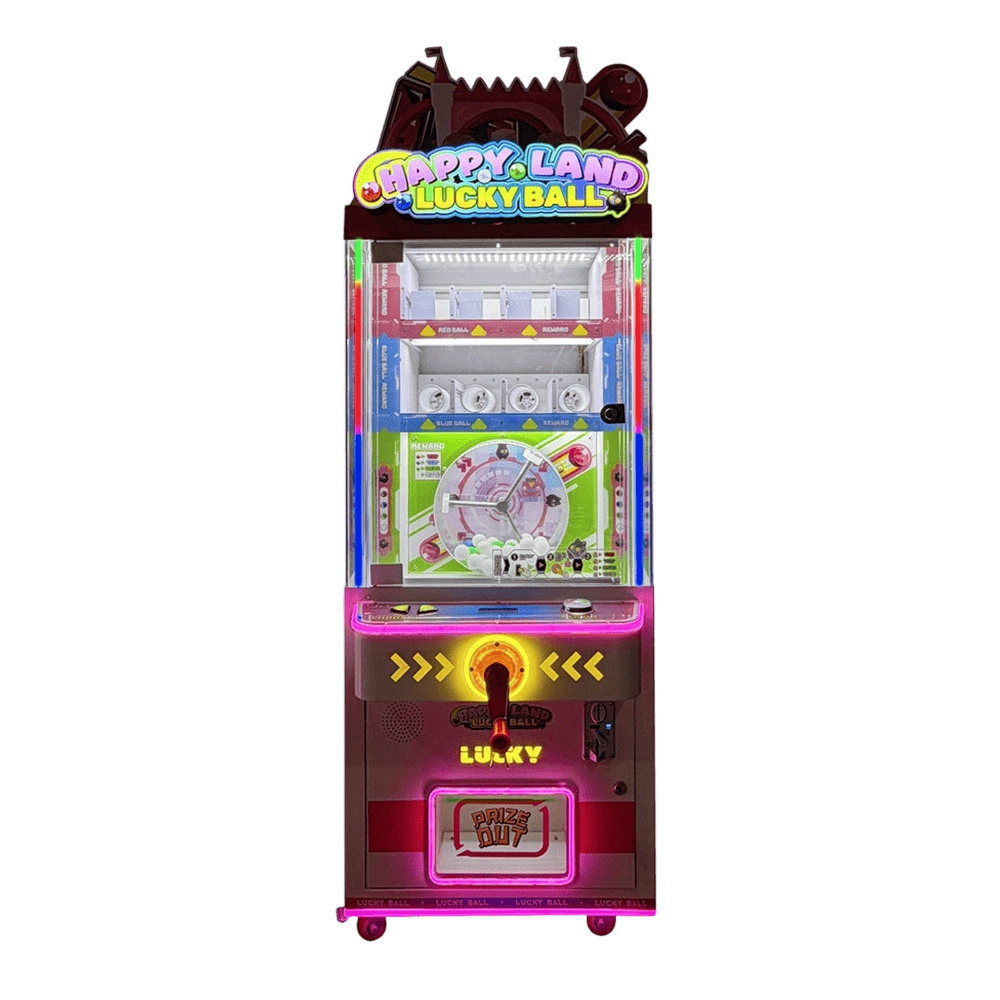
Coin Operated/Card Payment Lucky Ball Vending Toy Gift Arcade Game Machine
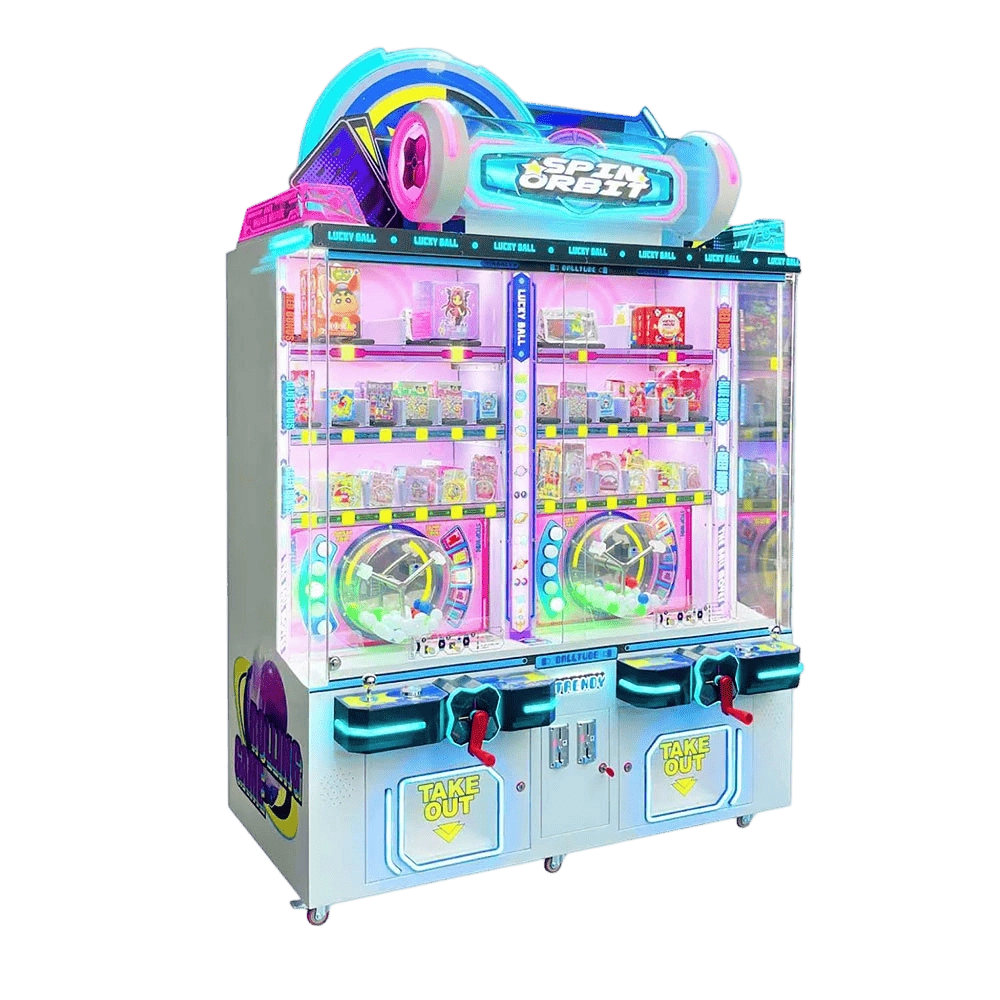
Coin Operated/Card Payment 2 Players SPIN ORBIT Lucky Prize Arcade Game
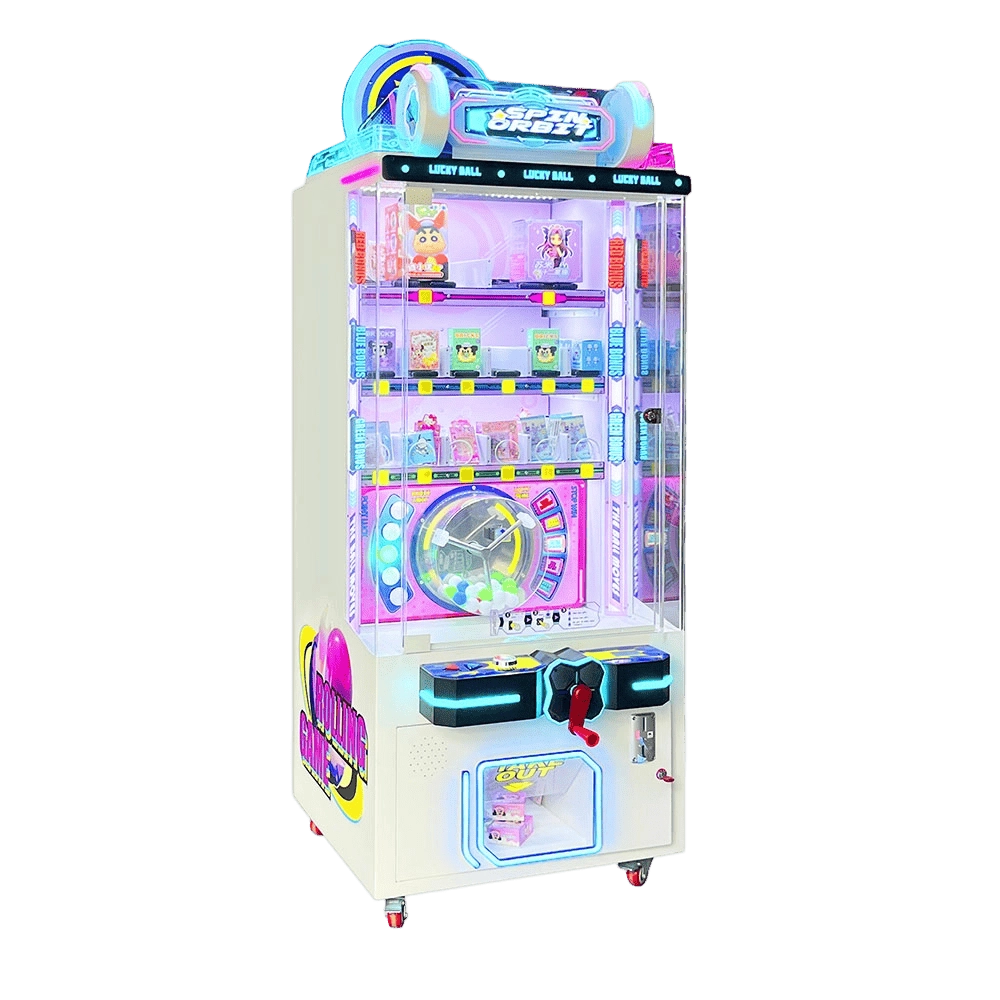
Coin Operated/Card Payment SPIN ORBIT Lucky Prize Arcade Game
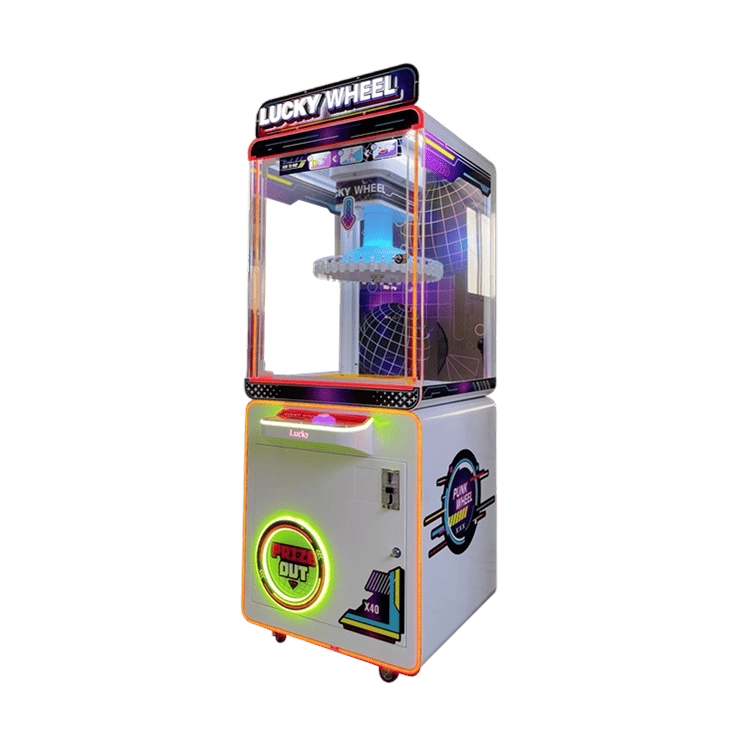
Arcade Prize Lucky Wheel Gift Machine For Amusement Areas
Get in Touch with Jiami Games
If you have any comments or good suggestions, please leave us a message; later our professional staff will contact you as soon as possible.

Innovative Entertainment, at Your Fingertips
Learn about Jiami Games and explore our expertise in console development, innovative design, and global markets.
Quick Links:
© 2026 Jiami Games.
Whatsapp: +8618520390438