







The Ultimate Guide to the Coin Operated Pinball Machine: History, Mechanics, and Free Play
Social Media:
- Introduction
- When was the first coin-operated pinball machine invented?
- How do coin mechanisms and validators work in pinball machines?
- How do you set a coin-operated pinball machine to free play?
- Do I need to use coins or tokens to play a pinball machine at home?
- How much does a coin-operated pinball machine weigh?
- Where should I buy a new or used coin-operated pinball machine?
- Are coin-operated pinball machines considered a game of skill or luck?
- How do you set up and maintain a coin-operated pinball machine?
- Conclusion
- Call to Action
Introduction
The glowing lights, the satisfying clack of the flippers, and the unmistakable sound of a silver ball careening through a maze of bumpers—there is nothing quite like the sensory experience of a coin operated pinball machine. For decades, these mechanical marvels have captivated players in arcades, bars, and bowling alleys around the world. Today, they are experiencing a massive resurgence, not just as public entertainment, but as highly sought-after centerpieces for home game rooms.
Whether you are a seasoned collector or a newcomer looking to purchase your very first machine, understanding the inner workings of these devices is essential. From the rich history of their invention to the intricate details of their coin validators and modern maintenance requirements, the world of pinball is as complex as it is fascinating. Navigating this hobby requires a blend of mechanical know-how, electronic troubleshooting skills, and an appreciation for arcade history.
In this comprehensive guide, we will explore the evolution, mechanics, and practicalities of owning a coin operated pinball machine. We will answer the most common questions enthusiasts have, including how to bypass the coin mechanisms for home use, what to look for when buying, and how to keep your game running flawlessly for years to come.
When was the first coin-operated pinball machine invented?
The origins of the pinball machine trace back to the 18th century with the French parlor game of bagatelle, where players used a cue stick to shoot balls into scoring holes on a slanted wooden board. However, the game did not take its recognizable modern form until the early 20th century. The transition from a parlor curiosity to a public amusement sensation required a way to monetize the gameplay, leading to the integration of coin slots.
The first commercially successful coin-operated pinball machine was invented in 1931. During the height of the Great Depression, David Gottlieb released Baffle Ball, a countertop mechanical game that cost a penny to play. It was an instant sensation, selling tens of thousands of units because it provided affordable entertainment during difficult economic times. Players simply inserted a coin, which released the balls for the spring-loaded plunger to shoot onto the playfield.
While these early machines established the foundation of arcade amusement games, they lacked the most iconic feature of modern pinball: the flippers. It wasn't until 1947 that Gottlieb's company introduced "Humpty Dumpty," the first game to feature player-controlled flipper mechanics. This innovation transformed pinball from a passive game of watching a ball fall into an active, engaging experience where players could exert direct control over the outcome.
Following the introduction of flippers, the industry evolved rapidly. The 1970s and 1980s saw the transition from electro-mechanical relays to solid state pinball electronics, bringing digital scoring, complex rulesets, and synthesized speech. Despite these massive technological leaps, the fundamental appeal of the coin operated pinball machine—man versus gravity—has remained exactly the same since 1931.
How do coin mechanisms and validators work in pinball machines?
The coin door is the gateway to any commercial pinball machine, designed to securely accept payment while rejecting counterfeits. At the heart of this system is the coin mechanism, a brilliantly engineered mechanical device that relies on physics to verify the authenticity of a coin. When a quarter is dropped into the slot, it doesn't just fall into a bucket; it navigates a precise obstacle course.
In a traditional mechanical coin drop, the coin first passes through a sizing slot that immediately rejects anything too thick or too wide. Once inside, it rolls down a slanted track where its weight and magnetic properties are tested. A perfectly balanced cradle will tip only if the coin has the exact weight of a legitimate quarter. Furthermore, a small magnet catches magnetic slugs (like steel washers), deflecting them into the coin return slot while the non-magnetic quarter drops through successfully.
Modern machines and updated vintage arcade cabinets often utilize electronic coin validators instead of purely mechanical drops. These sophisticated devices use optical sensors and electromagnetic coils to analyze the metallic composition, thickness, and diameter of the coin in milliseconds. If the microchip determines the coin matches the pre-programmed profile of a valid currency, it allows it to pass; otherwise, an internal gate swiftly diverts it back to the user.
Once a valid coin makes it through either the mechanical or electronic gauntlet, it strikes a small wire lever attached to a microswitch. This physical action closes an electrical circuit, sending a pulse to the game's central processing board. The solid state pinball electronics register this pulse, increment the digital credit counter on the display, and activate the start button, signaling that the machine is ready for play.
How do you set a coin-operated pinball machine to free play?
Setting a machine to "free play" is one of the first tasks for any new home owner. When a pinball machine is removed from a commercial environment and placed in a private game room, requiring coins to play becomes an unnecessary hassle. Fortunately, almost all machines manufactured in the last four decades have a built-in software setting that allows unlimited games without the need for currency.
For solid-state machines built from the 1990s onward, the process is entirely digital. You begin by opening the front coin door with your key, which grants access to a bank of service buttons located just inside the frame. By pressing the "Enter" or "Menu" button, you activate the diagnostic display on the backbox. From there, you navigate through the adjustments menu—often looking for a section labeled "Pricing Adjustments" or "Standard Adjustments"—and change the pricing setting to "Free Play."
For older solid-state machines from the late 1970s and 1980s, the process might involve adjusting physical DIP switches on the circuit boards located in the backbox, or using a numeric keypad inside the coin door. The specific sequence of button presses or switch flips varies wildly by manufacturer (such as Bally, Williams, or Stern), so consulting the original game manual is critical. Once set, the machine will usually display "Free Play" on its numeric score screens.
Electro-mechanical (EM) machines from the 1960s and 1970s do not have software menus, so setting them to free play requires a physical workaround. The most common method involves locating the "credit unit" (a mechanical stepper wheel inside the backbox that tracks how many games are paid for) and adjusting or bending the "zero position" switch. By doing this, the machine never realizes the credit counter has reached zero, allowing the start button to continually initiate a new game regardless of whether coins are inserted.
Do I need to use coins or tokens to play a pinball machine at home?
The straightforward answer is no. As detailed above, nearly every coin operated pinball machine can be adjusted to a free play mode, allowing you to simply press the start button to begin a game. This is the preferred setup for the vast majority of home collectors, as it eliminates the need to constantly fish for quarters, empty the cash box, and deal with coin jams during casual play.
However, some enthusiasts actually prefer to keep the coin mechanisms active. For these purists, the ritual of dropping a coin into the slot and hearing the physical "clink" as it hits the cash box is an essential part of the arcade amusement games experience. It provides a burst of nostalgia and replicates the exact feeling of standing in a 1980s arcade. In these cases, owners simply keep a cup of quarters on top of the glass and periodically recycle them from the internal bin.
If you want the authentic coin-drop experience without using real currency, you can easily convert the machine to accept custom arcade tokens. This involves purchasing a batch of custom tokens and a matching token coin mechanism. You swap out the original quarter mechanism for the token variant, which is calibrated to only accept the specific size and weight of your customized tokens.
Regardless of whether you choose free play, quarters, or tokens, maintaining the coin door is highly recommended. A fully functional, brightly lit coin door with working reject buttons and return slots adds tremendous aesthetic value to vintage arcade cabinets. Even if the internal mechanisms are bypassed for free play, ensuring the exterior hardware looks brand new preserves the machine's historical integrity.
How much does a coin-operated pinball machine weigh?
A coin-operated pinball machine is an incredibly heavy piece of commercial equipment. On average, a standard-sized solid-state pinball machine weighs between 250 and 300 pounds (113 to 136 kilograms). This massive weight can catch new buyers off guard, making transportation and installation a logistical challenge that requires careful planning.
The weight can fluctuate significantly based on the era and specific model of the game. Older electro-mechanical machines are incredibly heavy due to the massive banks of copper relays and motorized score reels in the backbox. Conversely, "widebody" machines from the 1990s (such as Twilight Zone or Star Trek: The Next Generation), as well as modern loaded machines from boutique manufacturers, can easily exceed 330 pounds due to the extra width and packed playfield features.
Several factors contribute to this extreme weight. The cabinet itself is constructed from thick exterior-grade plywood. Inside, there are massive iron-core power transformers, heavy coils for the flippers and bumpers, and complex metal subways. Furthermore, the playfield is made of solid, clear-coated wood, and the entire game is sealed beneath a thick sheet of tempered safety glass that alone weighs nearly 20 pounds.
Because of this heft, moving a pinball machine should never be attempted alone. It requires at least two capable adults and the right equipment, specifically a heavy-duty appliance dolly with stair climbers and ratcheting straps. To safely move a machine, the heavy steel legs must be unbolted and removed, and the backbox should be folded down (on modern machines) or completely detached (on older games) to lower the center of gravity and prevent damage.
Where should I buy a new or used coin-operated pinball machine?
Acquiring a pinball machine has become much easier in recent years, but deciding where to buy depends on whether you want a brand-new release or a vintage classic. If you are looking for a brand-new machine, your best option is to purchase directly through an authorized distributor of modern manufacturers like Stern Pinball, Jersey Jack Pinball, or Chicago Gaming Company. Buying "NIB" (New In Box) ensures you receive a pristine machine with a factory warranty and zero wear.
If you are hunting for a used or vintage machine, online enthusiast communities are the safest and most reliable marketplaces. Websites like Pinside offer dedicated market sections where collectors buy, sell, and trade games. Buying from a fellow collector is often preferable because enthusiasts tend to practice meticulous pinball machine maintenance, keeping their games clean, well-tuned, and stored in climate-controlled home environments.
Another option for finding used machines is attending regional arcade expos and pinball festivals. These events frequently host "flea markets" or free-play areas where dozens of machines are listed for sale. This gives you the invaluable opportunity to physically inspect the game, play it to test the flipper mechanics, and speak directly with the seller before loading it into your vehicle.
Buyer beware: While general classified sites like Craigslist or Facebook Marketplace can occasionally yield good deals, they are also rife with scams and heavily abused "routed" machines. A machine that has spent ten years in a dive bar will likely have severe playfield wear, broken plastics, and hacked wiring. Always demand to inspect the boards for battery acid damage and play a test game to ensure all switches and coils are functioning properly before handing over cash.
Are coin-operated pinball machines considered a game of skill or luck?
For decades, this exact question was the subject of intense legal battles across the United States. In the early 1940s, politicians viewed pinball as a menace to society. Because early machines lacked flippers and relied heavily on random ball bounces, lawmakers categorized them as games of chance, essentially equating them to illegal slot machines. Consequently, cities like New York and Chicago banned pinball entirely, with police even smashing confiscated machines with sledgehammers in public.
The turning point in the legal status of pinball came in 1976 during a legendary city council hearing in Manhattan. The amusement industry, desperate to overturn the ban, enlisted a young writer and competitive player to prove the game's legitimacy. As famously detailed on Roger Sharpe's Wikipedia page, Sharpe played a machine in front of the council, declaring his exact shots before he took them. By demonstrating precise ball control and aiming, he proved unequivocally that pinball was a game of skill, leading to the ban being immediately lifted.
Today, the debate is entirely settled: pinball is a highly skill-based game. While the initial plunge introduces a small element of randomness, a skilled player uses advanced techniques like "trapping" (catching the ball on the flipper to slow it down), "dead bouncing" (letting the ball bounce from one flipper to the other without flipping), and "nudging" (physically shifting the cabinet to alter the ball's trajectory without triggering the tilt sensor).
The sheer amount of skill involved has given rise to a massive competitive scene. Organizations like the International Flipper Pinball Association (IFPA) host thousands of sanctioned tournaments worldwide every year, complete with global player rankings. In these highly competitive arenas, the player who best understands the complex rulesets and masters their flipper mechanics will consistently defeat a novice relying on luck.
How do you set up and maintain a coin-operated pinball machine?
Setting up a pinball machine correctly is vital to ensuring it plays exactly as the designer intended. Once the machine is moved into place, the legs must be securely bolted on, and the backbox raised and locked. The most critical step of setup is leveling the machine. Using a digital inclinometer, the playfield should be set to a pitch of exactly 6.5 degrees. Furthermore, the game must be perfectly level from side to side; even a slight horizontal tilt will cause the ball to unfairly drain down one of the outlanes.
Once set up, routine pinball machine maintenance is required to keep the game playing fast and looking beautiful. The most basic maintenance involves regularly cleaning the playfield. Arcade operators and collectors use specialized mild cleaners (like Novus plastic polish) to remove the black carbon dust that builds up from the metal ball striking the rubber rings. After cleaning, applying a coat of high-quality Carnauba wax protects the clearcoat and makes the ball glide effortlessly.
Consumables will also need to be replaced periodically. The rubber rings that surround the slingshots and flippers dry out and crack over time, so installing a fresh silicone ring kit is a cheap way to revitalize the gameplay. Additionally, if the machine uses older incandescent bulbs, transitioning them to modern LEDs will drastically reduce the heat inside the cabinet, protecting the plastics from warping and reducing the strain on the power supply.
Advanced maintenance dives into the mechanical and electrical systems. Over thousands of plays, the internal flipper components—specifically the coil sleeves, plungers, and coil stops—will wear out, leading to weak shots. Rebuilding the flippers with a fresh parts kit is a rite of passage for owners. Additionally, learning to use a multimeter to diagnose blown fuses, failing transistors, or dirty opto-switches in the solid state pinball electronics is a necessary skill for long-term ownership.
Conclusion
Owning a coin operated pinball machine is an incredibly rewarding hobby that bridges the gap between retro gaming and mechanical engineering. These machines are dynamic pieces of interactive art, combining dazzling light shows, intricate rule sets, and kinetic, physics-based gameplay. Understanding their history—from the mechanical roots of the 1930s to the skillful renaissance of the 1970s—only deepens the appreciation for what happens beneath the glass.
While their massive weight and complex maintenance needs can be intimidating at first, the pinball community is vast, welcoming, and rich with resources. Whether you choose to keep the nostalgic clink of the coin mechanisms alive or set your game to free play for endless family entertainment, a well-maintained machine will provide decades of joy. With the right care, these vintage arcade cabinets will remain a captivating centerpiece in any home.
Call to Action
If you are ready to start your own collection or need expert advice on acquiring and maintaining a classic pinball machine, contact us today for a free consultation.
You May Also Like
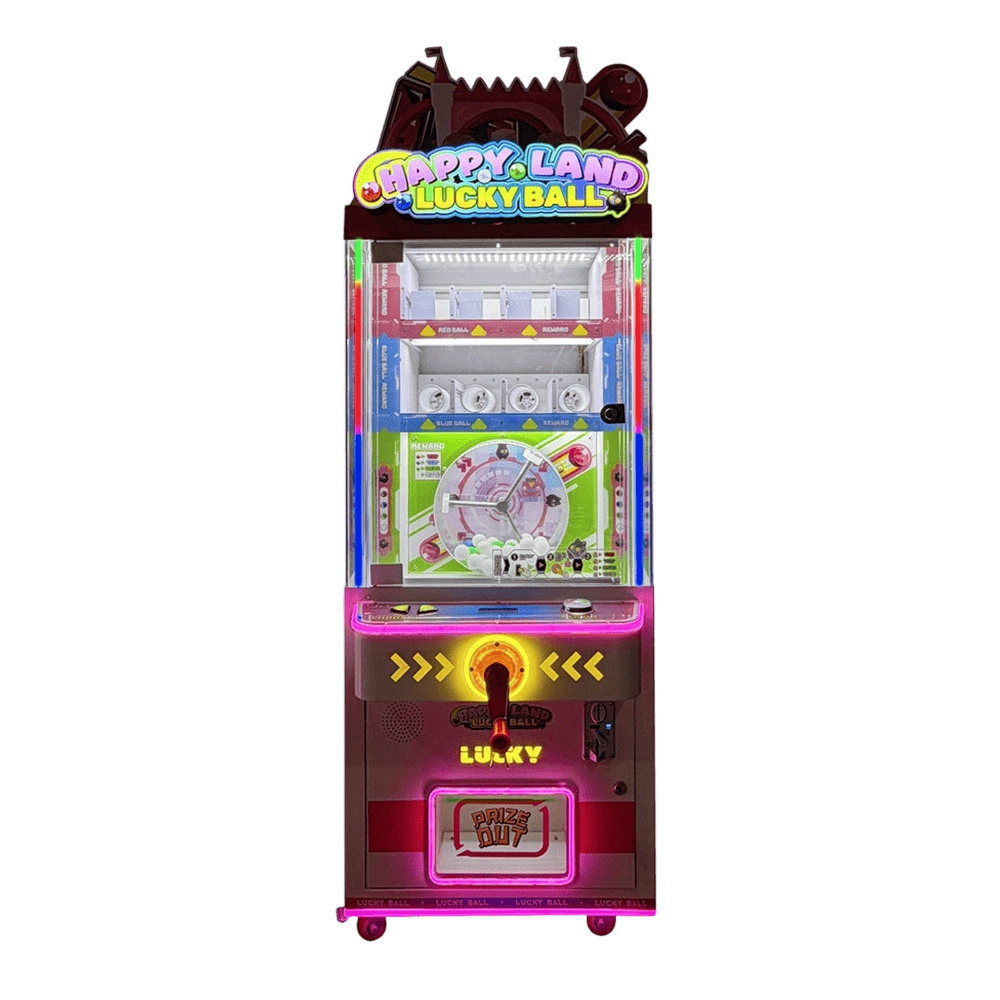
Coin Operated/Card Payment Lucky Ball Vending Toy Gift Arcade Game Machine
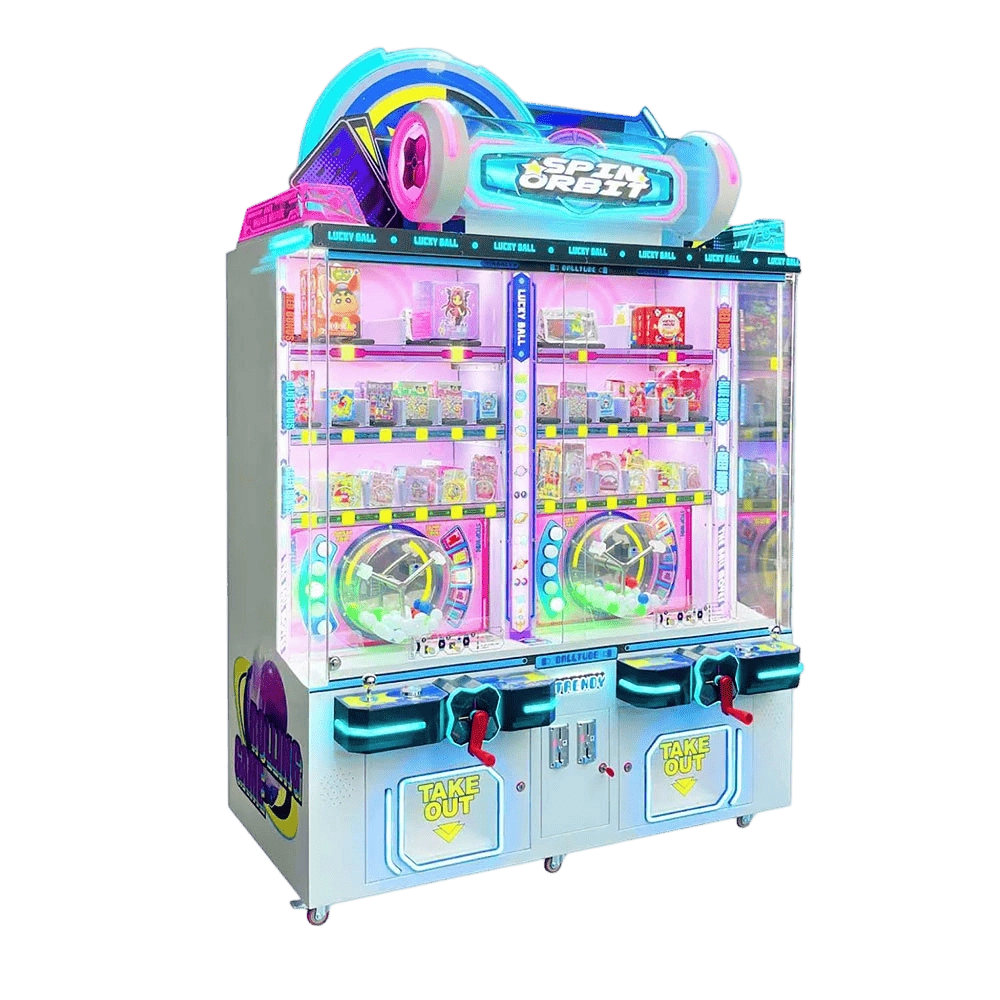
Coin Operated/Card Payment 2 Players SPIN ORBIT Lucky Prize Arcade Game
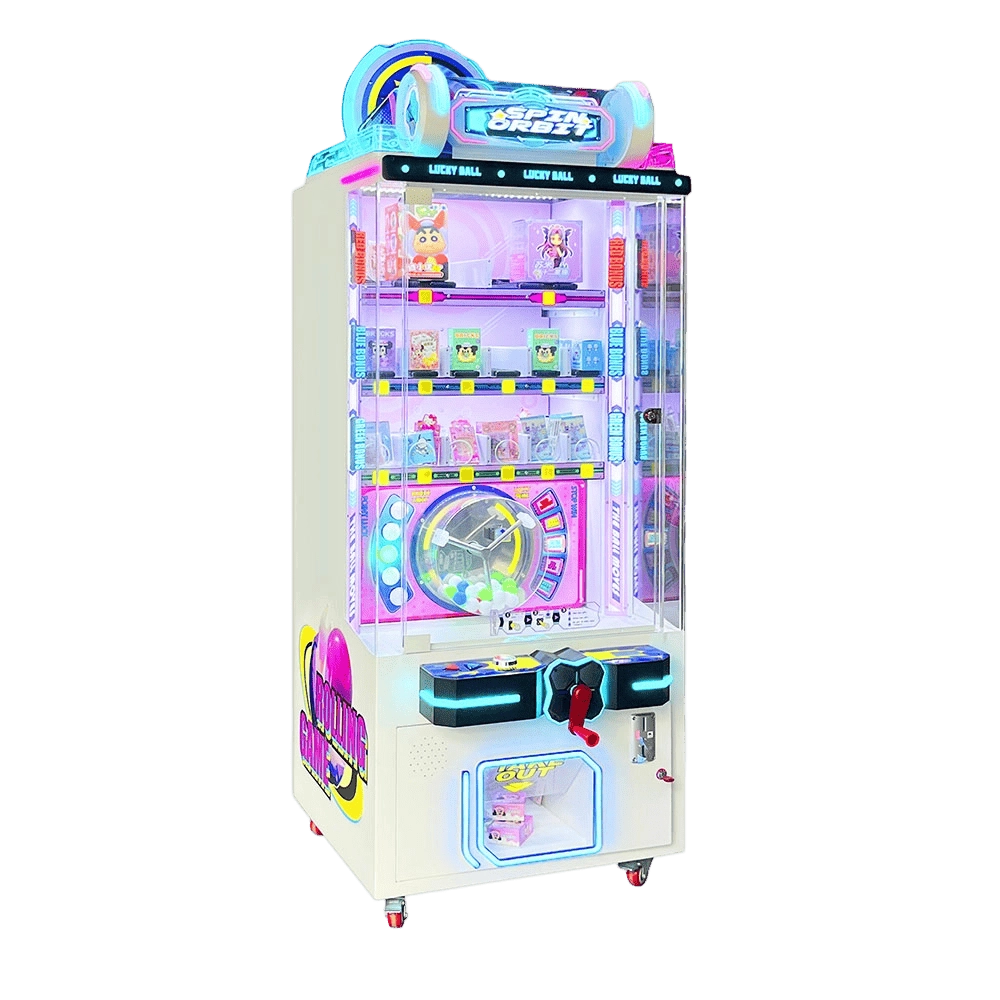
Coin Operated/Card Payment SPIN ORBIT Lucky Prize Arcade Game
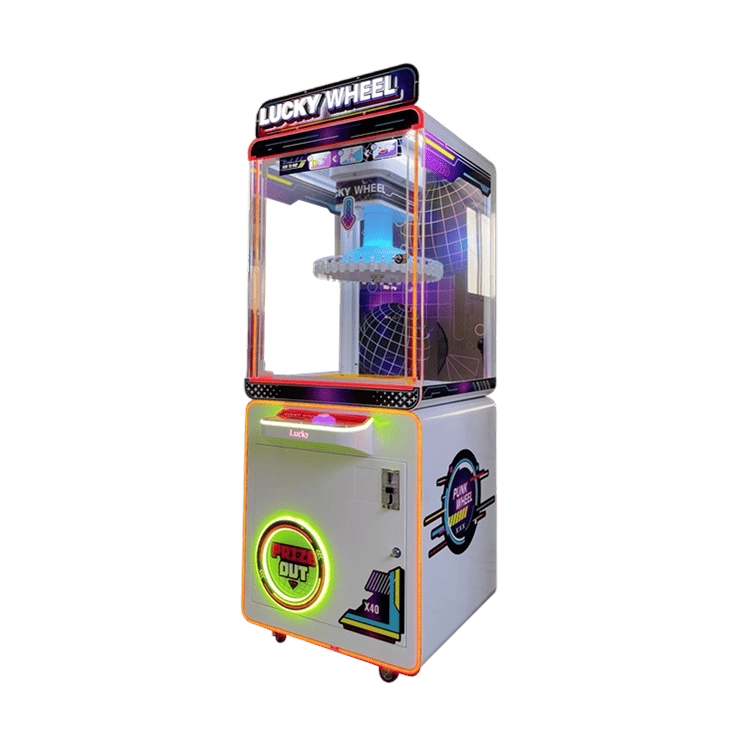
Arcade Prize Lucky Wheel Gift Machine For Amusement Areas
Get in Touch with Jiami Games
If you have any comments or good suggestions, please leave us a message; later our professional staff will contact you as soon as possible.

Innovative Entertainment, at Your Fingertips
Learn about Jiami Games and explore our expertise in console development, innovative design, and global markets.
Quick Links:
© 2026 Jiami Games.
Whatsapp: +8618520390438