






How Much Space Do Coin-Operated Pinball Machines Require?
Social Media:
- 1. What Are the Standard Dimensions of a Coin-Operated Pinball Machine?
- 2. How Much Space Should Be Allocated Around a Coin-Operated Pinball Machine?
- 3. What Are the Maintenance Requirements for Coin-Operated Pinball Machines?
- 4. How Do I Ensure a Coin-Operated Pinball Machine Is in Good Working Condition Before Purchase?
- 5. What Are the Typical Costs Associated with Purchasing a Coin-Operated Pinball Machine?
- 6. Are There Any Legal or Compliance Considerations When Purchasing a Coin-Operated Pinball Machine?
1. What Are the Standard Dimensions of a Coin-Operated Pinball Machine?
Understanding the size of a coin-operated pinball machine is crucial for ensuring it fits comfortably in your designated space. Standard machines typically measure between 27 to 29 inches in width, 51 to 56 inches in depth, and 75 to 78 inches in height. They usually weigh between 250 to 325 pounds.
2. How Much Space Should Be Allocated Around a Coin-Operated Pinball Machine?
Proper spacing around your pinball machine enhances gameplay and facilitates maintenance. It's recommended to leave:
Front Clearance: At least 36 inches (91 cm) to allow players ample room to maneuver and interact with the machine.
Side Clearance: 12 to 18 inches (30 to 46 cm) on each side to prevent the machine from being pushed against walls, allowing for easy viewing and maintenance access.
Rear Clearance: 6 to 12 inches (15 to 30 cm) behind the machine to ensure access to the power plug and facilitate repairs.
3. What Are the Maintenance Requirements for Coin-Operated Pinball Machines?
Regular maintenance is essential to keep your pinball machine in optimal condition. Key maintenance tasks include:
Cleaning: Regularly clean the playfield, ramps, and other components to ensure smooth gameplay.
Mechanical Inspection: Conduct monthly checks on mechanical parts like flippers, bumpers, and solenoids to identify and address any issues promptly.
Calibration: Perform quarterly calibrations to ensure the machine operates correctly and provides a fair gaming experience.
In high-traffic venues, consider replacing bumpers every six months and rebuilding solenoids annually to maintain optimal performance.
4. How Do I Ensure a Coin-Operated Pinball Machine Is in Good Working Condition Before Purchase?
Before purchasing a used pinball machine, it's important to assess its condition thoroughly. Key areas to inspect include:
Playfield: Check for wear, scratches, or water damage. Ensure all targets, bumpers, and ramps are functioning correctly.
Mechanical and Electrical Components: Verify that flippers, bumpers, and solenoids operate smoothly. Test all lights, sound systems, and electronic displays to confirm they are in working order.
Cabinet: Inspect for structural integrity, looking for cracks or loose parts. Assess the condition of the artwork for any fading or peeling.
Asking the seller about the machine's maintenance history and any repairs can provide additional insights into its condition.
5. What Are the Typical Costs Associated with Purchasing a Coin-Operated Pinball Machine?
The cost of a coin-operated pinball machine varies based on factors such as age, rarity, and condition. Here's a general breakdown:
New Machines: Modern machines from manufacturers like Stern or Jersey Jack typically range from $4,000 to $15,000.
Used Machines: Prices for used machines can vary widely, with classic models ranging from $1,500 to $8,000, depending on their condition and rarity.
Maintenance Costs: Regular maintenance, including cleaning and part replacements, can add to the overall expense. High-traffic venues may incur additional costs for more frequent maintenance.
6. Are There Any Legal or Compliance Considerations When Purchasing a Coin-Operated Pinball Machine?
Yes, there are several legal and compliance factors to consider:
UL Listing: Ensure the machine has a UL 2710 (Amusement Machines) listing, confirming it meets safety standards.
State Regulations: Some states require additional licensing for coin-operated machines. For example, California mandates Amusement Device Registration, and Texas requires a Coin-Operated Machine Permit. Failure to comply can result in fines up to $500 per unregistered unit per day.
ADA Accessibility: Venues open to the public must ensure at least one accessible game per category, such as one wheelchair-height cabinet per ten units.
It's advisable to consult local regulations and possibly seek legal counsel to ensure full compliance.
For personalized assistance or to explore our range of coin-operated pinball machines, please contact us at sales@jiamigame.com.
You May Also Like
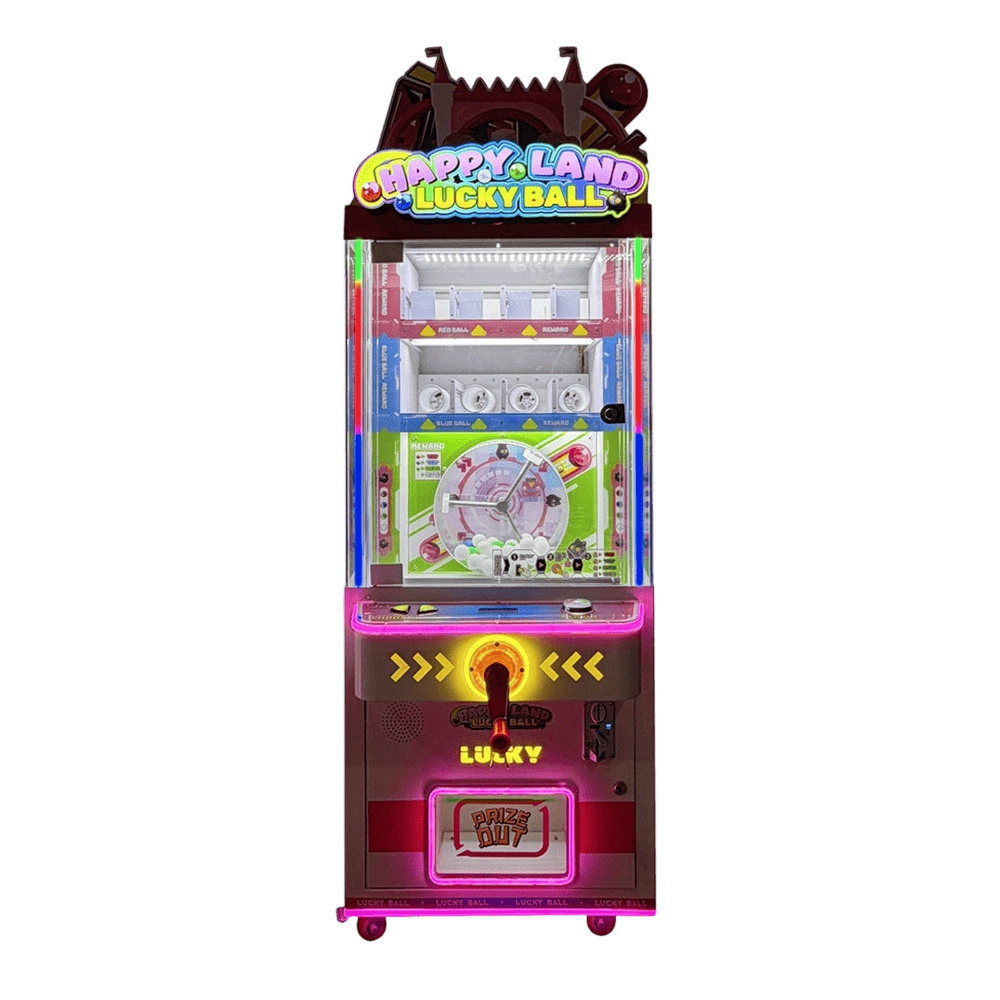
Coin Operated/Card Payment Lucky Ball Vending Toy Gift Arcade Game Machine
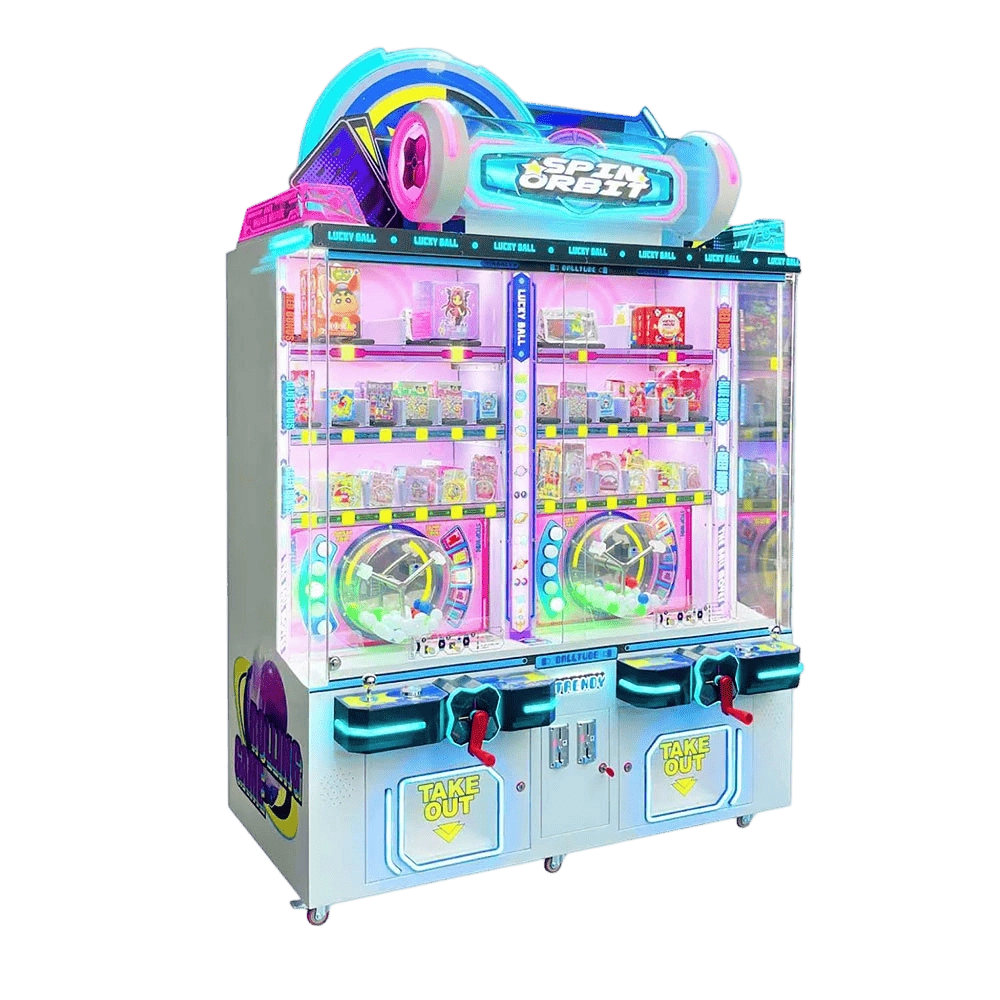
Coin Operated/Card Payment 2 Players SPIN ORBIT Lucky Prize Arcade Game
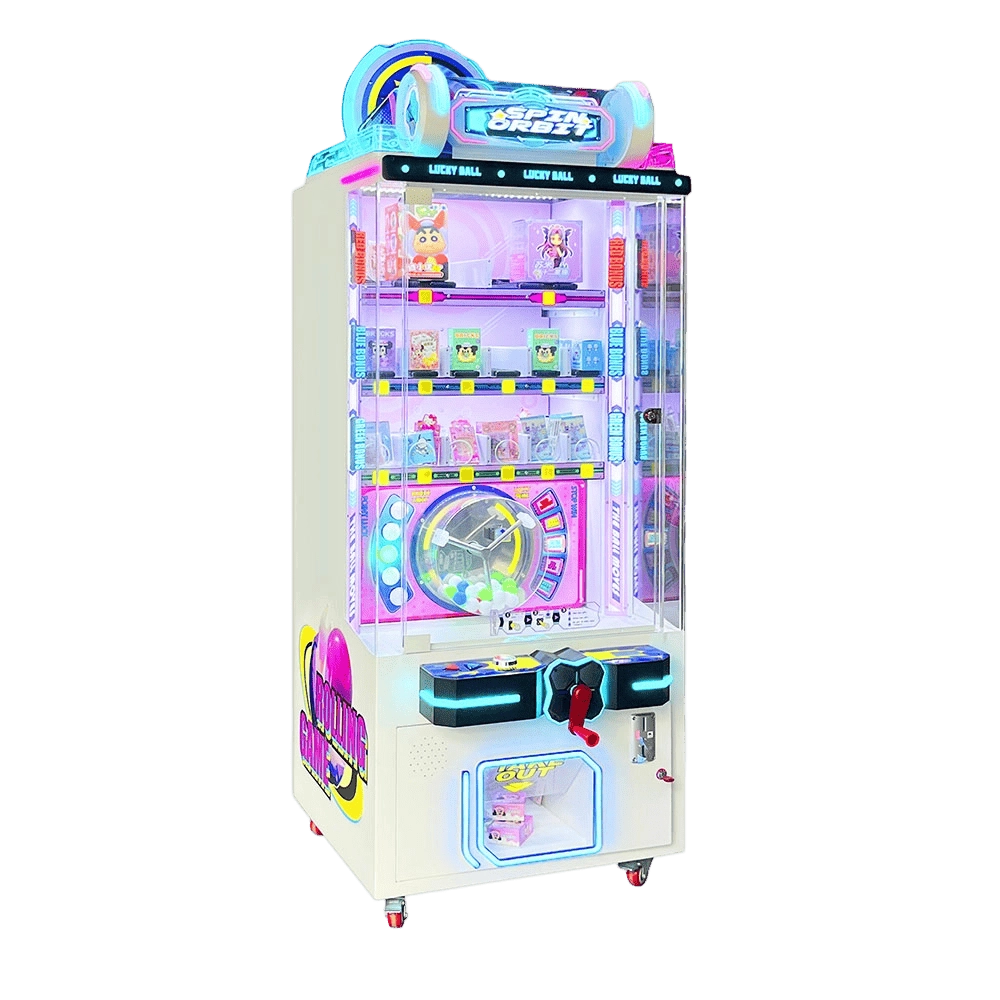
Coin Operated/Card Payment SPIN ORBIT Lucky Prize Arcade Game
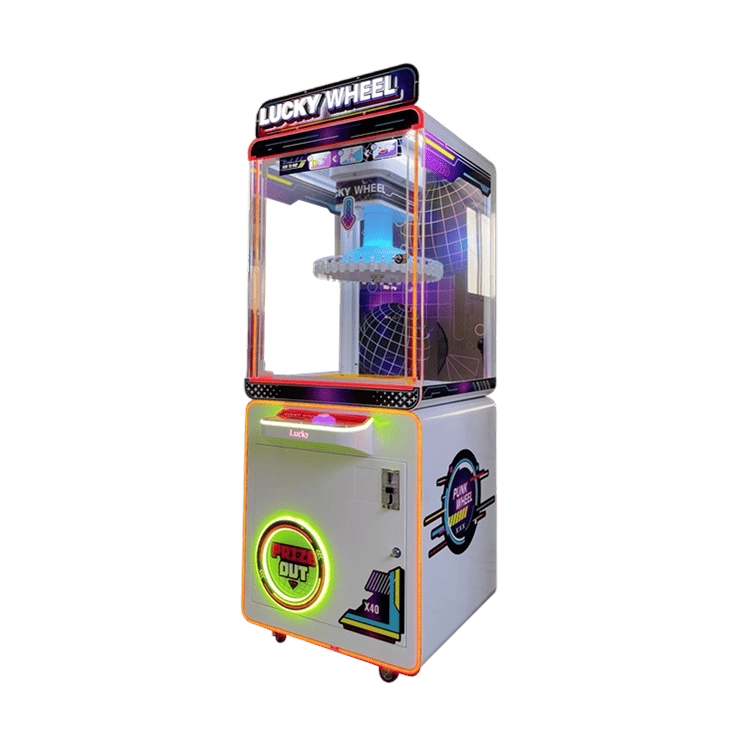
Arcade Prize Lucky Wheel Gift Machine For Amusement Areas
Get in Touch with Jiami Games
If you have any comments or good suggestions, please leave us a message; later our professional staff will contact you as soon as possible.

Innovative Entertainment, at Your Fingertips
Learn about Jiami Games and explore our expertise in console development, innovative design, and global markets.
Quick Links:
© 2026 Jiami Games.
Whatsapp: +8618520390438