







How to set profitable pricing and payout settings for coin drops?
Social Media:
- 1. What are the key factors influencing the pricing of coin drop game machines?
- 2. How do I determine the optimal payout settings for a coin drop game machine?
- 3. What maintenance practices are essential for ensuring the longevity of coin drop game machines?
- 4. How can I effectively manage the prize inventory in a coin drop game machine?
- 5. What are the legal and regulatory considerations when operating a coin drop game machine?
- 6. How do I assess the profitability of a coin drop game machine before purchasing?
1. What are the key factors influencing the pricing of coin drop game machines?
The cost of coin drop game machines varies based on several factors:
Model Type: Basic mechanical models start around $900, while advanced digital systems with networking and analytics can reach $3,500.
Features and Technology: Machines with LED lights, sound systems, and digital interfaces typically fall within the $700–$1,200 range.
Brand Reputation: Established brands may command higher prices due to perceived reliability and quality.
Condition: New machines are generally more expensive than used ones, but they come with warranties and the latest features.
Bulk Purchases: Buying multiple units can lead to discounts of 10%–15% from distributors.
Understanding these factors can help you assess the value and make an informed purchasing decision.
2. How do I determine the optimal payout settings for a coin drop game machine?
Setting the right payout rate is crucial for balancing profitability and player engagement:
Industry Standards: Top-performing models maintain a 12–18% theoretical payout rate while sustaining an average cycle time under 4.5 seconds.
Adjustable Settings: Many machines allow operators to adjust payout settings to achieve desired payout rates.
Regulatory Compliance: Ensure that payout settings comply with local gaming regulations, which may require specific payout percentages.
Regular monitoring and adjustments based on player behavior and revenue goals are essential for maintaining optimal payout settings.
3. What maintenance practices are essential for ensuring the longevity of coin drop game machines?
Regular maintenance is vital to keep machines in optimal working condition:
Routine Inspections: Perform full inspections every 3–6 months, including motor endurance testing, circuit calibration, and safety checks.
Firmware Updates: Keep the machine's firmware updated to ensure it operates efficiently and securely.
Component Checks: Regularly inspect components like coin mechanisms, sensors, and payout systems for wear and tear.
Cleaning: Keep the machine clean to prevent dust and debris from affecting performance.
Implementing a proactive maintenance schedule can extend the machine's lifespan and reduce downtime.
4. How can I effectively manage the prize inventory in a coin drop game machine?
Efficient prize management enhances player satisfaction and operational efficiency:
Inventory Tracking: Use inventory management systems to monitor prize levels and plan restocking.
Prize Selection: Offer a mix of high and low-value prizes to cater to different player preferences.
Quality Control: Regularly inspect prizes for damage and replace as needed to maintain quality.
Themed Prizes: Incorporate popular themes to attract a broader audience.
Effective prize management can boost player engagement and repeat visits.
5. What are the legal and regulatory considerations when operating a coin drop game machine?
Compliance with legal standards is crucial:
Licensing: Obtain the necessary licenses and permits required by local authorities.
Payout Regulations: Adhere to mandated payout percentages and reporting requirements.
Age Restrictions: Implement age verification measures to comply with local laws.
Safety Standards: Ensure the machine meets all safety and accessibility standards.
Staying informed about and compliant with regulations helps avoid legal issues and ensures a safe environment for players.
6. How do I assess the profitability of a coin drop game machine before purchasing?
Evaluating potential profitability involves:
Revenue Projections: Estimate daily and monthly earnings based on expected play frequency and average spend per play.
Cost Analysis: Consider initial purchase cost, maintenance expenses, and prize replenishment costs.
Location Assessment: Analyze foot traffic and target demographics to gauge potential player volume.
Competitive Analysis: Research similar machines in the area to understand market saturation and potential earnings.
Conducting a thorough profitability assessment can guide your investment decision and set realistic revenue expectations.
In conclusion, understanding the intricacies of coin drop game machines—from pricing and payout settings to maintenance and legal considerations—is essential for making informed purchasing decisions. By addressing these key areas, you can enhance player engagement, ensure operational efficiency, and maximize profitability.
For personalized advice and a detailed quote, please contact us at sales@jiamigame.com or visit our website at www.jiamigames.com.
You May Also Like
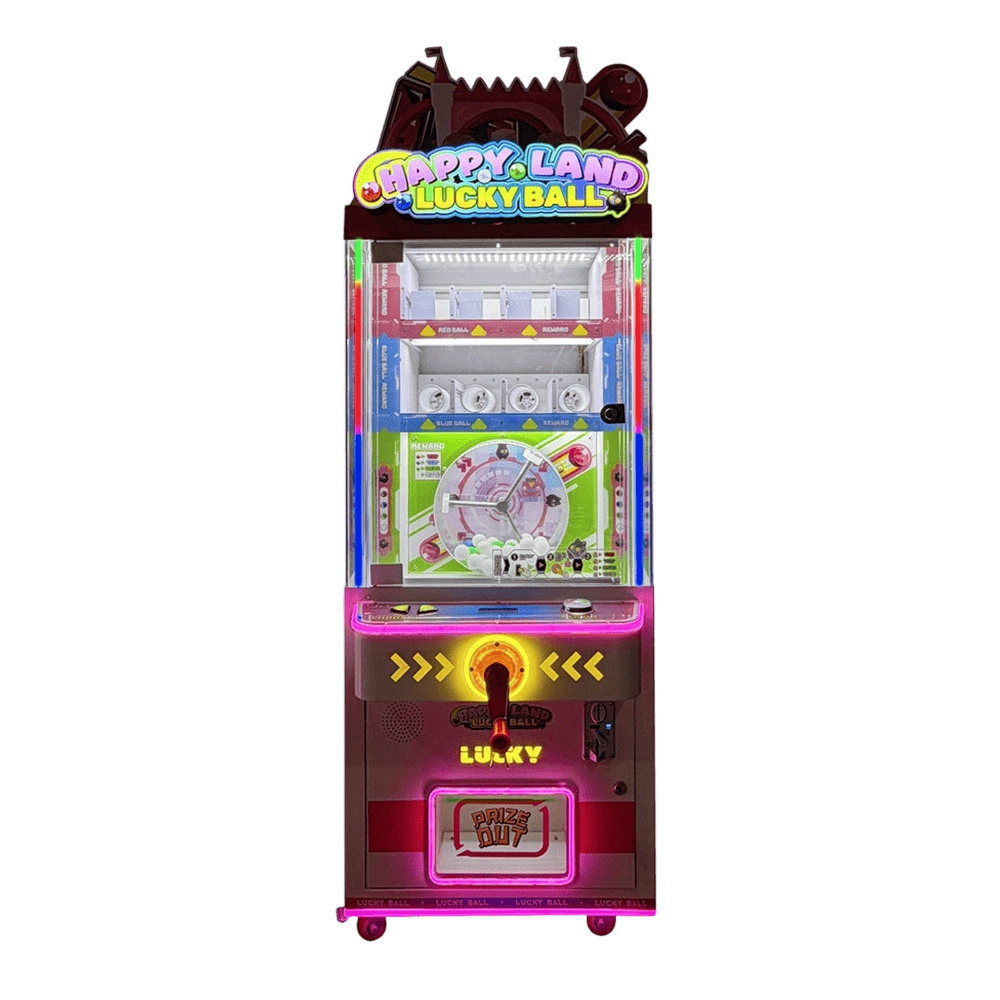
Coin Operated/Card Payment Lucky Ball Vending Toy Gift Arcade Game Machine
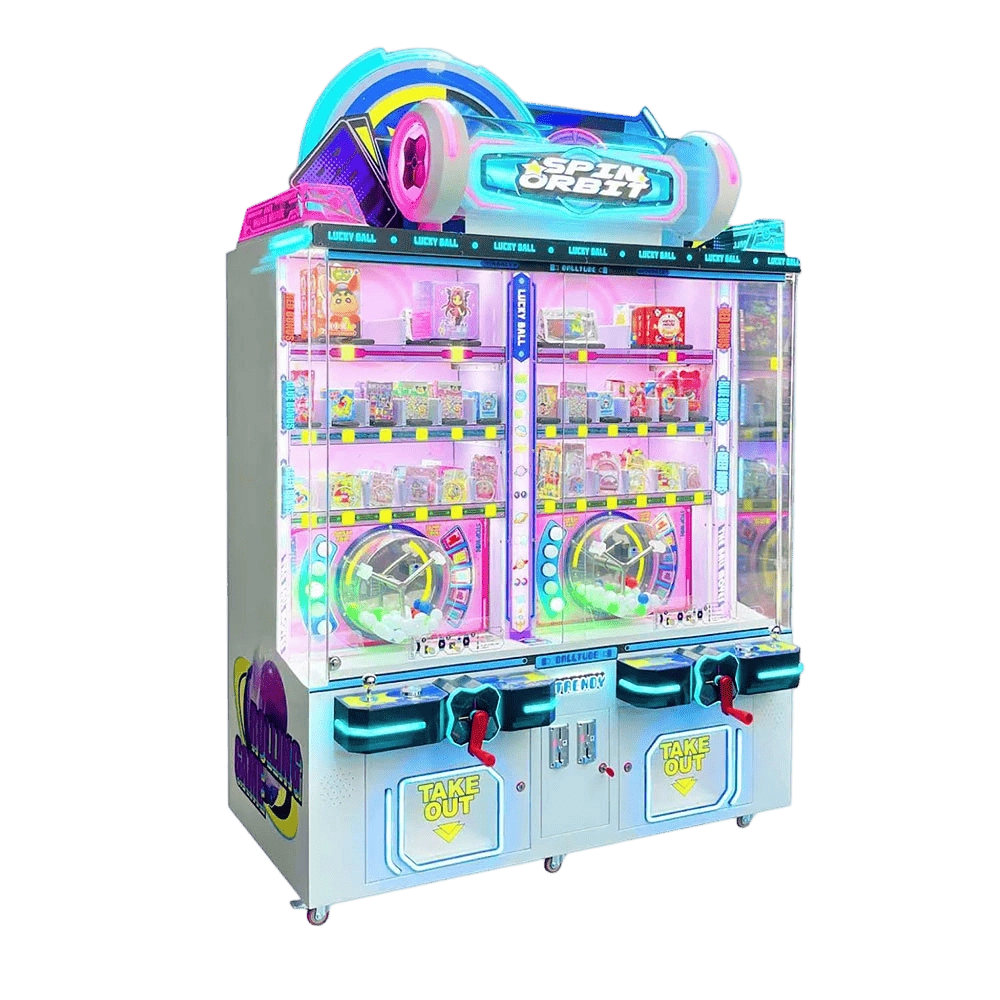
Coin Operated/Card Payment 2 Players SPIN ORBIT Lucky Prize Arcade Game
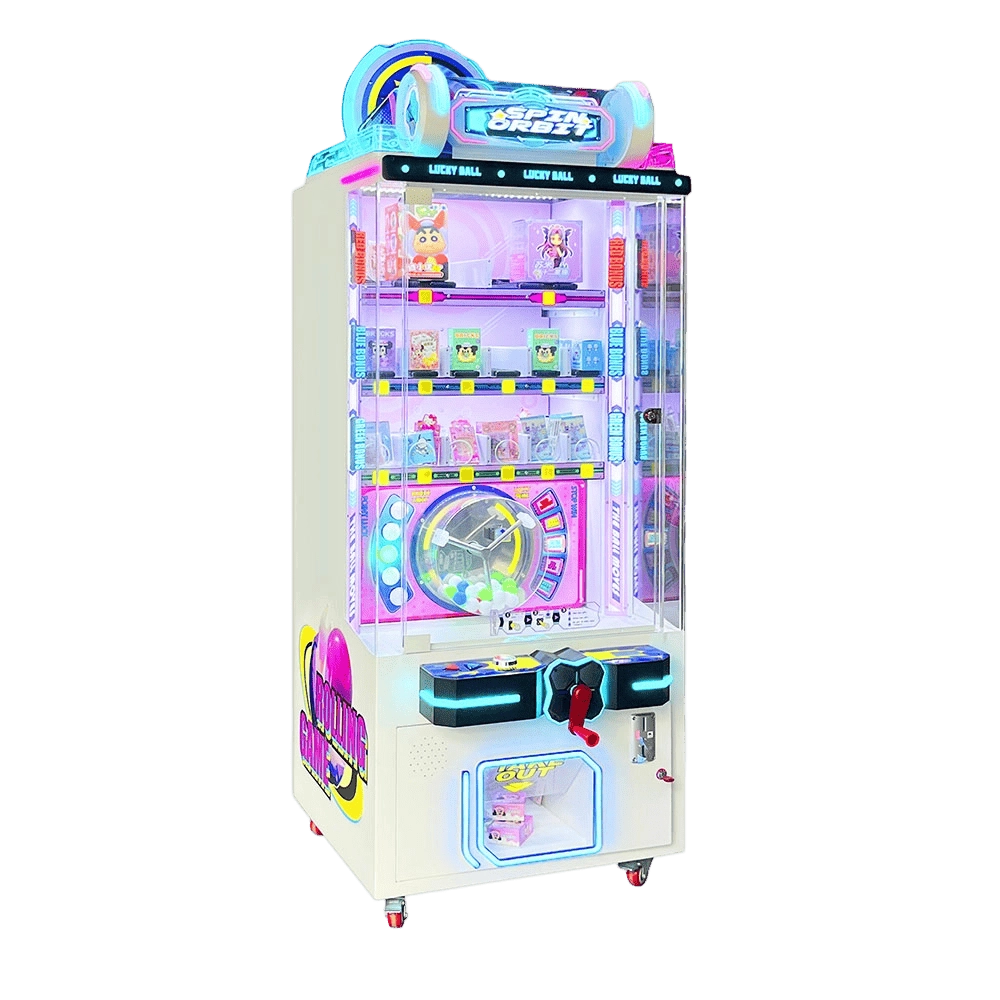
Coin Operated/Card Payment SPIN ORBIT Lucky Prize Arcade Game
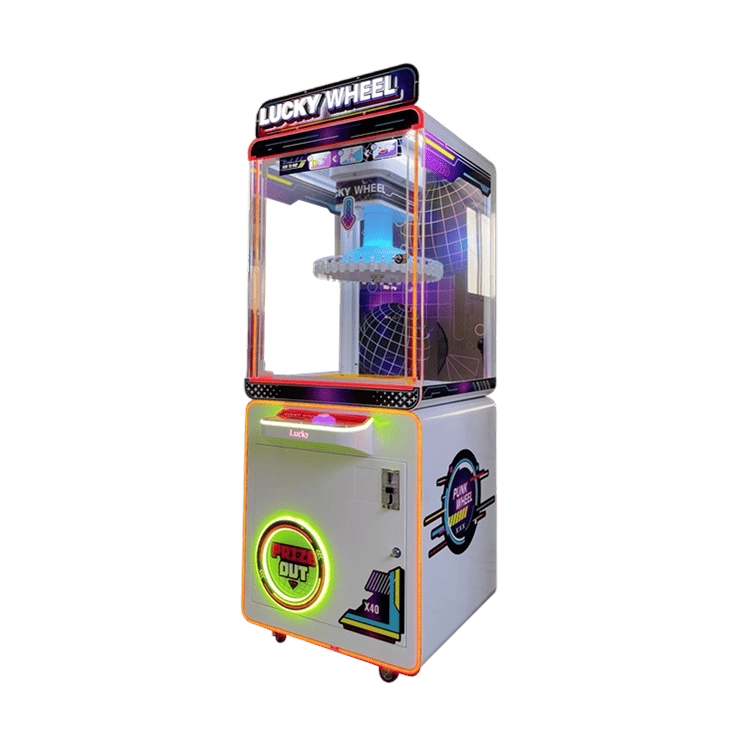
Arcade Prize Lucky Wheel Gift Machine For Amusement Areas
Get in Touch with Jiami Games
If you have any comments or good suggestions, please leave us a message; later our professional staff will contact you as soon as possible.

Innovative Entertainment, at Your Fingertips
Learn about Jiami Games and explore our expertise in console development, innovative design, and global markets.
Quick Links:
© 2026 Jiami Games.
Whatsapp: +8618520390438