






What safety and compliance standards apply to coin drop machines?
Social Media:
When considering the acquisition of a coin drop game machine, it's crucial to address specific questions that often lack comprehensive answers online. Below are six detailed inquiries, accompanied by in-depth responses, to guide your decision-making process.
1. What are the specific safety features required in coin drop game machines to prevent coin jams and ensure smooth operation?
Coin jams can disrupt gameplay and lead to maintenance issues. To mitigate this, coin drop game machines should incorporate:
Diverter Mechanisms: These systems direct coins to the hopper or drop box when the hopper is full, preventing overflow and jams.
Hopper Full Detectors: Sensors that monitor coin levels and activate the diverter mechanism as needed.
Regular Maintenance Protocols: Scheduled inspections and cleaning routines to ensure all components function correctly.
2. How do coin drop game machines comply with federal and state regulations regarding coin collection and security?
Compliance with regulations is essential to operate legally and securely:
Federal Standards: The Electronic Code of Federal Regulations (e-CFR) outlines minimum internal control standards for gaming machines, including coin drop procedures. For instance, 25 CFR § 542.13 specifies that gaming machine accounting and auditing procedures must be performed by employees independent of the transactions being reviewed.
State Regulations: States may have additional requirements. For example, Nevada's Technical Standards for Gaming Devices mandate that machines have meters labeled "Coin Drop" to accumulate the total value of coins or tokens diverted to the drop.
3. What are the best practices for maintaining coin drop game machines to ensure longevity and consistent performance?
Proper maintenance extends the lifespan and reliability of coin drop game machines:
Regular Cleaning: Remove dust and debris from coin pathways and internal components.
Lubrication: Apply appropriate lubricants to moving parts to reduce friction and wear.
Component Inspection: Check for signs of wear or damage, especially in coin acceptors and diverter mechanisms.
Software Updates: Ensure firmware is up-to-date to maintain optimal functionality.
4. How can operators monitor and manage coin drop game machine performance remotely?
Advancements in technology allow for remote monitoring:
Telematics Systems: Some modern machines come equipped with onboard telematics that provide real-time data on coin levels, pusher motor temperature, and playfield tilt calibration. Alerts can be sent directly to service dispatch software or via SMS, facilitating prompt maintenance.
Cloud Connectivity: Machines with cloud integration enable operators to access performance metrics and diagnostics remotely, aiding in proactive maintenance and operational decisions.
5. What are the key factors influencing the total cost of ownership for coin drop game machines?
Understanding the total cost of ownership (TCO) is vital for financial planning:
Initial Purchase Price: Varies based on features and technology, with basic models starting around $900 and advanced units reaching up to $3,500.
Maintenance Costs: Regular upkeep, including cleaning, lubrication, and part replacements.
Operational Expenses: Costs associated with coin replenishment, electricity, and staffing.
Downtime: Periods when the machine is out of service due to maintenance or technical issues, affecting revenue.
6. How do coin drop game machines integrate with modern payment systems and adapt to evolving consumer preferences?
Adapting to modern payment trends enhances user experience and revenue:
Payment Compatibility: Machines that accept standardized coins, tokens, and NFC-enabled smart tokens ensure compatibility with various payment methods.
Skill-Based Features: Incorporating elements that require player skill can attract a broader audience and differentiate the machine in the market.
Data Analytics: Utilizing data collection to understand player behavior and preferences, allowing for targeted marketing and operational adjustments.
In conclusion, selecting a coin drop game machine involves careful consideration of safety features, regulatory compliance, maintenance practices, performance monitoring, total cost of ownership, and adaptability to modern payment systems. By addressing these factors, operators can ensure a profitable and sustainable addition to their entertainment offerings.
For a personalized quote or further information, please contact us at sales@jiamigame.com or visit our website at www.jiamigames.com.
You May Also Like
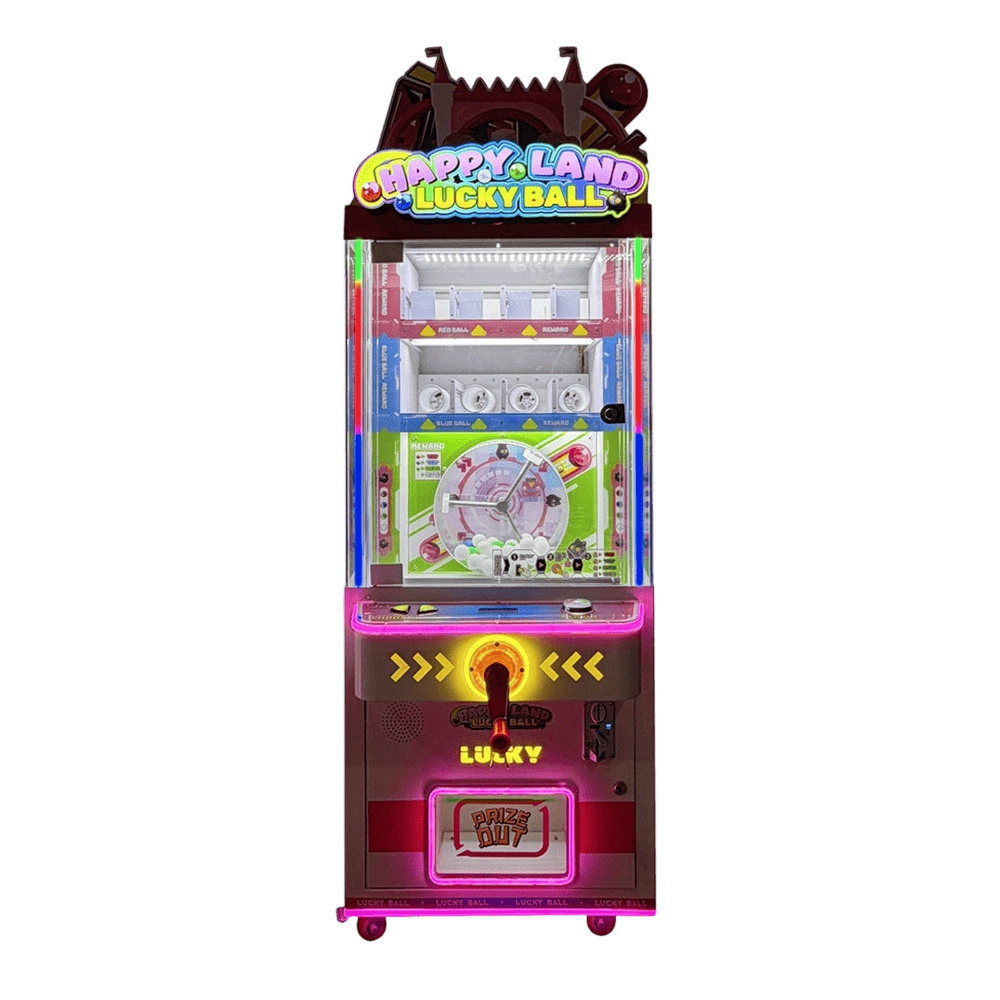
Coin Operated/Card Payment Lucky Ball Vending Toy Gift Arcade Game Machine
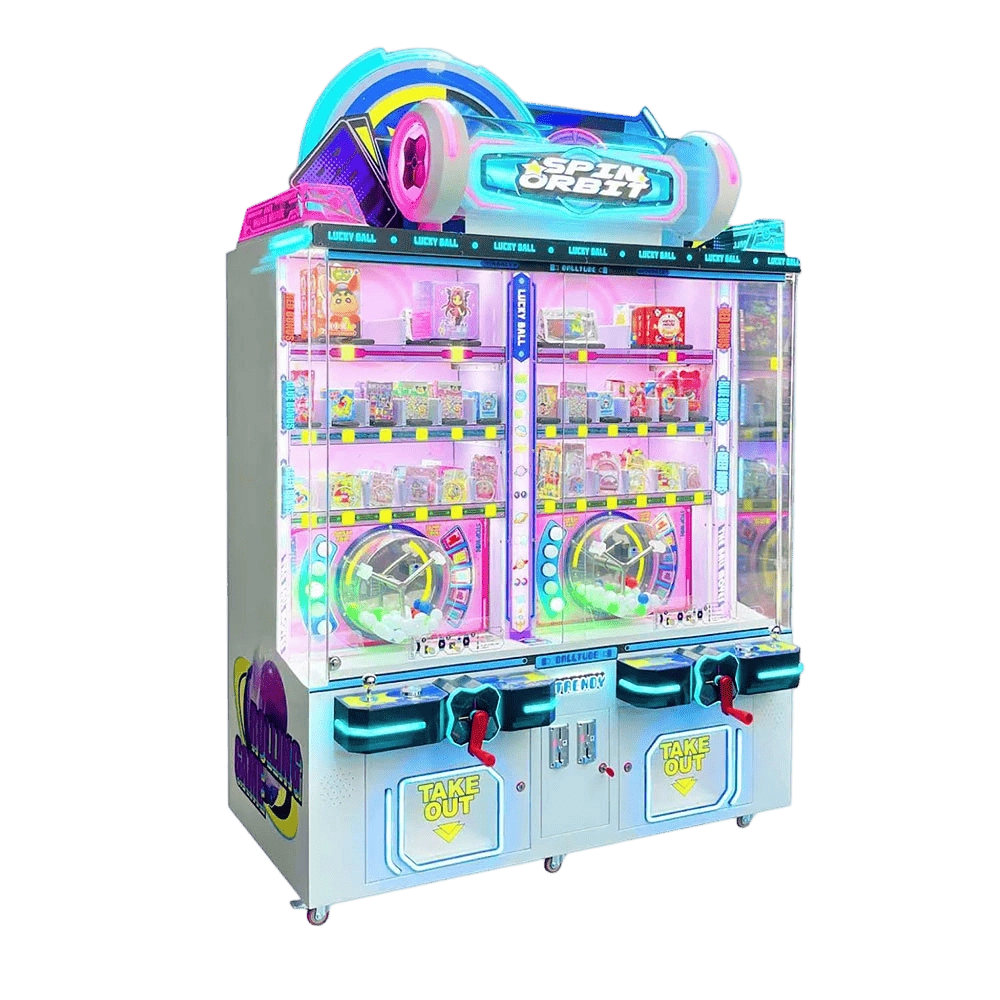
Coin Operated/Card Payment 2 Players SPIN ORBIT Lucky Prize Arcade Game
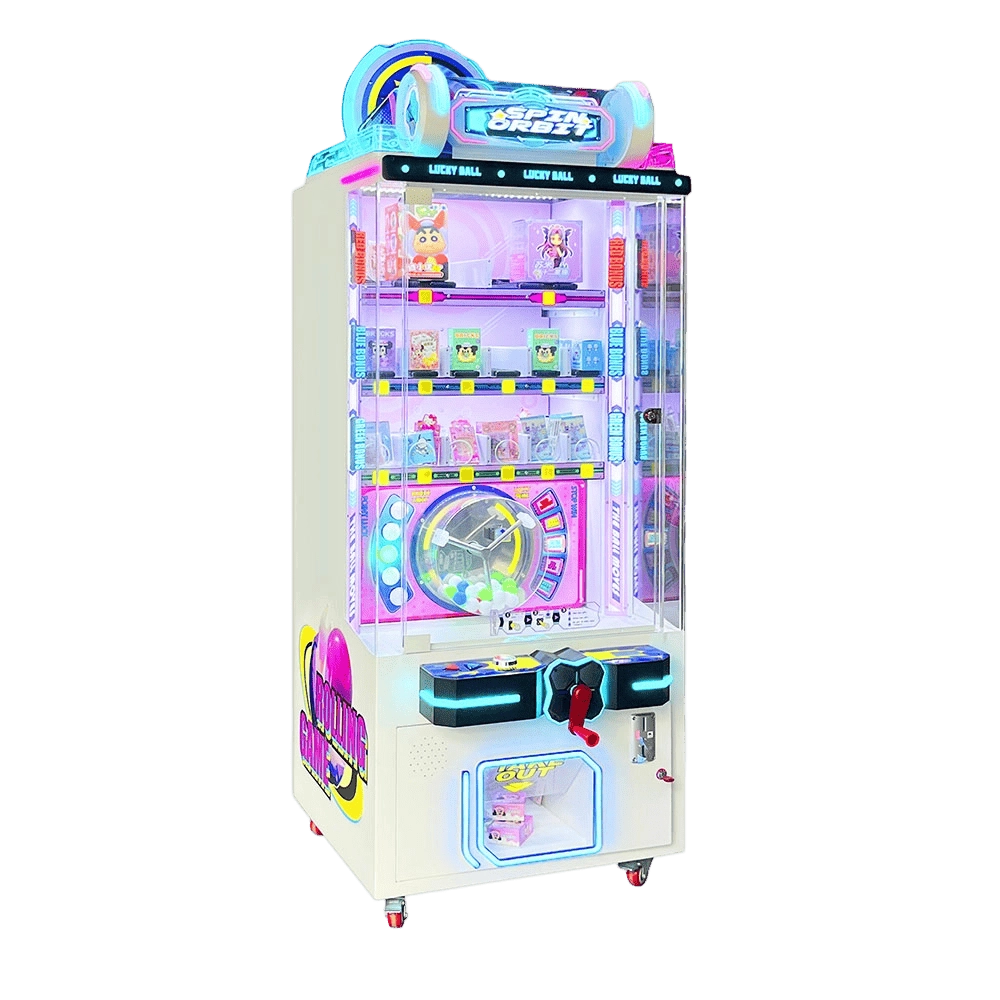
Coin Operated/Card Payment SPIN ORBIT Lucky Prize Arcade Game
Arcade Prize Lucky Wheel Gift Machine For Amusement Areas
Get in Touch with Jiami Games
If you have any comments or good suggestions, please leave us a message; later our professional staff will contact you as soon as possible.

Innovative Entertainment, at Your Fingertips
Learn about Jiami Games and explore our expertise in console development, innovative design, and global markets.
Quick Links:
© 2026 Jiami Games.
Whatsapp: +8618520390438