







How do coin pusher mechanisms in coin arcade games work?
Social Media:
- 1. How do coin pusher mechanisms in coin arcade games work?
- 2. What are the key components of a coin pusher arcade machine?
- 3. What are the common maintenance issues in coin arcade games?
- 4. How can operators maximize profitability with coin arcade games?
- 5. What are the differences between open and closed-loop coin pusher machines?
- 6. How do coin pusher machines handle coin accumulation and payout?
1. How do coin pusher mechanisms in coin arcade games work?
Coin pusher machines are a staple in arcades, captivating players with their simple yet engaging gameplay. At the heart of these machines is a moving playfield, typically made of durable materials like acrylic or tempered glass, which is slightly inclined to facilitate coin movement. Players insert coins into a chute, and the moving platform, often driven by a high-torque motor, shifts back and forth, pushing coins toward the edge. As coins accumulate, they can trigger chain reactions, dislodging additional coins or prizes into the payout slot.
2. What are the key components of a coin pusher arcade machine?
Understanding the essential components of a coin pusher machine is crucial for both players and operators:
Coin Drop Slot: Guides coins to a controlled drop point above the playfield.
Playfield/Upper Deck: The initial surface where coins land and are subject to gravity and vibrations.
Pusher Plate(s): Motor-driven plates that move back and forth (or oscillate), nudging coins forward.
Backstop/Wall: Keeps coins on the playfield and transfers momentum to push coins forward.
Edge Chutes: Where coins that fall off the main ledge are collected and routed to a payout hopper or prize tray.
Prize Pockets or Ticket Dispensers: Convert falling coins into rewards—tickets, prizes, or prizes via exchange.
Drive System: Motors, cams, belts, or gears that convert rotational power into the linear push motion.
Control Electronics: Manage timing, lights, sounds, acceptor validation, and payout logic.
Safety Features: Guards, sensors, and limit switches to prevent jams and protect players/maintenance staff.
3. What are the common maintenance issues in coin arcade games?
Regular maintenance is vital to ensure the longevity and optimal performance of coin arcade games. Common issues include:
Coin Mechanism Failures: Jamming, rejection of valid coins, or failure to register credits, often due to dirt accumulation, worn parts, or misalignment.
Pusher Arm Malfunctions: Inconsistent movement or failure to push coins effectively, which can result from mechanical wear or misalignment.
Electrical Failures: Issues with wiring, sensors, or control boards that can disrupt gameplay or payout functions.
Coin Path Obstructions: Debris or misaligned components that cause coins to get stuck, leading to jams and potential damage.
4. How can operators maximize profitability with coin arcade games?
To enhance profitability, operators should consider the following strategies:
Regular Maintenance: Ensure all components are functioning correctly to provide a seamless player experience.
Strategic Placement: Position machines in high-traffic areas to attract more players.
Prize Selection: Offer a mix of appealing prizes to entice players, balancing cost and attractiveness.
Game Variations: Incorporate different game types or themes to cater to a broader audience.
Monitor Performance: Regularly review machine performance data to identify and address underperforming units.
5. What are the differences between open and closed-loop coin pusher machines?
Open-loop coin pusher machines allow players to insert coins directly into the playfield, with coins falling into a payout tray or prize area. Closed-loop systems, however, recycle coins back to the top of the machine, creating a continuous play cycle. Closed-loop systems can offer more control over coin flow and reduce maintenance related to coin collection.
6. How do coin pusher machines handle coin accumulation and payout?
As coins accumulate on the playfield, they can create cascading effects. When one coin falls, it can trigger a chain reaction, pushing others over the edge and into the player's collection tray. The design of the playfield, including its angle and surface texture, significantly influences coin movement and the likelihood of payouts.
In conclusion, understanding the mechanics, maintenance needs, and profitability strategies of coin arcade games, particularly coin pusher machines, is essential for operators aiming to make informed purchasing decisions and enhance player engagement. For a personalized quote or more information, please contact us at sales@jiamigames.com or visit our website at www.jiamigames.com.
You May Also Like
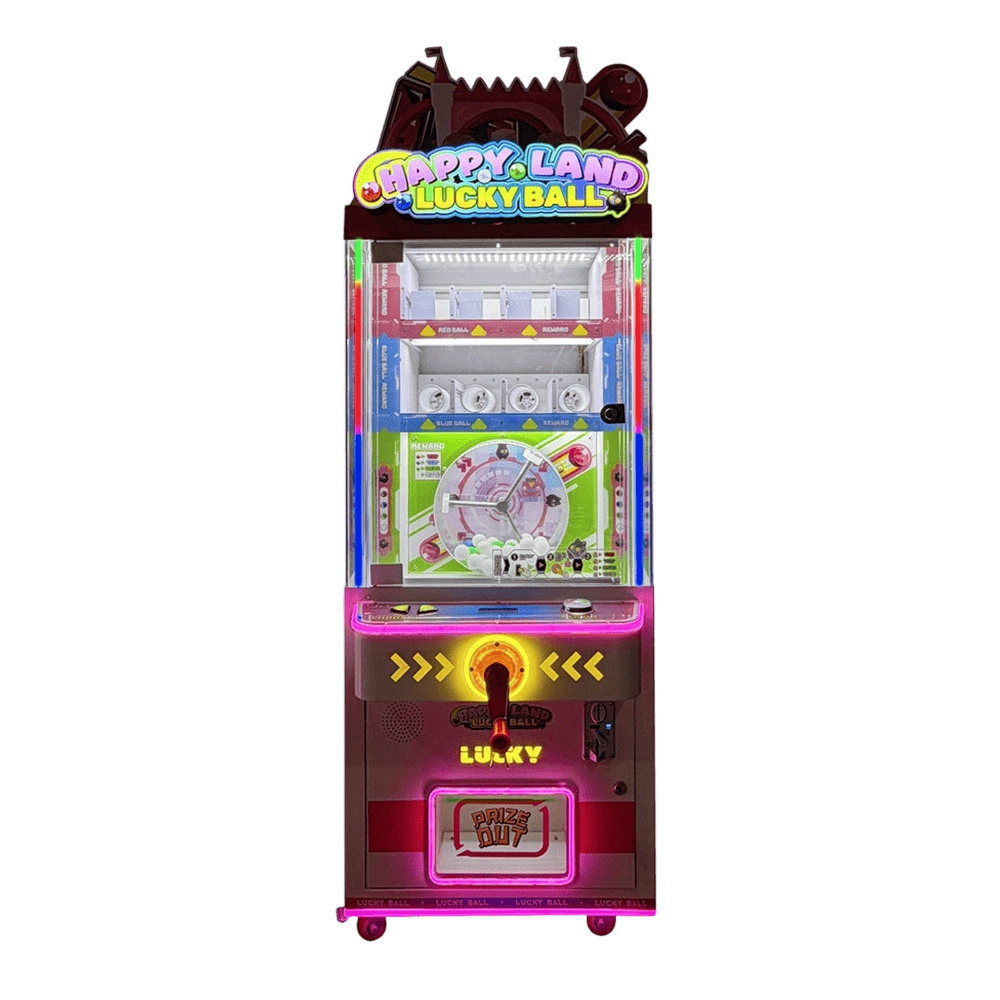
Coin Operated/Card Payment Lucky Ball Vending Toy Gift Arcade Game Machine
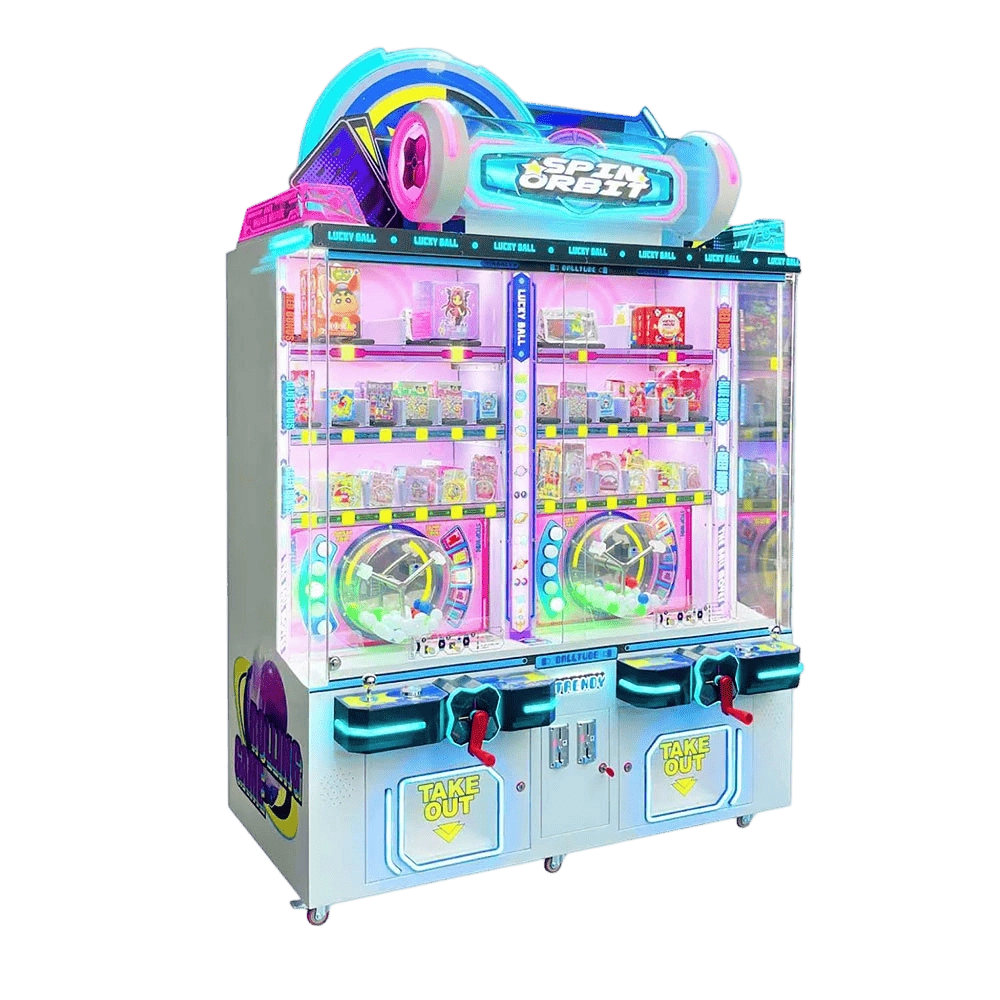
Coin Operated/Card Payment 2 Players SPIN ORBIT Lucky Prize Arcade Game
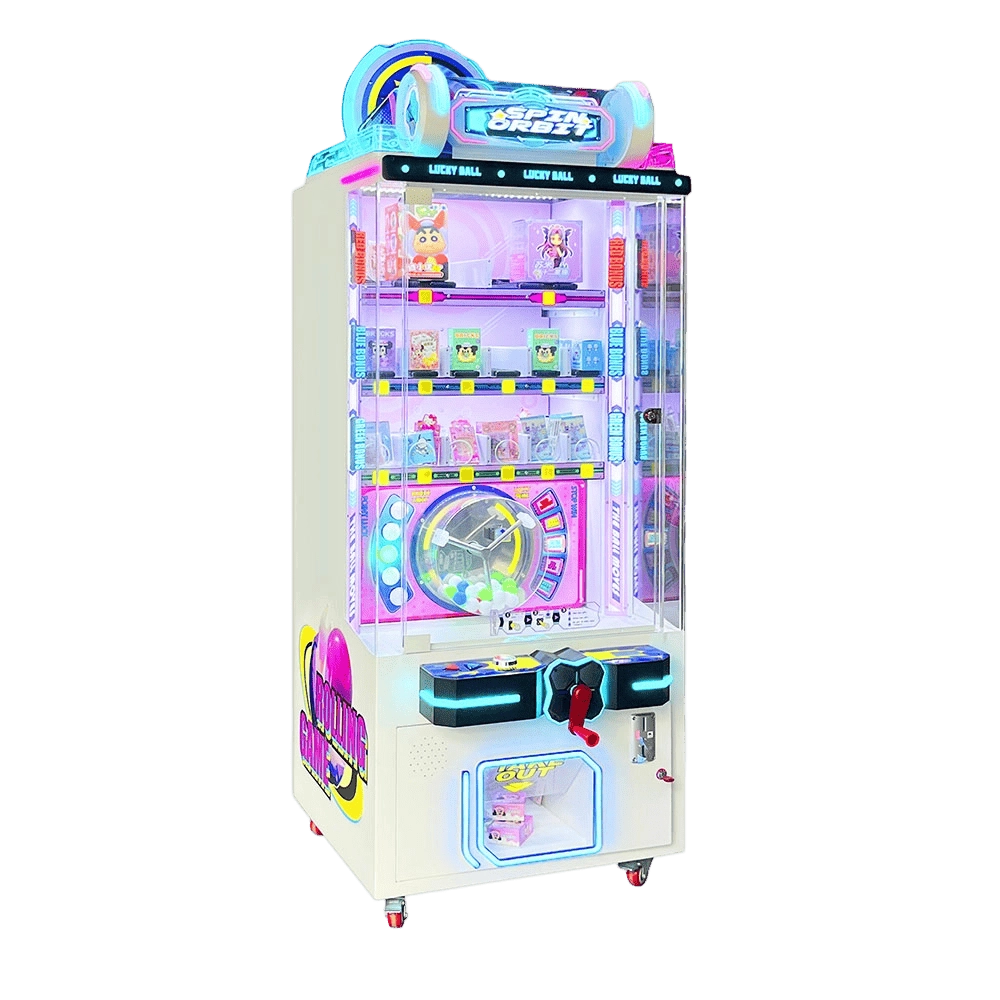
Coin Operated/Card Payment SPIN ORBIT Lucky Prize Arcade Game
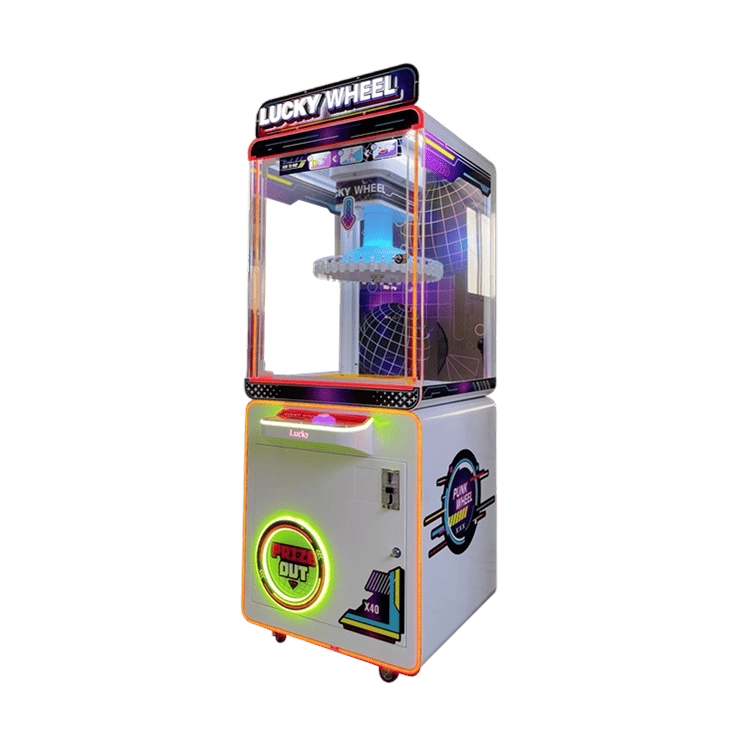
Arcade Prize Lucky Wheel Gift Machine For Amusement Areas
Get in Touch with Jiami Games
If you have any comments or good suggestions, please leave us a message; later our professional staff will contact you as soon as possible.

Innovative Entertainment, at Your Fingertips
Learn about Jiami Games and explore our expertise in console development, innovative design, and global markets.
Quick Links:
© 2026 Jiami Games.
Whatsapp: +8618520390438