






How to evaluate safety and compliance for claw arcade games?
Social Media:
- 1. How can I ensure that the claw machine I purchase complies with international safety standards?
- 2. What are the key mechanical safety features to look for in a claw machine?
- 3. How do I assess the electrical safety compliance of a claw machine?
- 4. What are the environmental compliance requirements for claw machines?
- 5. How can I verify the fairness and compliance of a claw machine's game mechanics?
- 6. What are the legal considerations for operating claw machines in different regions?
1. How can I ensure that the claw machine I purchase complies with international safety standards?
Ensuring that a claw machine complies with international safety standards involves several key steps:
Verify Certifications: Check for CE marking in the European Union, indicating compliance with the Low Voltage Directive (LVD) and EMC Directive. In the United States, look for UL (Underwriters Laboratories) certification, particularly UL 60950 for electrical safety.
Review Manufacturer Documentation: Request technical documentation from the manufacturer, including circuit diagrams and test reports, to confirm adherence to safety standards.
Conduct Independent Testing: Engage third-party testing services to evaluate the machine's compliance with relevant safety standards.
Assess Mechanical Safety: Ensure the machine has physical guarding of pinch points, smooth edges, and rounded corners to reduce injury risk.
Evaluate Electrical Safety: Confirm proper grounding, insulation resistance, and compliance with UL or CE requirements to avoid electrical hazards.
Check Environmental Compliance: Ensure the machine meets environmental standards, such as RoHS (Restriction of Hazardous Substances) compliance, to restrict materials like lead, mercury, and cadmium.
By following these steps, you can ensure that the claw machine you purchase adheres to international safety standards, providing a safe and compliant gaming experience for players.
2. What are the key mechanical safety features to look for in a claw machine?
When evaluating the mechanical safety features of a claw machine, consider the following aspects:
Guarding of Moving Parts: Ensure that all moving components, such as the claw mechanism and prize delivery system, are adequately guarded to prevent accidental contact.
Structural Integrity: Verify that the machine's frame is constructed from durable materials, such as steel, to withstand regular use and prevent tipping.
Ergonomics: Check that control positions, screen heights, and seat designs are suitable for the intended age group, especially for machines designed for children.
Electrical Safety: Confirm that the machine's electrical components are properly insulated and grounded to prevent electrical hazards.
Compliance with Standards: Ensure the machine meets relevant safety standards, such as ISO 12100 for general machine safety and ISO 13849 for safety-related parts of control systems.
By focusing on these mechanical safety features, you can select a claw machine that offers a secure and enjoyable experience for players.
3. How do I assess the electrical safety compliance of a claw machine?
Assessing the electrical safety compliance of a claw machine involves the following steps:
Review Certification Marks: Check for UL (Underwriters Laboratories) certification in the United States or CE marking in the European Union, indicating compliance with electrical safety standards.
Inspect Electrical Components: Ensure that all electrical components, including wiring, connectors, and control boards, are properly insulated and grounded to prevent electrical shocks or fires.
Verify Compliance with Standards: Confirm that the machine adheres to relevant electrical safety standards, such as IEC 62368-1 or local equivalents.
Conduct Functional Testing: Perform tests to ensure that all electrical systems operate correctly and safely under normal conditions.
By thoroughly assessing these aspects, you can ensure that the claw machine meets electrical safety compliance requirements, providing a secure environment for players.
4. What are the environmental compliance requirements for claw machines?
Environmental compliance for claw machines includes the following requirements:
RoHS Compliance: Ensure that the machine adheres to the Restriction of Hazardous Substances (RoHS) Directive, limiting the use of certain hazardous materials in electrical and electronic equipment.
Energy Efficiency: Verify that the machine meets energy efficiency standards to reduce environmental impact and operational costs.
Waste Management: Confirm that the machine is designed for easy disassembly and recycling at the end of its life cycle.
Compliance with Local Regulations: Ensure that the machine meets local environmental regulations, such as the Waste Electrical and Electronic Equipment (WEEE) Directive in the European Union.
By ensuring these environmental compliance requirements are met, you can select a claw machine that aligns with sustainability goals and regulatory standards.
5. How can I verify the fairness and compliance of a claw machine's game mechanics?
Verifying the fairness and compliance of a claw machine's game mechanics involves the following steps:
Review Game Programming: Ensure that the machine's software is programmed to provide a fair chance of winning, without manipulation of claw strength or payout timing.
Conduct Performance Testing: Perform tests to verify that the machine operates consistently and fairly over time.
Obtain Certification: Seek certification from recognized bodies, such as the Gaming Standards Association (GSA), which evaluates mechanisms using metrics like grab strength variability and prize distribution rates.
Monitor Player Feedback: Collect and analyze player feedback to identify any concerns regarding fairness and address them promptly.
By following these steps, you can ensure that the claw machine's game mechanics are fair and compliant with industry standards.
6. What are the legal considerations for operating claw machines in different regions?
Operating claw machines involves understanding and adhering to various legal considerations:
Gambling Regulations: Determine whether the machine is classified as a game of skill or chance, as this affects its legality. Machines that primarily rely on chance may fall under gambling laws and require specific licensing.
Prize Regulations: Comply with local laws regarding prize limits, such as maximum prize values and restrictions on cash prizes.
Safety Standards: Ensure that the machine meets all applicable safety standards to protect users and comply with legal requirements.
Operational Permits: Obtain any necessary permits or licenses required for operating amusement devices in your jurisdiction.
By addressing these legal considerations, you can operate claw machines in compliance with regional laws and provide a safe and lawful gaming experience for players.
For more information or to request a quote, please contact us at sales@jiamigame.com or visit our website at www.jiamigames.com.
You May Also Like
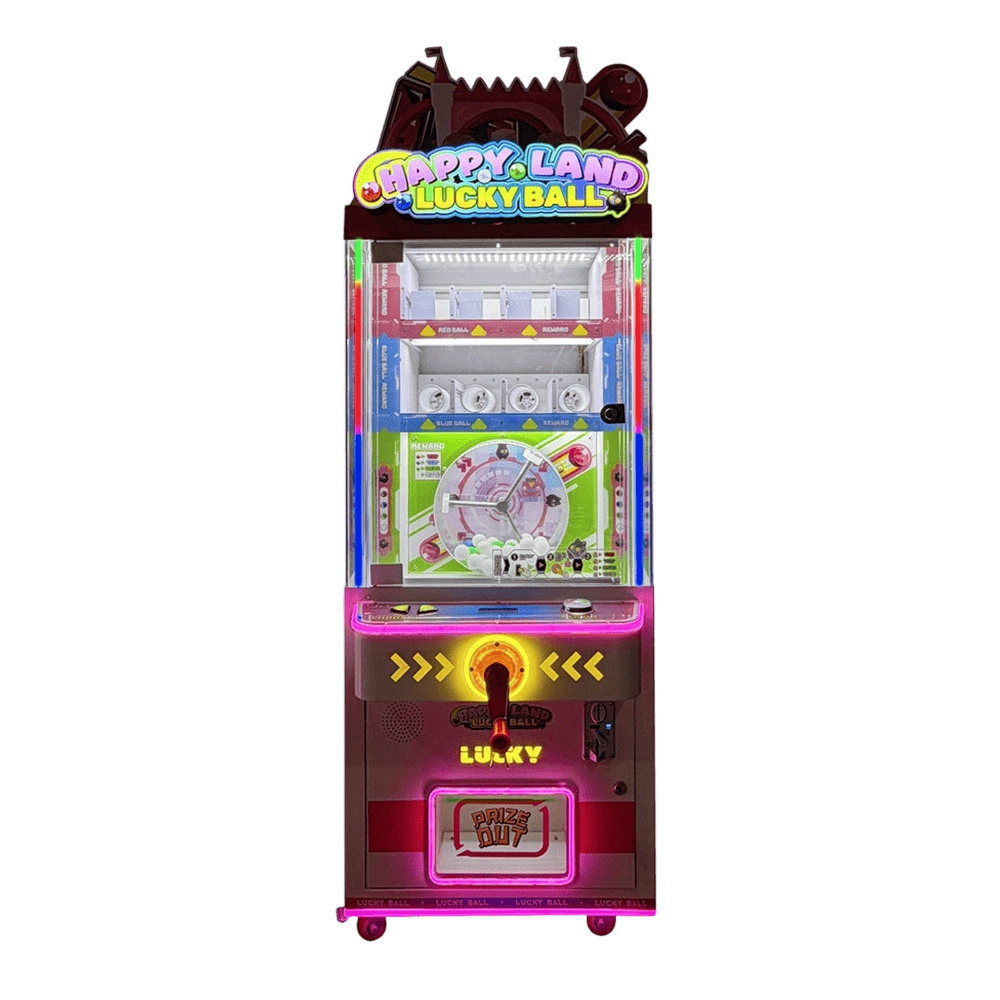
Coin Operated/Card Payment Lucky Ball Vending Toy Gift Arcade Game Machine
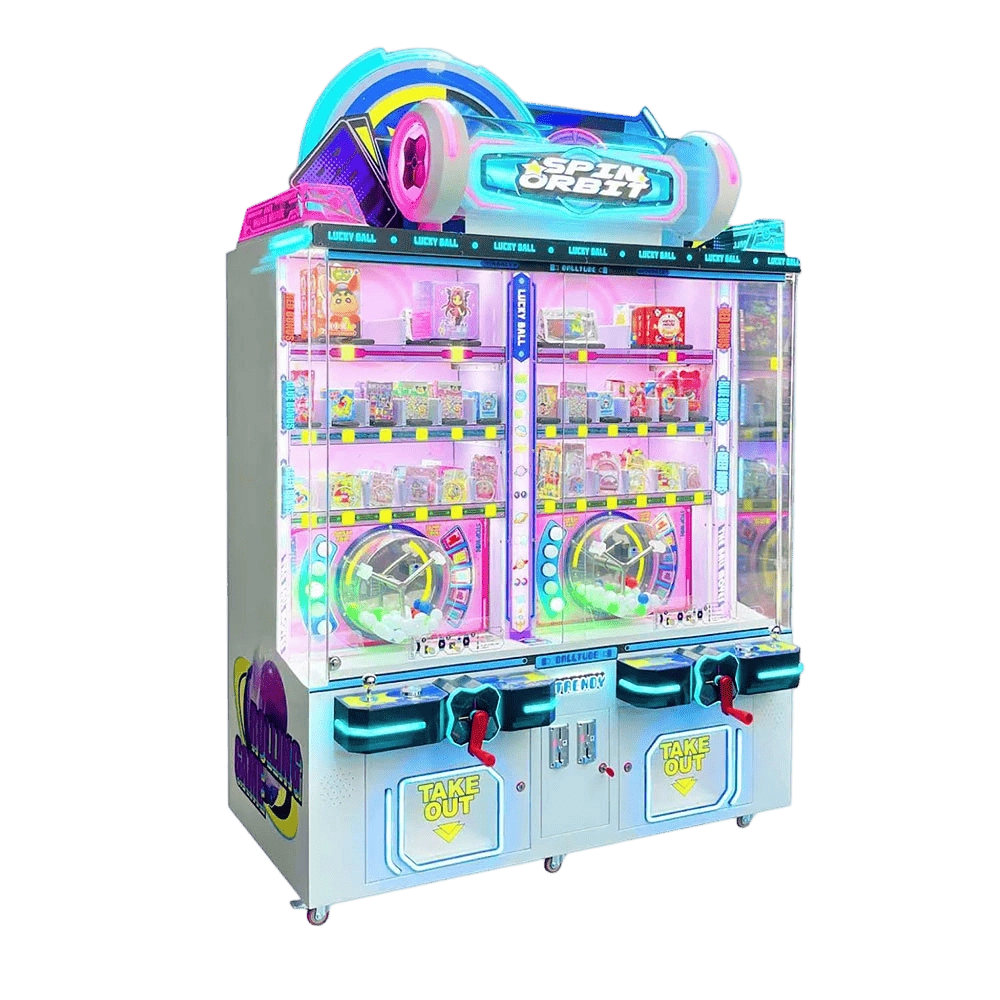
Coin Operated/Card Payment 2 Players SPIN ORBIT Lucky Prize Arcade Game
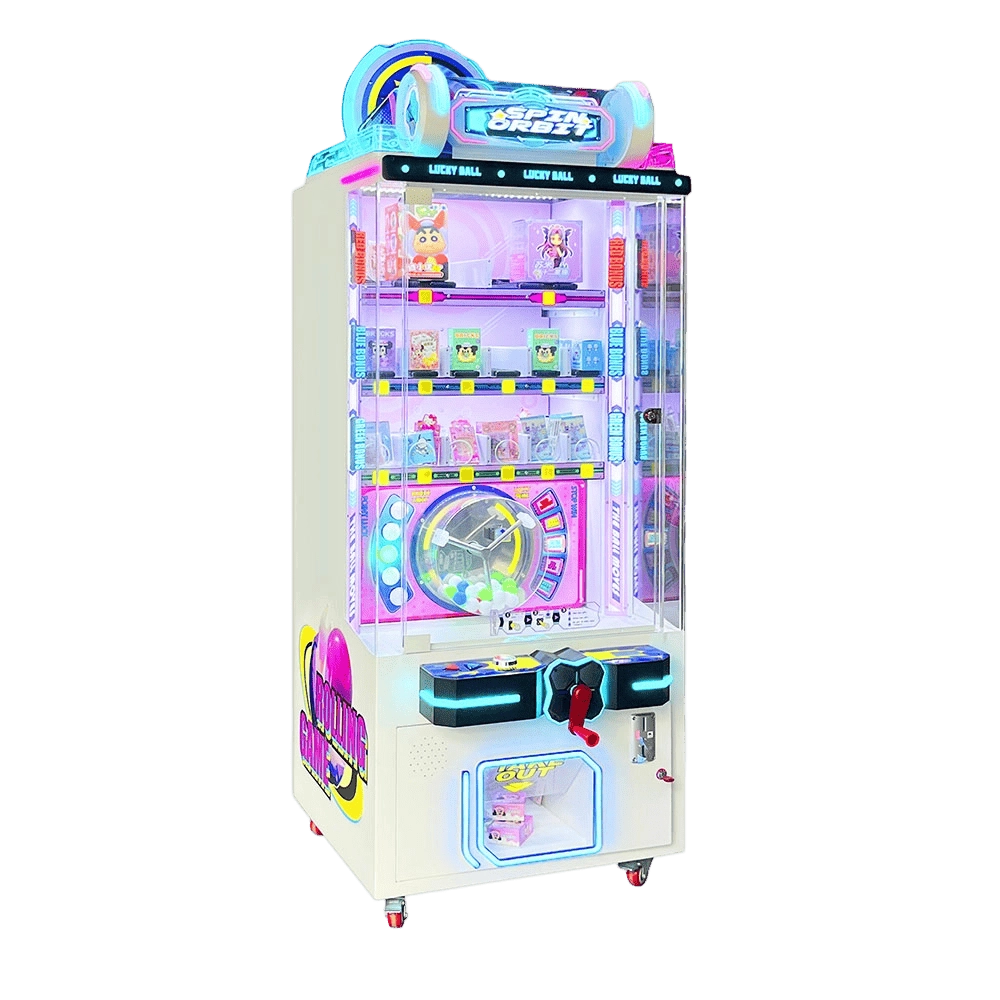
Coin Operated/Card Payment SPIN ORBIT Lucky Prize Arcade Game
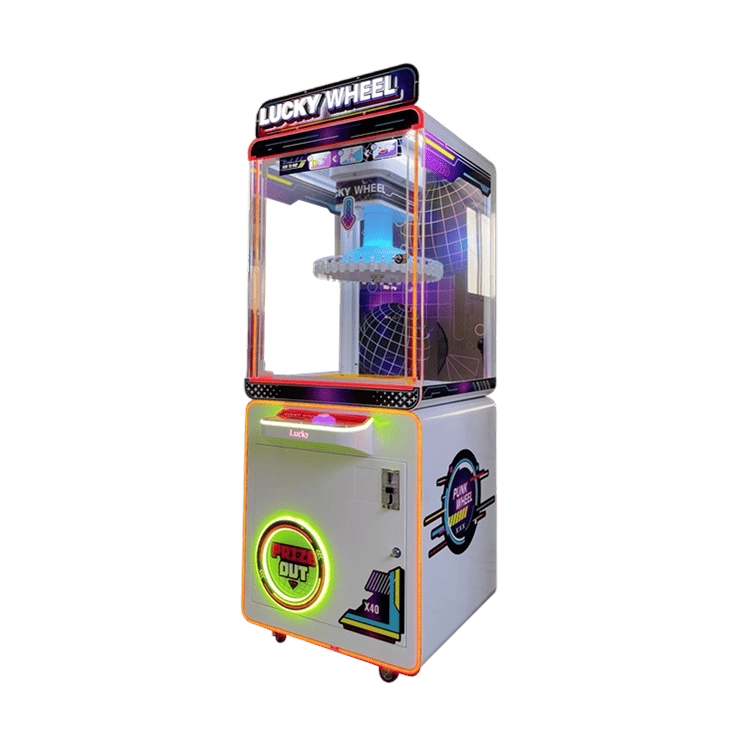
Arcade Prize Lucky Wheel Gift Machine For Amusement Areas
Get in Touch with Jiami Games
If you have any comments or good suggestions, please leave us a message; later our professional staff will contact you as soon as possible.

Innovative Entertainment, at Your Fingertips
Learn about Jiami Games and explore our expertise in console development, innovative design, and global markets.
Quick Links:
© 2026 Jiami Games.
Whatsapp: +8618520390438