







The Ultimate Guide to Arcade Game Coin Mechanisms: Types, Function, and Troubleshooting Jams
Social Media:
- Introduction
- How does an arcade coin mechanism work?
- What types of coin mechanisms are available for arcade games?
- How do I fix a jammed coin mechanism on an arcade machine?
- Can I program a coin mechanism to accept different currency types?
- What are the compatibility considerations when replacing a coin mechanism?
- How does coin size affect the choice of a coin mechanism?
- How do you clean and maintain an arcade game coin door?
- Can you convert an arcade coin mechanism to a cashless card system?
- Conclusion
- Call to Action
Introduction
Arcade games have captivated players for decades, but behind the flashing lights and digital screens lies a surprisingly sophisticated piece of hardware: the coin mechanism. Whether you are a retro arcade enthusiast restoring a vintage cabinet or a commercial operator looking to maximize uptime, understanding how these mechanisms function is critical. The distinct clink of a coin dropping into the vault is the heartbeat of the arcade industry.
However, coin slots are often subjected to heavy use, leading to wear, jams, and eventual failure. Upgrading, maintaining, or replacing these components requires a solid grasp of how they interact with the game's motherboard.
This comprehensive guide delves into the inner workings of arcade game coin mechanisms. We will explore the various types available, walk you through troubleshooting common jams, and even discuss modern upgrades like cashless card readers to future-proof your entertainment venue.
How does an arcade coin mechanism work?
At its core, an arcade coin mechanism is designed to perform a simple but highly critical task: verify that a piece of inserted metal is a legitimate coin or token, and then signal the arcade board to grant a credit. When a player inserts a coin, it enters a funnel and begins a rapid journey through a series of physical or electronic checkpoints. This process is broadly known as token validation.
In traditional mechanical setups, the coin drops through a cradle that acts as a physical filter. It tests the weight, diameter, and thickness of the coin. If the coin is too light or too small, it falls straight through a bypass chute into the coin return slot. Additionally, a magnet is frequently positioned along the coin path to catch and reject slugs or counterfeit washers made of magnetic metals, as legitimate US quarters and many standard tokens are non-magnetic.
Once the coin passes these rigorous physical tests, it rolls off the final ramp and triggers a physical switch. This process, known as microswitch activation, closes an electrical circuit for a fraction of a second, sending a digital pulse to the arcade machine's control board to register a credit. Modern versions perform the same fundamental process but rely on optic sensors and electromagnetic fields rather than physical cradles to validate the currency.
What types of coin mechanisms are available for arcade games?
The arcade industry relies primarily on three different categories of coin acceptors, each varying in complexity, age, and technological sophistication. The first type is the traditional mechanical coin mechanism. These are the classic, predominantly metal devices found in vintage pinball machines and retro arcades from the 1980s and 1990s. They rely strictly on physical properties—like gravity, balance, and magnetism—to sort genuine coins from fakes.
The second type is the electronic comparator. This is a highly popular hybrid mechanism that uses a "sample coin" placed inside a spring-loaded bracket on the device itself. When a player drops a coin into the slot, an electromagnetic coil compares the metallic signature, density, and size of the inserted coin against the sample coin. If the signatures match, an electronic coin drop allows the coin to pass into the cash box and registers a credit.
The third type is the fully programmable electronic multi-coin acceptor. These sophisticated units contain advanced microprocessors and optical sensors. They do not require a physical sample coin; instead, they are programmed via digital memory to recognize the electronic signatures of up to a half-dozen different coins or tokens simultaneously. These are the standard for modern commercial vending and high-end amusement setups.
How do I fix a jammed coin mechanism on an arcade machine?
A jammed coin slot is one of the most common issues operators face, but fortunately, routine arcade cabinet maintenance can usually resolve it in minutes. The first step is always to press the coin return (or reject) button firmly. This button physically separates the internal cradle or comparator plates, widening the chute to allow trapped coins, bent tokens, or debris to fall safely into the coin return tray.
If pressing the reject button does not clear the jam, you will need to open the arcade coin door using your operator key. Ensure the machine is turned off to avoid accidental shorts. Once open, locate the mechanism housing—usually held in place by retaining clips or a simple thumbscrew. Carefully unclip the mechanism and pull it out of the door assembly.
Inspect the coin path visually. You will often find foreign objects like paper clips, lint, sticky residue, or severely deformed coins blocking the microswitch or optic sensor. Use a pair of tweezers or needle-nose pliers to extract the blockage. Once cleared, drop a test coin through the mechanism while it is still in your hand to ensure it flows smoothly before snapping it back into the door housing.
Can I program a coin mechanism to accept different currency types?
Yes, you absolutely can program modern mechanisms to accept multiple forms of currency, provided you are using a programmable electronic coin acceptor. Unlike mechanical comparators that only accept one specific type of token or coin, programmable units use a built-in CPU to learn and memorize the characteristics of various coins from around the world.
To program one of these units, operators initiate a "learning mode" and drop 15 to 20 samples of a specific coin through the slot. The machine's optical and magnetic sensors read the diameter, thickness, and dropping speed to create a digital profile. According to hardware experts at Adafruit Industries, these validators can be configured to pulse the output line a specific number of times based on the coin type—for instance, pulsing once for a nickel and five times for a quarter.
This flexibility allows international operators to accept localized currency or permits a single arcade cabinet to accept both standard quarters and proprietary high-value arcade tokens simultaneously. The programming is stored in non-volatile memory, meaning the acceptor remembers your currency types even if the arcade machine loses power or is unplugged for an extended period.
What are the compatibility considerations when replacing a coin mechanism?
When upgrading or replacing a faulty coin mechanism, compatibility is crucial to ensure the new hardware interfaces correctly with your arcade cabinet. The most important consideration is the physical dimensions of the faceplate and the mounting bracket. The arcade industry largely adheres to a standard 3.5-inch form factor for upright mechs, but you must verify whether your coin door is designed for a front-entry drop or a top-entry drop.
Electrical compatibility is the next major hurdle. You must check the operating voltage of the new mechanism. Traditional mechanical setups with a simple microswitch do not require dedicated power (other than the ground and signal wire for the switch itself). However, electronic comparators and programmable acceptors typically require a 12V DC power supply to operate their sensors and solenoids. Plugging a 12V acceptor into a 24V line can instantly fry the board.
Finally, consider the output signaling. Most arcade boards (JAMMA standard) expect a simple "Normally Open" (NO) circuit that closes to ground when a coin is inserted. Ensure your new coin acceptor is configured for the correct pulse duration and signal type (Normally Open vs. Normally Closed). Some highly advanced electronic acceptors output a serial data signal, which will not work natively with a vintage 1980s arcade board without an adapter.
How does coin size affect the choice of a coin mechanism?
Coin size is the primary determining factor when selecting a mechanical or comparator coin mechanism. Every currency and token has specific dimensional tolerances—namely diameter and thickness. If you attempt to use a US Quarter mechanism for a larger arcade token, the token will physically wedge itself into the entry chute, causing an immediate jam.
Conversely, if the mechanism is designed for a large token and a player inserts a smaller coin, the coin will likely fail to trigger the physical cradle or microswitch. It will either drop straight into the cash box without granting a credit, or it will be rejected into the return slot. Mechanical acceptors are entirely unforgiving in this regard; their metal channels are stamped and calibrated to a tolerance of fractions of a millimeter.
For operators looking to transition from quarters to custom tokens, it is usually necessary to replace the internal mechanisms entirely or purchase dedicated token faceplates and cradles. Even with electronic programmable acceptors, there is a maximum physical limit to the coin channel size. Always verify the manufacturer's specified diameter range before purchasing to ensure your chosen currency will physically fit through the slot.
How do you clean and maintain an arcade game coin door?
Routine cleaning and maintenance of your arcade coin door are essential to prevent revenue loss from rejected coins and hardware jams. Over time, coin mechanisms accumulate an astonishing amount of dirt, metallic dust, and oils from the thousands of hands handling the currency. This grime can cause the mechanical cradles to stick or blind the optical sensors in electronic units.
Begin your maintenance routine by removing the mechanism from the coin door. For mechanical acceptors, use a clean, dry microfiber cloth or a soft-bristled brush to sweep away dust from the coin path. You can use a mild degreaser on a cotton swab to clean sticky residue off the metal tracking, but never use heavy lubricants like WD-40, as they will attract dust and create a sludgy buildup that guarantees future jams.
For electronic comparators and programmable units, cleaning the optical sensors is the priority. Use a can of compressed air to blow out any loose debris. Then, use a cotton swab lightly dampened with isopropyl alcohol to gently wipe the sensor lenses. Finish by testing the coin reject button mechanism to ensure the physical bypass opens smoothly, and verify that the microswitch wire connections are tight and free of corrosion.
Can you convert an arcade coin mechanism to a cashless card system?
Yes, converting from traditional coin mechanisms to a cashless card system is entirely possible and has become the industry standard for modern family entertainment centers. This upgrade eliminates the need for physical tokens, vastly reduces hardware maintenance, and prevents the security risks associated with storing large amounts of cash on the arcade floor.
The conversion process involves removing the standard coin mechanism and installing an RFID or NFC card reader over the existing coin door slot. These readers wire directly into the arcade cabinet's coin signal and power lines. When a player taps or swipes their prepaid game card, the cashless reader sends a digital pulse to the arcade board, perfectly mimicking the signal of a microswitch activation from a physical coin.
Transitioning to this technology also provides operators with powerful backend software to track analytics, change game pricing remotely, and manage loyalty programs. Industry leaders like Embed and Intercard provide sophisticated hardware kits designed specifically to retrofit seamlessly into standard JAMMA arcade cabinets, allowing operators to fully modernize their venues with minimal downtime.
Conclusion
Arcade coin mechanisms may seem like simple metal funnels, but they are intricately designed gatekeepers that blend physics, electronics, and security. Whether you are dealing with a vintage mechanical setup, a reliable electronic comparator, or upgrading to a fully programmable module, understanding how these devices validate currency is the first step to mastering arcade cabinet maintenance.
By familiarizing yourself with the different types of coin acceptors, learning how to quickly troubleshoot jams, and performing routine cleaning, you can ensure your arcade machines remain operational and profitable. And as the industry evolves, the knowledge of how to bridge vintage microswitches with modern cashless card systems will keep your arcade relevant for the next generation of gamers.
Call to Action
If you are ready to upgrade your arcade machine's coin mechanisms or need expert advice on transitioning to a cashless system, contact us today for a professional consultation!
You May Also Like
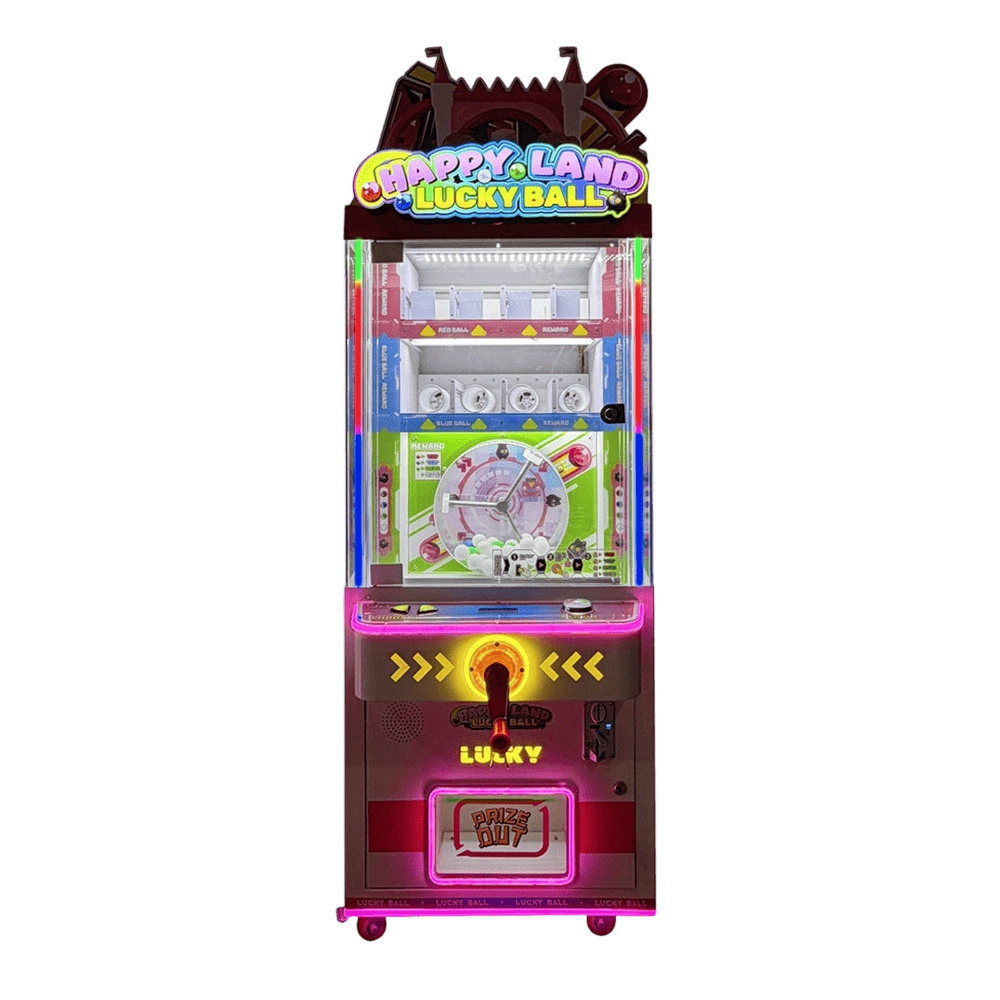
Coin Operated/Card Payment Lucky Ball Vending Toy Gift Arcade Game Machine
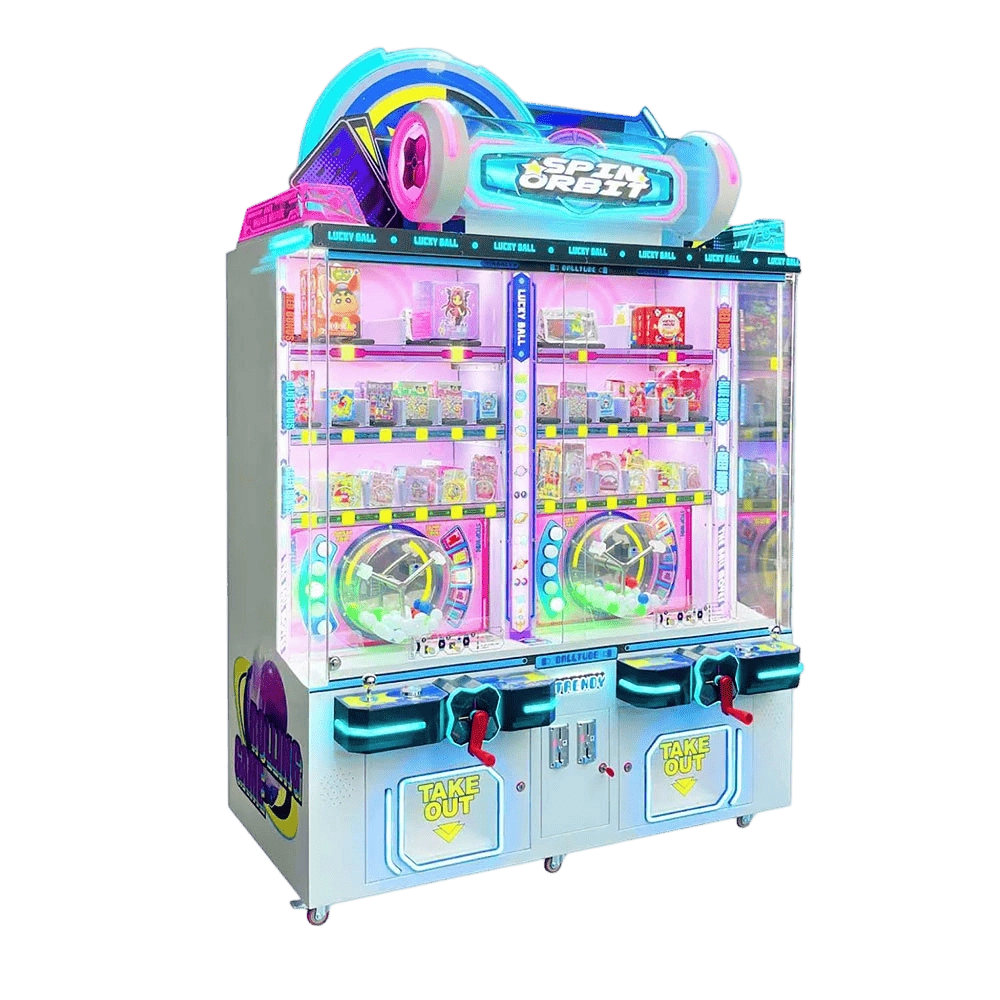
Coin Operated/Card Payment 2 Players SPIN ORBIT Lucky Prize Arcade Game
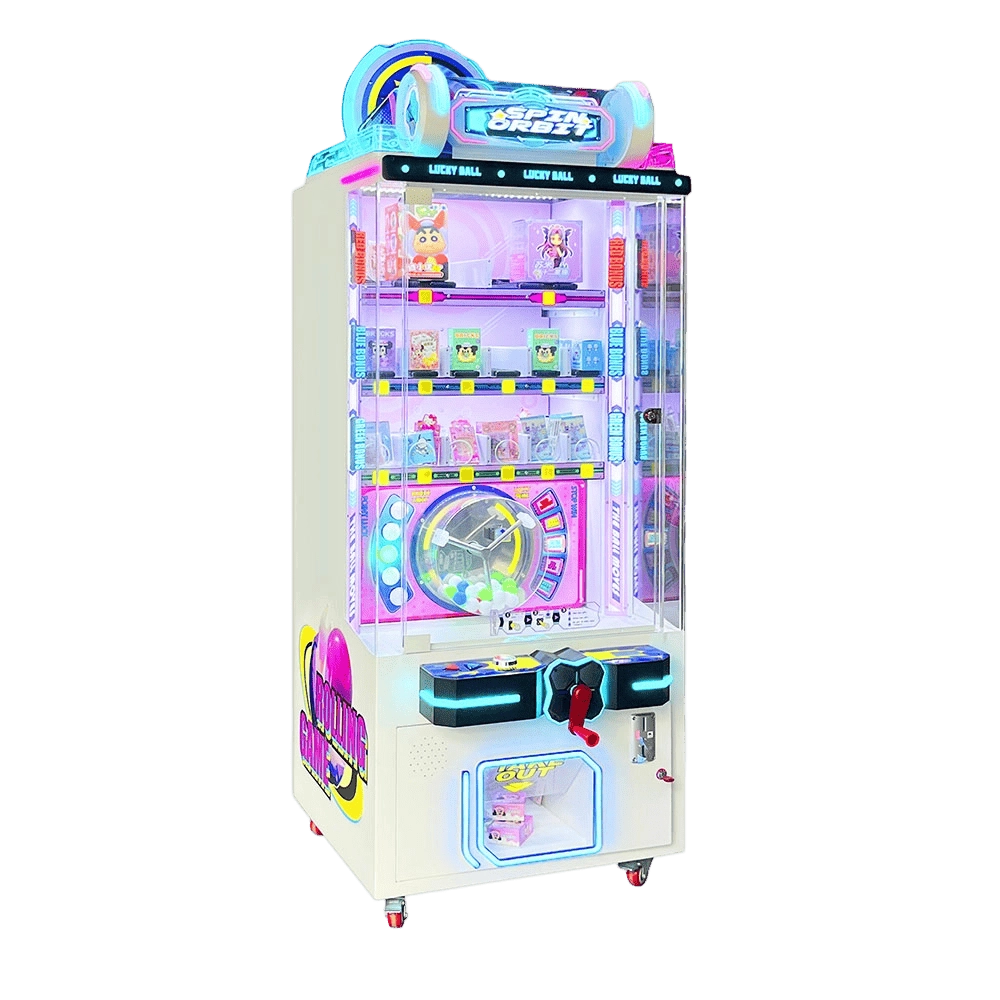
Coin Operated/Card Payment SPIN ORBIT Lucky Prize Arcade Game
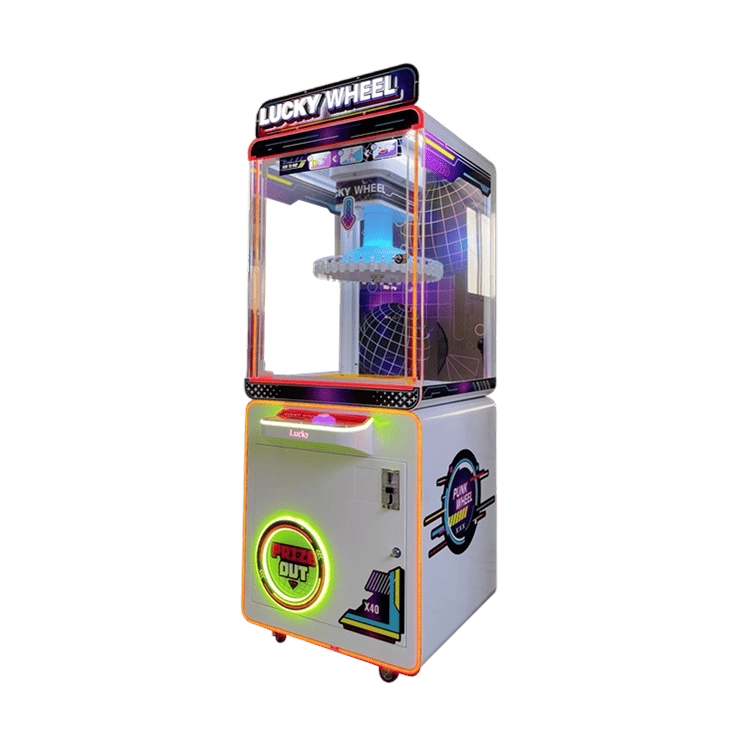
Arcade Prize Lucky Wheel Gift Machine For Amusement Areas
Get in Touch with Jiami Games
If you have any comments or good suggestions, please leave us a message; later our professional staff will contact you as soon as possible.

Innovative Entertainment, at Your Fingertips
Learn about Jiami Games and explore our expertise in console development, innovative design, and global markets.
Quick Links:
© 2026 Jiami Games.
Whatsapp: +8618520390438