







Arcade Game Coin Mechanisms: The Ultimate Guide to How They Work and Different Types
Social Media:
- Introduction
- What is an arcade game coin mechanism and how does it work?
- What are the different types of coin mechanisms available for arcade machines?
- How do electronic coin acceptors differ from mechanical coin mechs?
- How does coin size and weight affect your mechanism choice?
- What are the compatibility considerations when replacing an arcade coin mechanism?
- How do you program a multi-coin acceptor for various currencies and tokens?
- How do you wire an arcade coin door mechanism to an encoder?
- How can you troubleshoot and maintain an arcade game coin mechanism?
- Conclusion
- Call to Action
Introduction
The nostalgic clink of a coin dropping into a slot is a universally recognized sound that signals the beginning of an exciting gaming experience. But beneath that iconic glowing red button lies an intricate piece of engineering. An arcade game coin mechanism is the unsung hero of the amusement industry, ensuring that every credit is legitimately earned and that operators can securely collect revenue. Whether you are looking to Build Arcade Business empires or simply restoring a vintage Pac-Man cabinet in your garage, understanding how these devices operate is absolutely crucial.
In this ultimate guide, we will explore the fascinating world of the arcade coin door, breaking down how these mechanisms work, the different types available, and how to maintain them. From old-school mechanical validators to modern electronic coin acceptors, we will cover everything you need to keep your arcade machines profitable and functional.
What is an arcade game coin mechanism and how does it work?
An arcade game coin mechanism, frequently referred to as a coin acceptor or coin mech, is the hardware component responsible for receiving, validating, and routing coins or tokens inserted by a player. The primary function of this device is to determine whether the inserted object is a valid form of currency and, if so, to send an electrical pulse to the game's logic board to register a credit.
When a player drops a coin into the slot, gravity pulls it through a series of testing stages. In older mechanical systems, the token mechanism relies on a finely tuned physical cradle that measures the coin's specific diameter, thickness, and weight. If the coin is too light, too small, or lacks the correct metallic properties, it simply falls into the rejection chute and is returned to the user. Valid coins pass through the gauntlet, tripping a small microswitch on their way to the secure cash box.
Modern iterations operate on the same fundamental concept but use advanced sensors. As Wikipedia outlines in its definition of an arcade cabinet, these machines house complex electronic hardware, and modern coin mechs have evolved to match. They use optical and magnetic sensors to instantly analyze the metallic signature and dimensions of the coin. Once validated, the mechanism triggers the credit sequence, allowing the player to dive into the game.
What are the different types of coin mechanisms available for arcade machines?
The arcade industry has seen several distinct types of coin mechanisms over the decades, each tailored to specific operational needs and budgets. The most traditional type is the mechanical coin mech. These are highly specific devices calibrated for a single type of coin, such as a US Quarter or a proprietary arcade token. They use physical counterweights and magnets to separate genuine coins from slugs or foreign currency.
Another popular variant is the comparative coin acceptor. This electronic coin validator uses a "sample coin" inserted directly into a spring-loaded bracket on the device itself. When a player inserts a coin, the mechanism compares its electromagnetic signature and physical properties against the sample. If they match, the coin is accepted. This makes it incredibly easy for operators to switch between different tokens or international currencies without needing to reprogram a computer chip.
Finally, we have fully programmable multi-coin acceptors. These high-tech units can be trained to recognize several different coins simultaneously. For instance, they can accept nickels, dimes, and quarters, assigning a different pulse value to each. These are increasingly common in modern redemption centers, especially when operators are researching How to Choose a Prize Dispenser Machine that requires flexible payment options to maximize revenue.
How do electronic coin acceptors differ from mechanical coin mechs?
The primary difference between an electronic coin acceptor and a mechanical coin mech lies in how they validate currency. Mechanical mechanisms are entirely analog. They rely on the physical properties of the coin interacting with precisely machined metal parts. A mechanical token mechanism uses a specialized cradle that acts like a teeter-totter; if the coin has the correct weight and diameter, it tips the cradle in the right direction. Magnets are also used to catch magnetic slugs, such as steel washers, preventing them from falling into the accept chute.
Electronic coin acceptors, on the other hand, do not rely on gravity-driven physical cradles. Instead, the coin rolls past a series of advanced digital sensors. According to technical documentation from hardware manufacturers like Adafruit regarding coin acceptors, these sophisticated devices look for specific metrics including diameter, thickness, and even the dropping speed of the coin to prevent fraud. They emit electromagnetic fields to test the alloy composition of the metal, ensuring unparalleled accuracy.
Furthermore, electronic models are vastly more versatile. A mechanical unit is hard-coded to one coin and must be physically swapped out or manually recalibrated by bending metal parts to accept a different currency. An electronic coin validator can be reprogrammed in minutes using digital settings, making it the preferred choice for operators who frequently change token types or operate in regions with diverse currency denominations.
How does coin size and weight affect your mechanism choice?
Coin size and weight are the most critical factors when selecting a mechanism for your arcade coin door. If you are operating in a country with unusually thick or large coins, a standard mechanical mech designed for US Quarters will jam constantly. Mechanical coin mechs are manufactured with highly specific tolerances; even a fraction of a millimeter in excess thickness will cause the coin to get stuck in the entry slot.
Weight is equally important. In a mechanical system, the coin must have enough mass to overcome the counterbalance in the testing cradle, but not so much mass that it mimics a heavy lead slug. If you plan to use custom arcade tokens, you must ensure their weight and alloy match the precise calibration of your coin mechanisms, otherwise, you risk a high rejection rate of legitimate tokens, leading to frustrated customers.
When opting for an electronic coin validator or a comparative acceptor, you have much more flexibility, but physical limitations still apply. You must verify the manufacturer's specifications for maximum and minimum diameter and thickness. If your tokens fall outside this acceptable physical range, the internal optical sensors will simply read them as an error, regardless of how you program the logic board.
What are the compatibility considerations when replacing an arcade coin mechanism?
Replacing a faulty mechanism in your arcade cabinet requires careful attention to compatibility to ensure seamless operation. The first consideration is the physical footprint. Arcade coin doors typically have a standardized faceplate and mounting bracket, but the internal depth can vary. You must ensure the new coin acceptor physically fits within the door's housing without obstructing the coin box or getting pinched by the door hinge.
The second major consideration is electrical compatibility. You need to know whether your arcade machine's logic board expects a Normally Open (NO) or Normally Closed (NC) signal from the microswitch. Most classic arcade boards operate on a simple NO circuit that closes momentarily when a coin passes. Additionally, if you are upgrading to an electronic coin validator, you must ensure your cabinet can supply the correct voltage (usually 12V DC) to power the unit, as mechanical mechs do not require an external power supply.
Finally, consider the pulse speed and duration. Some older arcade PCBs require a slightly longer electrical pulse to register a credit. If an electronic multi-coin acceptor sends a pulse that is too fast (e.g., 20 milliseconds), the game board might miss it entirely. Ensuring your new mechanism has adjustable pulse length settings is crucial for retrofitting vintage machines.
How do you program a multi-coin acceptor for various currencies and tokens?
Programming a multi-coin acceptor might seem daunting, but it is a straightforward process once you understand the logic. These electronic devices learn by "sampling." To begin, you enter the programming mode by holding down a specific button sequence on the side of the unit. You will first tell the processor how many different types of coins you want it to learn—for example, three types: a quarter, a $1 coin, and a custom token.
Next, you will assign a pulse value to each coin. You might set the quarter to generate one pulse, the $1 coin to generate four pulses, and the custom token to generate five pulses. After setting the values, the device will ask you to insert samples of the first coin type. You will need to drop 15 to 20 different coins of that specific denomination through the slot. The electronic coin validator records the slight variances in electromagnetic signature, thickness, and dropping speed to create an acceptable profile range.
You repeat this sampling process for the remaining coin types. Once saved, the mechanism compares every newly inserted coin against these saved profiles in milliseconds. This programmability is a game-changer for international arcade operators, allowing a single arcade coin door to cater to diverse tourist demographics without needing constant hardware swaps.
How do you wire an arcade coin door mechanism to an encoder?
Wiring your coin mechanism to a USB encoder (like a Zero Delay or I-PAC) is a common task for those building custom MAME or emulation cabinets. For a traditional mechanical coin mech, the process is incredibly simple. At the bottom of the mechanism sits a microswitch with three terminals: Common (COM), Normally Open (NO), and Normally Closed (NC).
To wire it, you run a ground wire from your encoder to the COM terminal. Then, you run a signal wire from the encoder's "Coin" or "Select" button input to the NO terminal. When a valid coin drops through the token mechanism, it physically depresses the microswitch lever, completing the circuit and sending a digital button press to your emulator.
Wiring an electronic coin acceptor requires one extra step: power. Because it uses sensors and microprocessors, you must wire the 12V and Ground power lines to an external power supply (like your PC's Molex connector or a dedicated arcade power supply). The signal wire (often white) is then connected to the encoder's input pin. You must also ensure that the ground of the 12V power supply and the ground of the USB encoder are tied together (common ground); otherwise, the signal pulse will not register correctly on your computer.
How can you troubleshoot and maintain an arcade game coin mechanism?
Regular maintenance is the key to preventing the dreaded "Out of Order" sign on your machines. The most common issue with any arcade game coin mechanism is jamming. In mechanical units, jams are usually caused by bent coins, sticky residue from spilled sodas, or paper stuffed into the slot. Troubleshooting begins by opening the arcade coin door, pressing the reject lever, and physically inspecting the coin pathway. Using a soft brush and rubbing alcohol, clean the metal cradles and magnetic pathways to ensure smooth operation.
If an electronic coin validator is rejecting valid coins, the issue is often related to the optical sensors. Dust and grime can coat the lenses, causing the unit to misread the coin's signature. Using a microfiber cloth or a cotton swab with a tiny amount of isopropyl alcohol to gently wipe the sensors will usually fix the problem. If you are using a comparative acceptor, check the sample coin. Over time, the sample coin can become tarnished or slip out of alignment, causing the mechanism to reject perfectly good currency.
Electrical gremlins are another troubleshooting target. If coins pass through perfectly but no credit is registered, the microswitch (in mechanical mechs) is likely dead and needs replacing. In electronic units, check your 12V power supply with a multimeter; a voltage drop can cause the onboard computer to behave erratically, leading to phantom credits or a complete failure to accept coins.
Conclusion
Understanding the intricate details of an arcade game coin mechanism is essential for anyone involved in the amusement industry, whether you are maintaining a single retro cabinet or managing a sprawling family entertainment center. From the physics-based ingenuity of mechanical cradles to the high-tech optical and magnetic sensors of a modern electronic coin validator, these devices are the lifeblood of arcade revenue. By mastering the differences in size compatibility, wiring, and programming, you can ensure your token mechanism operates flawlessly. Regular maintenance and proper troubleshooting will keep your arcade coin door open for business, delivering endless fun to players and consistent profits to your operation.
Call to Action
If you are ready to upgrade your arcade machines or need expert advice on selecting the perfect coin mechanisms for your business, contact us today for a free consultation!
You May Also Like
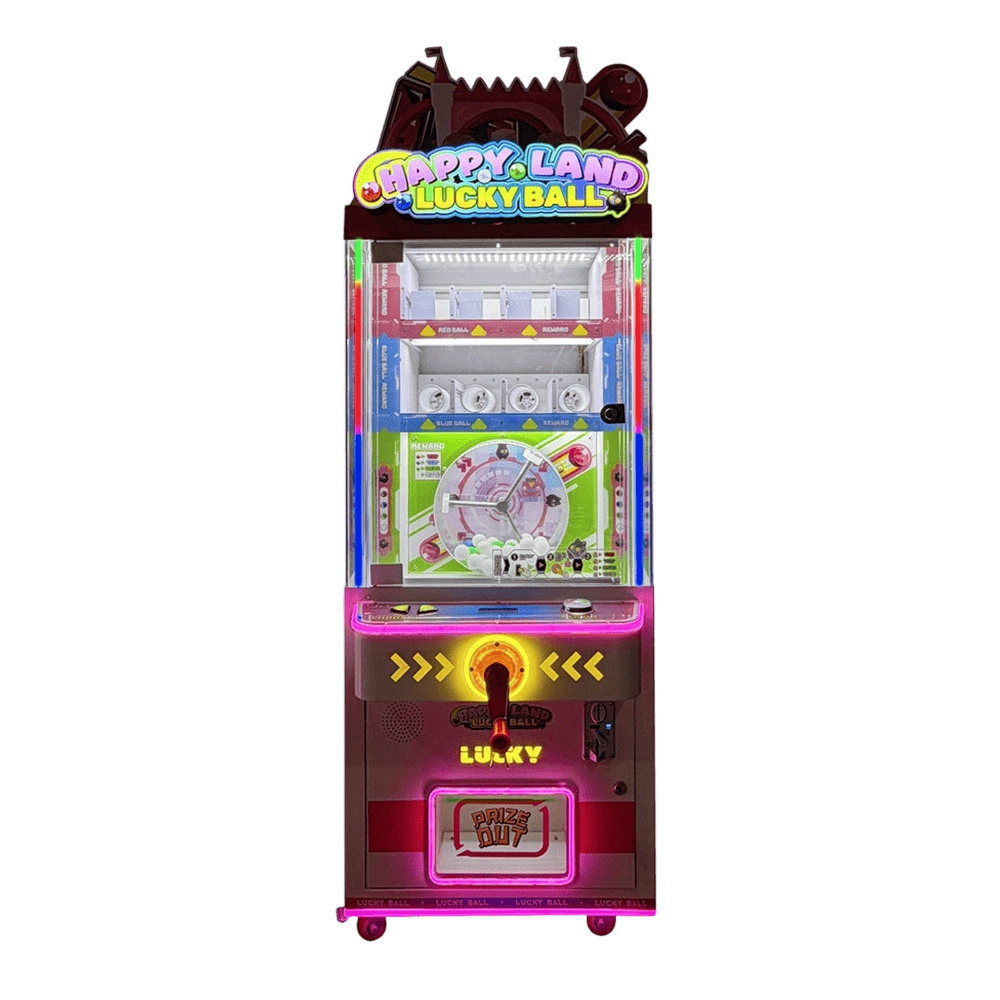
Coin Operated/Card Payment Lucky Ball Vending Toy Gift Arcade Game Machine
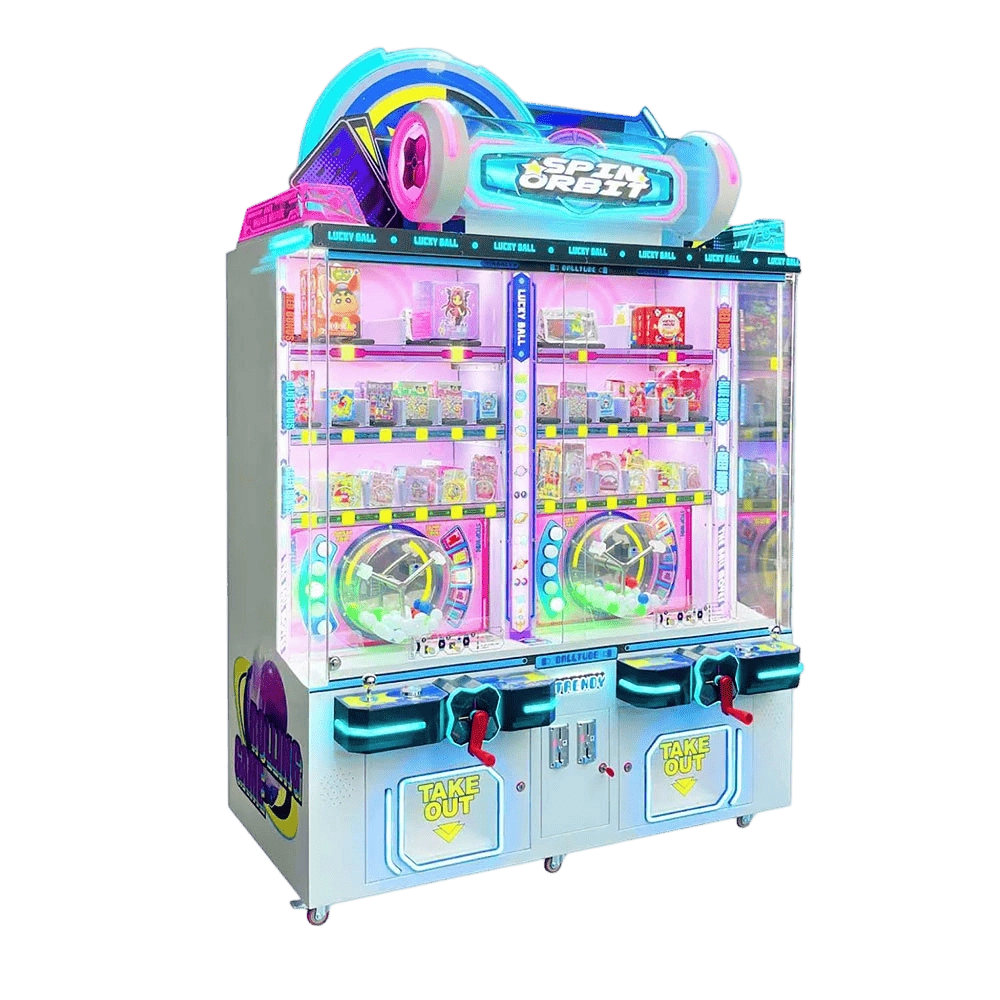
Coin Operated/Card Payment 2 Players SPIN ORBIT Lucky Prize Arcade Game
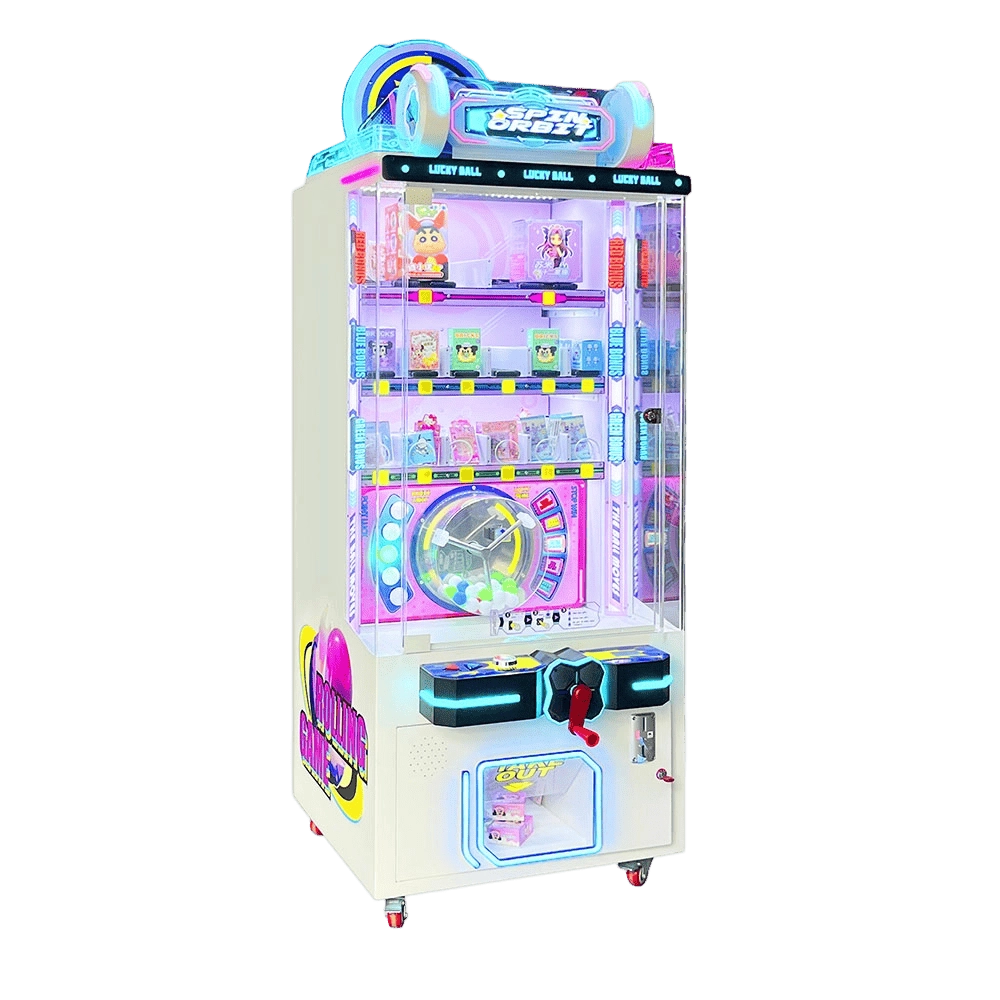
Coin Operated/Card Payment SPIN ORBIT Lucky Prize Arcade Game
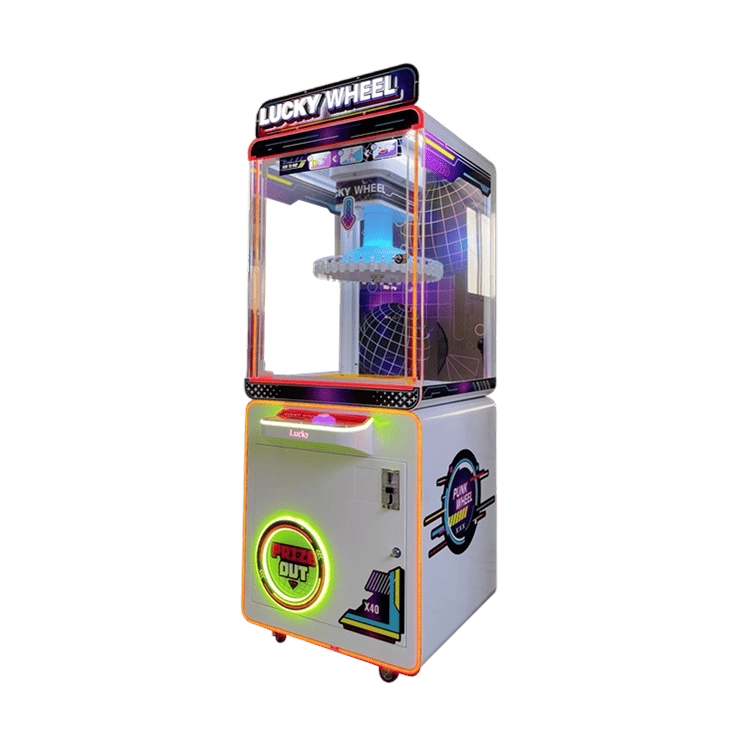
Arcade Prize Lucky Wheel Gift Machine For Amusement Areas
Get in Touch with Jiami Games
If you have any comments or good suggestions, please leave us a message; later our professional staff will contact you as soon as possible.

Innovative Entertainment, at Your Fingertips
Learn about Jiami Games and explore our expertise in console development, innovative design, and global markets.
Quick Links:
© 2026 Jiami Games.
Whatsapp: +8618520390438