






The Future of Fun: How Modern Coin Operated Arcade Machines Are Outperforming Digital Apps
Social Media:
- What Are Modern Coin-Operated Arcade Machines?
- The Tactile Advantage: Why Buttons Beat Touchscreens
- The Social Economy: Multiplayer IRL vs. Online Lobbies
- Future Trends 2026: AR, VR, and Hybrid Redemption
- Expert Tips: Curating a High-ROI Arcade Floor
- Frequently Asked Questions
- Are coin-operated arcade machines still profitable in 2026?
- How do modern arcade machines differ from retro cabinets?
- Why do players prefer arcades over mobile games?
- How much does a commercial, coin-operated arcade machine cost?
- Can arcade machines accept digital payments?
- Conclusion
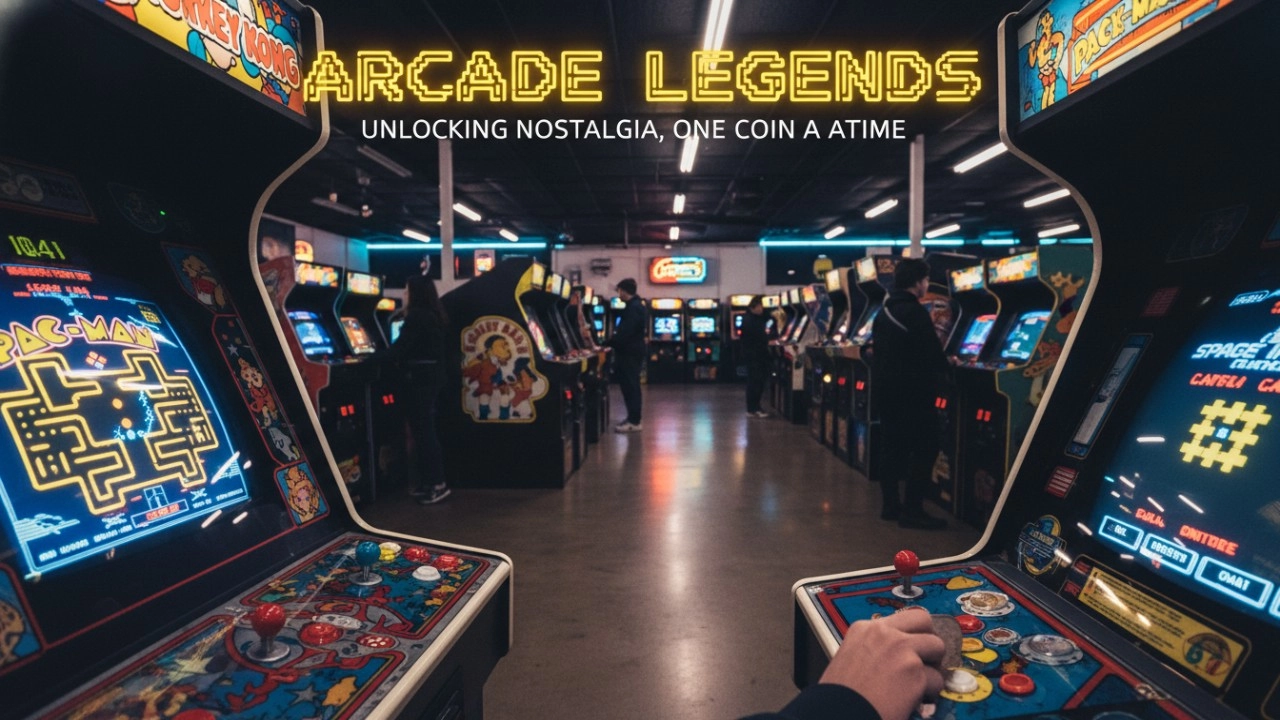
While digital apps offer convenience, they cannot replicate the visceral thrill of standing before a lit-up cabinet, feeling the bass thump in your chest, and physically slamming a button to secure a high score. The arcade industry is not just surviving; it is evolving into a premium sector of the experience economy.
What Are Modern Coin-Operated Arcade Machines?
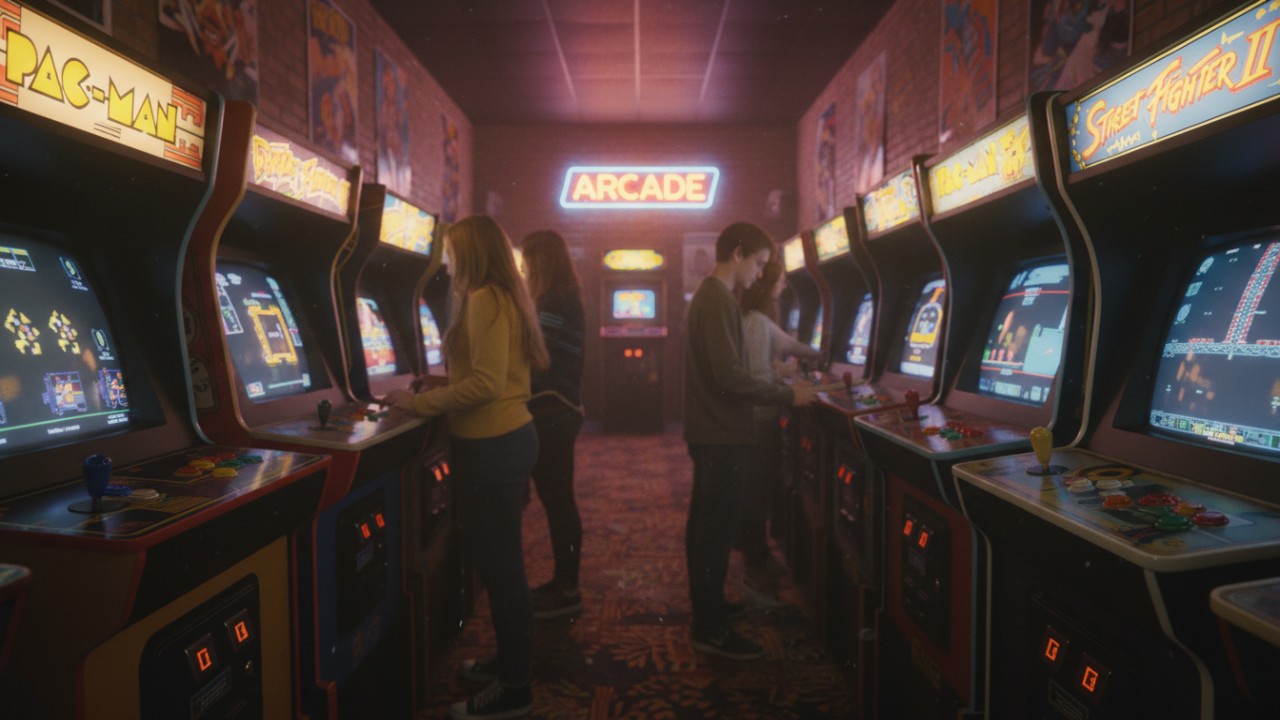
Modern coin-operated arcade machines are commercial-grade gaming cabinets that integrate advanced hardware, haptic feedback, and hybrid digital-physical elements to provide immersive experiences unavailable on mobile devices. Unlike the simple 8-bit systems of the past, these units serve as the technological anchors for location-based entertainment (LBE) venues.
Since 2020, the gap between home entertainment and out-of-home experiences has widened. While mobile phones offer high-resolution screens, they lack the physical interface—guns, steering wheels, and dance pads—that defines the arcade sector. This "hardware moat" protects venue owners from digital competition. Players visit arcades not just to play a game but to inhabit a physical space that demands their full body and attention.
- Physical Interfaces: Specialized controllers (joysticks, trackballs, motion seats) that touchscreens cannot emulate.
- Social Anchoring: Machines are designed for side-by-side multiplayer interaction, fostering community.
- Hybrid Tech: Integration of mechanical elements (like coin pushers) with digital video overlays.
The Tactile Advantage: Why Buttons Beat Touchscreens
Tactile gaming experience refers to the psychological satisfaction derived from physical feedback loops—the click of a microswitch or the recoil of a light gun—which generates a stronger dopamine response than tapping flat glass. Research indicates that physical touch creates a deeper sense of "presence" and emotional connection than visual stimuli alone.
According to a study by Goldsmiths, University of London, haptic feedback significantly enhances a user's sense of being present in a virtual environment, outperforming visual cues in creating immersion. This provides a distinct advantage over mobile gaming, where input is often passive. Haptic feedback technology in modern cabinets uses variable resistance and vibration to simulate real-world physics, such as the roughness of a road in a racing simulator or the tension of a fishing line. This sensory depth creates a "stickiness" that keeps players inserting coins.
- Sensory Saturation: Sound, light, and vibration work in unison to overwhelm the senses (in a good way).
- Skill Mastery: Physical controls allow for muscle memory development, which is less precise on touchscreens.
- Psychological Reward: The mechanical "clunk" of a coin drop or ticket dispense triggers tangible reward centers in the brain.
The Social Economy: Multiplayer IRL vs. Online Lobbies
The most significant social gaming trends of 2026 point toward a rejection of digital isolation in favor of "third places"—physical locations distinct from home and work where people can gather. Modern arcades are filling the void left by shopping malls, acting as the primary social hub for Gen Z and Gen Alpha consumers who crave authentic, in-person connection.
Digital multiplayer lobbies are often lonely, anonymous spaces. In contrast, an arcade floor is a theater of social interaction. Spectators gather to watch high-level play, friends cooperate on the same bench, and strangers compete on leaderboards that are locally relevant. At Guangzhou Jiami Games Technology Co., Ltd., we have observed this shift firsthand. Our clients report that 4-player shooting games and linked racing units generate 40% more revenue than single-player stations because they force group participation. With over 100 original game programs developed by our 70+ engineers, we design specifically to maximize this "spectator effect."
- Co-located Play: Eliminates lag and toxicity common in online gaming.
- The Spectator Factor: Large screens and loud audio attract crowds, driving secondary impulse plays.
- F&B Synergy: Social gaming increases dwell time, boosting food and beverage sales in Family Entertainment Centers (FECs).
Future Trends 2026: AR, VR, and Hybrid Redemption
The next generation of arcade hardware will blend mechanical physics with digital overlays, moving beyond simple ticket redemption into the realm of crypto-collectibles and Augmented Reality (AR). By 2026, we anticipate a surge in "Hybrid Redemption" games where physical skill results in both digital and physical rewards.
Augmented reality coin pushers are already entering the market, where 3D holograms interact with real coins inside the cabinet. Furthermore, the integration of IoT (Internet of Things) allows operators to track income remotely and adjust difficulty settings in real-time. This data-driven approach ensures that machines remain profitable by adapting to player skill levels automatically.
- AR Integration: Projecting digital enemies onto physical arcade sets.
- Digital Wallets: NFT or crypto rewards for high scores, appealing to tech-savvy demographics.
- Subscription Models: "All-you-can-play" RFID cards replacing pockets full of quarters.
Expert Tips: Curating a High-ROI Arcade Floor
To maximize profitability, operators must balance nostalgia with innovation, leveraging commercial arcade revenue statistics that show immersive simulators drive the highest price-per-play. While retro games (Pac-Man, Galaga) serve as visual hooks, the bulk of revenue—often 70%—comes from modern, large-format experiential machines.
According to market analysis by Fortune Business Insights, the global location-based entertainment market is projected to grow significantly, driven by consumer demand for experiences that cannot be replicated at home. To capture this growth, venue owners should focus on "attraction" pieces—machines that are physically too large or expensive for a home user to own. As a manufacturer selling over 20,000 game consoles monthly, Jiami Games recommends a floor layout that places high-energy shooting and racing games at the entrance to draw foot traffic.
- The 70/30 Rule: Dedicate 70% of floor space to modern immersive tech and 30% to retro classics.
- Maintenance as Marketing: A fully functional machine is your best advertisement; utilize our repair advice services to keep downtime near zero.
- Dynamic Lighting: Use RGB-equipped cabinets to create a "carnival" atmosphere that stimulates excitement.
Frequently Asked Questions
Are coin-operated arcade machines still profitable in 2026?
- Yes. The demand for the "experience economy" creates a high ROI for physical gaming. Modern machines often use card systems to increase average spend per user, and the lack of micro-transaction fatigue (common in apps) makes players more willing to spend on premium physical experiences.
How do modern arcade machines differ from retro cabinets?
- Technology: Modern machines utilize LCD/OLED screens, internet connectivity for global leaderboards, and sophisticated haptic feedback. They are often larger and include motion-simulation seats or VR headsets.
Why do players prefer arcades over mobile games?
- Immersion: The physical experience creates a sense of occasion and escape. There are no interruptions from work emails or notifications, and the social aspect of playing physically next to friends provides a connection apps cannot match.
How much does a commercial, coin-operated arcade machine cost?
- Range: Prices generally range from $3,000 for standard cabinets to $20,000+ for complex VR setups. However, the durability of commercial units—built to last 5-10 years on the floor—ensures a long-term return on investment.
Can arcade machines accept digital payments?
- Yes. Most modern cabinets support NFC, credit cards, and mobile wallets. Hybrid systems allow operators to accept both physical tokens (for the tactile feel) and digital swipes for convenience.
Conclusion
The data is clear: the "tactile internet" is here, and arcades are its playground. Modern coin-operated arcade machines offer a social, high-fidelity, and physically engaging experience that the flat screen of a smartphone simply cannot rival. From the psychological satisfaction of haptic feedback to the revenue-generating power of social play, the arcade industry is poised for robust growth through 2026. By investing in high-quality, immersive hardware, you future-proof your entertainment venue against digital fatigue.
Contact Guangzhou Jiami Games Technology Co., Ltd. today to discuss how our 100+ original game solutions can transform your venue into a high-profit entertainment hub.
You May Also Like
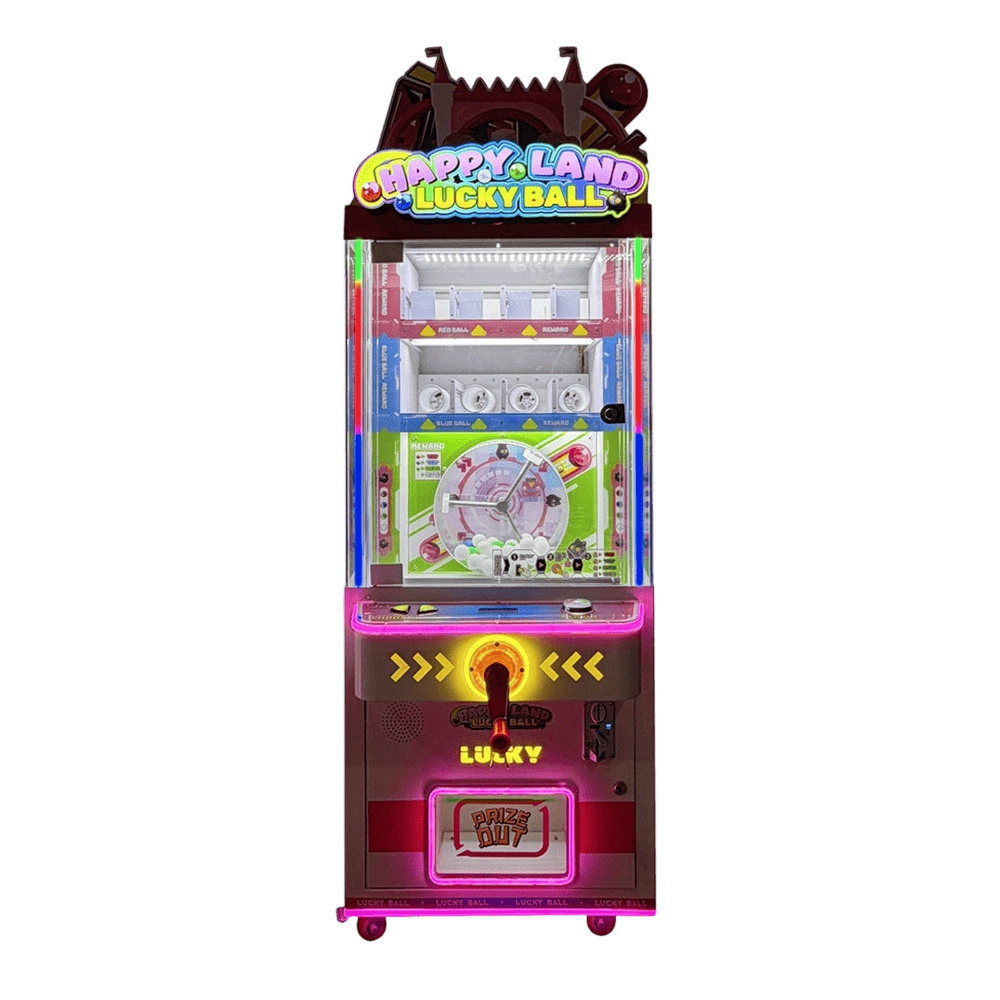
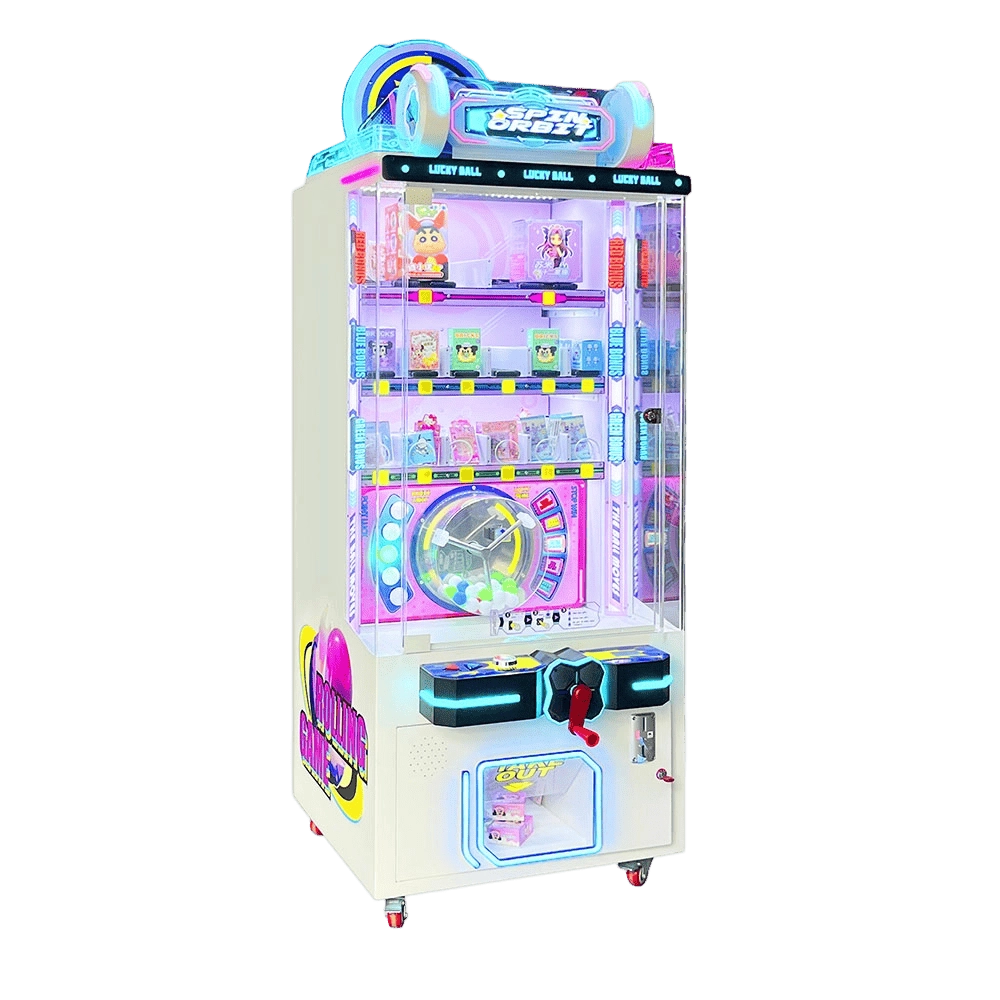
Coin Operated/Card Payment Lucky Ball Vending Toy Gift Arcade Game Machine
Coin Operated/Card Payment 2 Players SPIN ORBIT Lucky Prize Arcade Game
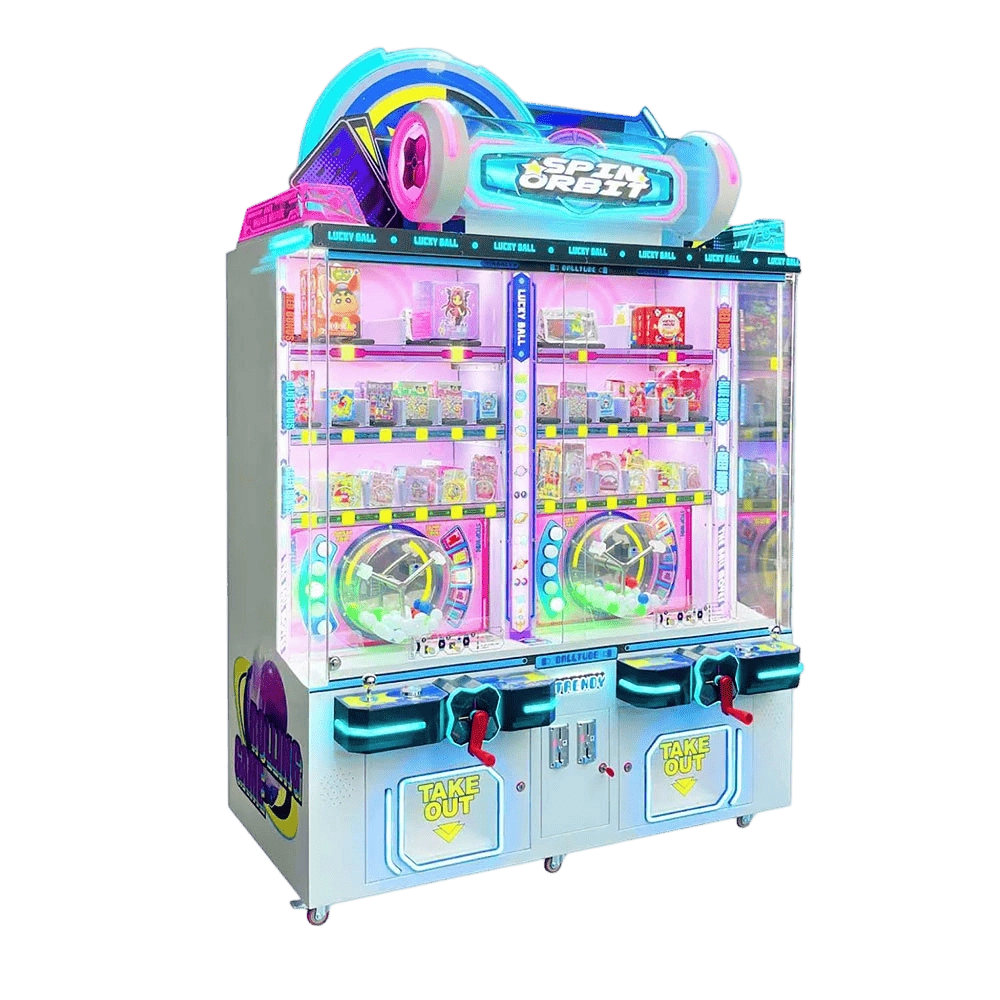
Coin Operated/Card Payment SPIN ORBIT Lucky Prize Arcade Game
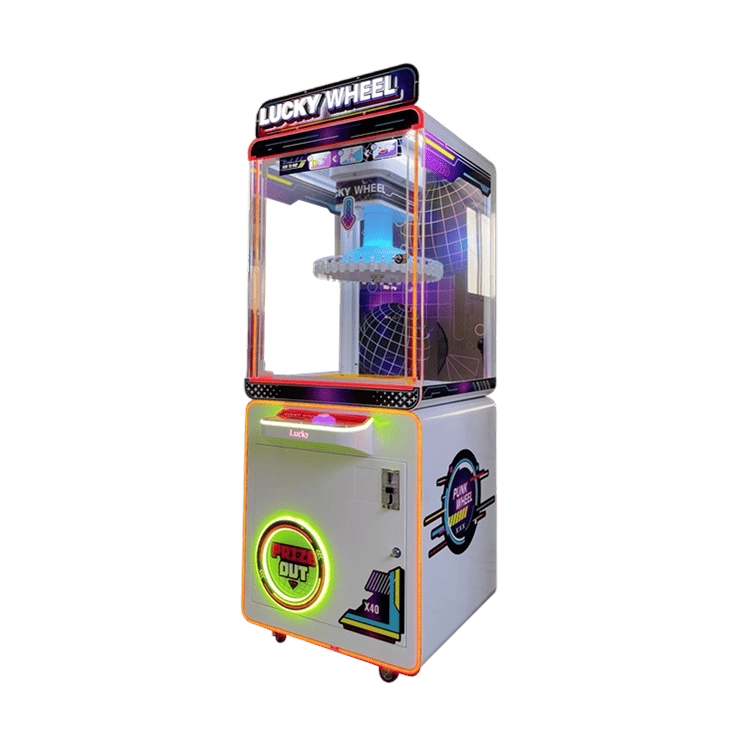
Arcade Prize Lucky Wheel Gift Machine For Amusement Areas
Get in Touch with Jiami Games
If you have any comments or good suggestions, please leave us a message; later our professional staff will contact you as soon as possible.

Innovative Entertainment, at Your Fingertips
Learn about Jiami Games and explore our expertise in console development, innovative design, and global markets.
Quick Links:
© 2026 Jiami Games.
Whatsapp: +8618520390438