






Classic Mechanical vs. Modern Digital: Which Coin Drop Game Machine Offers Better Odds?
Social Media:

- Quick Summary: Key Takeaways for Players and Operators
- What determines the winning odds in a coin drop game machine?
- Key Concepts defined:
- The Physics of Classic Mechanical Pushers
- Inside the Algorithm: How Modern Digital Coin Games Work
- Digital Mechanics Breakdown:
- Head-to-Head: Mechanical vs. Digital Odds Comparison
- The Future of Arcades: Hybrid Machines in 2026
- Trends for 2026:
- Expert Tips: Identifying a Machine with 'Loose' Odds
- What to Look For:
- FAQ: Common Questions About Coin Game Odds
- Conclusion
Quick Summary: Key Takeaways for Players and Operators
Winning odds depend on whether the machine is governed by physical laws or a digital chip. In mechanical games, gravity and friction determine the outcome, whereas digital games use a Random Number Generator (RNG) to enforce a set payout percentage.
- Mechanical Machines: Rely on side gutter width and shelf speed to maintain the house edge.
- Digital Machines: Utilize digital redemption game algorithms to ensure a specific Return to Player (RTP) rate over millions of plays.
- Fairness: Classic pushers offer "visual fairness" (what you see is what you get), while digital versions offer programmable consistency for operators.
- Strategy: Skill applies more to mechanical setups; bankroll management applies more to digital ones.
What determines the winning odds in a coin drop game machine?
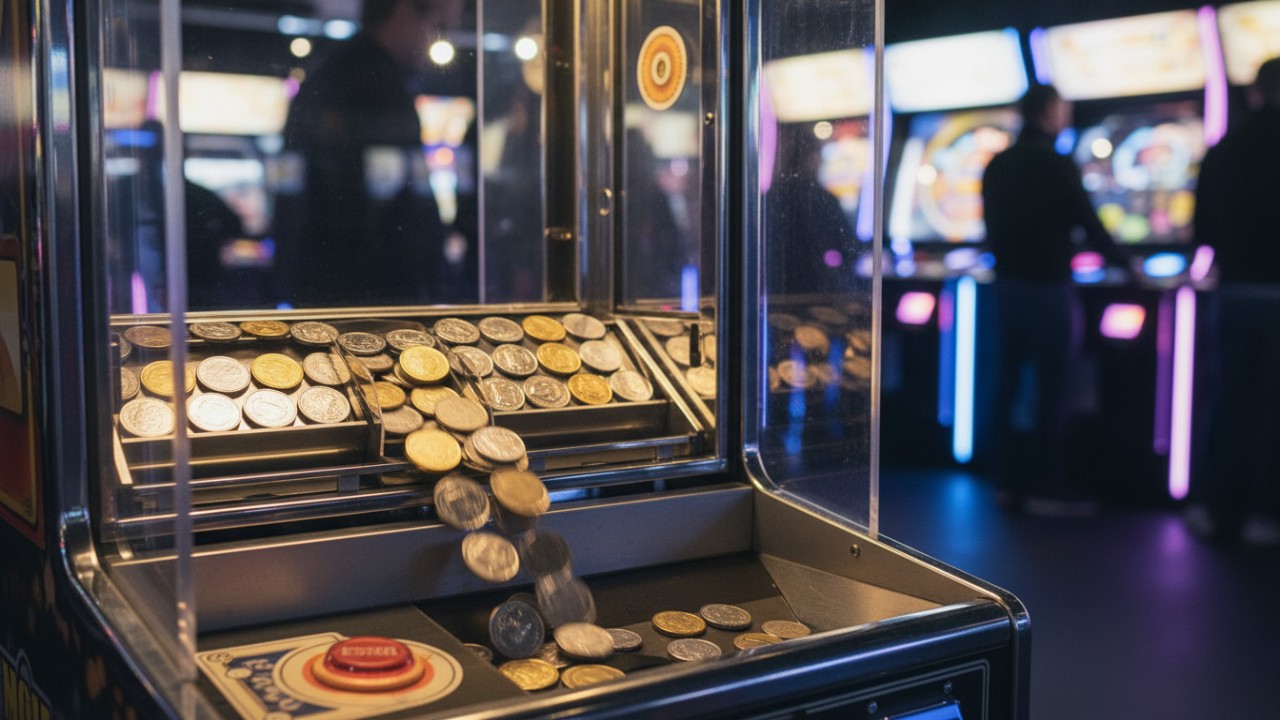
The winning odds are determined by the interplay between the machine's 'payout percentage' setting and the physical difficulty of the playfield. For operators, this is the balance between player entertainment and the "House Edge"—the mathematical advantage that ensures profitability.
In the arcade industry, this distinction is legally significant. According to the UK Gambling Commission, different categories of machines (like Category D penny falls) have specific technical standards regarding stakes and prizes. While mechanical odds are fixed by the cabinet's construction, digital odds are fluid and controlled by software settings.
Key Concepts defined:
- RTP (Return to Player): The percentage of total money wagered that a machine is programmed to pay back to players over time (e.g., 92%).
- House Edge: The percentage of money the operator retains as profit (e.g., if RTP is 92%, House Edge is 8%).
- Volatility: How often a machine pays out. High volatility means fewer but larger wins; low volatility means frequent small wins.
The Physics of Classic Mechanical Pushers
Mechanical odds are governed entirely by Newton’s laws of motion: friction, gravity, and displacement. There is no computer chip deciding if you win; the outcome depends on how coins stack, slide, and tumble based on their physical properties.
- The Role of Friction: Dust, humidity, and the surface texture of the coin deck significantly impact Skill-based vs chance-based coin games. A dirty deck increases friction, causing coins to ride over each other rather than pushing the pile forward.
- Side Gutter Geometry: This is the primary method for Coin pusher house edge calculation in analog machines. Coins that fall to the side (into the operator's hopper) are lost revenue for the player.
- Skill Element: Experienced players can use "shelf timing"—dropping a coin exactly when the pusher is fully extended—to maximize the force transferred to the coin pile.
- Wear and Tear: Unlike digital code, mechanical parts degrade. A loose belt or a tilted floor can accidentally tighten or loosen the odds.
Inside the Algorithm: How Modern Digital Coin Games Work
In digital machines, the visual coin drop is often an animation that plays after the internal computer has already decided the result. When you drop a digital token or press a button, the system instantly calculates the outcome based on a probability table.
This shift allows for complex Digital redemption game algorithms that can manage jackpots and bonus rounds more efficiently than physical mechanics. The American Amusement Machine Association (AAMA) emphasizes through their "Fair Play Pledge" that while games can be difficult, they must provide a fair opportunity for a player to win based on skill or chance.
Digital Mechanics Breakdown:
- The RNG Factor: An Arcade machine RNG vs Physics comparison reveals that digital outcomes are independent events. The machine does not "know" it is due for a win; it simply rolls the dice every time a credit is played.
- Adaptive Difficulty: Some advanced systems use dynamic difficulty adjustment. If the machine's payout rate drops below the target (e.g., 20%), it may slightly widen the virtual winning zones to correct the average.
- The 'Near-Miss' Programming: To keep players engaged, digital algorithms are often coded to show "near misses" (e.g., a coin tottering on the edge but not falling), stimulating the psychological urge to try again.
- Operator Settings: Operators can access a service menu to set the payout ratio (e.g., Ticket Value vs. Coin Cost), giving them precise control over profit margins.
Head-to-Head: Mechanical vs. Digital Odds Comparison
Mechanical machines favor players with physical dexterity and patience, while digital machines favor those who understand payout cycles and betting consistency.
| Feature | Mechanical Coin Pusher | Digital/Video Coin Game |
|---|---|---|
| Determinant | Physics (Gravity, Friction) | Algorithm (RNG, Math) |
| Transparency | High (Visible Mechanics) | Low (Hidden Code) |
| Consistency | Varies by machine condition | Guaranteed statistical average |
| Jackpots | Limited by physical coin volume | Unlimited (Progressive/Virtual) |
| Skill Level | High (Timing & Aim) | Medium (Bonuses & Stop Skills) |
The Verdict: If you prefer games where you can physically influence the outcome, mechanical is superior. If you prefer chasing massive progressive jackpots and bonus rounds, digital offers higher volatility and potential rewards.
The Future of Arcades: Hybrid Machines in 2026
The industry is moving toward "Phygital" machines—units that use real physical coins to trigger digital roulette wheels or holographic bonuses. This hybrid approach combines the tactile satisfaction of Mechanical arcade game strategy with the excitement of digital multipliers.
As a leading manufacturer, Guangzhou Jiami Games Technology Co.,Ltd. is at the forefront of this evolution. With over 70 game engineers and a production capacity of 20,000 consoles monthly, Jiami Games develops hybrid systems that balance physical fairness with digital reliability. Our R&D team focuses on "Transparent RNG," ensuring that while digital bonuses add excitement, the core coin-pushing mechanic remains true to physics.
Trends for 2026:
- Phygital Integration: Physical coins triggering RFID-based digital events on screen.
- Remote Management: Operators can adjust the digital bonus odds remotely via cloud software while leaving the physical shelf speed constant.
- Durability: Hybrid models reduce the number of moving parts compared to vintage mechanical pushers, lowering maintenance costs.
Expert Tips: Identifying a Machine with 'Loose' Odds
A 'loose' machine is one where the conditions (physical or digital) are currently favorable for a payout. Professional players scan the arcade floor for specific visual cues before inserting a single coin.
What to Look For:
- Check the Stacks (Mechanical): Look for "Teetering Towers" or coins overhanging the edge. Physics dictates these must fall with minimal force. Avoid machines where the side gutters seem unusually wide.
- Digital Cycles: On digital screens, look for "Bonus Gauge" indicators. If a progressive jackpot or "party mode" meter is nearly full, the machine's algorithm is likely entering a high-payout phase.
- The Maintenance Check: Avoid dirty mechanical machines. High friction absorbs the energy of your coin drop, deadening the impact.
- Observe the Side Chutes: In both digital simulations and real machines, the "House Edge" is the side loss. If coins seem to slide sideways aggressively, the table might be tilted or the friction settings biased.
FAQ: Common Questions About Coin Game Odds
Are digital coin pushers rigged? Digital coin pushers are not "rigged" in the sense of cheating, but they are programmed with a specific Return to Player (RTP) percentage. This means the machine is designed to pay out a specific amount over a long period, similar to a slot machine.
Can you use magnets on a coin drop game machine? No, modern coins (tokens) and machines are designed with non-magnetic materials (like brass or zinc alloys). Additionally, machines contain anti-cheat sensors that will tilt or shut down the game if magnetic interference is detected.
What is the best strategy for winning on a mechanical coin pusher? The best strategy is "timing the shelf" to drop coins exactly when the pusher is fully extended. Focus on areas where coins are already protruding over the edge to create a cascade effect.
Do coin pushers have a payout cycle? Digital machines often have payout cycles determined by their RNG settings. Purely mechanical machines do not have a cycle; outcomes depend entirely on physics and coin arrangement.
Why do coins slide to the side instead of the front? This is intentional design; the side gutters are the "House Edge". Hidden ridges or slightly convex surfaces often guide coins toward the sides to ensure the machine remains profitable.
Is it legal to own a coin drop game machine? Laws vary by jurisdiction; in some areas, they are classified as gambling devices, while in others, they are "amusement only". Always check local gaming regulations before purchasing or operating one.
What is the difference between Class II and Class III arcade machines? Class II usually refers to bingo-based or server-based outcomes (often found in tribal gaming). Class III refers to traditional independent RNG machines; coin pushers can fall into unique "redemption" categories depending on state law.
How often should a coin drop machine be serviced? Mechanical machines require weekly cleaning to prevent dust buildup from increasing friction. Digital machines need less physical maintenance but require regular software updates to ensure fair play.
Conclusion
Choosing between mechanical and digital coin drop machines depends on your preference for skill-based physics versus high-stakes digital jackpots. Operators must balance player entertainment with sustainable profit margins using the right equipment. Whether you are looking for classic mechanical units or cutting-edge hybrid designs, Jiami Games offers customized solutions backed by decades of manufacturing expertise.
Contact Guangzhou Jiami Games Technology Co.,Ltd. today to discuss your specific needs and request a free consultation.
You May Also Like
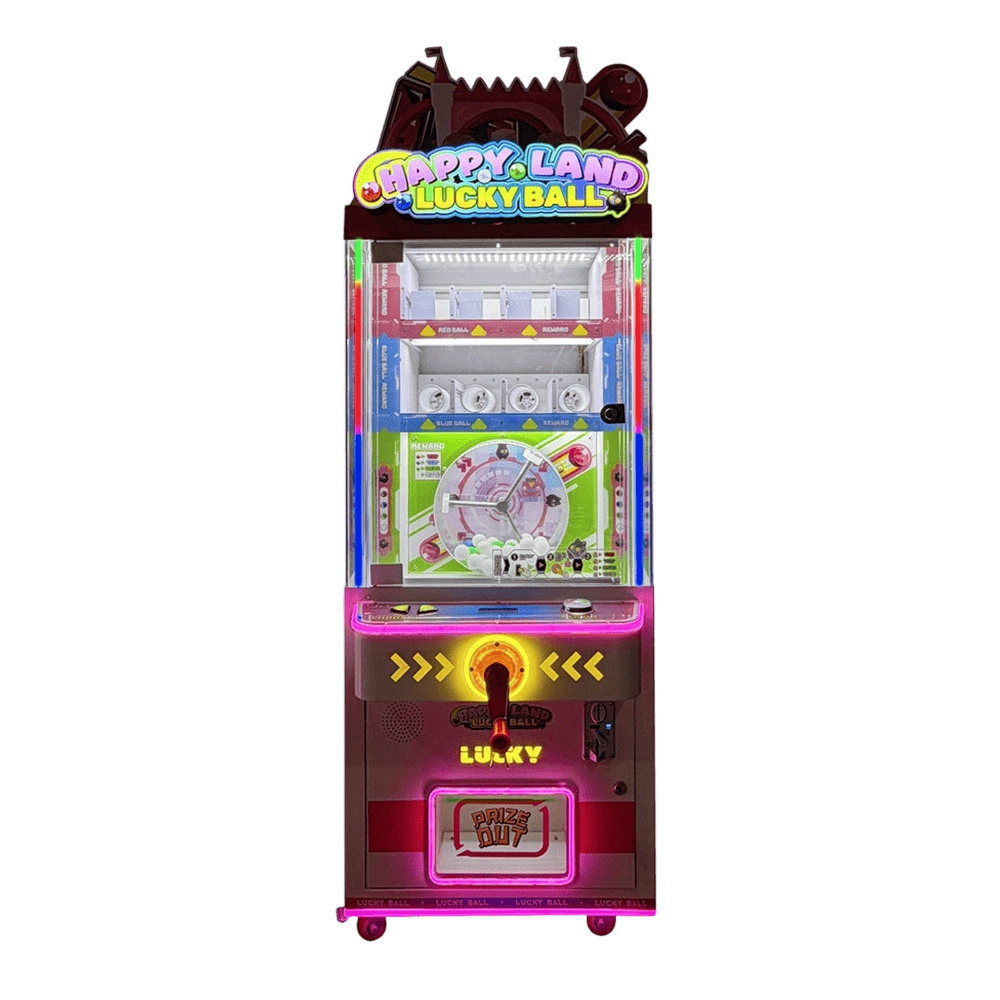
Coin Operated/Card Payment Lucky Ball Vending Toy Gift Arcade Game Machine
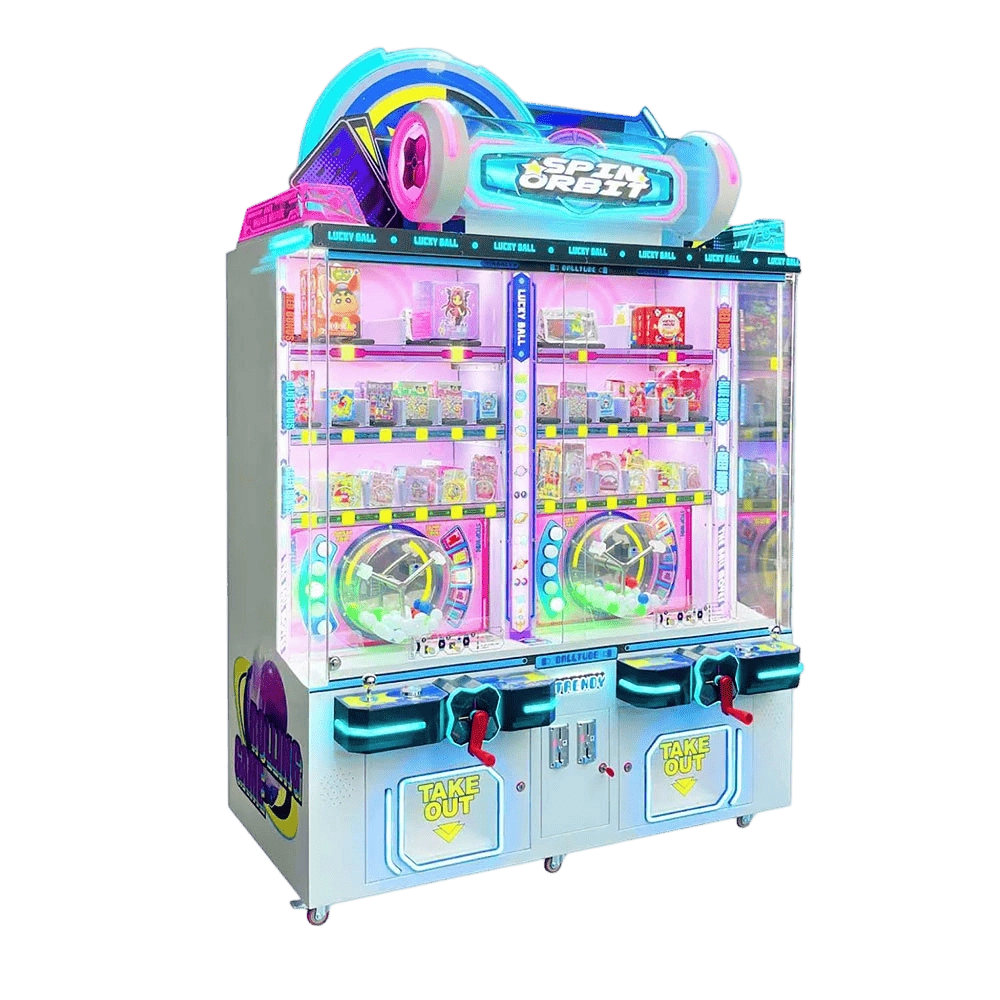
Coin Operated/Card Payment 2 Players SPIN ORBIT Lucky Prize Arcade Game
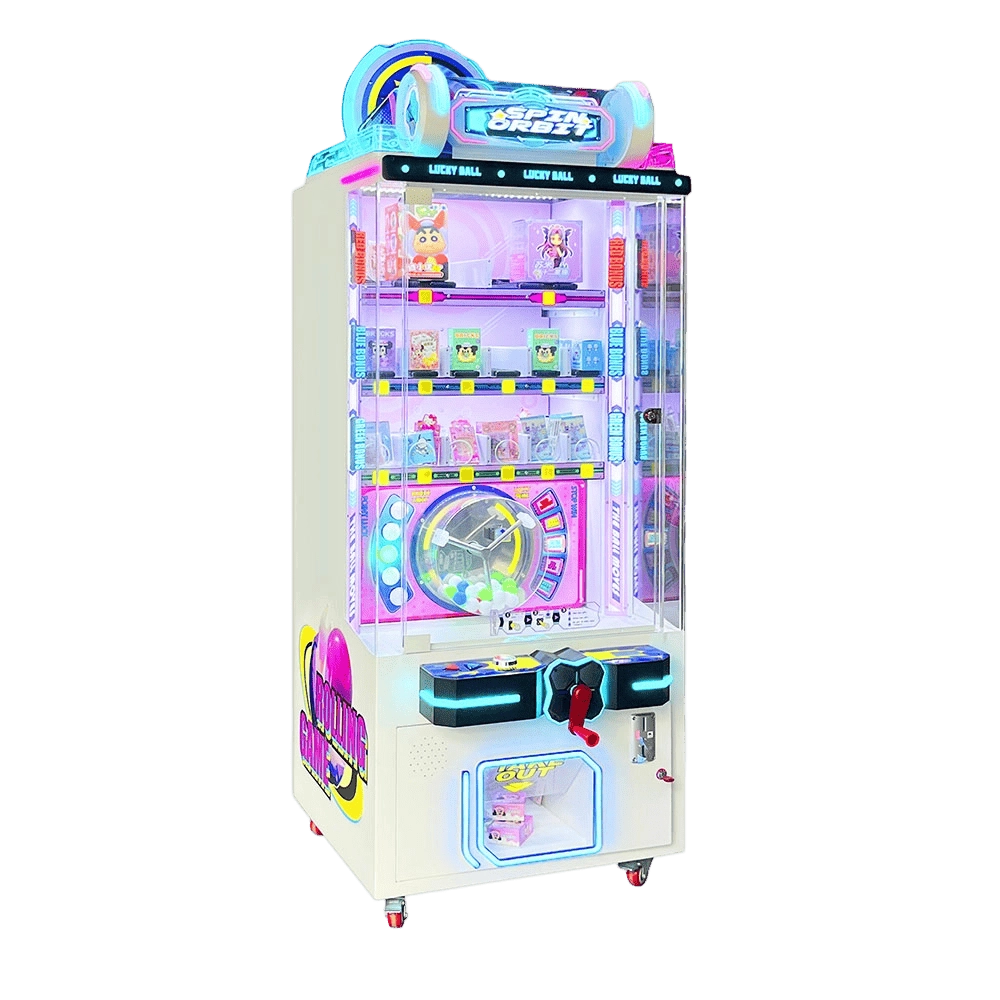
Coin Operated/Card Payment SPIN ORBIT Lucky Prize Arcade Game
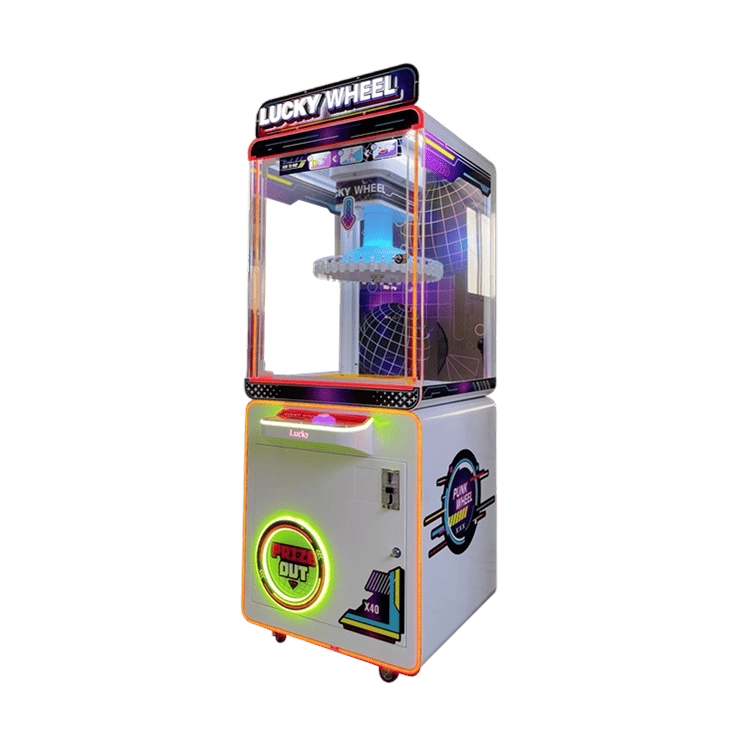
Arcade Prize Lucky Wheel Gift Machine For Amusement Areas
Get in Touch with Jiami Games
If you have any comments or good suggestions, please leave us a message; later our professional staff will contact you as soon as possible.

Innovative Entertainment, at Your Fingertips
Learn about Jiami Games and explore our expertise in console development, innovative design, and global markets.
Quick Links:
© 2026 Jiami Games.
Whatsapp: +8618520390438