






Cashless vs. Coin-Operated: Which Arcade Machine System Maximizes Your Revenue?
Social Media:

- Quick Summary: The Payment System Debate at a Glance
- What is the difference between Coin-Operated and Cashless Arcade Systems?
- Key Differences:
- The Case for Coin-Op: Nostalgia and Low Barriers
- Why Operators Still Choose Coins:
- The Case for Cashless: Data, Efficiency, and Upselling
- Top Benefits of Going Digital:
- Revenue Analysis: Maintenance Costs vs. Income Potential
- Cost vs. Profit Breakdown:
- Gap Analysis: Future Trends in Arcade Payments (2026+)
- Emerging Trends:
- Expert Tips: Avoiding Common Upgrade Mistakes
- Upgrade Checklist:
- Integrating Jiami Games Solutions for Maximum Profit
- How Jiami Games Supports Your Growth:
- Conclusion & Call to Action
Quick Summary: The Payment System Debate at a Glance
The debate between coin-operated and cashless systems is no longer about preference; it is about maximizing arcade payment system ROI through data.
While traditional tokens drive nostalgia, modern cashless solutions unlock dynamic pricing and loyalty loops that physically cannot exist with coins. Industry data suggests a hybrid approach often yields the highest returns.
- Transaction Speed: Contactless cards reduce transaction time by approx. 15 seconds per play.
- Revenue Impact: Venues switching to hybrid systems report a 20-30% revenue increase in the first year.
- The Verdict: For 2026, a hybrid model—accepting both coins and digital payments—is the gold standard for maximizing floor yield.

What is the difference between Coin-Operated and Cashless Arcade Systems?
A coin-operated machine uses a mechanical or electronic validator to accept physical currency, whereas a cashless system uses a networked reader to deduct digital credits from a server-based account.
Understanding this distinction is critical for your hardware strategy. Coin-op systems operate on an "open loop" model, meaning the money is handled physically at every machine. In contrast, cashless systems operate on a "closed loop" model, where money is exchanged for digital credits at a central kiosk or mobile app, and the machines simply read data.
Key Differences:
- Data Flow: Coin mechs are offline; cashless readers provide real-time analytics.
- Maintenance: Coins require physical collection; cards require network upkeep.
- Customer Interaction: Tokens are transactional; accounts are relational (allowing for loyalty tracking).
The Case for Coin-Op: Nostalgia and Low Barriers
Coin-operated systems remain viable because they offer the lowest barrier to entry for casual, walk-in customers who prefer anonymity over registration.
Despite the digital boom, the tactile satisfaction of inserting a token remains a core part of the retro gaming experience. For many "Barcades" or retro-themed venues, the sound of dropping quarters is a sound effect as important as the game audio itself.
Why Operators Still Choose Coins:
- The Psychology of Tokens: Physical currency creates a tangible connection to the game value.
- Lower CapEx: Standard electronic coin selectors are significantly cheaper than installing hybrid arcade card readers and server infrastructure.
- No Network Reliance: If your internet goes down, a coin-operated arcade continues to generate revenue without interruption.
- Privacy: It captures the demographic that refuses to download an app or hand over an email address just to play Pac-Man.
The Case for Cashless: Data, Efficiency, and Upselling
Cashless systems are superior for scaling businesses because they leverage the "Cashless Effect," where consumers spend significantly more when using digital credits rather than physical cash.
According to a study by the University of Adelaide, consumers tend to spend more when using cashless payment methods because the "pain of paying" is psychologically reduced. This is the secret weapon of modern arcades.
Top Benefits of Going Digital:
- Dynamic Pricing for Arcade Machines: You can automatically raise prices by 10-20% during peak Friday nights and lower them on Tuesday mornings without opening a single cabinet.
- Float Breakage: When a customer loads $20 on a card but only spends $18, that remaining $2 is pure profit (often called breakage).
- Security: Eliminates internal theft risks associated with staff carrying buckets of quarters.
- Upselling: Kiosks can prompt users to "Spend $5 more to get 500 bonus points," increasing the Average Revenue Per User (ARPU).
Revenue Analysis: Maintenance Costs vs. Income Potential
While cashless systems have higher upfront costs, coin-op vs. cashless revenue statistics consistently show that digital systems deliver better long-term ROI due to reduced labor and increased throughput.
When calculating ROI, you must look beyond the hardware cost. You must factor in the labor cost of counting coins, clearing jams, and banking runs.
Cost vs. Profit Breakdown:
- Maintenance: Coin mechs jam frequently (mechanical failure). Card readers rarely jam but require software updates (technical maintenance).
- Labor Savings: A 50-machine arcade saves approximately 10-15 hours of labor per week by eliminating coin collection.
- Throughput: Arcade management software features allow for instant error reporting, meaning machines are fixed faster and experience less downtime.
Real-World ROI Example: If a cashless upgrade costs $15,000 but increases revenue by 25% (via dynamic pricing and upselling) while saving $10,000 annually in labor, the system pays for itself in under 12 months.
Gap Analysis: Future Trends in Arcade Payments (2026+)
The future of arcade payments lies in "hybrid" ecosystems that integrate biometric authentication and cryptocurrency alongside traditional NFC methods.
Competitors often focus on the past, but the International Association of Amusement Parks and Attractions (IAAPA) reports indicate that technological advancements and seamless guest experiences are driving the global attractions industry forward. To future-proof your venue, you must look at what is coming next.
Emerging Trends:
- Hybrid Arcade Card Readers: Devices that accept coins, bills, and NFC (Apple Pay/Google Wallet) on the same bezel.
- Biometric Login: Facial recognition allowing players to access their save states and credit balances without a card.
- Sustainability: Reducing the manufacturing of millions of brass tokens aligns with modern eco-friendly business practices.
Expert Tips: Avoiding Common Upgrade Mistakes
The most common mistake operators make is failing to audit their internet infrastructure before installing server-based card systems.
Upgrading to cashless is not just a hardware swap; it is an IT overhaul. If your Wi-Fi has dead zones, your revenue has dead zones.
Upgrade Checklist:
- Redundancy is key: Always have a 4G/5G backup for your card server.
- Voltage Check: Vintage cabinets from the 80s may need power converters to handle modern 12V card readers.
- Customer Transition: Don't shock your regulars. Run a "Coin-to-Card Exchange" promotion to incentivize the switch.
- Data Security: Ensure your arcade management software features include encryption to protect user credit card data.
Integrating Jiami Games Solutions for Maximum Profit
Guangzhou Jiami Games Technology Co., Ltd. bridges the gap between retro appeal and modern efficiency by offering customizable hardware that supports hybrid payment integration.
With over 70 game engineers and a track record of selling 20,000 consoles monthly, Jiami Games understands that a machine must be profitable to be worth buying. Our R&D team specifically designs cabinets—from prize machines to shooting games—with the internal space and wiring harnesses necessary to easily accept both coin mechanisms and modern card readers.
How Jiami Games Supports Your Growth:
- Hybrid-Ready Cabinets: Our machines are pre-configured to support major card reader brands, reducing installation time.
- Customization: We respect the aesthetic of your venue. If you need a vintage look with modern tech, we build it.
- Global Reliability: With clients in dozens of countries, our machines are tested to perform in high-traffic environments, ensuring your arcade payment system ROI remains positive year after year.
Conclusion & Call to Action
In the battle of Cashless vs. Coin-Operated, the winner is usually the operator who adapts to their specific audience. While coins offer nostalgia and simplicity, cashless systems provide the data and dynamic pricing power needed to scale significantly in 2026. For most modern venues, a hybrid solution offered by experienced manufacturers is the safest path to maximizing revenue.
Contact Jiami Games today to discuss how our hybrid-ready arcade cabinets can future-proof your business and boost your bottom line.
You May Also Like
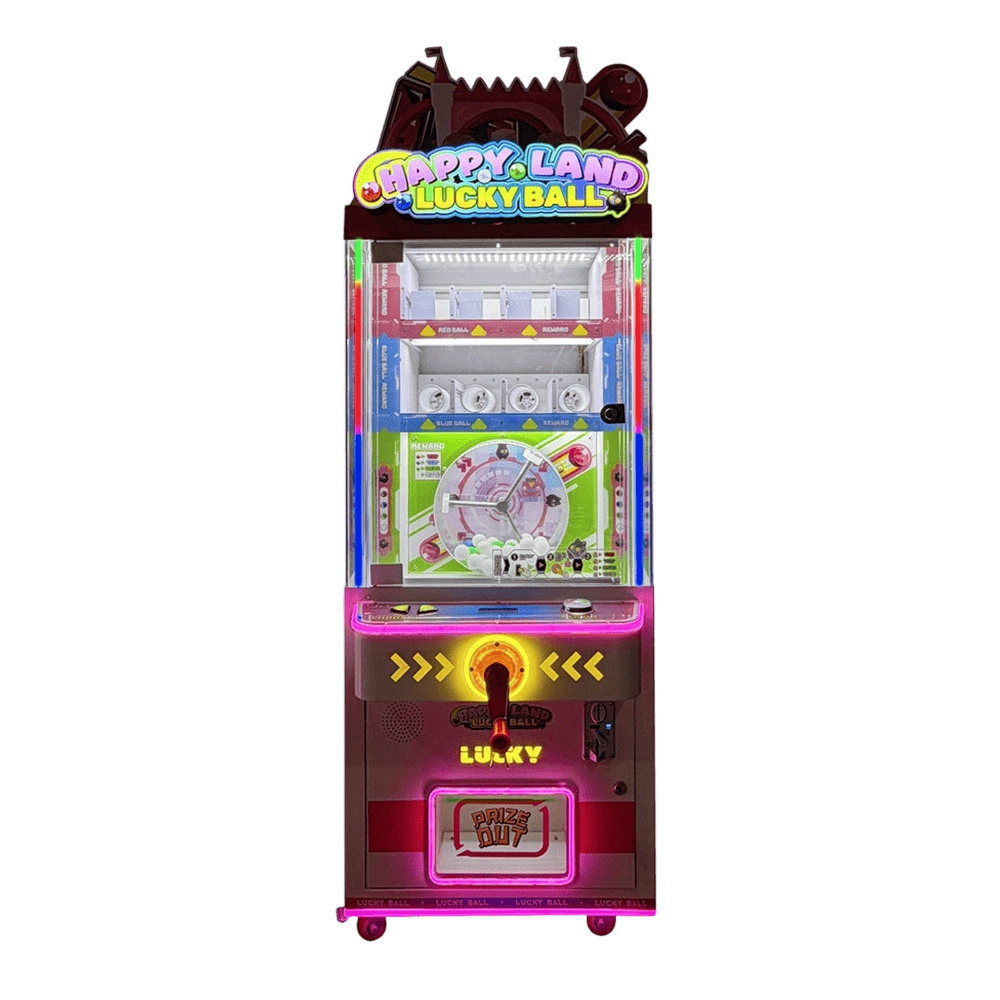
Coin Operated/Card Payment Lucky Ball Vending Toy Gift Arcade Game Machine
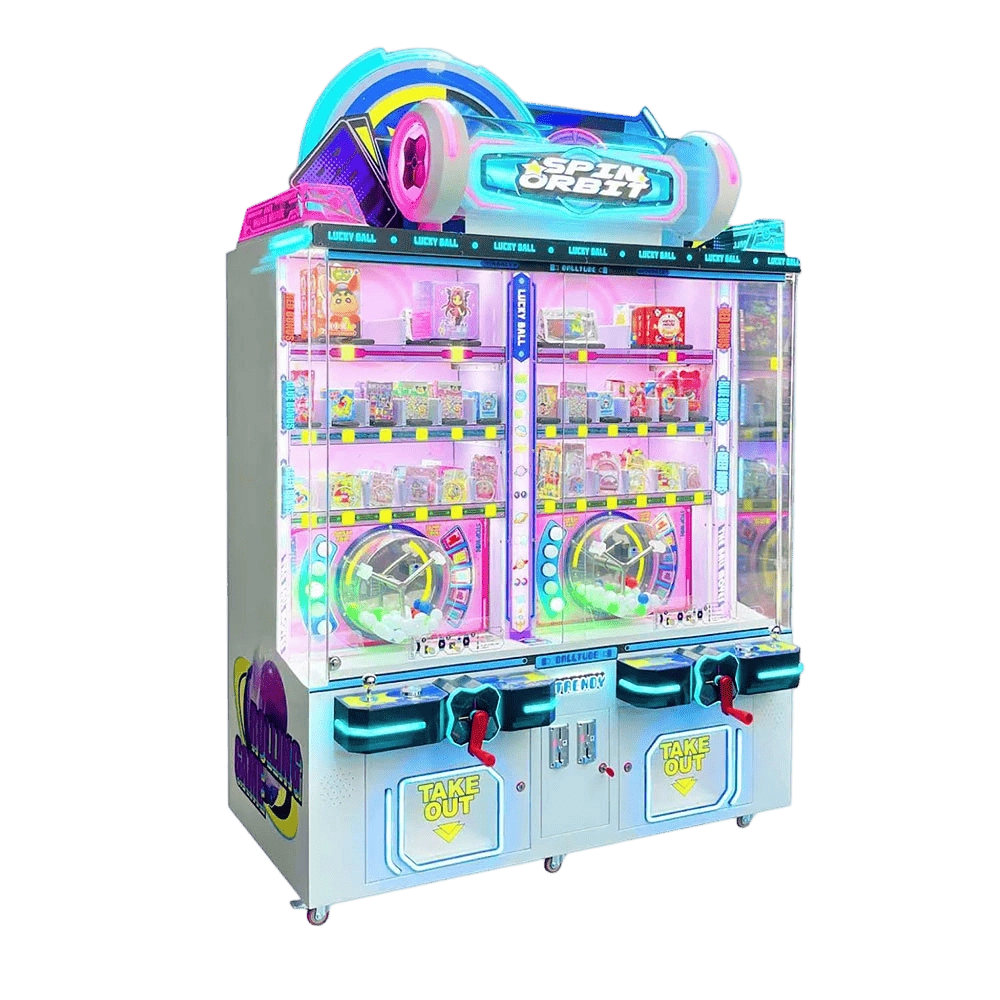
Coin Operated/Card Payment 2 Players SPIN ORBIT Lucky Prize Arcade Game
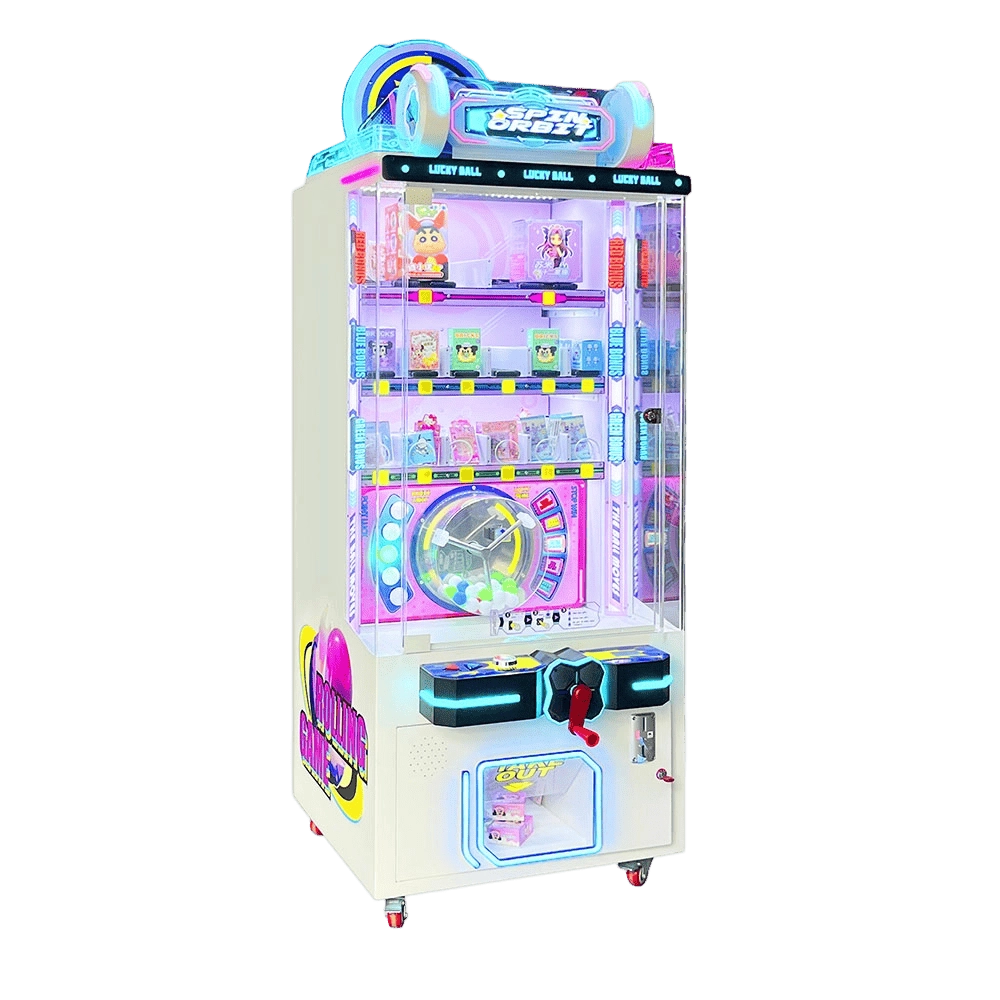
Coin Operated/Card Payment SPIN ORBIT Lucky Prize Arcade Game
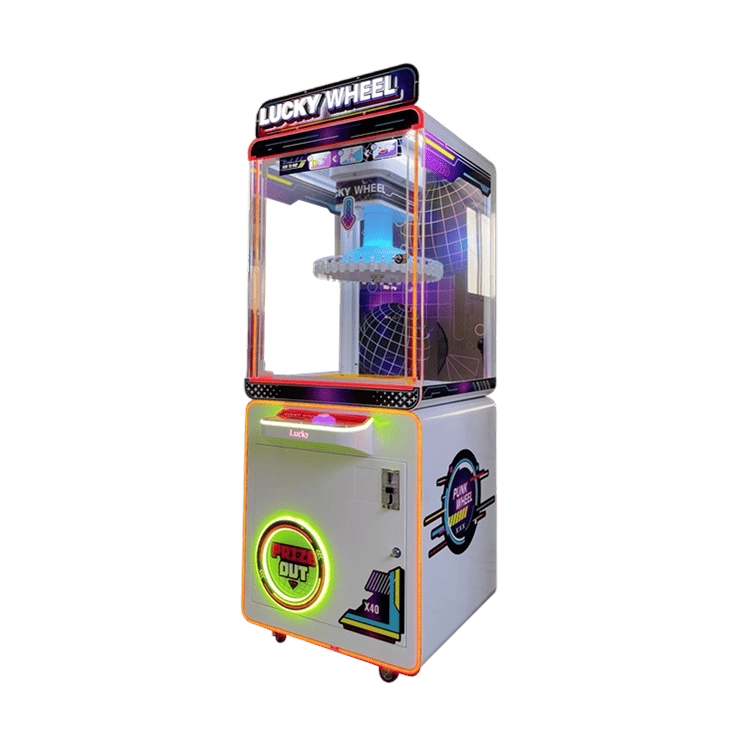
Arcade Prize Lucky Wheel Gift Machine For Amusement Areas
Get in Touch with Jiami Games
If you have any comments or good suggestions, please leave us a message; later our professional staff will contact you as soon as possible.

Innovative Entertainment, at Your Fingertips
Learn about Jiami Games and explore our expertise in console development, innovative design, and global markets.
Quick Links:
© 2026 Jiami Games.
Whatsapp: +8618520390438