






How to Build a Lucrative Arcade Business: The Secret to Selecting High-ROI Coin-Op Machines
Social Media:
- Key Takeaways: The Blueprint for a Profitable Arcade
- What is an Arcade Coin Operated Game in a Commercial Context?
- The Economics of Fun: Analyzing ROI by Game Category
- 1. Redemption Games (Ticket Earning)
- 2. Merchandisers (Claw Machines & Prize Lockers)
- 3. Video & Simulators
- 4. VR Attractions
- Strategic Selection: How to Curate the Perfect Game Mix
- 2026 and Beyond: Future-Proofing Your Coin-Op Investments
- Expert Tips: Common Mistakes New Operators Make
- Why Partnering with Jiami Games Ensures Long-Term Success
- Conclusion & Call to Action
Key Takeaways: The Blueprint for a Profitable Arcade
A lucrative arcade business focuses on the “Game Mix Ratio”—specifically balancing high-traffic redemption games with low-maintenance video cabinets to maximize revenue per square foot. This strategic balance ensures that while some machines draw crowds (anchors), others generate pure profit with minimal overhead.
To succeed in this competitive market, operators must treat their venue as an investment portfolio rather than just a gaming room. The modern arcade is a data-driven retail environment where commercial arcade machine revenue is dictated by floor optimization and technology integration.
- Revenue Density: Prioritize machines based on earnings per square foot, not personal preference.
- Cashless Integration: Modern systems increase consumer spend by an average of 20-30%.
- Durability: Commercial-grade build quality is non-negotiable for high-traffic venues.
- Diversification: Mix redemption (tickets), merchandisers (prizes), and video (experience) units.
What is an Arcade Coin Operated Game in a Commercial Context?
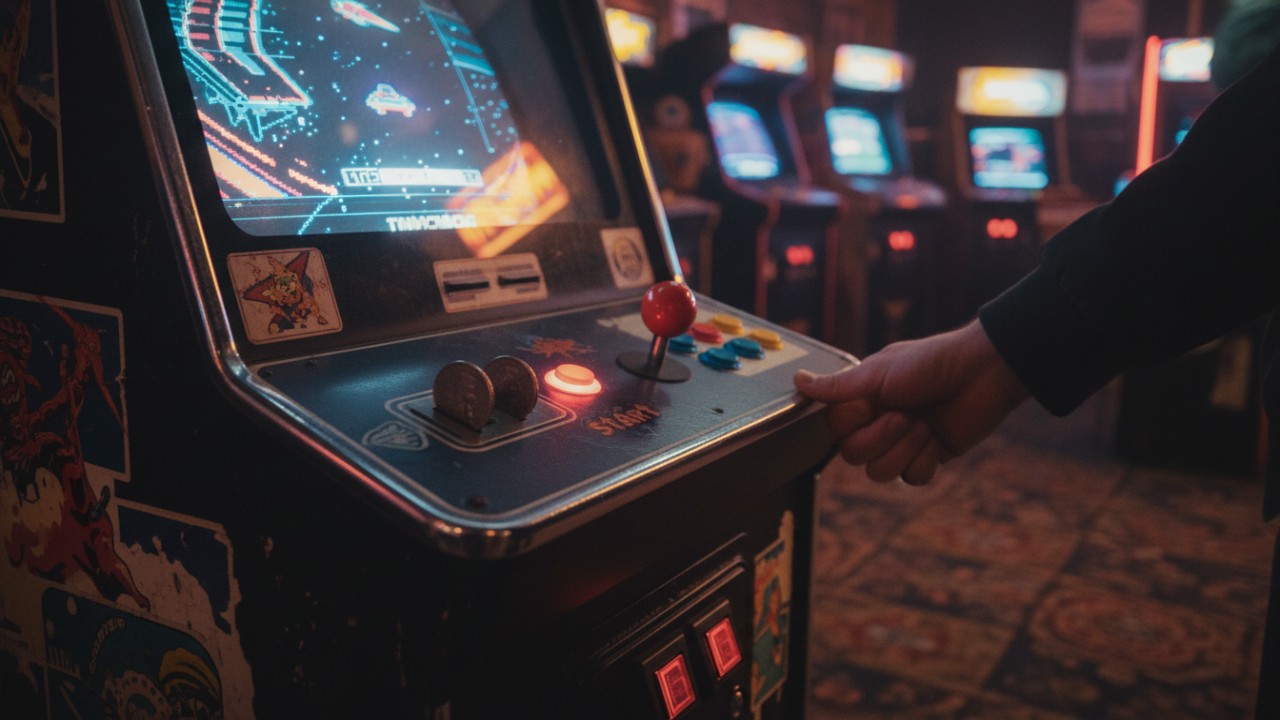
A commercial arcade coin-operated game is a heavy-duty revenue-generating asset designed for public entertainment venues, distinguished by robust industrial build quality, internal audit capabilities, and mechanisms for immediate payment. Unlike home consoles, these units are engineered to withstand thousands of continuous plays per week without hardware failure.
Understanding the distinction between residential and commercial equipment is the first step in your arcade business plan 2026. Commercial units are built with reinforced steel chassis, tempered glass, and industrial-grade microswitches. They are categorized primarily by their specific revenue model:
- Video (Pay-for-Experience): Racing simulators, shooters, and retro cabinets that offer entertainment value.
- Redemption (Pay-for-Tickets): Skill or chance-based games that reward players with tickets redeemable for prizes.
- Merchandiser (Pay-for-Prize): Machines like claw cranes where the player directly wins a product.
The Economics of Fun: Analyzing ROI by Game Category
Return on Investment (ROI) in arcades is calculated by comparing the “Cost of Goods Sold” (COGS)—such as plush toys or tickets—against the daily “Win” (gross revenue) of each machine type. Successful operators rigorously track these metrics to ensure every square foot of floor space is profitable.
Different categories offer vastly different financial profiles. For instance, high-ROI redemption games often have higher operational costs due to restocking prizes but generate significantly higher gross revenue due to the psychological “near-win” effect.
1. Redemption Games (Ticket Earning)
- Pros: Historically the highest grossing category; encourages extended play sessions.
- Cons: Requires constant inventory management for the prize counter.
- ROI Focus: High volume compensates for the cost of tickets/prizes.
2. Merchandisers (Claw Machines & Prize Lockers)
- Pros: High margins if payout rates are calibrated correctly; instant gratification drives repeat plays.
- Cons: Requires attractive, high-quality prizes to entice players.
- ROI Focus: Adjustable “win rates” allow operators to control profit margins precisely.
3. Video & Simulators
- Pros: Lowest operational overhead (no prizes to restock); excellent for “attracting” people to the venue.
- Cons: Earnings ceiling is generally lower than prize games.
- ROI Focus: Long-term consistent earnings with minimal labor.
4. VR Attractions
- Pros: Commands high price-per-play ($5–$10); offers immersive experiences unique to out-of-home entertainment.
- Cons: Higher initial capital expenditure.
Strategic Selection: How to Curate the Perfect Game Mix
Curating the perfect game mix involves applying the “60/40 Rule,” where approximately 60% of floor space is dedicated to redemption and prize games to maximize revenue density. The remaining 40% is allocated to video games and attractions that serve as visual anchors to draw foot traffic.
According to the International Association of Amusement Parks and Attractions (IAAPA), the industry is shifting towards immersive, social experiences. To capitalize on this, your selection strategy must account for demographic targeting and flow.
- The “Anchor” Strategy: Use massive, visual attractions (like 4-player VR setups or giant screens) at the back of the venue to draw foot traffic past other machines.
- Demographic Targeting: “Barcades” targeting adults (25-45) should focus on retro cabinets and pinball, while Family Entertainment Centers (FECs) must prioritize ticket games for kids.
- Inventory Analytics: Leverage Jiami Games inventory data to select machines with proven track records in your specific region.
2026 and Beyond: Future-Proofing Your Coin-Op Investments
Future-proofing your arcade requires integrating digital infrastructure that supports cashless payments, remote monitoring, and hybrid digital-physical gameplay experiences. As we approach 2026, the industry is moving away from physical tokens toward unified ecosystems that reduce friction and labor costs.
One of the most critical upgrades is the adoption of cashless arcade payment systems. Industry data suggests that venues switching to card systems see revenue increases of 20-30% because players are less inhibited by the physical act of inserting coins. Furthermore, coin-op equipment leasing vs buying is becoming a hot topic; leasing allows for faster rotation of high-tech VR units that may become obsolete quickly, while buying remains superior for staple units like claw machines.
- The Cashless Revolution: RFID cards and mobile wallets reduce mechanical jams and theft risk.
- Unattended Retail: Autonomous arcade pods in malls and laundromats are rising, requiring machines with self-resetting features.
- Connectivity: Machines with global leaderboards keep content fresh via cloud updates, extending the asset's lifespan.
Expert Tips: Common Mistakes New Operators Make
The most common mistake new operators make is purchasing residential-grade ”home arcade” cabinets for commercial use, leading to rapid hardware failure and costly downtime. A machine that is “out of order” not only loses revenue but also damages the customer experience and brand reputation.
To ensure your commercial arcade machine revenue remains consistent, avoid these pitfalls:
- Ignoring Preventative Maintenance: Failing to clean optical sensors and coin mechs leads to jams. A simple dust buildup can cost hundreds of dollars in lost weekend sales.
- Poor Layout Flow: Placing high-earning machines in dead zones creates bottlenecks. Ensure ADA-compliant walkways that naturally guide players to premium games.
- Overlooking COGS: Not calculating the cost of plush toys against the price-per-play. If a player wins a $5 toy for $2, you are losing money.
- Financial Structuring: When deciding on coin-op equipment leasing vs buying, consider your cash flow. Leasing preserves capital for build-out, but buying offers better long-term asset value.
Why Partnering with Jiami Games Ensures Long-Term Success
Partnering with Guangzhou Jiami Games Technology Co.,Ltd. provides you with more than just hardware; you gain access to a manufacturing powerhouse with over 70 engineers and a portfolio of 100+ original game programs. Located in Panyu, Guangzhou—the heart of the global arcade manufacturing industry—Jiami Games sells over 20,000 game consoles monthly, proving our scale and reliability.
We understand that a high-ROI redemption game is only as good as its uptime. That is why our “Industry Leading Solution” includes rigorous quality testing and readily available accessories and repair advice.
- Proven Track Record: With clients worldwide placing repeat orders, our machines are battle-tested in diverse markets.
- Innovation: We launch at least 10 new games every year, ensuring your venue stays fresh with the latest trends.
- Customization: We offer customized solutions to help your business stand out, from claw vending machines to complex prize game consoles.
Conclusion & Call to Action
Building a lucrative arcade business requires shifting your mindset from “gamer” to “investor,” focusing heavily on metrics like durability, replayability, and average revenue per user. By selecting the right mix of redemption, video, and merchandising units, and future-proofing with cashless tech, you ensure a sustainable high-ROI operation that withstands market shifts.
According to Grand View Research, the global gaming market is projected to continue its robust growth, offering massive opportunities for operators who modernize early. Now is the time to secure your market share.
Contact Guangzhou Jiami Games Technology Co.,Ltd. today to discuss your specific needs and let our engineers help you build a profitable floor plan.
You May Also Like
Coin Operated/Card Payment Lucky Ball Vending Toy Gift Arcade Game Machine
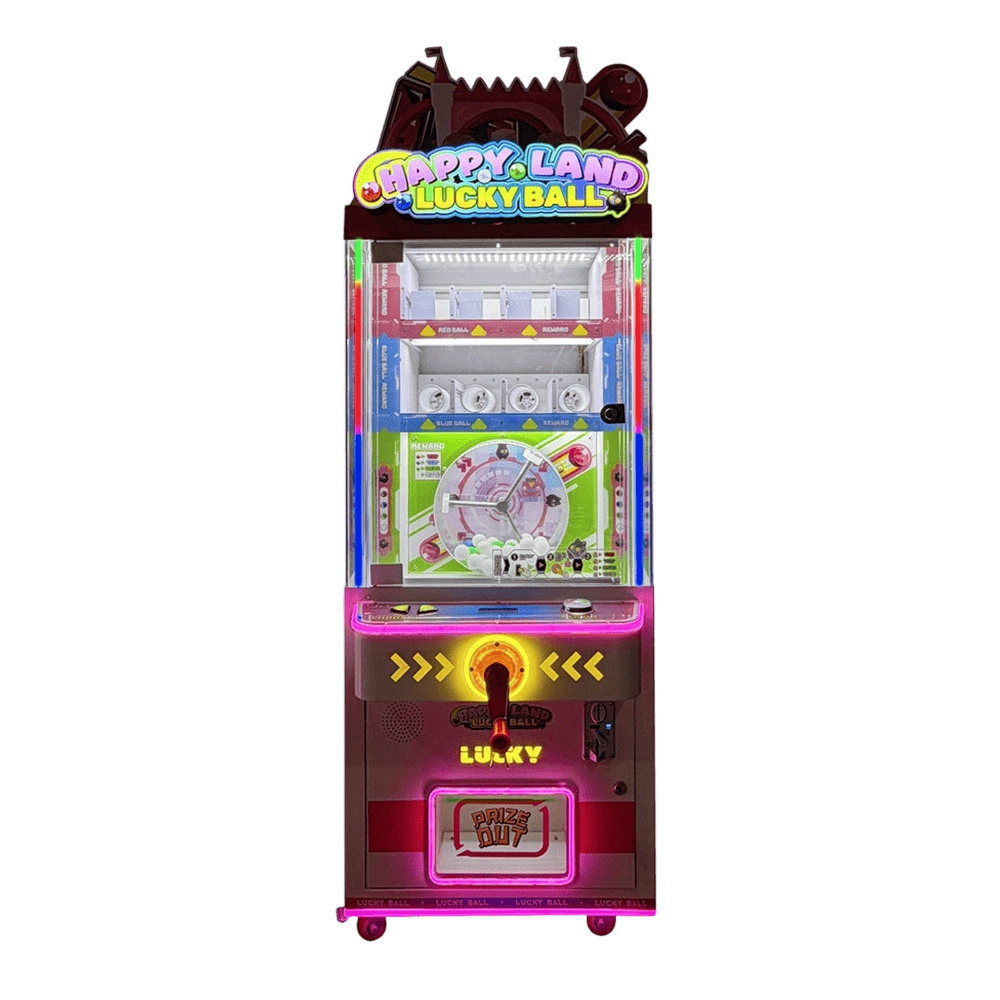
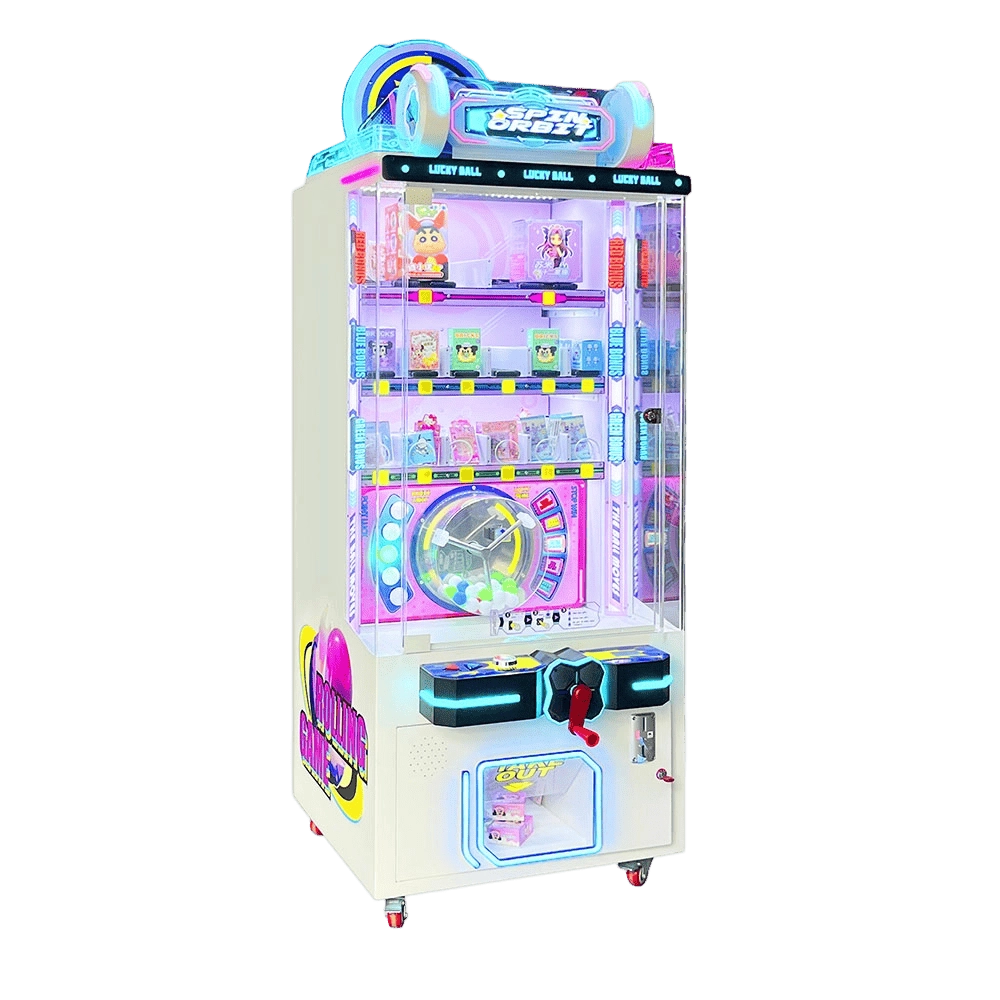
Coin Operated/Card Payment 2 Players SPIN ORBIT Lucky Prize Arcade Game
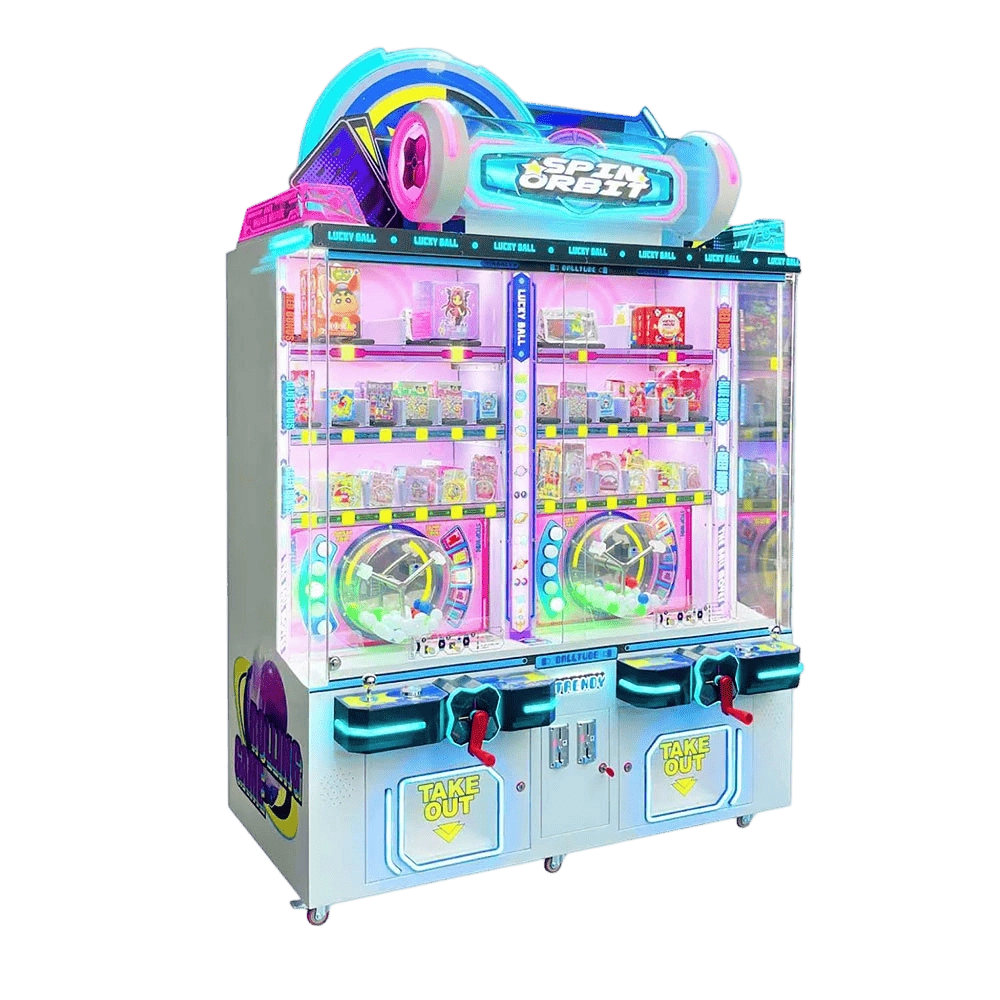
Coin Operated/Card Payment SPIN ORBIT Lucky Prize Arcade Game
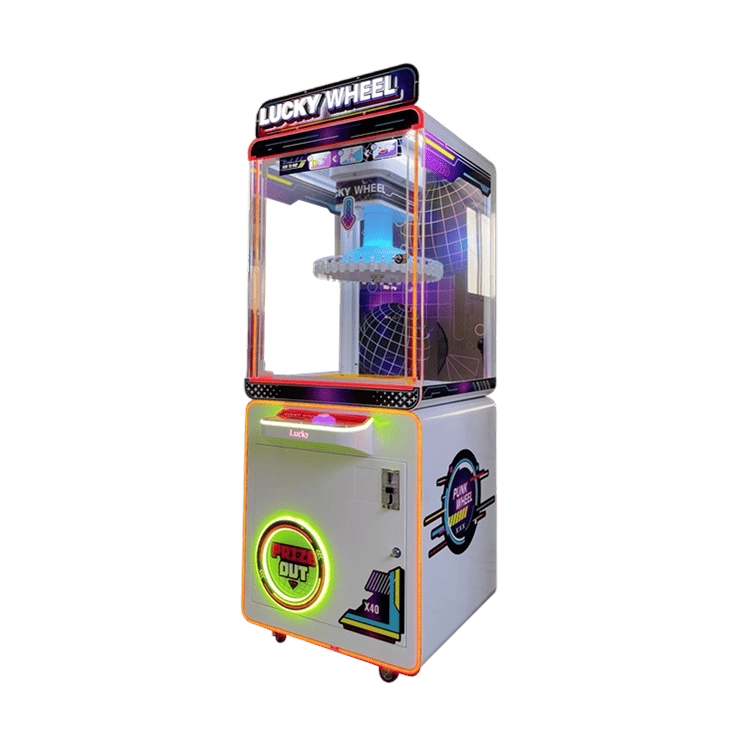
Arcade Prize Lucky Wheel Gift Machine For Amusement Areas
Get in Touch with Jiami Games
If you have any comments or good suggestions, please leave us a message; later our professional staff will contact you as soon as possible.

Innovative Entertainment, at Your Fingertips
Learn about Jiami Games and explore our expertise in console development, innovative design, and global markets.
Quick Links:
© 2026 Jiami Games.
Whatsapp: +8618520390438