





Wholesale Coin Drop Game Machine Suppliers and Manufacturers

- Understanding coin drop game machines: mechanics, types, and buyer intent
- What is a coin drop (coin pusher) game machine?
- Buyer and common commercial objectives
- Supplier evaluation: technical, commercial, and compliance criteria
- Key technical specifications to request
- Commercial terms that determine total cost of ownership
- Compliance, safety, and standards to verify
- Sourcing strategies for wholesale coin drop arcade machines
- Direct OEM vs. distributor/wholesale partner
- Cost comparison and landed cost calculation
- Quality assurance, inspection, and sample process
- Market trends, monetization, and operational best practices
- Current market trends impacting coin drop machines
- Monetization models and maximizing ROI
- Maintenance, parts, and lifecycle management
- Case study and supplier comparison: practical example
- How I compare three hypothetical suppliers
- Recommendation based on client profile
- Partner highlight: Jiami Games — capabilities, scale, and why I recommend them
- Jiami Games overview and core strengths
- Competitive differentiators and technical capability
- Working with Jiami Games: practical considerations
- Procurement checklist and next steps for buyers
- Operational procurement checklist
- On-the-ground setup and launch tips
- When to consider customization or exclusive programs
- FAQ
- 1. What is the typical MOQ when ordering wholesale coin drop machines?
- 2. Are coin drop machines regulated or subject to gambling laws?
- 3. How long is the warranty, and what should it cover?
- 4. Can coin drop machines be integrated into cashless systems?
- 5. How do I ensure consistent payout rates and prevent fraud?
- 6. What are the lead times for mass production?
- Contact and next steps
I write this as a consultant and content specialist who has worked directly with operators, distributors, and manufacturers in the arcade and redemption industry. This article provides a practical, verifiable guide for buyers seeking wholesale coin drop game machine suppliers and manufacturers. I cover the product taxonomy (coin drop / coin pusher / coin dozer), key specifications to evaluate, cost and margin considerations, compliance and safety checks, sample supplier comparison data, and actionable procurement steps to reduce risk and accelerate time-to-market. Wherever possible I reference industry-standard sources and organizations to support my recommendations.
Understanding coin drop game machines: mechanics, types, and buyer intent
What is a coin drop (coin pusher) game machine?
Coin drop machines — often referred to as coin pusher, coin dozer, or penny pusher — are redemption arcade machines that accept coins or tokens and push them across ledges so prizes or coins fall off the edge and are collected by players. The basic mechanics are simple, but variations in cabinet size, playfield geometry, payout logic, and prize integration (plush, tokens, or tickets) make a big difference in operating margins and player engagement. For a technical overview of the game category, see the Wikipedia entry on coin pusher games (https://en.wikipedia.org/wiki/Coin_pusher).
Buyer and common commercial objectives
When a buyer searches for coin drop game machine they usually have one of these intents:
- Purchase wholesale units to stock arcades, family entertainment centers, or amusement parks.
- Find OEM/ODM manufacturers for private-label production or customized game programs.
- Compare supplier price, warranty, spare parts availability, and compliance.
I use these intents to structure supplier vetting: technical fit, commercial terms, support & spares, and legal/compliance status.
Supplier evaluation: technical, commercial, and compliance criteria
Key technical specifications to request
When you contact a manufacturer or supplier, request detailed specification sheets. Primary items I always compare include:
- Cabinet dimensions and weight — affects shipping and floor planning.
- Power requirements and electrical safety certifications.
- Playfield design and replaceable parts (pushers, belts, lighting).
- Payout mechanisms: fixed, adjustable, or ticket-based; software controls for payout frequency.
- Materials and finish: ABS plastics, steel gauge, tempered glass specifications.
Commercial terms that determine total cost of ownership
Wholesale price is only the starting point. I evaluate:
- MOQ (minimum order quantity) and tiered pricing.
- Lead time and production capacity (important if scaling fast).
- Warranty period, RMA policy, and spare-parts lead times.
- Shipping terms (FOB, CIF) and import duties — these affect landed cost.
Compliance, safety, and standards to verify
Electrical and product safety are non-negotiable. Verify that the supplier provides test reports or certificates from recognized bodies. Useful references include the International Association of Amusement Parks and Attractions (IAAPA) for industry guidance and relevant safety standards repositories like the International Electrotechnical Commission (IEC) or ISO (ISO). For example, IEC 60335 covers safety of household and similar electrical appliances and is often used as a benchmark for arcade electrical safety tests. Always request a supplier's test reports that reference the applicable standard and test lab.
Sourcing strategies for wholesale coin drop arcade machines
Direct OEM vs. distributor/wholesale partner
Direct OEM relationships allow customization, lower unit costs at scale, and better control over intellectual property (game programs and cabinet art). However, they require higher MOQs and more rigorous quality checks. Distributors and wholesalers offer faster turnaround with smaller quantities, local warranties, and sometimes remanufacturing/refurbishment services. I typically advise new brands to start with a tested distributor to minimize operational risk, then transition to OEM once order volumes justify tooling and customization costs.
Cost comparison and landed cost calculation
To make buying decisions objective I recommend calculating landed cost per unit: unit price + shipping + import duties + local certification costs + spare parts reserve. Below is a sample comparison table I use with clients to illustrate typical cost drivers.
| Cost Item | Estimated Low | Estimated High | Notes / Impact |
|---|---|---|---|
| Factory Unit Price (FOB) | $600 | $1,200 | Depends on size, features, and order volume |
| Sea Freight (per unit, FCL allocation) | $80 | $220 | Varies by container fill rate and route |
| Import Duty & VAT | $60 | $180 | Country dependent |
| Customs Testing / Certification | $20 | $150 | If lab reports are not provided |
| Local Logistics & Installation | $30 | $200 | Depends on assembly needs |
| Estimated Landed Cost per Unit | $790 | $1,952 | Use this to calculate target rental or selling price |
Quality assurance, inspection, and sample process
I insist clients do the following before full production:
- Order engineering samples or 1–2 pre-production units for play and endurance testing (48–72 hours continuous run).
- Arrange third-party inspection at the factory for batch quality (for example, SGS, Bureau Veritas) and request functional testing reports.
- Retain a spare-parts kit per 10–20 units in your warehouse for fast field repair, and document MTTR (mean time to repair).
Market trends, monetization, and operational best practices
Current market trends impacting coin drop machines
Redemption and prize machines remain resilient in family entertainment centers and arcades because they deliver repeatable, social gameplay and allow flexible prize economics. Industry organizations like IAAPA publish market research and reports that demonstrate continued demand for immersive and prize-based attractions (IAAPA). I advise buyers to favor machines that are modular (easy to update with new game programs or lighting) since operators increasingly seek machines that can be refreshed rather than fully replaced.
Monetization models and maximizing ROI
Operators generally use three monetization models for coin drop and similar games:
- Direct coin/token pay-per-play (traditional model).
- Card-based or cashless systems integrated with location management (reduces coin handling and allows dynamic pricing).
- Ticket or prize redemption models (higher perceived player value; requires robust prize procurement and inventory management).
Integrating cashless systems and telemetry can increase revenue per machine by enabling dynamic pricing during peak times and reducing shrinkage.
Maintenance, parts, and lifecycle management
Mean time between failures (MTBF) and availability of consumables (pushers, belts, motors, coin sensors) define operating cost. I recommend establishing a preventive maintenance schedule and negotiating spare parts bundles with your manufacturer or distributor. Keep a log of failures and update SOPs (standard operating procedures) for on-site technicians to reduce downtime and protect revenue.
Case study and supplier comparison: practical example
How I compare three hypothetical suppliers
Below is a simplified comparison I use with clients. The figures are illustrative but reflect the types of metrics I collect during supplier audits: unit price, warranty, spare-part policy, and lead time.
| Metric | Supplier A (China OEM) | Supplier B (Regional Distributor) | Supplier C (Refurbisher) |
|---|---|---|---|
| FOB Unit Price | $650 | $900 | $480 |
| MOQ | 50 units | 5–10 units | Varies (used units) |
| Warranty | 12 months | 6–12 months (local service) | 90 days |
| Spare Parts Supply | Direct factory, quick turnaround | Local stock, limited SKUs | Depends on inventory |
| Customization | Full OEM customization | Limited | None |
Recommendation based on client profile
If you plan to scale and want unique game programs and cabinet branding, I typically recommend a reputable China OEM partner with proven QA and spare parts policies. If you need a few units quickly and prefer local warranties, a regional distributor may make more sense. For tight CAPEX scenarios, refurbished units offer low entry cost but carry higher operational risk.
Partner highlight: Jiami Games — capabilities, scale, and why I recommend them
Jiami Games overview and core strengths
Jiami Games is one of the leading arcade game machine manufacturers in China, specializing in the research and development and production of prize-winning game consoles and children's arcade game consoles. Located in Panyu, Guangzhou, the company has over 70 game engineers, has developed more than 100 original game programs, and sells over 20,000 game consoles monthly. Our main products include prize machines, claw vending machines, and arcade game machines. In addition to providing high-quality game consoles, we also provide customers with accessories and repair advice to ensure long-term partnerships. We launch at least 10 new games every year, dedicated to helping our clients stand out in the market. Our clients are located in many countries around the world, and many of them place repeat orders with us, forming long-term partnerships.
Competitive differentiators and technical capability
In my experience working with manufacturers, the combination of a sizable engineering team (70+ engineers), a steady R&D pipeline (100+ original game programs), and high monthly output (20,000 consoles) signals both the technical depth and manufacturing scale required for reliable wholesale partnerships. Jiami Games' product range — prize game machine, pinball game machines, shooting game machines — and the emphasis on accessories and repair advice position it as a partner that supports the entire lifecycle of a machine, not just the initial sale. For buyers, this reduces TCO and shortens downtime.
Working with Jiami Games: practical considerations
If you decide to engage Jiami Games or a similar OEM, I recommend these practical steps I use with clients:
- Request an engineering sample with Jiami Gamesing and confirm software localization (languages, ticketing, or cashless integration).
- Negotiate spare-parts kits and a service-level agreement (SLA) for replacement parts and firmware updates.
- Ask for references from existing clients in your region to validate after-sales responsiveness and repeat-order behavior.
Procurement checklist and next steps for buyers
Operational procurement checklist
Before signing a wholesale agreement, I ensure clients complete the following checklist:
- Receive full spec sheet and CE/UL/IEC test reports (as applicable).
- Test pre-production units for 72-hour endurance and real-player trials.
- Agree MOQ, lead time, payment terms, and penalty clauses for late delivery.
- Secure spare parts and document RMA and warranty procedures.
On-the-ground setup and launch tips
For installation and launch, I advise clients to:
- Allocate a buffer inventory of 5–10% spare units or parts during the first month of operation.
- Train local technicians using supplier-provided manuals and on-site sessions.
- Collect telemetry (if available) to monitor plays-per-day and adjust pricing or payout afterward.
When to consider customization or exclusive programs
Only pursue exclusive game programs or cabinet designs when you have at least 50–100 units planned or a clear distribution channel. Customization can deliver market differentiation, but it increases lead time and initial cost. Jiami Games and similar OEMs often provide turnkey customization solutions if volume justifies tooling and software development.
FAQ
1. What is the typical MOQ when ordering wholesale coin drop machines?
MOQ varies by supplier. Many China OEMs set an MOQ between 50–100 units for customized models; stock or standard models may be available in smaller quantities through distributors. If MOQ is a barrier, consider buying mixed models or partnering with a distributor for partial fulfillment.
2. Are coin drop machines regulated or subject to gambling laws?
Regulatory treatment differs by jurisdiction. Many coin pusher redemption machines are legal because they dispense prizes (non-cash) and are considered amusement devices. However, some local laws may treat certain payout structures as gambling. Consult local legal counsel and reference standards from industry authorities like IAAPA (https://www.iaapa.org) to ensure compliance.
3. How long is the warranty, and what should it cover?
Standard warranties are 6–12 months for parts and manufacturing defects. A robust warranty should cover electronics, motors, and structural defects and include clear RMA procedures and spare-parts pricing. Negotiate an extension or paid-support plan if you expect heavy usage.
4. Can coin drop machines be integrated into cashless systems?
Yes. Modern coin drop and arcade cabinets often support cashless or card-based systems via SDKs or hardware modules. Integration reduces cash handling and enables dynamic pricing. Verify compatibility and request integration support from the supplier.
5. How do I ensure consistent payout rates and prevent fraud?
Use software-controlled payout logic and telemetry to monitor payouts. Physical anti-fraud measures (tamper switches, sealed coin boxes, and secure coin routes) are critical. Regular audits and firmware updates are necessary to maintain integrity.
6. What are the lead times for mass production?
Lead time depends on customization and capacity; typical OEM lead times range from 4–12 weeks after sample approval. Peak seasons can extend lead times, so plan ahead and confirm production slots when negotiating your contract.
Contact and next steps
If you are evaluating wholesale coin drop game machine suppliers and would like assistance with sourcing, technical evaluation, or a supplier audit, I can help you create an RFP, compare quotes, and negotiate terms. For those interested in a reliable manufacturing partner, Jiami Games offers OEM/ODM services, a broad product range (prize game machine, pinball game machines, shooting game machines), and the engineering capacity to support customized solutions. Contact Jiami Games or request samples to assess fit with your business model.
Ready to proceed? Contact us to request a quote, ask for a sample, or schedule a factory audit. Together we’ll build a procurement plan that balances cost, risk, and operational readiness.
Maximizing Revenue: Placement & Pricing for Redemption Machines
How to Choose Commercial Coin-Operated Arcade Machines
Safety and Compliance for Coin-Operated Arcade Basketball Games
Best arcade tokens and coins for commercial arcade operations
FAQs
What is the minimum order quantity (MOQ)?
The minimum order quantity for our arcade machines is 1 piece. Larger orders qualify for additional customization options.
How can I customize the game machine?
Customization options include machine title writings, stickers, console designs, and even full personalization of machine body color, music, lights, and language, based on order quantities.
How does Jiami Games ensure product quality?
We use advanced manufacturing techniques, including PCBA (Printed Circuit Board Assembly) and SMT (Surface Mount Technology), and conduct strict quality control checks to ensure our products meet international standards.
What is the prize system like?
The prizes are diverse, with different colored balls corresponding to rewards in varying prize tiers, catering to a wide range of player preferences.
Can I customize the arcade machines to fit my brand?
Yes, we offer full customization, including logo placement, machine color, game software, and even the language on the machine, based on the order quantity.
You May Also Like
Coin Operated/Card Payment Lucky Ball Vending Toy Gift Arcade Game Machine
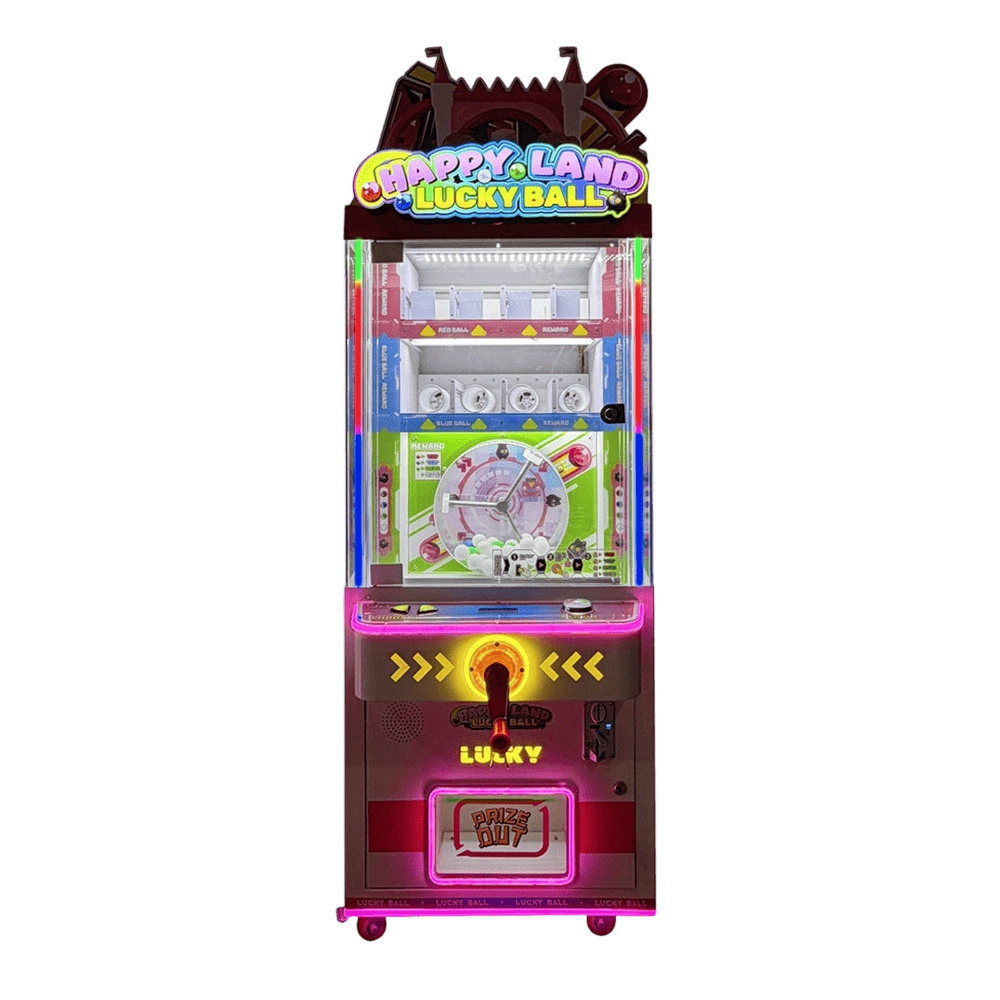
Coin Operated/Card Payment 2 Players SPIN ORBIT Lucky Prize Arcade Game
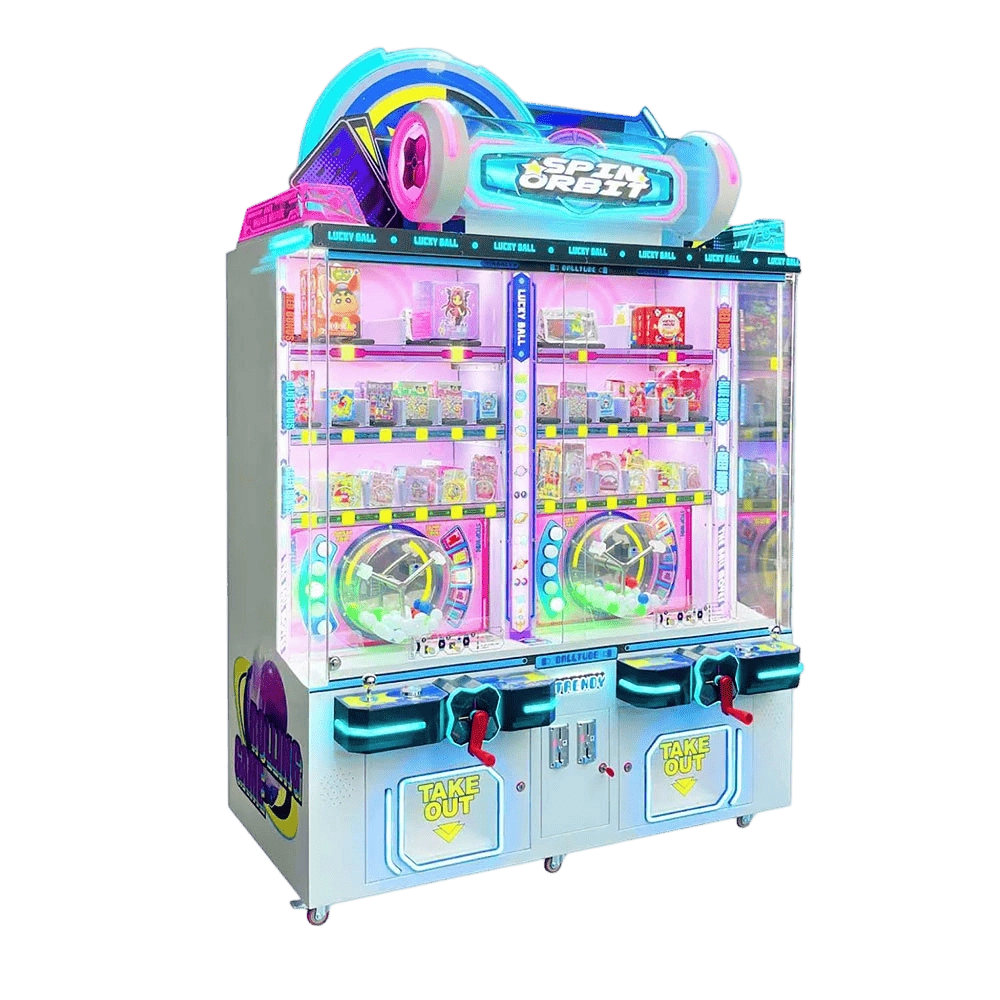
Coin Operated/Card Payment SPIN ORBIT Lucky Prize Arcade Game
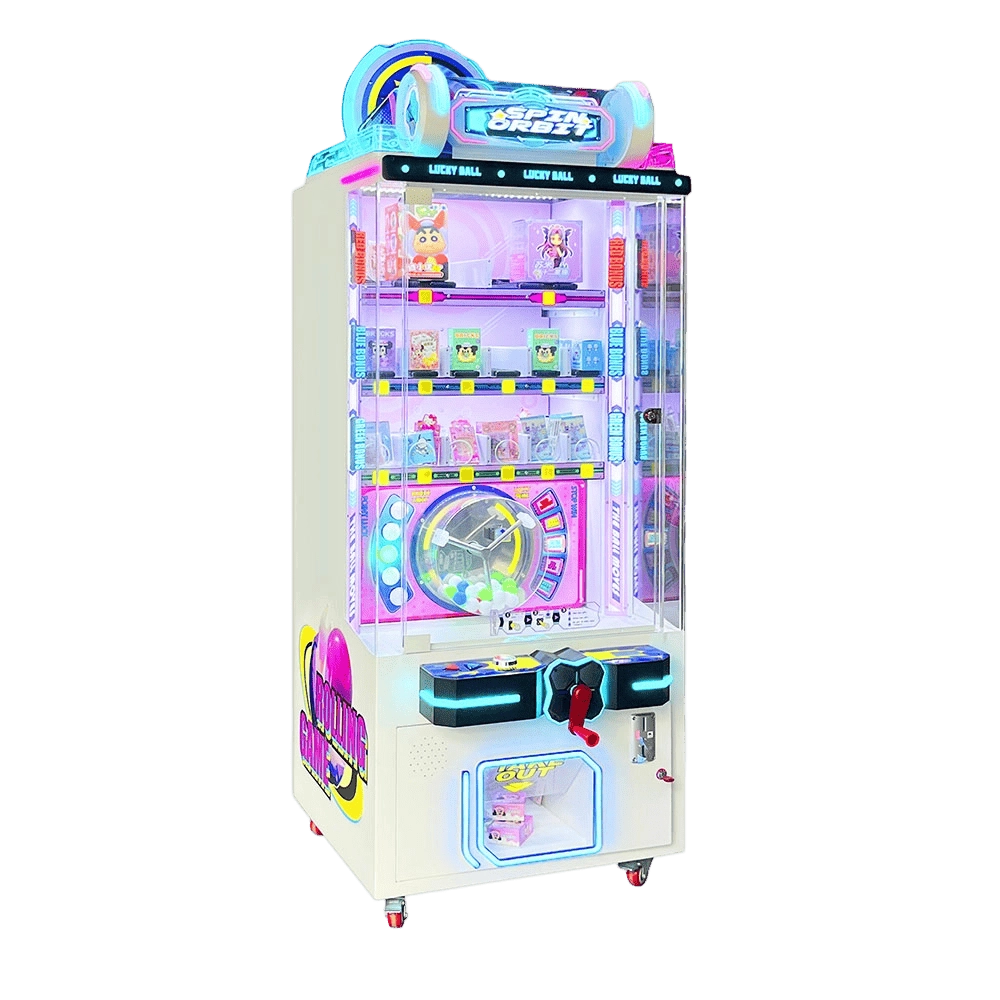
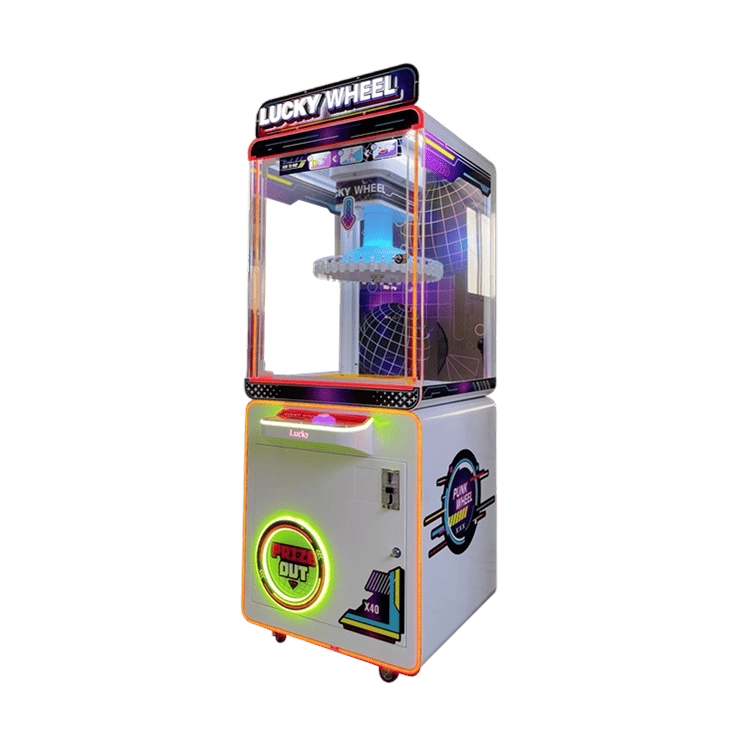
Arcade Prize Lucky Wheel Gift Machine For Amusement Areas
Get in Touch with Jiami Games
If you have any comments or good suggestions, please leave us a message; later our professional staff will contact you as soon as possible.

Innovative Entertainment, at Your Fingertips
Learn about Jiami Games and explore our expertise in console development, innovative design, and global markets.
Quick Links:
© 2026 Jiami Games.
Whatsapp: +8618520390438