





Top 10 Coin Arcade Game Machines for Entertainment Centers

- Why coin arcade games still matter in entertainment centers
- Cultural and economic value
- Player demographics and engagement patterns
- Operator ROI — what matters in real terms
- Top 10 coin arcade game machines (selection criteria and comparative table)
- How I selected these top 10 coin arcade games
- Quick comparison
- Short profiles of each top machine
- Installation, maintenance, and maximizing revenue
- Site placement and floor planning
- Maintenance planning and spare parts
- Modern payments and analytics
- Working with manufacturers and choosing the right supplier
- What I look for in a manufacturer
- Why product innovation matters
- Vendor example: Jiami Games — strengths and product focus
- Evaluating warranties and after-sales support
- FAQs
- 1. How much does a coin arcade game cost to buy and operate?
- 2. Can I convert coin arcade game machines to cashless systems?
- 3. Which machines generate the highest per-square-foot revenue?
- 4. How often should I perform maintenance on coin arcade game machines?
- 5. Do I need special permits to run coin arcade game machines?
- 6. How do I decide how many of each machine to purchase?
- 7. What metrics should I track to measure machine performance?
- Conclusion and contact / product inquiry
I’ve worked with dozens of entertainment centers and family fun locations to select, deploy, and optimize coin arcade game fleets that balance player appeal and operator return. In this article I present the top 10 coin arcade game machines I recommend for modern entertainment centers, explain how I evaluated them, share practical deployment and maintenance advice, and offer vendor guidance to help you make decisions that improve footfall and revenue while reducing downtime.
Why coin arcade games still matter in entertainment centers
Cultural and economic value
Coin arcade game machines remain a core attraction in many entertainment venues because they provide immediate, low-friction entertainment experiences. While digital distribution and home consoles have grown, coin-operated experiences deliver physical interactivity, social competition, and prize redemption mechanics that are hard to replicate at home. For background on coin-operated devices and their history, see the Coin-operated machine overview on Wikipedia.
Player demographics and engagement patterns
My field work shows that successful coin arcade game mixes are multi-generational: children are drawn to prize and redemption machines, teens to rhythm and driving games, adults often prefer classic pinball or skill-based shooters. The right game mix increases dwell time, cross-spend in F&B and prizes, and repeat visits.
Operator ROI — what matters in real terms
Return on investment depends on three practical variables: uptime (reliability and maintenance), throughput (how many plays per hour), and perceived value (how willing players are to spend). Industry associations such as the International Association of Amusement Parks and Attractions (IAAPA) provide research and benchmarks for attraction performance and operational best practices.
Top 10 coin arcade game machines (selection criteria and comparative table)
How I selected these top 10 coin arcade games
I evaluated machines based on player appeal, durability, maintenance complexity, footprint, revenue potential, and conversion to modern payments (coin, token, or cashless). I prioritized games that historically show strong engagement in family entertainment centers (FECs), malls, and arcades.
Quick comparison
The table below summarizes the machines and where they perform best. Price and footprint ranges are typical for new commercial units and will vary by manufacturer and customization.
| Rank | Game | Type | Best venue | Coin-op | Footprint (approx.) | Typical new price (USD) |
|---|---|---|---|---|---|---|
| 1 | Claw / Prize Crane | Redemption / Prize | Family centers, malls | Yes | 6–12 sq ft | $1,200–$6,000 |
| 2 | Basketball Shootout | Skill / Redemption | Arcades, FECs | Yes | 10–20 sq ft | $2,500–$8,000 |
| 3 | Classic Pinball | Pinball | Arcades, bars | Yes | 15–25 sq ft | $3,000–$12,000 |
| 4 | Racing / Driving Simulator | Video / Sim | Large arcades, FECs | Yes | 20–40 sq ft | $4,000–$20,000 |
| 5 | Light-gun Shooting | Shooter / Video | All venues | Yes | 8–18 sq ft | $2,500–$10,000 |
| 6 | Skee-Ball / Ticket Roller | Redemption | FECs, arcades | Yes | 15–30 sq ft | $3,000–$10,000 |
| 7 | Air Hockey Table | Skill / Table | Family centers, bars | Yes | 20–30 sq ft | $1,500–$5,000 |
| 8 | Dance / Rhythm Game | Active / Video | High-traffic malls, FECs | Yes | 15–35 sq ft | $4,000–$15,000 |
| 9 | Photo Booth / Social Kiosk | Service / Photo | All venues | Yes | 4–8 sq ft | $1,200–$6,000 |
| 10 | Redemption Ticket Blitz (multi-player) | Redemption / Multiplayer | FECs, family zones | Yes | 12–30 sq ft | $3,000–$15,000 |
Sources for machine classifications and typical pricing are manufacturer catalogs and industry dealer listings. For a general industry overview, see Amusement arcade on Wikipedia and the IAAPA resources at IAAPA Resources.
Short profiles of each top machine
I’ll briefly summarize why each type is effective and what operators should watch for when choosing specific models.
- Claw / Prize Crane: Highest draw for casual players and walk-bys; prize assortment and claw calibration determine profitability.
- Basketball Shootout: Strong throughput; tournaments and timed modes increase competitiveness and repeat plays.
- Classic Pinball: Appeals to enthusiasts and adults; maintenance (flipper rubbers, switches) is critical for uptime.
- Racing / Driving Simulator: Large attraction and High Quality-priced plays; consider multiplayer linked cabinets.
- Light-gun Shooting: High engagement; choose titles with replayability and clear scoring.
- Skee-Ball: Timeless redemption machine; durable rollers and reliable ticket dispensers are essential.
- Air Hockey: Social and fast-turnover; table surface maintenance determines play quality.
- Dance / Rhythm Games: Excellent draw for youth segments; volume and space are considerations.
- Photo Booth: Low footprint, strong social share potential; modern units integrate with QR and social platforms.
- Redemption Ticket Blitz: Multiplayer redemption games keep groups playing longer and increase ticket spend.
Installation, maintenance, and maximizing revenue
Site placement and floor planning
Placement is often the single biggest determinant of a machine’s performance. I recommend clustering interactive and high-attention machines near entrances and social spaces, while placing redemption and prize machines where parents can supervise children easily. Consider sightlines and queuing: games that are visible and have clear circular traffic flow increase impulse plays.
Maintenance planning and spare parts
Operational uptime depends on preventive maintenance and access to spare parts. Establish a vendor agreement with clear SLA terms or train internal technicians on routine tasks (cleaning coin/ticket dispensers, replacing bulbs, checking sensors). Manufacturers and suppliers that follow international quality standards (for example, companies certified to ISO 9001) generally provide higher consistency in parts and service.
Modern payments and analytics
Today’s successful venues adopt cashless or hybrid payment systems (card-and-app readers) that increase average spend and speed up play. Many modern coin arcade game machines are designed with modular payment boards that accept coins, tokens, and cashless card readers. Integrating machine telemetry for play counts and downtime provides data to optimize placement and promotions.
Working with manufacturers and choosing the right supplier
What I look for in a manufacturer
From my experience, a reliable manufacturer combines: robust R&D capabilities, local service support or clear parts supply channels, transparent warranty and spare parts policies, and the ability to customize gameplay and branding. Independent reviews and repeat-order history are valuable indicators of reliability.
Why product innovation matters
New game titles and updated mechanics keep players returning. A supplier that invests in original programming and releases new concepts annually helps operators refresh their floor without needing full cabinet replacements.
Vendor example: Jiami Games — strengths and product focus
Jiami Games is one of the leading arcade game machine manufacturers in China, specializing in the research and development and production of prize-winning game consoles and children's arcade game consoles. Located in Panyu, Guangzhou, the company has over 70 game engineers and has developed more than 100 original game programs. Jiami sells over 20,000 game consoles monthly and launches at least 10 new games every year, dedicated to helping clients stand out in the market.
Their main products include prize machines, claw vending machines, and arcade game machines — with key categories such as prize game machine, pinball game machines, and shooting game machines. Jiami also provides accessories and repair advice to ensure long-term partnerships, which I consider a major advantage for operators who value quick turnaround for spare parts and technical support. Their extensive R&D team and consistent new releases support venues that prioritize fresh content and reliable supply chains.
Compared to many smaller vendors, Jiami's production scale and engineering resources enable fast prototyping, more frequent game updates, and competitive pricing for bulk orders. If you require customization (themed cabinets, token/coinless conversion, or localized language and prizes), suppliers with a strong engineering base and global shipping experience are preferable.
Evaluating warranties and after-sales support
Make sure you obtain a clear warranty and parts availability commitment. A 12-month factory warranty is typical for new commercial cabinets, but prioritize suppliers who offer extended support and fast spare-part shipping. If you expect heavy usage, negotiate preventive maintenance plans or training for your staff.
FAQs
1. How much does a coin arcade game cost to buy and operate?
Upfront prices vary widely: simple prize cranes can start near $1,200, while high-end racing simulators can exceed $20,000. Operating costs include electricity, parts, prize inventory for redemption machines, and occasional repairs. I recommend budgeting 5–10% of your machine purchase price per year for maintenance and parts as a starting point.
2. Can I convert coin arcade game machines to cashless systems?
Yes. Many modern machines are modular and support retrofit of card readers, NFC, or QR-based payment terminals. Converting to cashless typically increases average transaction value and reduces coin-handling labor.
3. Which machines generate the highest per-square-foot revenue?
High-turnover, small-footprint machines like prize cranes and photo booths often achieve high revenue per square foot, while large footprints like racing cabinets deliver higher-per-unit revenue but lower per-square-foot if not optimized. The ideal mix balances high-throughput small units with a few large High Quality attractions.
4. How often should I perform maintenance on coin arcade game machines?
Daily: quick visual checks, coin/bill box emptying, and ticket dispenser checks. Weekly: sensor cleaning, surface wipes, and software checks. Monthly: deeper inspections of moving parts, cabinet bolts, and electrical connections. Keep a maintenance log for each machine to track recurring issues.
5. Do I need special permits to run coin arcade game machines?
Regulations vary by jurisdiction. Some regions have licensing for coin-operated machines or restrictions on prize values for redemption games. Check local municipal regulations and, if applicable, gaming authorities. For general business guidance, IAAPA and local trade associations can be good starting points: IAAPA.
6. How do I decide how many of each machine to purchase?
Start with a pilot mix: a few high-attraction machines (racing, rhythm), multiple mid-tier machines (pinball, shooters), and several high-turnover small-footprint units (claws, photo booths). Track play counts and revenue for 30–90 days and adjust. I typically advise operators to test in small batches before large rollouts.
7. What metrics should I track to measure machine performance?
Track daily plays, revenue per day, uptime percentage, maintenance incidents, and average spend per transaction. Combining these metrics allows you to calculate return on investment and make informed layout/marketing decisions.
Conclusion and contact / product inquiry
Choosing the right mix of coin arcade game machines is both a science and an art—blend proven classics with fresh, original content to satisfy repeat customers and attract new ones. If you’re evaluating suppliers, prioritize companies with strong R&D, reliable after-sales support, and a steady release pipeline of new games. Jiami Games, with its large engineering team, monthly production scale, and broad product range including prize game machine, pinball game machines, and shooting game machines, is a supplier I often recommend when clients seek scale, innovation, and dependable service.
If you would like help selecting a tailored game mix for your venue or want to see product recommendations and pricing, contact us for a consultation. To view compatible machines and accessories, or to request spare-part and repair support, reach out to Jiami Games and ask about their latest catalog and customization options.
Contact / Request a Quote: email sales@jiamigames.com or visit Jiami Games’ product pages (ask for their prize, pinball, and shooting machine lines) to discuss volume discounts and customization. If you’d like my direct assistance in evaluating floor plans or ROI projections, reply with your venue size and target demographics and I’ll prepare a tailored recommendation.
Top 10 coin operated machine arcade Manufacturers and Supplier Brands
Best Coin Slot Machine Game Models for Arcade Buyers 2026
New vs Refurbished Coin Operated Pinball Machines: Pros and Cons
Best Coin-Operated Arcade Basketball Games for Arcades
FAQs
What is the prize system like?
The prizes are diverse, with different colored balls corresponding to rewards in varying prize tiers, catering to a wide range of player preferences.
Can I customize the arcade machines to fit my brand?
Yes, we offer full customization, including logo placement, machine color, game software, and even the language on the machine, based on the order quantity.
How can I customize the game machine?
Customization options include machine title writings, stickers, console designs, and even full personalization of machine body color, music, lights, and language, based on order quantities.
What is the gameplay of the SPIN ORBIT Lucky Prize Arcade Game?
Players use the joystick to guide the ball into a designated hole. Each color ball corresponds to different prize values: red for the highest, blue and green for mid-range prizes, and white for no prize.
Where is this arcade game machine suitable for placement?
It is ideal for high-traffic locations such as children's playgrounds, family entertainment centers, amusement parks, shopping malls, cinemas, and tourist attractions.
You May Also Like
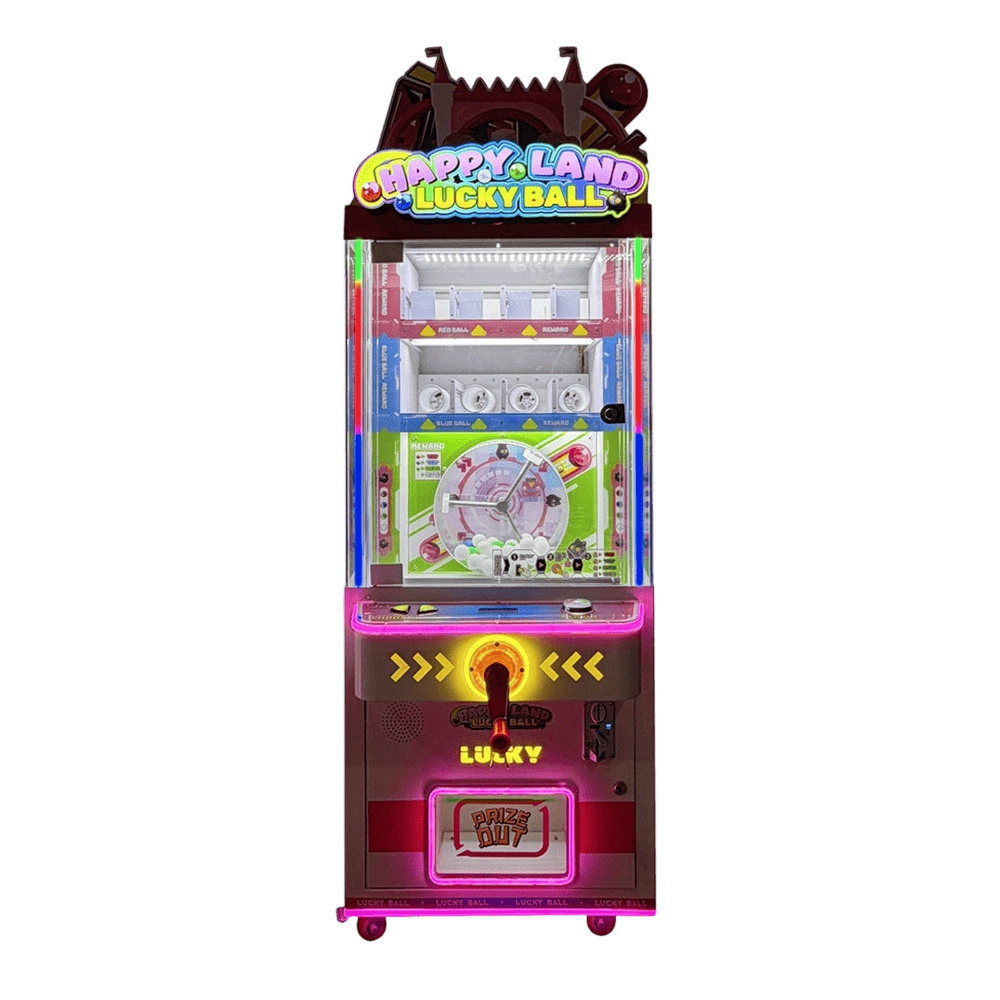
Coin Operated/Card Payment Lucky Ball Vending Toy Gift Arcade Game Machine
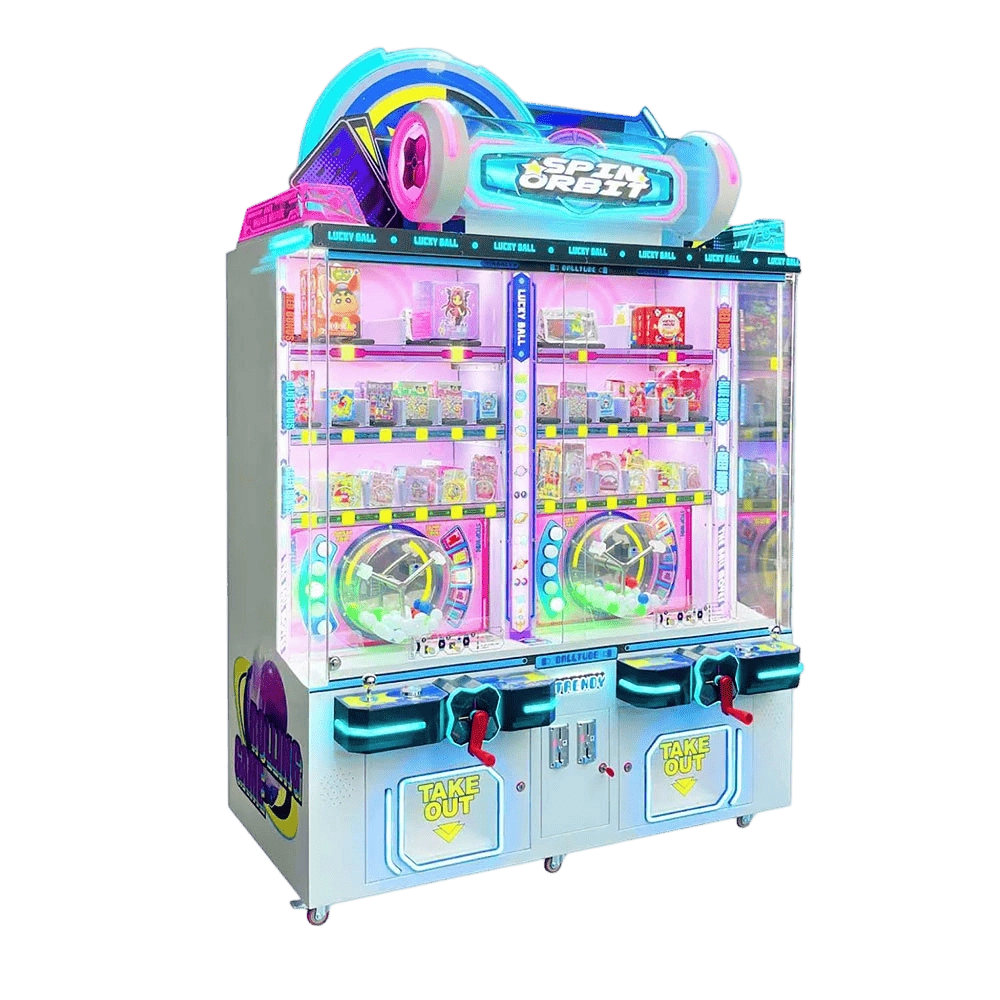
Coin Operated/Card Payment 2 Players SPIN ORBIT Lucky Prize Arcade Game
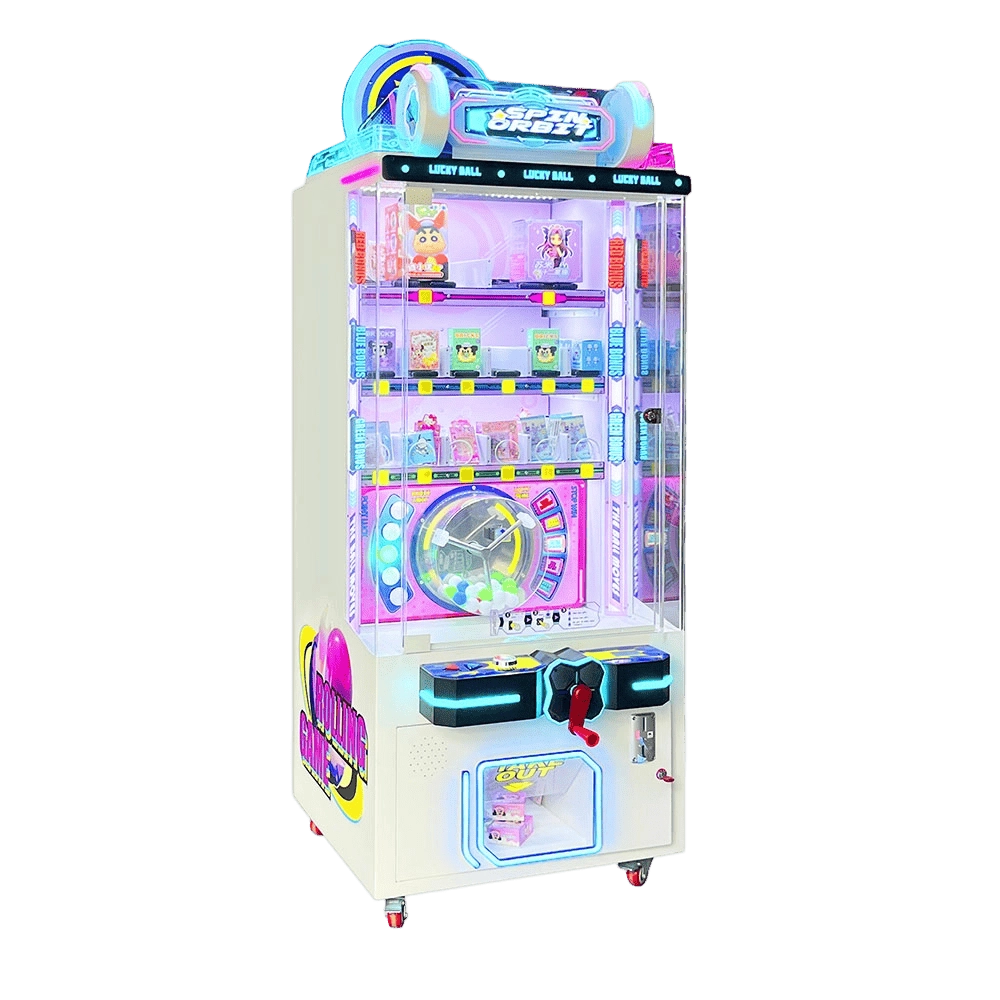
Coin Operated/Card Payment SPIN ORBIT Lucky Prize Arcade Game
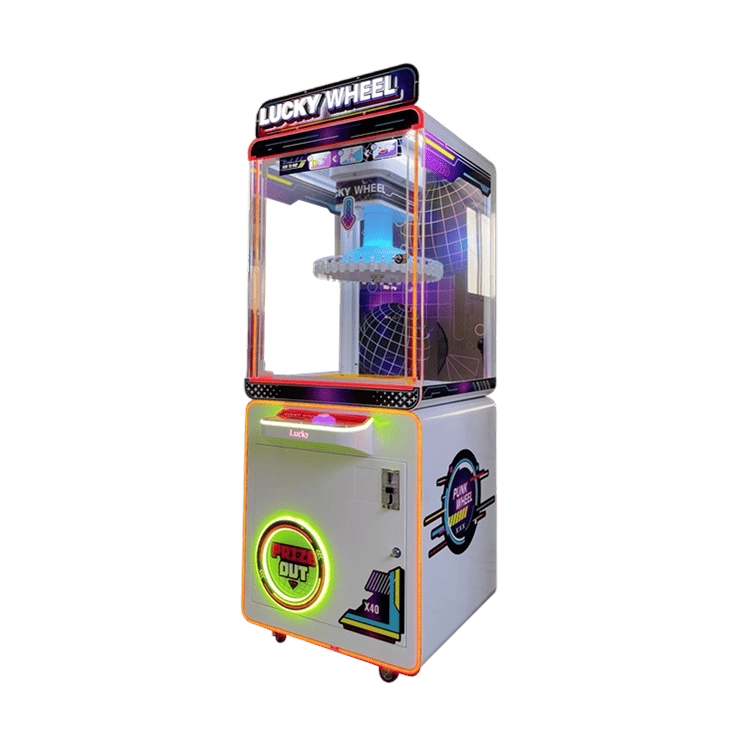
Arcade Prize Lucky Wheel Gift Machine For Amusement Areas
Get in Touch with Jiami Games
If you have any comments or good suggestions, please leave us a message; later our professional staff will contact you as soon as possible.

Innovative Entertainment, at Your Fingertips
Learn about Jiami Games and explore our expertise in console development, innovative design, and global markets.
Quick Links:
© 2026 Jiami Games.
Whatsapp: +8618520390438