






ROI and Profitability of Coin Operated Arcade Machines

- Understanding revenue drivers in location-based entertainment
- Primary revenue streams for coin operated arcade machines
- How location and foot traffic translate to take-per-day
- Calculating ROI for coin operated arcade machines
- Key financial metrics I use
- Sample ROI model and assumptions
- Operational costs, maintenance, and legal considerations
- Typical operating expense categories
- Maintenance, uptime, and spare parts strategy
- Regulatory and safety considerations
- Choosing machines, pricing strategies, and placement for maximum profit
- Machine selection and lifecycle value
- Dynamic pricing and promotions
- Site selection checklist
- Supplier strategy and manufacturer selection (why the manufacturer matters)
- What I look for in a manufacturer
- Case example: Jiami Games — supplier profile and advantages
- Questions to ask potential suppliers
- Data-driven decisions and benchmarks
- Using KPI dashboards to track performance
- Example KPI benchmark targets
- FAQs
- 1. How long does it take to recoup investment in a typical claw/prize machine?
- 2. What ongoing costs should I budget for each machine per month?
- 3. Are cashless and card readers worth the investment?
- 4. How does prize selection affect profitability?
- 5. Can I operate coin operated arcade machines as a side business?
- 6. What are the advantages of buying from a large manufacturer like Jiami Games?
- Next steps and contact
I write from years of hands-on experience in the amusement machine industry and as a consultant working with arcade operators and venue owners. In this article I explain how to measure and improve the ROI and profitability of coin operated arcade machines, integrating industry benchmarks, operational best practices, and supplier considerations so you can make decisions grounded in data and real-world constraints.
Understanding revenue drivers in location-based entertainment
Primary revenue streams for coin operated arcade machines
Coin operated arcade machines generate revenue in several predictable ways: per-play coins/tokens, bill or card swipes, prize redemption value (ticket-to-prize economics), and ancillary sales (concessions, merchandising). The per-play price typically ranges from $0.25 to $2.00 depending on the title and venue; redemption and prize games can effectively raise average spend per visit by encouraging repeat plays. For industry context on arcade history and evolution of payment models, see the overview on Arcade game — Wikipedia.
How location and foot traffic translate to take-per-day
Foot traffic quality matters more than raw numbers. A poorly placed machine in a low-loyalty corridor may see 5–10 plays per day, while a well-placed redemption/claw machine in a family entertainment center can do 200+ plays per day. When forecasting, I model conservatively: estimate footfall × conversion rate × average spend per play. Conversion rates for high-appeal machines in busy malls or FECs can reach 5–10% of visitors; in quieter locations, 0.5–2% is realistic. For broader industry trends affecting venues and attractions, see the IAAPA resource hub.
Calculating ROI for coin operated arcade machines
Key financial metrics I use
When I calculate ROI I focus on: initial capex (machine purchase and delivery), ongoing opex (maintenance, electricity, location commission), gross monthly revenue, net monthly profit, and payback period (months to recover initial investment). EBITDA-like margins are useful for comparing machine types and locations. I always stress-test the model with best-case, base-case, and worst-case traffic scenarios.
Sample ROI model and assumptions
Below I present conservative example figures that I use when advising clients. These figures are based on industry reporting and operator disclosures (see cited sources) and adjusted for realistic operating conditions.
| Machine type | Typical purchase price (USD) | Avg monthly revenue (USD) | Monthly operating costs (USD) | Estimated payback (months) |
|---|---|---|---|---|
| Claw / Prize machine | $1,200–$6,000 | $300–$2,500 | $80–$300 | 4–18 |
| Redemption arcade cabinet | $3,000–$10,000 | $800–$3,500 | $150–$500 | 4–14 |
| Classic arcade video cabinet | $1,000–$5,000 | $150–$1,000 | $60–$200 | 6–30 |
| Pinball / Skill-based machine | $3,000–$15,000 | $400–$2,200 | $100–$400 | 6–24 |
| Shooting / Interactive attraction | $5,000–$30,000 | $1,000–$7,000 | $200–$800 | 6–36 |
Notes: these ranges reflect observed market data and operator surveys such as small business guides for claw machine owners (see The Balance Small Business for context). Always tailor the model to the specific site and contract terms.
Operational costs, maintenance, and legal considerations
Typical operating expense categories
Ongoing costs include electricity, internet or cashless payment fees, prize replenishment, cleaning, repairs, and location commission or rent. Location commissions vary widely: 20–50% of gross is common in mall and FEC placements; vending-only agreements may offer flat rent or revenue splits. I advise clients to obtain clear, written agreements covering commission rates, machine accessibility, and liability.
Maintenance, uptime, and spare parts strategy
Uptime directly affects revenue. A machine down for 24 hours in a high-traffic location can lose hundreds of dollars. I recommend: a) preventative maintenance schedules, b) stocking fast-moving parts (motors, coin mechanisms, TITO printers), and c) remote monitoring where possible. Manufacturers who provide spare parts and timely repair advice significantly reduce downtime risk.
Regulatory and safety considerations
Ensure compliance with electrical safety and consumer protection laws in your jurisdiction. For international operators and suppliers, ISO 9001 certification and product safety declarations help demonstrate quality management; check relevant standards when importing machines. For broader industry standards, see organizations such as ISO and trade bodies like IAAPA.
Choosing machines, pricing strategies, and placement for maximum profit
Machine selection and lifecycle value
Not all coin operated arcade machines deliver the same lifetime value. Prize machines with rotating, replenishable prizes often score high ROI due to repeat plays and low per-play cost. Skill-based cabinets and ticket-redemption games can command higher price points and keep players engaged longer. I evaluate each purchase by looking at projected lifetime revenue minus lifecycle maintenance costs.
Dynamic pricing and promotions
Effective operators use pricing elasticity to optimize revenue: discounts for multi-plays (e.g., 3 plays for $1.00), happy-hour promotions, or loyalty programs (card-based credit). Data from cashless systems can reveal peak times and customer segments; this allows targeted promotions to increase dwell time and repeat play.
Site selection checklist
When vetting a location I assess: visible placement near complementary attractions (food courts, kids’ play zones), line-of-sight to high footfall routes, proximity to target demographic (families, teenagers), and competitor density. I prefer contracts with a trial period or short-term clause to re-evaluate underperforming placements.
Supplier strategy and manufacturer selection (why the manufacturer matters)
What I look for in a manufacturer
Beyond price, I prioritize manufacturers that provide: reliable spare parts supply, firmware and game updates, solid after-sales technical support, and an R&D pipeline so games remain fresh. A partner that releases new titles annually helps keep your floor competitive and increases repeat visitation.
Case example: Jiami Games — supplier profile and advantages
In my work I often recommend suppliers with proven scale and technical capability. Jiami Games is one of the leading arcade game machine manufacturers in China, specializing in research & development and production of prize-winning game consoles and children's arcade game consoles. Located in Panyu, Guangzhou, the company has over 70 game engineers, has developed more than 100 original game programs, and sells over 20,000 game consoles monthly. Their main products include prize machines, claw vending machines, and arcade game machines such as prize game machine, pinball game machines, and shooting game machines.
What differentiates Jiami Games in my experience is the combination of frequent new releases (at least 10 new games launched every year), direct access to parts and engineering support, and a documented history of repeat customers across many countries. They also offer accessories and repair advice to support long-term partnerships — a major factor in minimizing downtime and operating costs for operators. This supplier profile helps reduce total cost of ownership and supports faster payback periods.
Questions to ask potential suppliers
- What is your spare parts lead time and do you hold a recommended spare-parts kit?
- How often do you release new game programs and what support exists for software updates?
- Can you provide references from operators in similar venues/countries?
- Do you offer warranty, technical support, and training for on-site technicians?
Data-driven decisions and benchmarks
Using KPI dashboards to track performance
I advise operators to track metrics such as plays per day, revenue per day, uptime percentage, average ticket payout, and prize cost as a percent of revenue. Modern cabinets with TITO (ticket-in-ticket-out) or cashless readers provide exportable data that can populate weekly dashboards and trigger maintenance tickets.
Example KPI benchmark targets
For a mid-tier redemption machine in a family entertainment center, I recommend aiming for these targets within 90 days of installation: plays/day > 100, uptime > 98%, gross margin (after prize costs but before location commission) > 60%. If a machine is underperforming these benchmarks after a 60–90 day trial, either reposition or replace the unit.
FAQs
1. How long does it take to recoup investment in a typical claw/prize machine?
Most claw/prize machines pay back within 4–18 months depending on price, placement, and prize strategy. Lower-cost units in excellent locations can recoup in under 6 months; expensive skill or shooting cabinets may take longer but offer higher lifetime revenue.
2. What ongoing costs should I budget for each machine per month?
Budget electricity ($10–$60), prize replenishment ($30–$300 depending on prize strategy), maintenance & spare parts ($20–$200), and location commission or rent (20–50% of gross or a flat rate). These numbers vary by country and venue type.
3. Are cashless and card readers worth the investment?
Yes — cashless systems typically increase average spend and reduce cash handling costs. They also provide valuable usage data. Factor in hardware and transaction fees when evaluating ROI.
4. How does prize selection affect profitability?
Prize selection is crucial. High-perceived-value, low-cost prizes (branded plush, small electronics) can increase conversion and repeat plays. Track prize cost as a percentage of gross receipts and rotate prizes seasonally.
5. Can I operate coin operated arcade machines as a side business?
Yes — many operators run claw or redemption machines as a sideline. However, success depends on location agreements, reliable maintenance, and a clear plan for prize replenishment and machine rotation.
6. What are the advantages of buying from a large manufacturer like Jiami Games?
Purchasing from a reputable, high-volume manufacturer like Jiami Games offers advantages: faster spare parts availability, frequent new game releases, engineering support, and economies of scale that lower per-unit price. Their product line (prize game machine, pinball game machines, shooting game machines) and global client base make them a practical partner for operators seeking long-term reliability.
Next steps and contact
If you are evaluating investments in coin operated arcade machines, start by collecting site-level data (footfall, demographics, existing attractions) and request a sample revenue projection from prospective suppliers. If you need partner recommendations, machine specifications, or help building an ROI model, I can assist.
Jiami Games is positioned to support operators with both proven products and after-sales services — from supplying prize machines and claw vending machines to providing accessories and repair advice. Their technical team and regular game releases make them a strong supplier choice for operators looking to optimize profitability.
Contact us to discuss site-specific ROI models, view product catalogs, or request a quotation. For product demos and support, reach out to Jiami Games through their official channels or ask me for an introduction and I will connect you with their sales and technical teams.
Prize Dispenser Machine ROI: Cost, Revenue and Payback Period
Buyer's Guide: Choosing the Best Coin Drop Game Machine
Profitability: ROI of Coin-Operated Arcade Machines
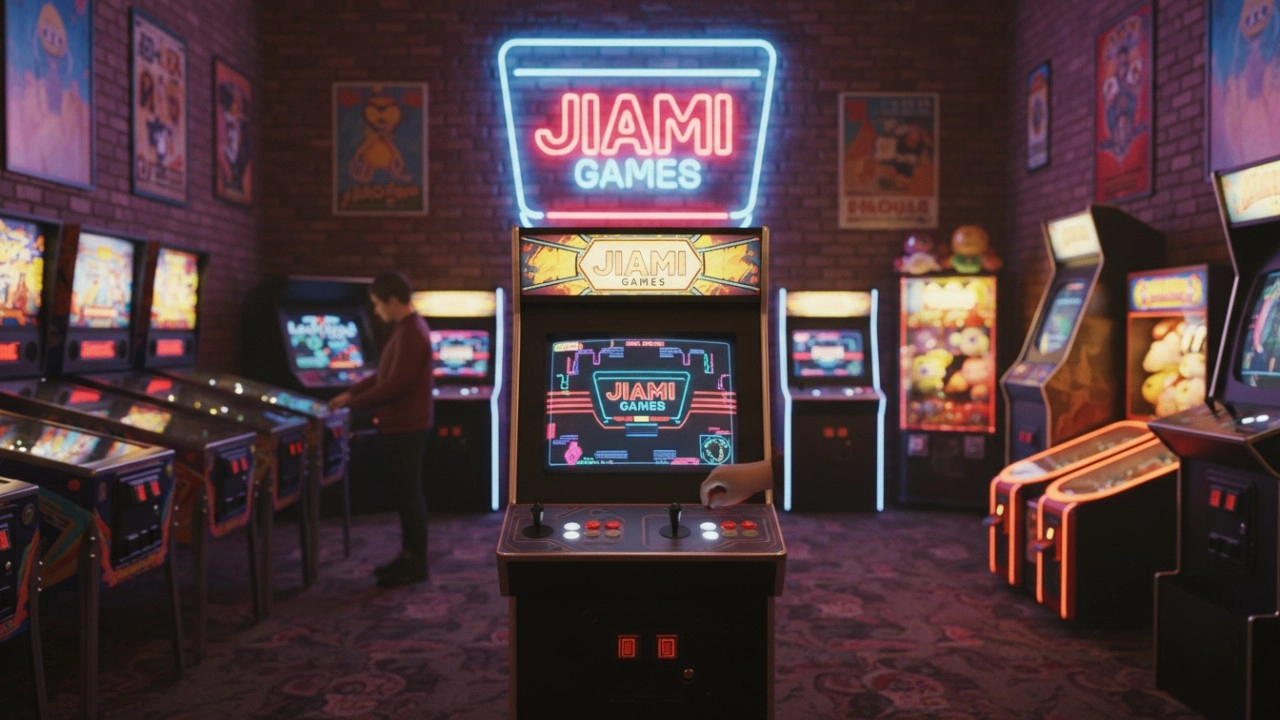
The Ultimate Buyer's Guide to Coin Operated Arcade Games in 2026: From Classic Cabinets to Modern Hits
FAQs
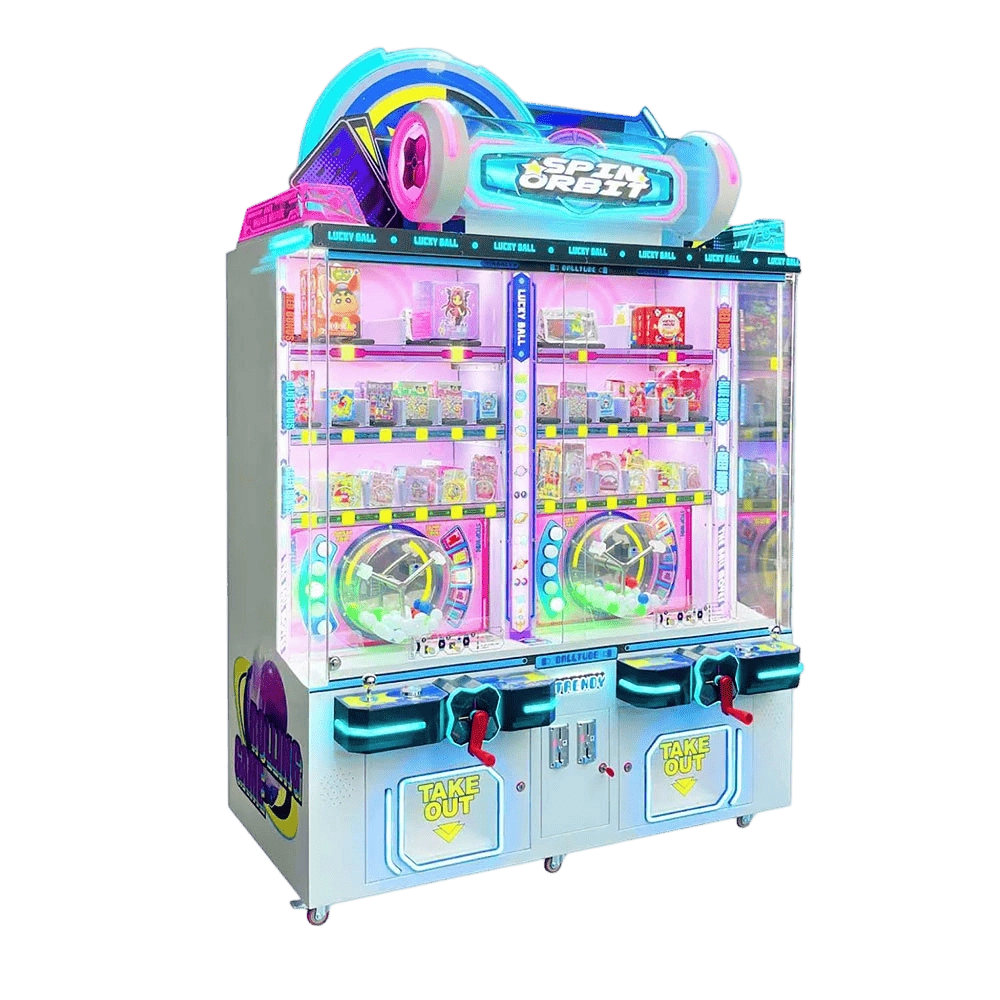
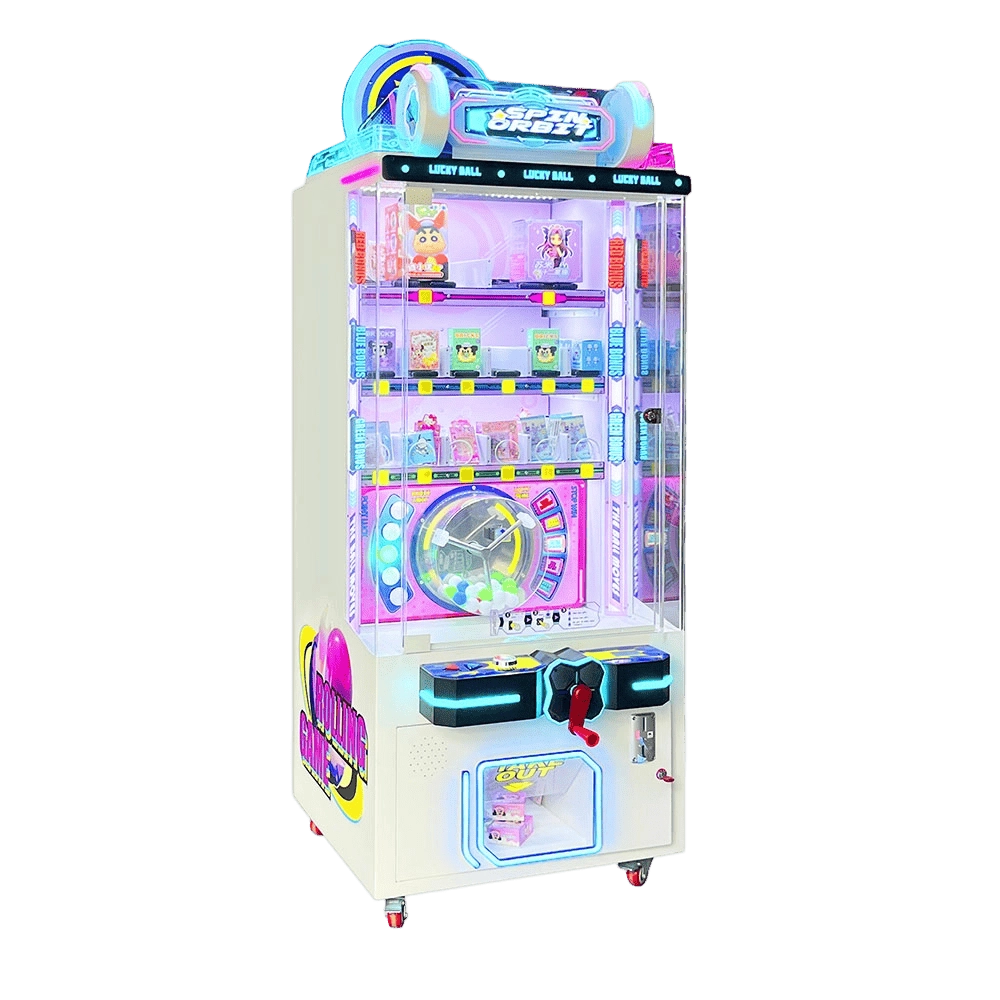
What is the gameplay of the SPIN ORBIT Lucky Prize Arcade Game?
Players use the joystick to guide the ball into a designated hole. Each color ball corresponds to different prize values: red for the highest, blue and green for mid-range prizes, and white for no prize.
What types of customers does Jiami Games serve?
We serve a wide range of clients, including entertainment centers, shopping malls, theme parks, family entertainment venues, and arcade operators worldwide.
How does Jiami Games ensure product quality?
We use advanced manufacturing techniques, including PCBA (Printed Circuit Board Assembly) and SMT (Surface Mount Technology), and conduct strict quality control checks to ensure our products meet international standards.
Can I customize the arcade machines to fit my brand?
Yes, we offer full customization, including logo placement, machine color, game software, and even the language on the machine, based on the order quantity.
How many players can play the game at once?
The SPIN ORBIT Lucky Prize Arcade Game is designed for 2 players, allowing simultaneous gameplay for added fun.
You May Also Like
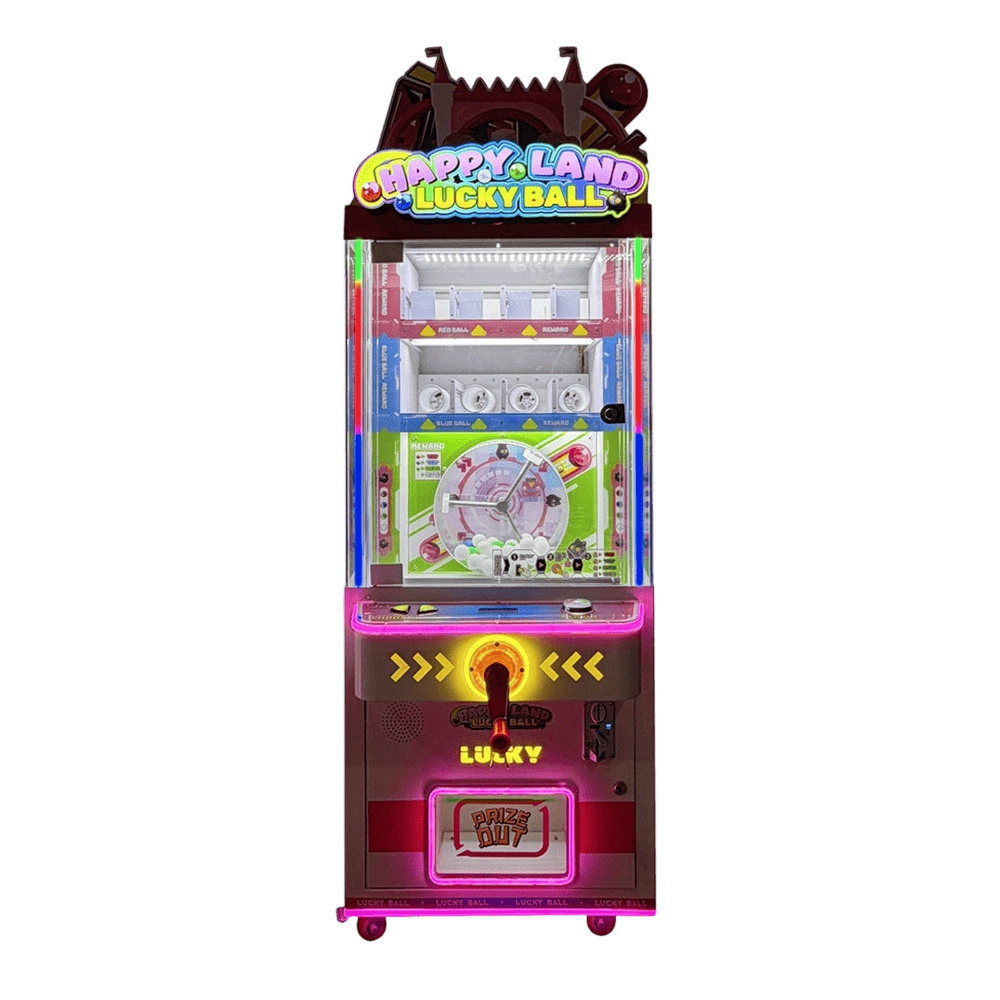
Coin Operated/Card Payment Lucky Ball Vending Toy Gift Arcade Game Machine
Coin Operated/Card Payment 2 Players SPIN ORBIT Lucky Prize Arcade Game
Coin Operated/Card Payment SPIN ORBIT Lucky Prize Arcade Game
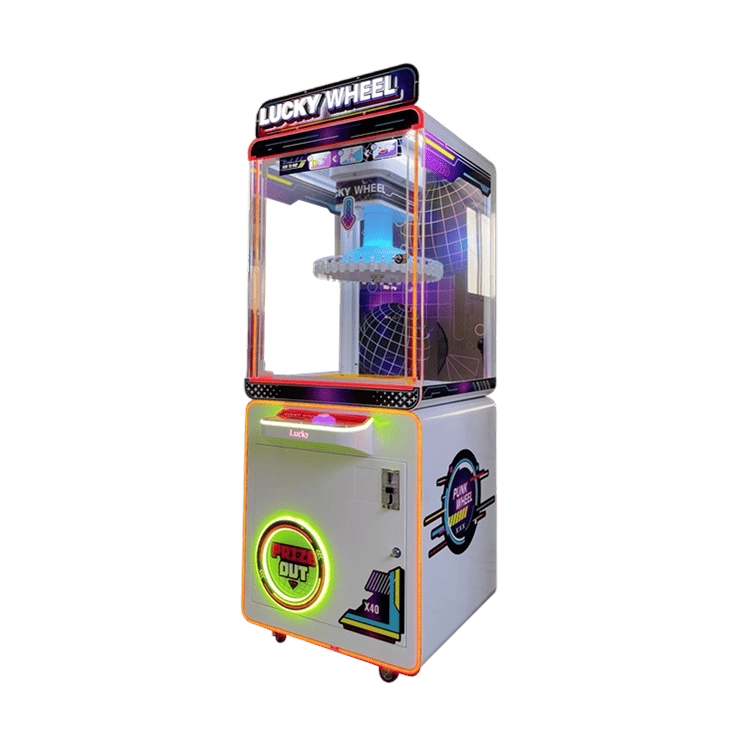
Arcade Prize Lucky Wheel Gift Machine For Amusement Areas
Get in Touch with Jiami Games
If you have any comments or good suggestions, please leave us a message; later our professional staff will contact you as soon as possible.

Innovative Entertainment, at Your Fingertips
Learn about Jiami Games and explore our expertise in console development, innovative design, and global markets.
Quick Links:
© 2026 Jiami Games.
Whatsapp: +8618520390438