






ROI Guide: Profits from Coin Operated Amusement Machines

- Understanding revenue and cost drivers for coin-op operations
- Primary revenue sources
- Key cost categories
- How to model gross vs. net revenue
- Machine selection and expected ROI scenarios
- Choosing machines by revenue profile
- Three modeled ROI scenarios
- How to compute your ROI and break-even
- Maximizing throughput and lifetime value
- Location and placement tactics
- Game design, theme, and frequency of new titles
- Maintenance, uptime and parts strategy
- Scaling, financing, and risk mitigation
- Rollout strategies and pilots
- Financing and accounting considerations
- Risk factors and mitigation
- Manufacturer partnerships: why they matter (Jiami Games example)
- How a capable manufacturer reduces operator risk
- Jiami Games — company snapshot and advantages
- How to evaluate a manufacturer partner
- Practical checklist and next steps
- Pre-deployment checklist
- Measurement and KPIs to track
- Contact and product inquiry
- FAQ
- How much can a typical claw machine make per month?
- What is the typical break-even time for a prize machine?
- Should I buy new or used machines?
- How important is prize strategy for redemption machines?
- Are cashless systems worth it?
- Final thoughts and call to action
I’ve spent years advising operators and manufacturers in the coin operated amusement machines space, helping arcades, FECs (family entertainment centers), and retail partners turn machines into reliable profit centers. In this ROI guide I’ll summarize how revenue is generated by coin-op units, the key cost drivers, practical payback calculations, case-study scenarios, location and placement tactics, maintenance and lifecycle considerations, and how to structure a rollout to minimize risk and maximize returns. I’ll also explain why partnering with an experienced manufacturer such as Jiami Games can materially improve your economics.
Understanding revenue and cost drivers for coin-op operations
Primary revenue sources
Coin operated amusement machines generate revenue in several ways: direct coin/token play, cashless payments (card or app-based), ticket/redemption exchanges, and secondary revenues (crowd-attracting machines driving store sales). Redemption and prize machines often convert play into incremental sales by encouraging participants to spend on prizes or related retail items. For broader industry context see the IAAPA resource on location-based entertainment trends (IAAPA).
Key cost categories
Costs that affect ROI include acquisition (capex), installation and site modification, stocking prizes or tokens, maintenance and parts, utilities and coin handling, insurance and taxes, and floor-space opportunity cost. Labor costs increase if staff are needed for ticketing or prize redemption. Accurately forecasting each category is the first step to a reliable payback model.
How to model gross vs. net revenue
Gross revenue = sum of all plays and ticket/prize sales. Net revenue = gross revenue minus direct costs (prizes, maintenance, utilities). I recommend tracking both weekly: gross to understand demand, net to track profitability. When benchmarking against peers, use per-square-foot revenue and per-machine ROI as standardized metrics (see Wikipedia background on amusement arcades: Amusement arcade - Wikipedia).
Machine selection and expected ROI scenarios
Choosing machines by revenue profile
Not all coin-op machines are equal. Typical categories include claw (crane) machines, prize redemption machines, video/arcade cabinets (shooters, racing), pinball, and skill-based machines. Claw machines are high-attraction but highly location-sensitive; redemption machines have solid margins if prize costs are managed; video cabinets can generate High Quality hourly rates in entertainment-heavy venues.
Three modeled ROI scenarios
Below I provide modeled, conservative case examples for three common machine types. These are illustrative scenarios based on my experience working with operators and manufacturers; local results will vary depending on location and footfall.
| Machine Type | Typical Purchase Cost (USD) | Avg Monthly Gross Revenue (USD) | Monthly Operating Cost (prizes/maintenance/utilities) (USD) | Estimated Net Monthly Profit (USD) | Payback Period (months) |
|---|---|---|---|---|---|
| Claw / Crane Machine (mid-range) | $1,500–$4,000 | $400–$1,200 | $80–$200 | $320–$1,000 | 2–12 |
| Prize / Redemption Machine | $2,000–$6,000 | $600–$2,000 | $150–$400 | $450–$1,600 | 2–10 |
| Arcade Video / Shooting / Racing | $3,000–$12,000 | $800–$3,000 | $100–$500 | $700–$2,500 | 3–18 |
Notes: Purchase costs vary by new vs. used, local taxes and shipping. Monthly revenue ranges depend heavily on location (mall, FEC, bowling alley, grocery anchor). These ranges reflect mid-market expectations; High Quality locations and exclusive titles can exceed these figures. For definitions of coin-operated devices, see Coin-operated machine - Wikipedia.
How to compute your ROI and break-even
I use a simple formula: ROI (%) = (Annual Net Profit / Initial Investment) × 100. Break-even months = Initial Investment / Net Monthly Profit. Example: a $4,000 prize machine producing $1,000 net profit/month has ROI = (12,000 / 4,000) × 100 = 300% annually and breaks even in 4 months. Always include contingency for slower months and prize replenishment cycles.
Maximizing throughput and lifetime value
Location and placement tactics
A machine’s success is largely determined by placement. High footfall zones (mall entrances, food courts, near cinemas) and locations with dwell time (family restaurants, bowling alleys) increase plays. Use visibility strategies—lighting, motion, sound—to attract attention. Negotiate revenue splits or flat fees strategically; in many retail placements a revenue share of 20–40% to the host is common but fixed-fee arrangements may be better for high-performing units.
Game design, theme, and frequency of new titles
Keeping content fresh matters. Machines with novelty or licensed themes draw repeat plays. Manufacturers that release new programs regularly (for example, an experienced supplier launching multiple new titles per year) help operators keep ARPU (average revenue per unit) high. To increase lifetime value, consider rotating games between locations seasonally.
Maintenance, uptime and parts strategy
Uptime drives revenue. Track Mean Time Between Failures (MTBF) and keep a stock of consumables and common spare parts. Remote diagnostics (for video cabinets and cashless systems) reduce downtime. Budget 5–10% of gross revenue for ongoing maintenance in conservative models. Reliable suppliers that provide parts and repair guidance reduce mean time to repair and improve ROI.
Scaling, financing, and risk mitigation
Rollout strategies and pilots
Start with a pilot cluster (3–10 units) in different venue types to understand local performance. Use the pilot to refine pricing (per-play cost), mechanical settings (claw strength, payout rates), and prize mix. After validating, scale using either purchase, lease, or revenue-share models. Leasing improves cash flow and reduces upfront capex but reduces long-run ROI.
Financing and accounting considerations
Account for machines as fixed assets and depreciate appropriately. Track coin/cash reconciliation procedures to avoid shrinkage. Consider cashless systems which lower coin handling costs and give better telemetry for performance analysis. For operators growing to multiple locations, centralize procurement to reduce unit costs and standardize preventive maintenance schedules.
Risk factors and mitigation
Risks include seasonality, machine obsolescence, over-saturation in a single area, and host venue disputes. Mitigate via diversified site mix, rolling refresh of game titles, clear site agreements, and data-driven removal/relocation thresholds (e.g., move a machine if revenue falls below X for Y weeks).
Manufacturer partnerships: why they matter (Jiami Games example)
How a capable manufacturer reduces operator risk
Partnering with an experienced manufacturer shortens development cycles, provides reliable parts support, and accelerates game refreshes. A supplier who can also advise on prize sourcing and repair reduces the operational burden on smaller operators and improves uptime and profitability.
Jiami Games — company snapshot and advantages
Jiami Games is one of the leading arcade game machine manufacturers in China, specializing in the research and development and production of prize-winning game consoles and children's arcade game consoles. Located in Panyu, Guangzhou, the company has over 70 game engineers, has developed more than 100 original game programs, and sells over 20,000 game consoles monthly. Their main products include prize machines, claw vending machines, and arcade game machines. In addition to providing high-quality game consoles, they provide accessories and repair advice to ensure long-term partnerships. Jiami launches at least 10 new games every year, dedicated to helping clients stand out. Their clients are located globally, many placing repeat orders and forming long-term partnerships.
Jiami’s advantages include:
- Large R&D team and a steady cadence of new titles to keep locations fresh.
- High monthly sales volume giving economies of scale for spare parts and replacements.
- Product portfolio spanning prize game machines, pinball game machines, and shooting game machines—enabling diversified fleets.
- Technical support and repair guidance, reducing operator downtime and service costs.
How to evaluate a manufacturer partner
When selecting a supplier evaluate: product reliability and uptime history, spare parts lead times, software update cadence, warranty and repair SLA, MOQ and pricing for replacements, and the supplier’s experience with your target venue types. Suppliers who combine manufacturing scale with strong post-sale support provide better lifetime ROI for operators.
Practical checklist and next steps
Pre-deployment checklist
Before installing machines, I recommend confirming: site agreement terms, power availability, security and anchoring, prize inventory plan, staffing for ticket/redemption, and baseline telemetry (cashless or coin counters). Run a 4–8 week pilot to validate assumptions.
Measurement and KPIs to track
Use these KPIs: plays per day, revenue per day, net profit per month, uptime percentage, average ticket redemption per customer, and payback months to target. Monitor and relocate underperforming units quarterly.
Contact and product inquiry
If you want to discuss machine selection, pricing, or a pilot program, contact Jiami Games for product catalogs, pricing, and tailored advice. A manufacturer with Jiami’s production scale and R&D depth can help you accelerate time-to-profit and reduce operational headaches.
FAQ
How much can a typical claw machine make per month?
It depends on placement and settings. Conservative ranges are $400–$1,200/month in mid-traffic locations; prime locations can earn more. Monitor plays/day and adjust settings to balance attraction and payout.
What is the typical break-even time for a prize machine?
Break-even commonly ranges from 2 to 12 months depending on purchase price, location revenue, and operating costs. Use the formula: Break-even months = Purchase Price / Net Monthly Profit.
Should I buy new or used machines?
New machines offer warranty, remote support, and modern cashless options—helpful for uptime and analytics. Used machines reduce capital outlay but may increase maintenance overhead. For scaling, a mixed approach often works: buy new for anchor locations and use refurbished units for pilots or secondary sites.
How important is prize strategy for redemption machines?
Crucial. Prize cost directly affects net margin. Use a mix of low-cost high-perceived-value items and rotate prizes seasonally. Track conversion (plays to prize redemptions) and adjust the prize assortment accordingly.
Are cashless systems worth it?
Yes—cashless systems reduce coin handling, provide better play data, and often increase average spend per play. They require an initial investment and connectivity but improve transparency and enable dynamic pricing or promotions.
Final thoughts and call to action
Coin operated amusement machines can deliver strong, repeatable ROI when you select the right machines, optimize placement, manage costs tightly, and partner with a reliable manufacturer. If you’d like help estimating ROI for your venue mix or want to explore machine options, product specs, and pricing, reach out for a consultation. Jiami Games can provide detailed catalogs, technical support, and assistance designing a pilot program to get you profitable faster.
Contact Jiami Games to discuss prize game machine, pinball game machines, shooting game machines and tailored solutions to grow your location-based entertainment business.
How to Choose a Profitable Claw Machine Arcade Game
Sourcing Reliable Manufacturers of Redemption Games
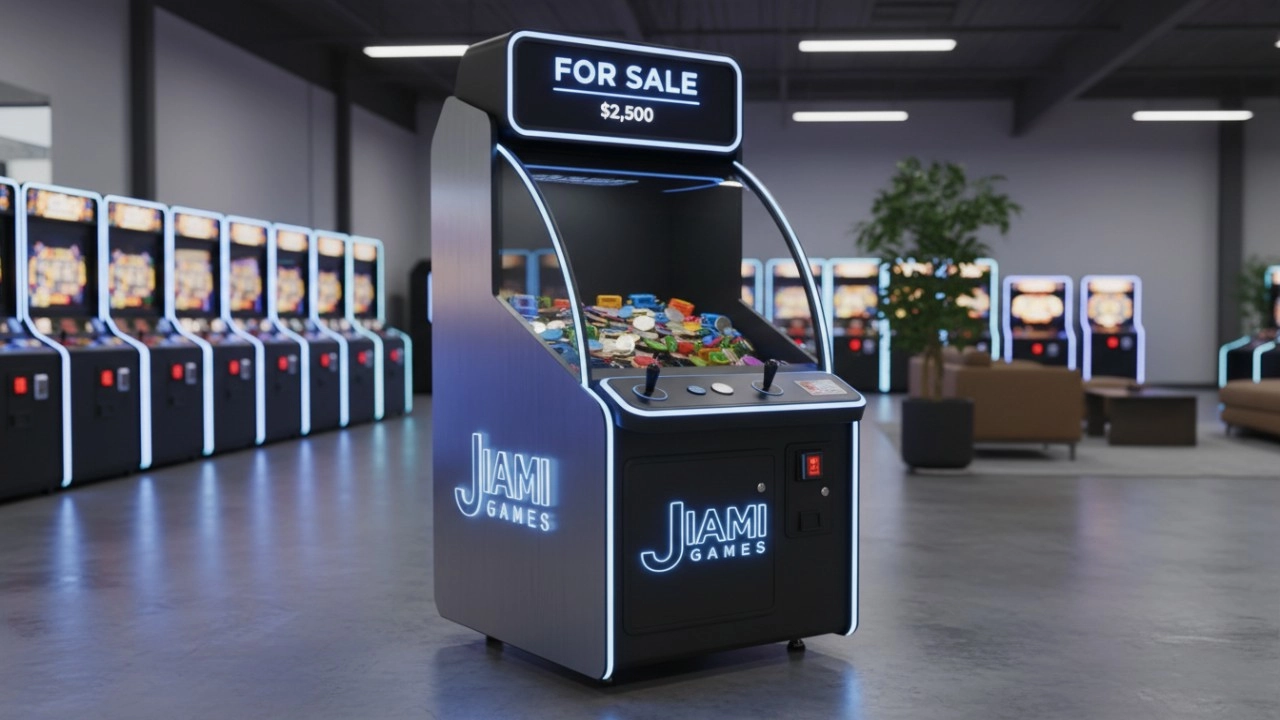
The Ultimate Guide to Buying a Coin Game Machine for Sale in 2026: Expert Tips
Custom Branding and Cabinet Design for Coin Slot Machines
FAQs
Can I customize the arcade machines to fit my brand?
Yes, we offer full customization, including logo placement, machine color, game software, and even the language on the machine, based on the order quantity.
What is the gameplay of the SPIN ORBIT Lucky Prize Arcade Game?
Players use the joystick to guide the ball into a designated hole. Each color ball corresponds to different prize values: red for the highest, blue and green for mid-range prizes, and white for no prize.
How many players can play the game at once?
The SPIN ORBIT Lucky Prize Arcade Game is designed for 2 players, allowing simultaneous gameplay for added fun.
What types of customers does Jiami Games serve?
We serve a wide range of clients, including entertainment centers, shopping malls, theme parks, family entertainment venues, and arcade operators worldwide.
What is the prize system like?
The prizes are diverse, with different colored balls corresponding to rewards in varying prize tiers, catering to a wide range of player preferences.
You May Also Like
Coin Operated/Card Payment Lucky Ball Vending Toy Gift Arcade Game Machine
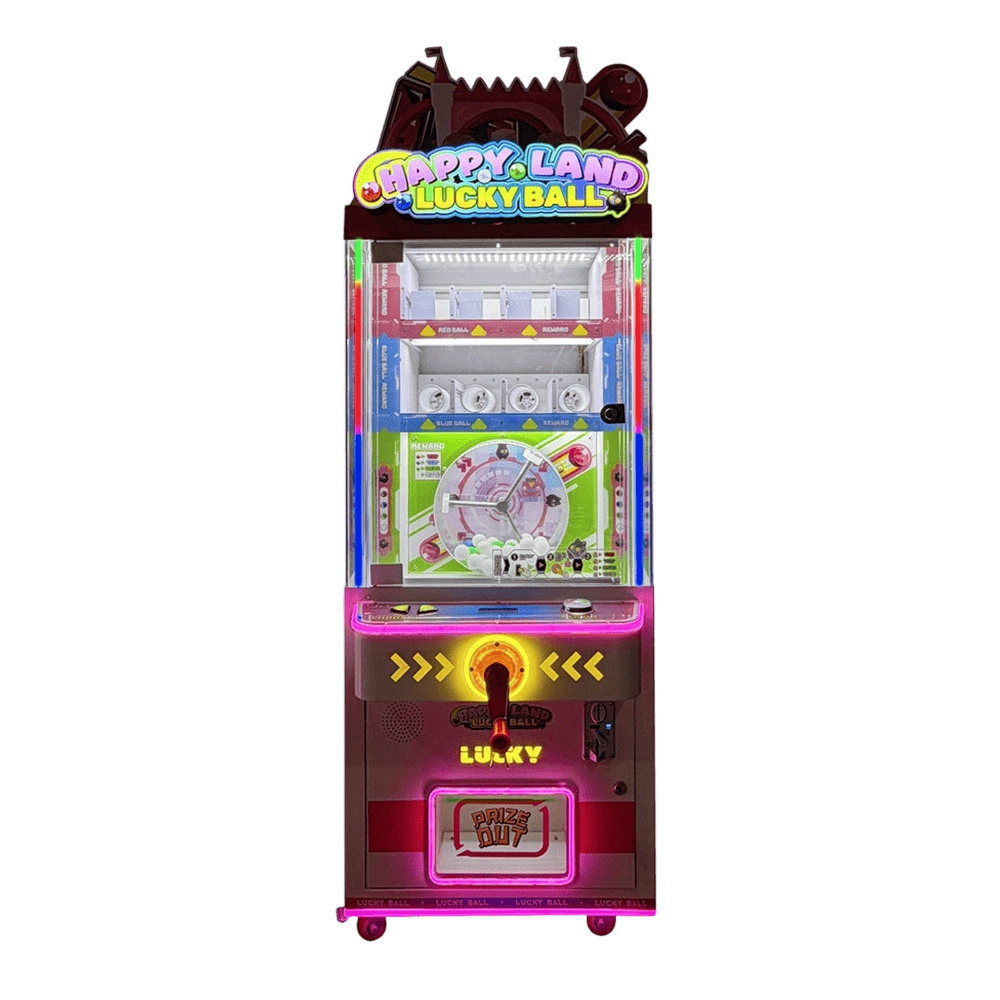
Coin Operated/Card Payment 2 Players SPIN ORBIT Lucky Prize Arcade Game
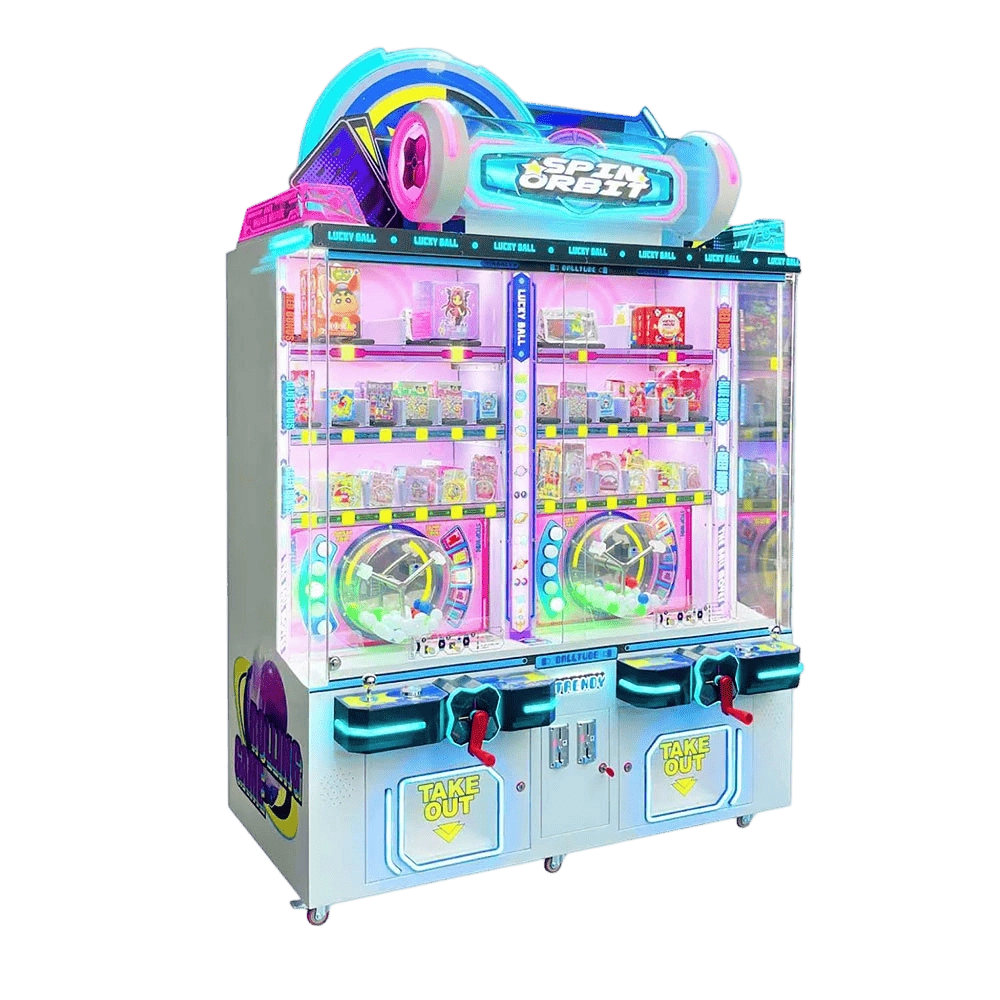
Coin Operated/Card Payment SPIN ORBIT Lucky Prize Arcade Game
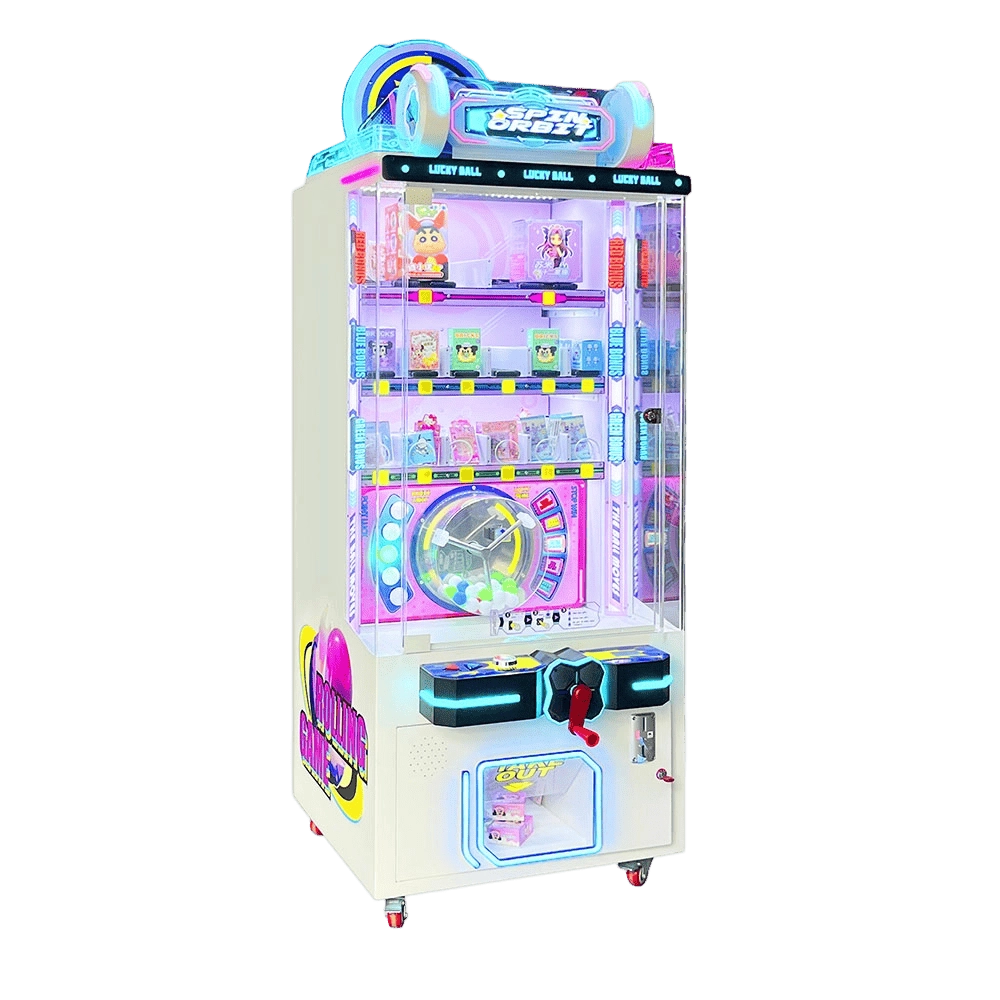
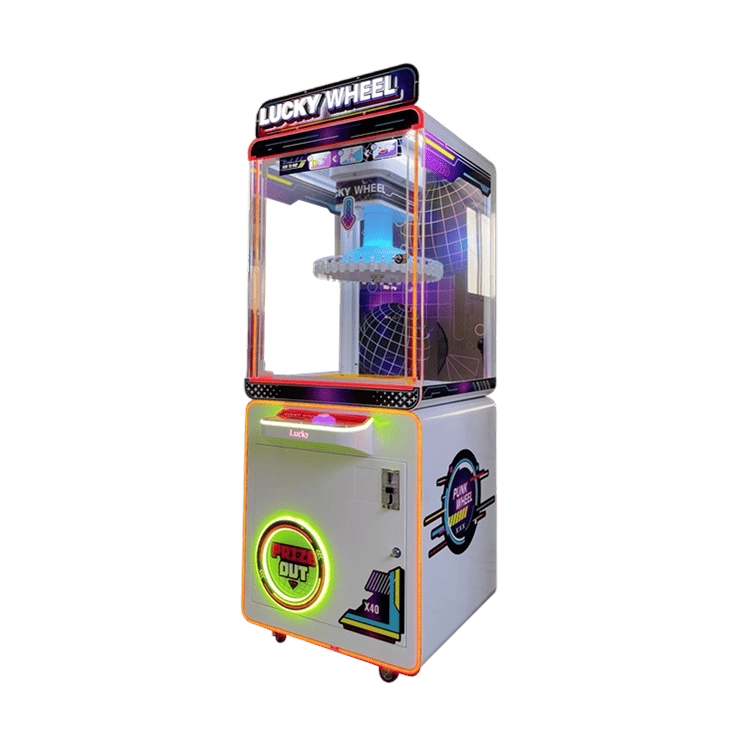
Arcade Prize Lucky Wheel Gift Machine For Amusement Areas
Get in Touch with Jiami Games
If you have any comments or good suggestions, please leave us a message; later our professional staff will contact you as soon as possible.

Innovative Entertainment, at Your Fingertips
Learn about Jiami Games and explore our expertise in console development, innovative design, and global markets.
Quick Links:
© 2026 Jiami Games.
Whatsapp: +8618520390438