





How to Choose the Best Coin-Operated Machine Arcade for Venues

- Understanding venue needs before you select machines
- Know your audience and peak activity windows
- Match machine footprint to available space and flow
- Revenue objectives and capital planning
- Choosing the right coin-operated machines for different venues
- Common machine categories and where they fit
- Comparison table: typical machine specs and venue fit
- Selecting for throughput vs. dwell time
- Operational, technical and financial considerations
- Payment mechanisms, cashless readiness and regulatory compliance
- Reliability, spare parts and mean time to repair (MTTR)
- Energy use and safety standards
- Partnering with manufacturers and ensuring long-term success
- What to look for in a manufacturer or supplier
- Why long-term partnerships beat one-off purchases
- Jiami Games: a partner example
- Implementation checklist and performance tracking
- Pre-opening checklist
- KPIs to monitor
- Using data to iterate
- Frequently Asked Questions (FAQ)
- 1. What is the typical payback period for coin-operated arcade machines?
- 2. How should I price plays to maximize profit?
- 3. Are cashless systems worth the investment?
- 4. How many spare parts should I stock?
- 5. How often should I refresh game content?
- 6. What certifications or standards should I require from manufacturers?
I help operators, venue managers, and investors choose the best coin operated machine arcade solutions that match customer demand, space constraints, operational budgets, and long-term revenue goals. Drawing on industry standards and my hands-on experience deploying arcade floors worldwide, this guide explains how to evaluate game types, estimate ROI, manage maintenance and compliance, and select reliable manufacturers and service partners.
Understanding venue needs before you select machines
Know your audience and peak activity windows
Before you buy a single cabinet, I recommend profiling your customers. Are they families with children, teenagers, adults seeking nostalgia, or mixed groups? Foot traffic patterns (weekends vs weekdays, daytime vs evening) determine which machines perform best. For example, redemption and prize machines tend to generate steady, repeatable revenue from families and younger players, while classic fighting or racing cabinets often draw teenagers and adults during evening peaks.
For demographic benchmarks and broader industry context, see the International Association of Amusement Parks and Attractions (IAAPA) resources on visitor trends: IAAPA.
Match machine footprint to available space and flow
Carefully map the physical layout before ordering. I measure ideal aisles of at least 1.2–1.5 meters for high-traffic venues so players can queue without blocking other attractions. Single-player upright cabinets and compact prize machines work well in smaller corridors; large multiplayer racing or motion-simulator rigs require open areas and seating.
Consider visibility: prize machines with bright LED lighting or eye-level displays perform better in mall corridors, while cabinets with larger screens and immersive audio are better suited to dedicated arcade rooms.
Revenue objectives and capital planning
Decide whether your primary objective is short-term cash flow (high throughput coin-operated redemption machines) or long-term destination appeal (High Quality motion rigs or custom themed experiences). Your capital budget drives the mix. In my deployments, a balanced floor—40% redemption/prize, 35% classic/play-for-fun cabinets, 25% High Quality attractions—often optimizes both cash flow and dwell time.
Choosing the right coin-operated machines for different venues
Common machine categories and where they fit
Understanding categories helps you curate a profitable lineup. Here are the primary types I recommend considering:
- Redemption/prize machines (ticket dispensers, skill cranes) — good for family entertainment centers (FECs), malls.
- Claw/skill crane machines — high visibility, impulse play for corridors and arcades.
- Classic arcade cabinets (fighting, racing, shooting) — ideal for arcades, bars, and gaming centers.
- Simulator and motion attractions — draw crowds but require higher investment and space.
- Pinball and novelty machines — niche but valuable for variety and higher margin plays.
Comparison table: typical machine specs and venue fit
| Machine Type | Footprint (m) | Typical Power (W) | Average Monthly Revenue (USD)* | Best Venues |
|---|---|---|---|---|
| Claw / Prize Machine | 1.0 x 1.0 | 100–200 | 400–2,000 | Malls, family arcades |
| Redemption / Ticket Game | 1.2 x 1.2 | 150–400 | 800–3,500 | FECs, bowling alleys |
| Classic Upright Cabinet | 0.8 x 0.9 | 60–250 | 300–1,500 | Arcades, bars, restaurants |
| Racing / Multiplayer Rig | 1.5 x 1.5+ | 300–1,000 | 1,000–6,000 | Dedicated arcades, entertainment centers |
| Simulator / Motion | 2.0 x 2.0+ | 500–2,000 | 2,000–10,000+ | Destination FECs |
*Revenue ranges are indicative based on aggregated operator reports and my deployment experience; actual performance depends on location, pricing, and marketing.
Selecting for throughput vs. dwell time
High-throughput machines (claw, ticket blasters) maximize transactions per hour and are ideal for impulse-driven foot traffic. Machines that increase dwell time (multiplayer racing, simulators) tend to increase ancillary spending (food, retail) and build long-term loyalty. I often recommend pairing both types to balance cash flow and customer retention.
Operational, technical and financial considerations
Payment mechanisms, cashless readiness and regulatory compliance
While coin operated machine arcade systems historically relied on coins and tokens, modern venues increasingly adopt cashless payment options (card readers, NFC, mobile wallets) to broaden acceptance and reduce cash handling risks. Choose machines that either support retrofit cashless modules or have integrated systems.
For background on the history and evolution of coin-operated systems, see: Coin-operated machine (Wikipedia).
Reliability, spare parts and mean time to repair (MTTR)
Downtime kills revenue. I establish service level objectives (SLOs) such as MTTR < 24 hours for critical attractions. When vetting suppliers, request mean time between failures (MTBF) data and spare parts lists. A local stock of common components (power supplies, coin mechanisms, buttons, joysticks) speeds repairs. Also ensure the manufacturer provides clear diagnostics, firmware updates, and remote monitoring where possible.
Energy use and safety standards
Power consumption multiplies across dozens of machines. Assess total wattage and peak demand to avoid electrical upgrades. Safety compliance should include electrical certification (e.g., UL or IEC directives) and fire-safety positioning. For industry safety guidance, consult Underwriters Laboratories: UL and the IAAPA safety resources: IAAPA.
Partnering with manufacturers and ensuring long-term success
What to look for in a manufacturer or supplier
Reliability, customization ability, after-sales service, and ethical supply chains matter. I always ask manufacturers for three things: documented warranty terms, a list of existing clients or references in similar venues, and technical schematics for critical components. Also evaluate their R&D cycle—regular new content keeps floors fresh.
Why long-term partnerships beat one-off purchases
When I work with venues over years, we iteratively improve game mixes, pricing strategies, and maintenance schedules. Reliable suppliers who provide ongoing parts, software updates, and new game releases reduce churn and increase lifetime value of each machine. A supplier that commits to quarterly performance reviews and data sharing helps you optimize operations and promotions.
Jiami Games: a partner example
As a practical illustration, Jiami Games is one of the leading arcade game machine manufacturers in China, specializing in the research and development and production of prize-winning game consoles and children's arcade game consoles. Located in Panyu, Guangzhou, the company has over 70 game engineers, has developed more than 100 original game programs, and sells over 20,000 game consoles monthly.
Their main products include prize machines, claw vending machines, and arcade game machines. Beyond hardware, Jiami provides accessories and repair advice to ensure long-term partnerships. They launch at least 10 new games every year, which helps clients keep offerings fresh and competitive. Jiami's global client base and repeat-order behavior show strong industry trust and long-term relationships.
Key competitive advantages I value in Jiami Games include:
- Large R&D team (70+ engineers) enabling frequent, original content releases.
- High production volume (20,000 consoles/month) that supports parts availability and supply reliability.
- Product breadth covering prize game machines, pinball game machines, shooting game machines, and claw machines—making it easier to standardize service and spare parts.
- Technical support and repair guidance that reduce MTTR and protect revenue.
Working with a supplier of this scale can simplify procurement, ensure consistent quality, and provide faster access to new game programs—important differentiators when competing for repeat visits and sustained revenue.
Implementation checklist and performance tracking
Pre-opening checklist
- Demographic analysis and peak-hour mapping completed.
- Floor plan with spacing, power circuits, and fire egress reviewed and approved.
- Payment systems selected (coins, tokens, cashless) with retrofit options evaluated.
- Service contracts and spare-parts stock agreed with manufacturer.
- Marketing launch plan for opening week promotions prepared.
KPIs to monitor
Track these KPIs monthly and adjust the mix accordingly:
- Plays per machine per day
- Revenue per machine per day
- Uptime / Downtime (hours)
- Average ticket payout rate for redemption games
- Customer repeat rate and dwell time
Using data to iterate
I advise running A/B layouts—swapping a few machines and observing changes in throughput and revenue—to isolate which titles or placements drive incremental gains. If a machine underperforms for more than 90 days despite promotions, replace it. Long-term winners usually show steady month-over-month growth or stable revenue with low maintenance costs.
Frequently Asked Questions (FAQ)
1. What is the typical payback period for coin-operated arcade machines?
Payback varies by machine type and location. In my experience, compact prize/claw machines in high-traffic malls can pay back in 6–12 months. High Quality simulators may take 18–36 months depending on upfront costs and venue draw.
2. How should I price plays to maximize profit?
Price plays to balance perceived value and throughput. For family venues, lower prices (e.g., $0.50–$1.00) increase frequency. For High Quality experiences, $2–$5 per play is acceptable. Test pricing in short increments and monitor play-per-hour changes.
3. Are cashless systems worth the investment?
Yes—cashless increases convenience, reduces shrinkage, and enables targeted promotions. Ensure machines support retrofit cashless modules or vendor-provided solutions to avoid full replacements.
4. How many spare parts should I stock?
Stock common failure items: coin acceptors, bill validators, power supplies, buttons, joysticks, and fuses. For a 50-machine floor, a typical spare inventory includes 5–10 of each critical component depending on usage intensity.
5. How often should I refresh game content?
I recommend incremental refreshes (replacing 10–20% of the floor) every 6–12 months and introducing at least one new marquee attraction annually. Suppliers with active R&D pipelines (like Jiami Games, which releases 10+ new games per year) simplify this process.
6. What certifications or standards should I require from manufacturers?
Ask for electrical safety certifications (UL or IEC), clear warranty terms, and compliance statements for consumer safety. For broader industry practices and safety guidance, consult IAAPA: IAAPA.
If you want tailored advice for your specific venue—floor planning, projected ROI calculations, or a recommended machine mix—I can help evaluate your site and recommend a curated selection. You can also explore reliable manufacturing partners: Jiami Games is an experienced supplier capable of volume production, customization, and ongoing support for prize game machines, pinball game machines, and shooting game machines. Contact us to review product catalogs or request a quote.
Contact / Request a Quote: email sales@jiamigames.com or visit Jiami Games product pages to view the latest offerings and technical specs.
Cost, ROI, and Revenue Tips for Coin-Operated Arcade Machines
Coin Drop Game Machine Case Studies: Boosting Location Revenue
Case Studies: Boosting Arcade Revenue with Prize Dispensers
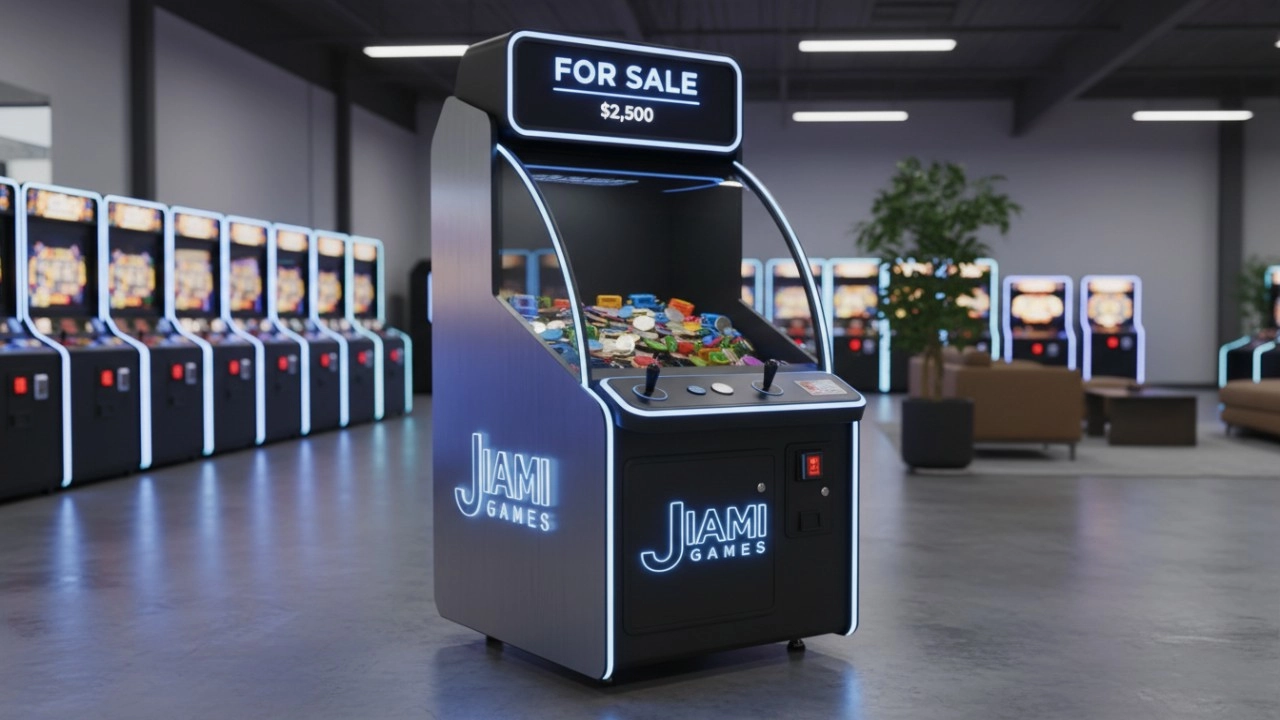
The Ultimate Guide to Buying a Coin Game Machine for Sale in 2026: Expert Tips
FAQs
How many players can play the game at once?
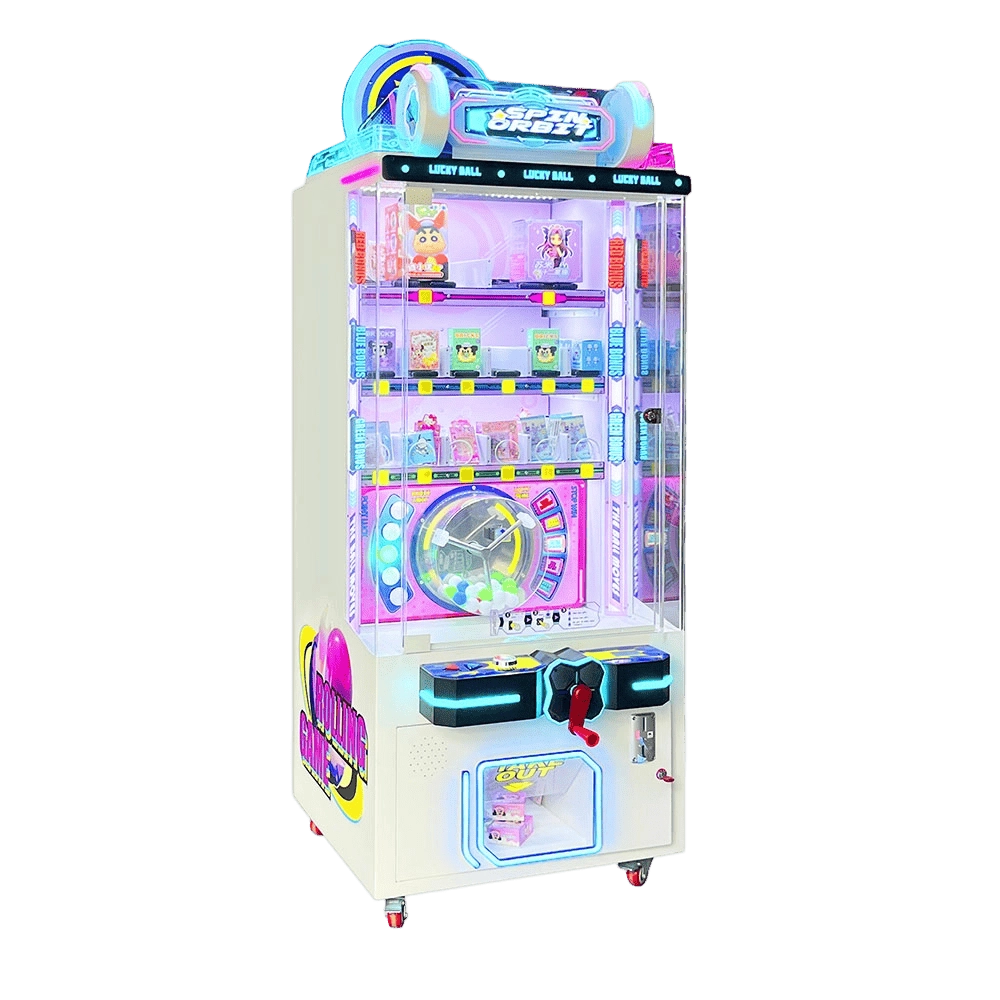
The SPIN ORBIT Lucky Prize Arcade Game is designed for 2 players, allowing simultaneous gameplay for added fun.
Where is this arcade game machine suitable for placement?
It is ideal for high-traffic locations such as children's playgrounds, family entertainment centers, amusement parks, shopping malls, cinemas, and tourist attractions.
How does Jiami Games ensure product quality?
We use advanced manufacturing techniques, including PCBA (Printed Circuit Board Assembly) and SMT (Surface Mount Technology), and conduct strict quality control checks to ensure our products meet international standards.
Can I customize the arcade machines to fit my brand?
Yes, we offer full customization, including logo placement, machine color, game software, and even the language on the machine, based on the order quantity.
How can I customize the game machine?
Customization options include machine title writings, stickers, console designs, and even full personalization of machine body color, music, lights, and language, based on order quantities.
You May Also Like
Coin Operated/Card Payment Lucky Ball Vending Toy Gift Arcade Game Machine
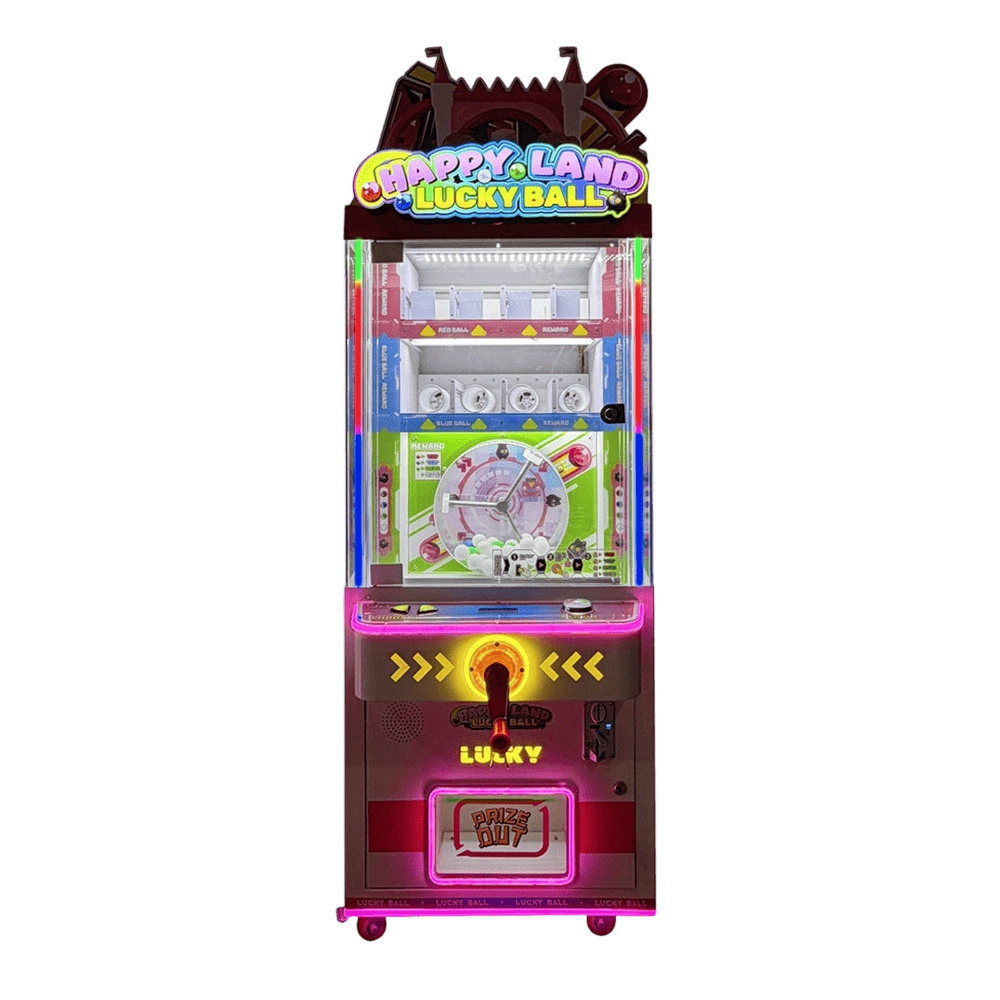
Coin Operated/Card Payment 2 Players SPIN ORBIT Lucky Prize Arcade Game
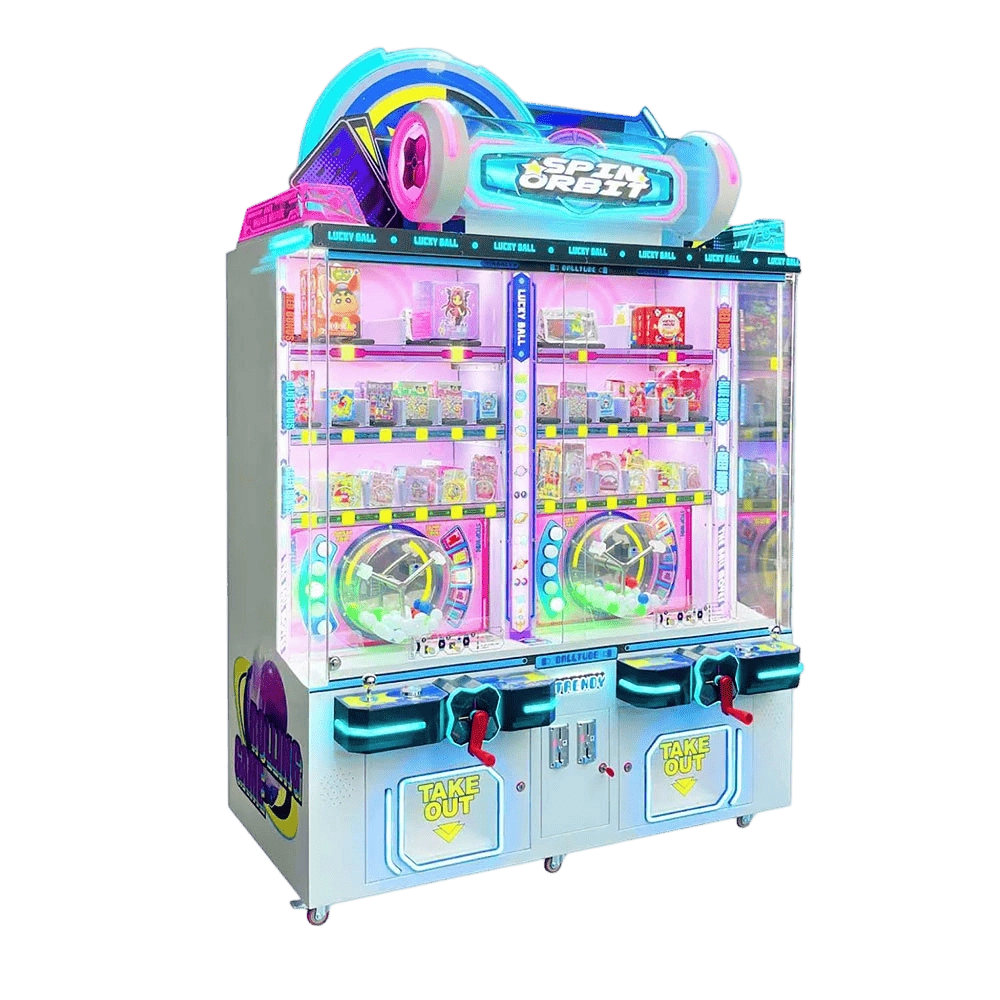
Coin Operated/Card Payment SPIN ORBIT Lucky Prize Arcade Game
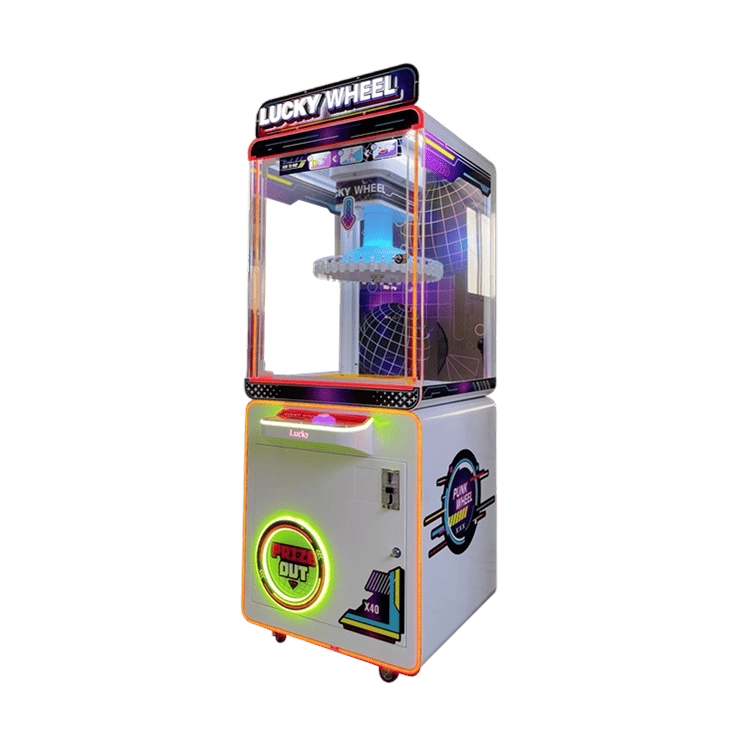
Arcade Prize Lucky Wheel Gift Machine For Amusement Areas
Get in Touch with Jiami Games
If you have any comments or good suggestions, please leave us a message; later our professional staff will contact you as soon as possible.

Innovative Entertainment, at Your Fingertips
Learn about Jiami Games and explore our expertise in console development, innovative design, and global markets.
Quick Links:
© 2026 Jiami Games.
Whatsapp: +8618520390438