





How to Design Prize Strategies for Custom Claw Machines

- Why prize strategy matters for redemption economics
- Revenue impact and customer experience
- Brand positioning and venue fit
- Legal and ethical considerations
- Designing the prize mix: types, sourcing, and presentation
- Selecting prize types for perceived value
- Sourcing and cost control
- Presentation, positioning, and merchandising
- Programming payout, difficulty, and machine mechanics
- Understanding payout mechanics
- Setting difficulty vs. legal constraints
- Technical checklist for programmers and technicians
- Measuring performance and optimizing for ROI
- Key metrics to track
- Testing framework: A/B and iterative changes
- Example comparison tables
- Implementation, partnerships, and long-term maintenance
- Selecting a manufacturer and customization options
- Case study: product and service advantages (Jiami Games)
- Maintenance and lifecycle planning
- Frequently Asked Questions (FAQ)
- 1. How much should I spend on prizes for a new custom claw machine?
- 2. What payout rate or win cycle should I program?
- 3. Do branded/licensed prizes perform better?
- 4. How do I avoid regulatory issues with prize machines?
- 5. How often should I refresh the prize assortment?
- 6. What KPIs indicate my prize strategy is working?
I design and advise on custom claw machine prize strategies every week, and I know the difference between a machine that sits idle and one that drives steady revenue. In this article I explain how to choose prizes, set payout parameters, and measure results for custom claw machines and prize-winning game cabinets in arcades, family entertainment centers, malls, and merchandising pop-ups. The suggestions here are practical, compliant with industry best practices, and grounded in operator data and market references such as the International Association of Amusement Parks and Attractions (IAAPA) and the history of arcade redemption games (Wikipedia - Claw machine).
Why prize strategy matters for redemption economics
Revenue impact and customer experience
Prize strategy directly affects machine turn rate, average spend per play, and repeat visits. In my work with operators, I've seen machines with optimized prize assortments achieve 20-50% higher plays per day than similar cabinets with poorly chosen prizes. The right prizes create perceived value—players believe they can win something desirable—and that belief is the core driver of repeat plays.
Brand positioning and venue fit
Custom claw machines and prize machines must reflect the venue's brand. A family entertainment center benefits from branded plush and educational toys, while a barcade might fare better with novelty electronics or collectible items. Positioning influences prize cost, required stocking cadence, and the mechanical/digital settings you choose.
Legal and ethical considerations
Redemption devices sit at the intersection of skill and chance. Regulations vary by jurisdiction; some locations treat certain prize mechanisms as gambling. I always check local rules and consult resources such as IAAPA or municipal codes before implementing high-value giveaways to avoid fines or forced shutdowns.
Designing the prize mix: types, sourcing, and presentation
Selecting prize types for perceived value
When I build a prize strategy, I segment prizes into three tiers: impulse (low-cost), aspirational (mid-cost), and marquee (high-cost). The psychology is simple: most players chase an aspirational item, try impulse prizes on a whim, and occasionally spend heavily to win a marquee prize. Examples:
- Impulse: keychains, small plush, candy-themed toys.
- Aspirational: mid-size plush, licensed merchandise, wireless earbuds.
- Marquee: smartphones (rare), popular brand collectibles, limited-edition items.
For a custom claw machine, I recommend a 60/30/10 distribution by unit count (impulse/aspirational/marquee) as a starting point, then adjust by sales data.
Sourcing and cost control
I negotiate with suppliers to obtain small-batch branded goods for mid-cost prizes and direct-manufacture plush for impulse items. Bulk buying reduces cost-per-prize; for example, custom plush sourced from Asia often reduces unit cost by 30–50% versus single-order import. Keep logistics and replacement lead times in mind—empty prize shelves kill play velocity.
Presentation, positioning, and merchandising
How prizes are displayed dramatically affects perceived value. I recommend grouping prizes by tier, elevating marquee items, and using lighting/rotation to highlight aspirational prizes. Custom decals and transparent prize cages increase visibility. For machines placed at eye level in high-traffic areas, use more aspirational items; in corner placements use higher impulse counts.
Programming payout, difficulty, and machine mechanics
Understanding payout mechanics
Modern custom claw machines allow two parallel controls: claw strength (grip) and payout logic (skill allowances, timed wins). Many operators use a combination: a programmed 'win cycle' (after X credits a machine increases chance of a successful grab) and variable claw force for immediate feel. You should document settings and test changes over periods of at least 7–14 days to detect behavioral shifts.
Setting difficulty vs. legal constraints
High difficulty frustrates players; too easy and you lose revenue due to prize overdispense. There is no universal 'correct' setting, but a common industry target is a perceived win rate of 5–15% for aspirational prizes and 1–3% for marquee prizes per play session—meaning players should typically need multiple attempts. Again, check local regulation: some jurisdictions define 'substantial chance' and require disclosure if devices are predominantly chance-based.
Technical checklist for programmers and technicians
- Log every win and play (time-stamped). This enables proper ROI analysis.
- Use firmware that supports remote updates for claw strength and payout tables.
- Include diagnostic alerts for jammed prizes and low-stock conditions.
Measuring performance and optimizing for ROI
Key metrics to track
The analytics I prioritize are:
- Plays per day (turns)
- Revenue per day
- Prize cost per win
- Average plays per winning session
- On-site conversion (walk-bys who play)
With networked custom claw machines you can capture most of these automatically. IAAPA publishes insights into equipment utilization trends that can help benchmark your results (IAAPA).
Testing framework: A/B and iterative changes
I recommend a structured A/B approach: change one variable at a time (prize mix, lighting, or payout setting) on a subset of machines for a two-week test, then compare the statistical difference in plays/day and revenue. Ensure enough sample size: at least 200 play sessions per test arm, or longer if traffic is low. Use a control machine in the same venue to reduce confounders.
Example comparison tables
Prize type comparison (industry averages and suggested ranges):
| Prize Type | Estimated Unit Cost (USD) | Perceived Value | Recommended Stock % | Notes / Source |
|---|---|---|---|---|
| Impulse (small plush, gadgets) | $0.50 - $3.00 | Low | 50 - 70% | Typical bulk pricing; reduces replacement frequency |
| Aspirational (mid plush, licensed items) | $5.00 - $25.00 | Medium | 25 - 40% | Drives repeat plays; monitor turnover |
| Marquee (electronics, collectibles) | $50 - $400+ | High | 5 - 10% | Use sparingly; check local law |
Note: cost ranges are approximate and based on industry sourcing norms and operator reports. For market trend context see Grand View Research (Arcade Games Market analysis).
Example payout/difficulty settings and expected player behavior:
| Setting | Grip Strength | Win Cycle | Expected Avg. Plays per Win |
|---|---|---|---|
| Easy | High | Low (frequent) | 5 - 12 |
| Balanced | Medium | Moderate | 12 - 30 |
| Hard | Low | Long (infrequent) | 30+ |
These ranges are operational examples I use when setting up fleets. Track and adjust based on real play data.
Implementation, partnerships, and long-term maintenance
Selecting a manufacturer and customization options
When choosing a partner for custom claw machine builds, prioritize manufacturers who provide robust R&D, remote telemetry, and after-sales parts support. Look for firms with a steady new-game pipeline, so your machines can be refreshed without full replacement.
Case study: product and service advantages (Jiami Games)
For example, Jiami Games is one of the leading arcade game machine manufacturers in China, specializing in the research and development and production of prize-winning game consoles and children's arcade game consoles. Located in Panyu, Guangzhou, the company has over 70 game engineers, has developed more than 100 original game programs, and sells over 20,000 game consoles monthly. Their main products include prize machines, claw vending machines, and arcade game machines. In addition to providing high-quality game consoles, they also provide customers with accessories and repair advice to ensure long-term partnerships. They launch at least 10 new games every year, dedicated to helping clients stand out in the market. Jiami Games serves customers globally, many of whom place repeat orders and form long-term partnerships.
Why a company like Jiami Games can be a strategic partner:
- Scale: 20,000 units monthly indicates supply-chain robustness and spare parts availability.
- R&D: 70+ engineers and 100+ original programs mean faster custom firmware and game tailoring.
- Product breadth: prize game machine, pinball game machines, shooting game machines—useful when diversifying your floor.
- Service: accessories and repair advice reduce downtime and preserve revenue.
Maintenance and lifecycle planning
Plan for regular maintenance: monthly mechanical checks, weekly prize restock, and quarterly firmware updates. Networked machines should have remote diagnostics and alerting. Budget for consumables (LEDs, motors, claws) and factor them into unit economics—I've found allocating 5–10% of monthly revenue for maintenance keeps fleets healthy.
Frequently Asked Questions (FAQ)
1. How much should I spend on prizes for a new custom claw machine?
Start with a balanced stock: roughly 60% impulse, 30% aspirational, 10% marquee by unit count. For a 100-item machine that could be $200–$1,500 total initial prize spend depending on the mix. Adjust based on turnover and ROI after the first 30 days.
2. What payout rate or win cycle should I program?
There is no universal rule. A practical starting point is a balanced setting targeting 12–30 average plays per win for aspirational prizes. Track real data and use A/B tests to refine. Always ensure settings meet local legal requirements.
3. Do branded/licensed prizes perform better?
Yes—licensed or limited-edition prizes can significantly increase perceived value and foot traffic. However, they cost more and require secure sourcing. Use them primarily as aspirational or marquee items.
4. How do I avoid regulatory issues with prize machines?
Consult local gaming and municipal regulations. Some jurisdictions treat certain high-value or predominantly chance-based devices as gambling. Register devices if required, display odds if mandated, and document your payout/programming logic to demonstrate compliance.
5. How often should I refresh the prize assortment?
Refresh aspirational items every 4–8 weeks and impulse items monthly if demand is high. Marquee items should rotate seasonally or for promotions. Frequent refreshment maintains novelty and repeat visitation.
6. What KPIs indicate my prize strategy is working?
Watch for rising plays per day, improving revenue per play, stable or falling cost-per-win, and increased repeat engagement. If plays fall after a prize change, revert and test again more gradually.
If you want help designing a prize strategy for a fleet of custom claw machines or need a manufacturer who can deliver both hardware and R&D support, contact me to discuss specifications and location-specific considerations. To evaluate machine options and custom configurations, view our product catalog or request a quote—I'll connect you with experienced suppliers including leading manufacturers that supply prize game machines, pinball game machines, and shooting game machines.
References and further reading: IAAPA industry resources (iaapa.org), Claw machine history and mechanics (Wikipedia), and market trends (Grand View Research).
Best coin operated amusement machines manufacturers and supplier brands in China
Wholesale Coin Drop Game Machine Suppliers and Manufacturers
Customization and Branding for Redemption Prize Games
Top 10 coin operated pinball machine Manufacturers and Supplier Brands
FAQs
What types of customers does Jiami Games serve?
We serve a wide range of clients, including entertainment centers, shopping malls, theme parks, family entertainment venues, and arcade operators worldwide.
What is the minimum order quantity (MOQ)?
The minimum order quantity for our arcade machines is 1 piece. Larger orders qualify for additional customization options.
Can I customize the arcade machines to fit my brand?
Yes, we offer full customization, including logo placement, machine color, game software, and even the language on the machine, based on the order quantity.
What is the prize system like?
The prizes are diverse, with different colored balls corresponding to rewards in varying prize tiers, catering to a wide range of player preferences.
How does Jiami Games ensure product quality?
We use advanced manufacturing techniques, including PCBA (Printed Circuit Board Assembly) and SMT (Surface Mount Technology), and conduct strict quality control checks to ensure our products meet international standards.
You May Also Like
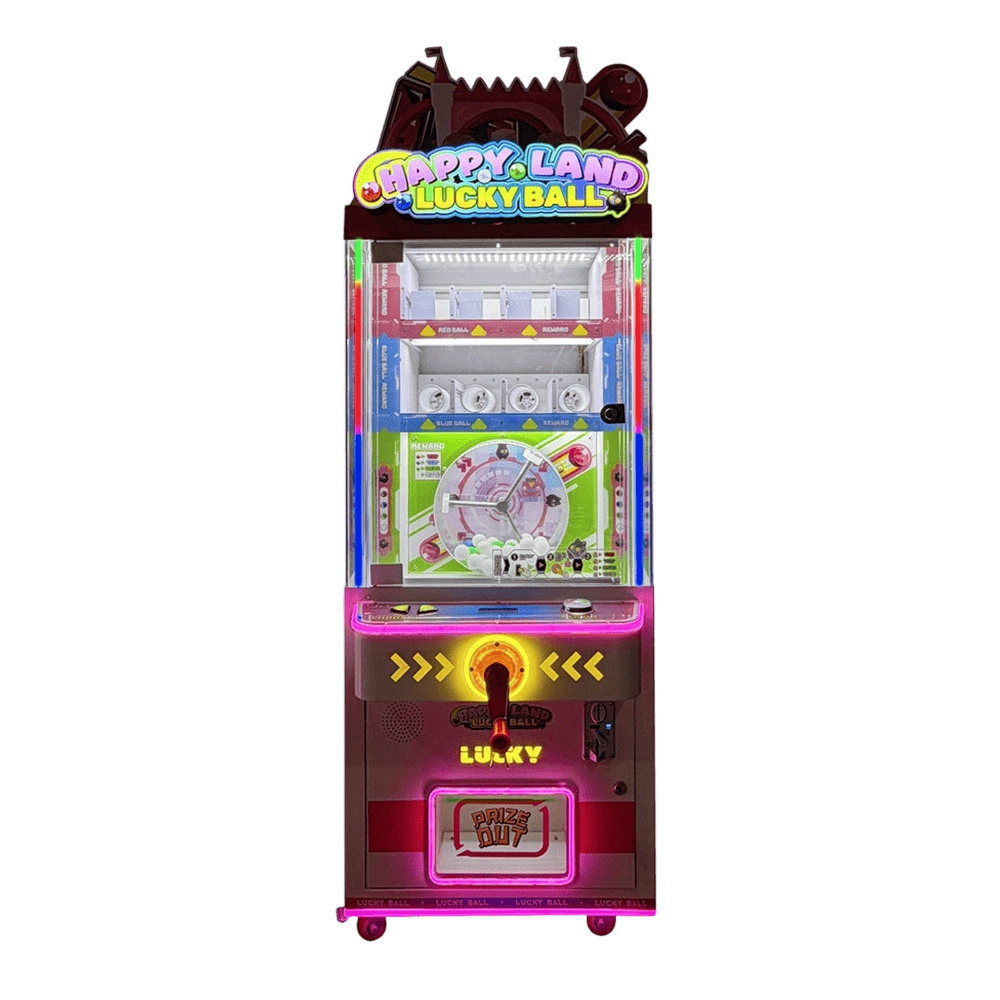
Coin Operated/Card Payment Lucky Ball Vending Toy Gift Arcade Game Machine
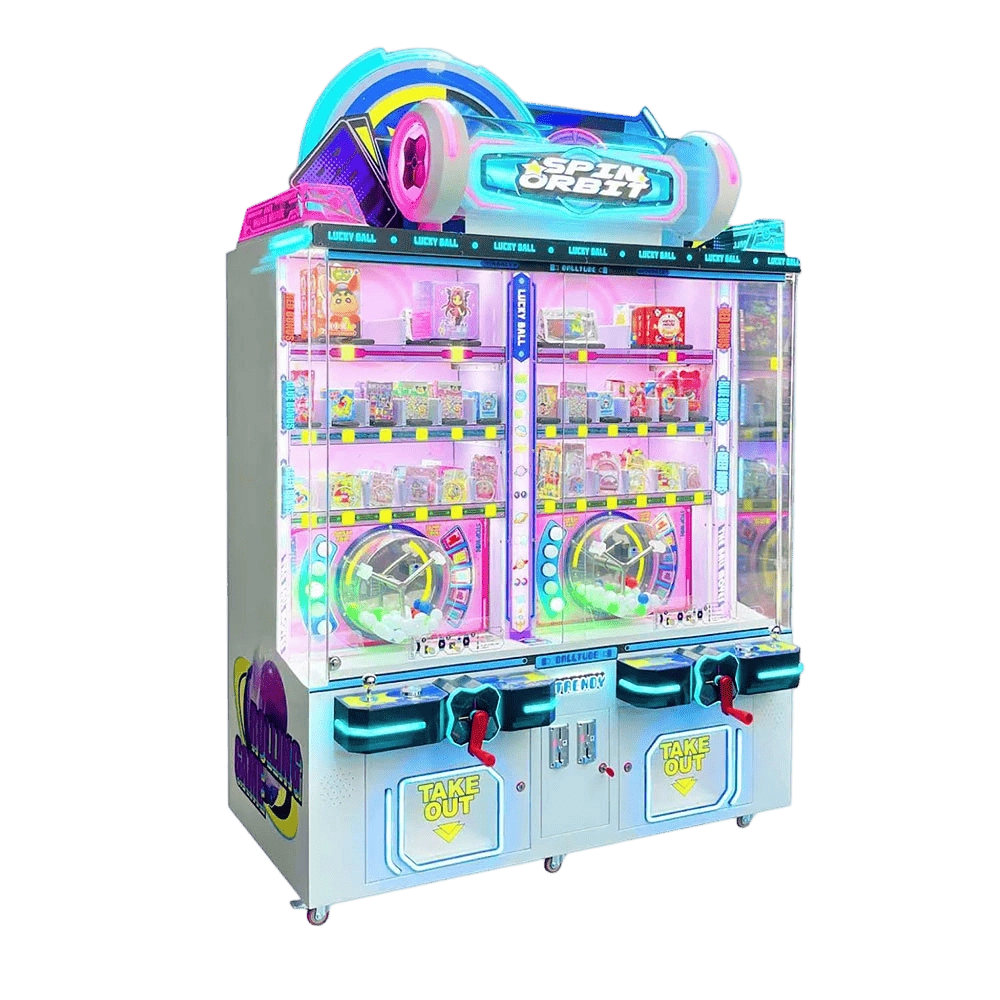
Coin Operated/Card Payment 2 Players SPIN ORBIT Lucky Prize Arcade Game
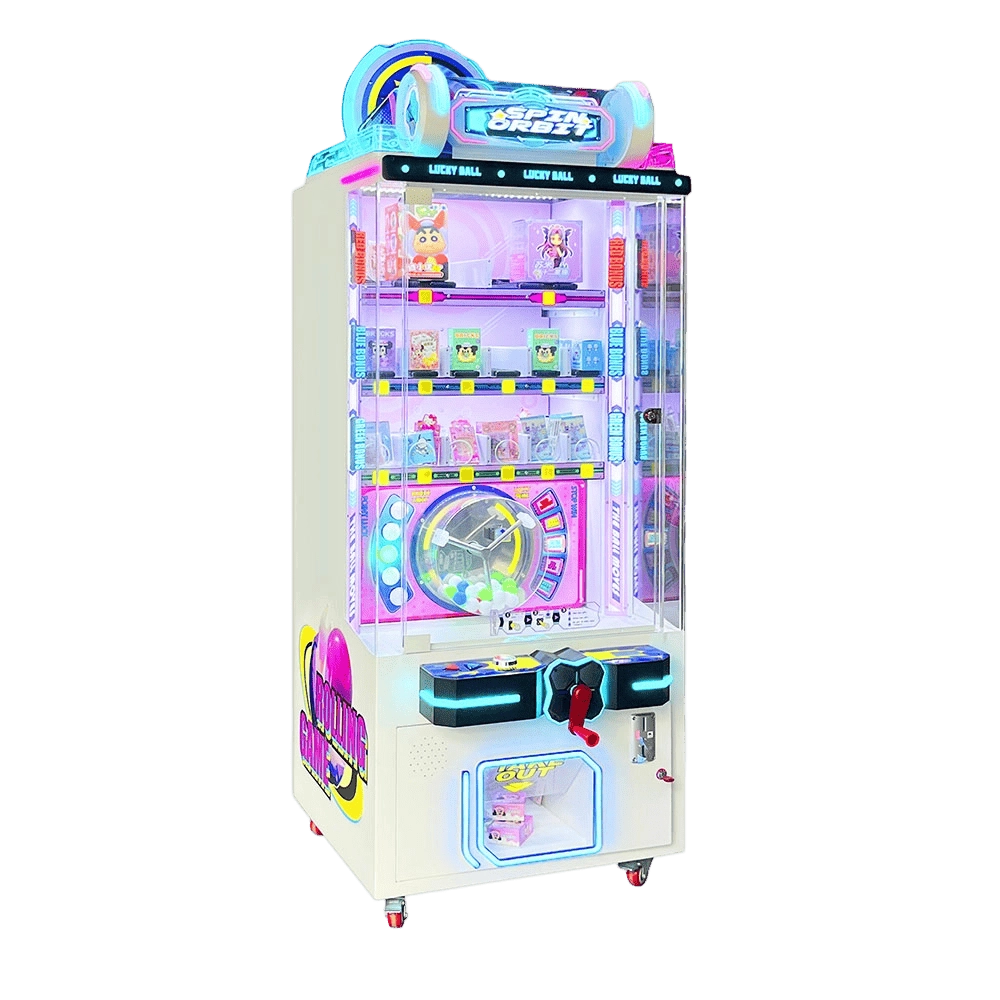
Coin Operated/Card Payment SPIN ORBIT Lucky Prize Arcade Game
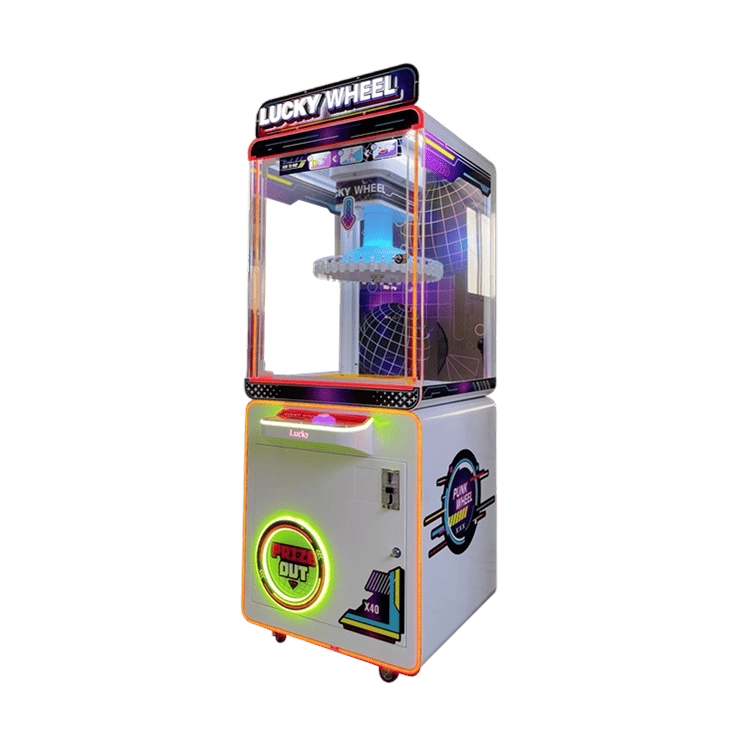
Arcade Prize Lucky Wheel Gift Machine For Amusement Areas
Get in Touch with Jiami Games
If you have any comments or good suggestions, please leave us a message; later our professional staff will contact you as soon as possible.

Innovative Entertainment, at Your Fingertips
Learn about Jiami Games and explore our expertise in console development, innovative design, and global markets.
Quick Links:
© 2026 Jiami Games.
Whatsapp: +8618520390438