





Customization and branding options for claw machines

- Why customization matters in modern amusement operations
- User expectations and location fit
- Revenue, gameplay tuning and lifetime value
- Regulatory and safety considerations
- Design and physical customization options
- Exterior panels, colors, and lighting
- Cabinet size, ergonomics and accessibility
- Prize presentation and dispensing mechanisms
- Software, UX and payment integrations
- Game difficulty and dynamic tuning
- Cashless payments, telemetry and loyalty
- Localization, languages and in-game messaging
- Branding, prize strategy and measuring ROI
- Prize curation and rotation strategy
- Brand partnerships, co-branding and experiential marketing
- Measuring ROI and A/B testing
- Choosing a supplier and managing long-term partnerships
- Technical support and spare parts
- Software updates and security
- Scalability and regional support
- How I apply these principles with manufacturers
- FAQs — Common operator questions
- 1. How much does it cost to customize a claw vending machine?
- 2. Will customization actually increase revenue?
- 3. How often should I rotate prizes?
- 4. What payment and security considerations should I be aware of?
- 5. Can I co-brand machines with local retailers or events?
- 6. How do I choose between modifying existing cabinets versus buying new custom-built units?
I specialize in arcade game machines and have advised operators worldwide on maximizing play, brand visibility, and lifetime value. In this article I explain actionable customization and branding options for claw vending machine operators, from cabinet skin and lighting to software tuning, payment integrations, and prize strategies. These recommendations are grounded in industry practice, standards awareness, and supplier capabilities so you can make verifiable choices that increase revenue and customer loyalty.
Why customization matters in modern amusement operations
User expectations and location fit
Today’s players expect an experience, not just a prize. A claw vending machine placed in a family entertainment center should look and feel different from one in a mall or a supermarket. Tailoring the exterior artwork, height, and prize presentation to the demographic at each location improves dwell time and play frequency. For proof of concept, IAAPA provides market insights showing location-tailored attractions drive higher repeat visits and per-visit spending (IAAPA).
Revenue, gameplay tuning and lifetime value
Customization isn’t cosmetic only—adjusting claw strength, prize density, and payout settings is how operators tune average revenue per play. Software-level control allows operators to A/B test difficulty settings and prize mixes to find the optimal balance between perceived fairness and profitability. Evidence from operator case studies shows that small software tweaks can move utilization rates by double-digit percentages over weeks.
Regulatory and safety considerations
Physical changes must comply with local safety and consumer laws. For example, cabinet modifications need to maintain safe edges and child access limitations. Operators should consult applicable safety standards and local regulations; industry associations such as IAAPA and general product safety references (for example, ISO standards directories) can help identify required certifications (ISO).
Design and physical customization options
Exterior panels, colors, and lighting
Branding the cabinet skin is the fastest way to make machines stand out. Vinyl wraps, backlit panels and programmable RGB lighting allow me to match corporate colors and promotional themes. Effective skins have high-contrast prize photo areas, clear call-to-action for pricing, and replaceable promotional panels for seasonal campaigns. Durable 3M vinyl and UV-protective lamination are standard for long life in high-traffic locations.
Cabinet size, ergonomics and accessibility
Cabinet footprint matters for location fit. Compact claw vending machine models suit convenience stores while larger, high-visibility cabinets work well in arcades. Consider player ergonomics—height for children vs. adults, joystick/button placement, and ADA accessibility. Selecting modular cabinets that allow deck height or tilt adjustments reduces the need to buy different models for every location.
Prize presentation and dispensing mechanisms
Beyond appearance, how prizes are staged affects perceived value. Transparent tiers, illuminated prize shelves, and rotating platforms increase desirability. On the mechanical side, configurable claws (two-, three-, or four-prong) and soft-grip pads can be swapped to match prize types—plush toys, electronics, or novelty items—reducing jams and maintenance. Consider sealed prize hoppers and easy-access collection bins to streamline restocking and reduce service calls.
Software, UX and payment integrations
Game difficulty and dynamic tuning
Modern claw vending machine firmware offers dynamic difficulty adjustments. I recommend using telemetry to record play data (attempts, wins, average play duration) and then applying algorithmic tuning—either manual or automated—to set payout frequency. This approach supports seasonal tuning and special promotions while maintaining predictable margins.
Cashless payments, telemetry and loyalty
Cashless payment options (contactless cards, mobile wallets, QR-pay) significantly reduce friction and increase impulse plays. Integrating cloud telemetry enables remote firmware updates, telemetry dashboards, and push promotions to mobile apps. Operators using cashless systems often see higher average tickets per visit and clearer attribution for marketing campaigns.
Localization, languages and in-game messaging
If you operate across regions, localizing interface language, currency displays, and legal notices improves conversion. UX copy should be concise, use familiar terms (claw, crane, grabber), and include short how-to-play animations for first-time users. For multi-national deployments, device firmware should allow quick language packs and region-specific pricing schedules.
Branding, prize strategy and measuring ROI
Prize curation and rotation strategy
Prize selection is a core branding tool. Branded or licensed items can justify higher play prices, while novelty or seasonal prizes drive urgency. I recommend a tiered prize mix: low-cost high-volume items for frequent wins, mid-tier items to maintain perceived value, and occasional High Quality items to create buzz. Rotate prizes weekly or monthly depending on footfall to prevent staleness.
Brand partnerships, co-branding and experiential marketing
Co-branding opportunities (movie tie-ins, local retailers, or brand sponsors) create promotional synergies. For example, a mall placement co-branded with a retail tenant can lead to cross-promotions (discount coupons inside prize vending) and revenue-sharing arrangements. I advise drafting clear agreements about branding placement, promotional durations, and prize sourcing responsibilities.
Measuring ROI and A/B testing
Establish KPIs: plays per day, revenue per day, average spend, fill/maintenance cost per month, and lifetime value of location. Use A/B testing to compare artwork, lighting schemes, prize mixes, and payout settings. With cloud telemetry, you can run controlled experiments across matched locations and measure lift statistically.
| Customization | Typical cost range (USD) | Primary benefits | Implementation time |
|---|---|---|---|
| Full vinyl wrap and backlit panel | $150–$700 | Brand visibility, seasonal themes | 1–3 days |
| LED lighting & programmable effects | $50–$300 | Increased dwell, better night-time conversion | 1 day |
| Software customization & telemetry | $200–$2,000 (setup) + SaaS fees | Remote tuning, analytics, cashless payments | 1–4 weeks |
| Prize hopper reconfiguration / mechanical mods | $100–$800 | Reduced jams, prize-type flexibility | 1–5 days |
| Custom cabinet or OEM co-branding | $1,000–$5,000+ | Unique presence, higher perceived value | 4–12 weeks |
Notes: Cost ranges are estimates based on industry supplier listings and manufacturer quotes; actual prices vary by volume, region, and technical complexity. For market-level insights and operator best practices, refer to IAAPA resources (https://www.iaapa.org/) and product histories such as the Wikipedia claw machine overview (https://en.wikipedia.org/wiki/Claw_machine).
Choosing a supplier and managing long-term partnerships
Technical support and spare parts
I place high value on suppliers who provide clear parts lists, repair guides, and responsive technical support. A supplier should supply common wear parts (motors, claws, belts, LEDs) and offer remote diagnostics when possible. This minimizes downtime and lowers total cost of ownership.
Software updates and security
Ask suppliers about firmware update mechanisms, rollback plans, and how they secure payment and telemetry data. Devices with signed firmware updates and encrypted telemetry backends reduce operational risk and support regulatory compliance, including payment standards such as PCI when accepting card payments.
Scalability and regional support
For multi-region expansion, prioritize suppliers with local service hubs or certified partners to speed repairs and reduce shipping downtime. Also verify language support and spare parts availability in target markets before committing large buys.
How I apply these principles with manufacturers
In my consultancy work I look for partners that combine R&D depth, production scale and after-sales service. One manufacturer that aligns with those priorities is Jiami Games. Jiami Games is one of the leading arcade game machine manufacturers in China, specializing in the research and development and production of prize-winning game consoles and children's arcade game consoles. Located in Panyu, Guangzhou, the company has over 70 game engineers, has developed more than 100 original game programs, and sells over 20,000 game consoles monthly. Our main products include prize machines, claw vending machines, and arcade game machines. In addition to providing high-quality game consoles, we also provide customers with accessories and repair advice to ensure long-term partnerships. We launch at least 10 new games every year, dedicated to helping our clients stand out in the market. Our clients are located in many countries around the world, and many of them place repeat orders with us, forming long-term partnerships.
I’ve worked with suppliers of varying scale; here’s why the points above matter when evaluating a partner like Jiami Games:
- Engineering depth: 70+ engineers and 100+ original programs indicate ongoing investment in R&D and the ability to offer bespoke software/firmware modifications for region- or brand-specific needs.
- Production scale & reliability: Monthly sales volumes in the tens of thousands suggest supply-chain maturity and the ability to fulfill scaled rollouts with consistent quality control.
- After-sales support: Supplying accessories and repair advice reduces long-term operational headaches and supports lower downtime for deployed fleets.
Jiami Games emphasizes long-term customer relationships and customized solutions to help businesses stand out. Their main product lines include prize game machines, pinball game machines and shooting game machines in addition to claw vending machines. When selecting any supplier, confirm warranty terms, spare-parts turnaround times, and the ability to support software and hardware customization to match the recommendations in this article.
FAQs — Common operator questions
1. How much does it cost to customize a claw vending machine?
Costs vary widely. Minor customizations (wraps, LEDs) can be a few hundred dollars per unit, while full cabinet redesigns or bespoke software integrations can run thousands. See the cost table above for ballpark ranges and ask suppliers for volume pricing.
2. Will customization actually increase revenue?
Yes, when aligned to location and audience. Case studies and operator telemetry consistently show that better visibility, appropriate prize mixes, and cashless payments increase plays per day and average spend. Use A/B testing and telemetry to validate improvements before rolling changes across a fleet.
3. How often should I rotate prizes?
Rotation frequency depends on footfall: high-traffic locations may benefit from weekly rotations, while lower-traffic sites can rotate monthly. Monitor plays-per-prize and customer feedback; sudden drops in plays often indicate prize fatigue.
4. What payment and security considerations should I be aware of?
Implement PCI-compliant payment modules for card acceptance and ensure firmware updates are signed. Cashless systems reduce theft and increase impulse spend but require secure backends and clear reconciliation processes.
5. Can I co-brand machines with local retailers or events?
Yes. Co-branding can be highly effective but requires clear agreements on artwork, duration, revenue splits (if any), and responsibilities for prize sourcing and machine maintenance.
6. How do I choose between modifying existing cabinets versus buying new custom-built units?
Modify existing cabinets for low-cost visual refreshes or when mechanical platforms match your needs. Buy custom units when you need unique ergonomics, integrated cashless/telemetry hardware, or co-branded cabinets that will be deployed in high-visibility environments for years.
If you’d like personalized advice or a quote, contact me or explore manufacturer options. For dependable, scalable solutions I recommend speaking with Jiami Games for customization capabilities, replacement parts, and software options—they combine R&D and production scale that supports both pilots and full rollouts.
Contact & product inquiry: request a consultation to evaluate location-fit, prize strategies, and a phased rollout plan. Let’s discuss how to customize your claw vending machine fleet to boost revenue and brand recognition.
How to Design Prize Strategies for Custom Claw Machines
Top coin operated prize machine Manufacturers and Suppliers in China
Top 10 coin operated pinball machine Manufacturers and Supplier Brands
Custom Prize Dispenser Machines: Branding and Design Options
FAQs
What is the prize system like?
The prizes are diverse, with different colored balls corresponding to rewards in varying prize tiers, catering to a wide range of player preferences.
Can I customize the arcade machines to fit my brand?
Yes, we offer full customization, including logo placement, machine color, game software, and even the language on the machine, based on the order quantity.
What types of customers does Jiami Games serve?
We serve a wide range of clients, including entertainment centers, shopping malls, theme parks, family entertainment venues, and arcade operators worldwide.
Where is this arcade game machine suitable for placement?
It is ideal for high-traffic locations such as children's playgrounds, family entertainment centers, amusement parks, shopping malls, cinemas, and tourist attractions.
How many players can play the game at once?
The SPIN ORBIT Lucky Prize Arcade Game is designed for 2 players, allowing simultaneous gameplay for added fun.
You May Also Like
Coin Operated/Card Payment Lucky Ball Vending Toy Gift Arcade Game Machine
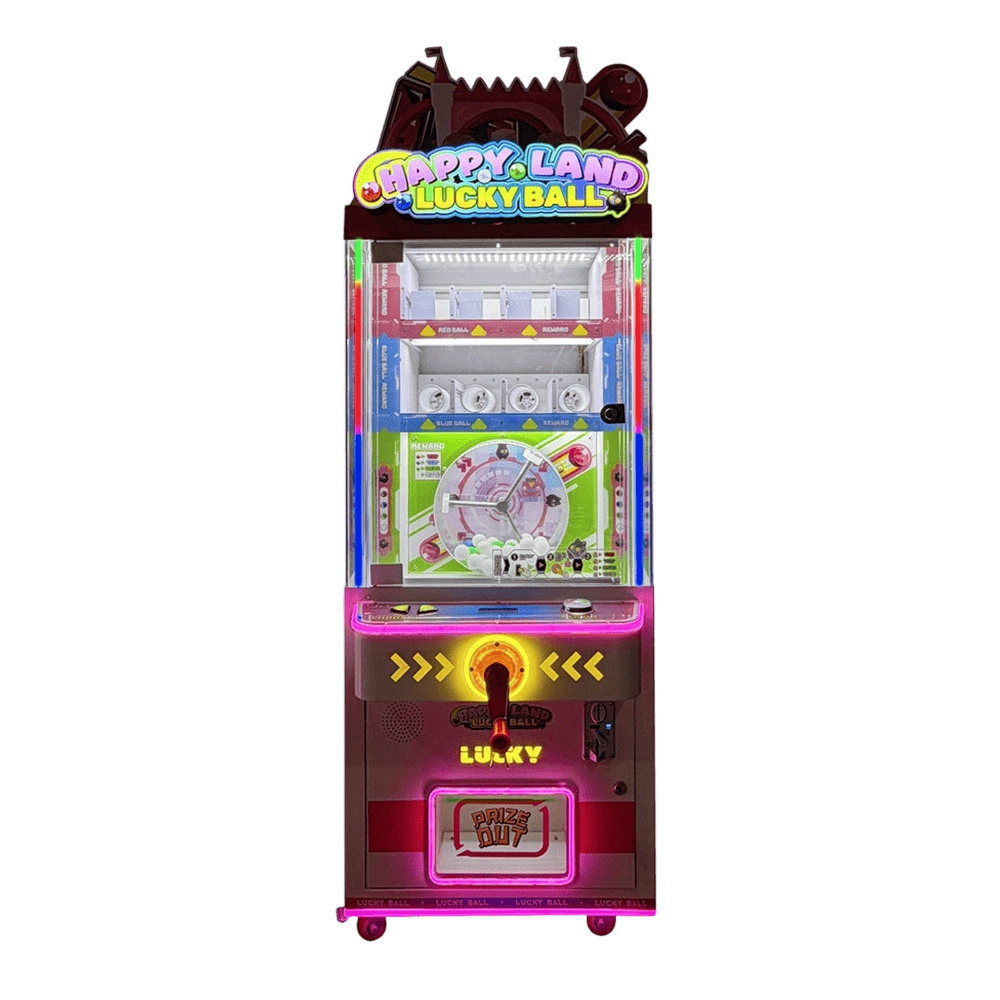
Coin Operated/Card Payment 2 Players SPIN ORBIT Lucky Prize Arcade Game
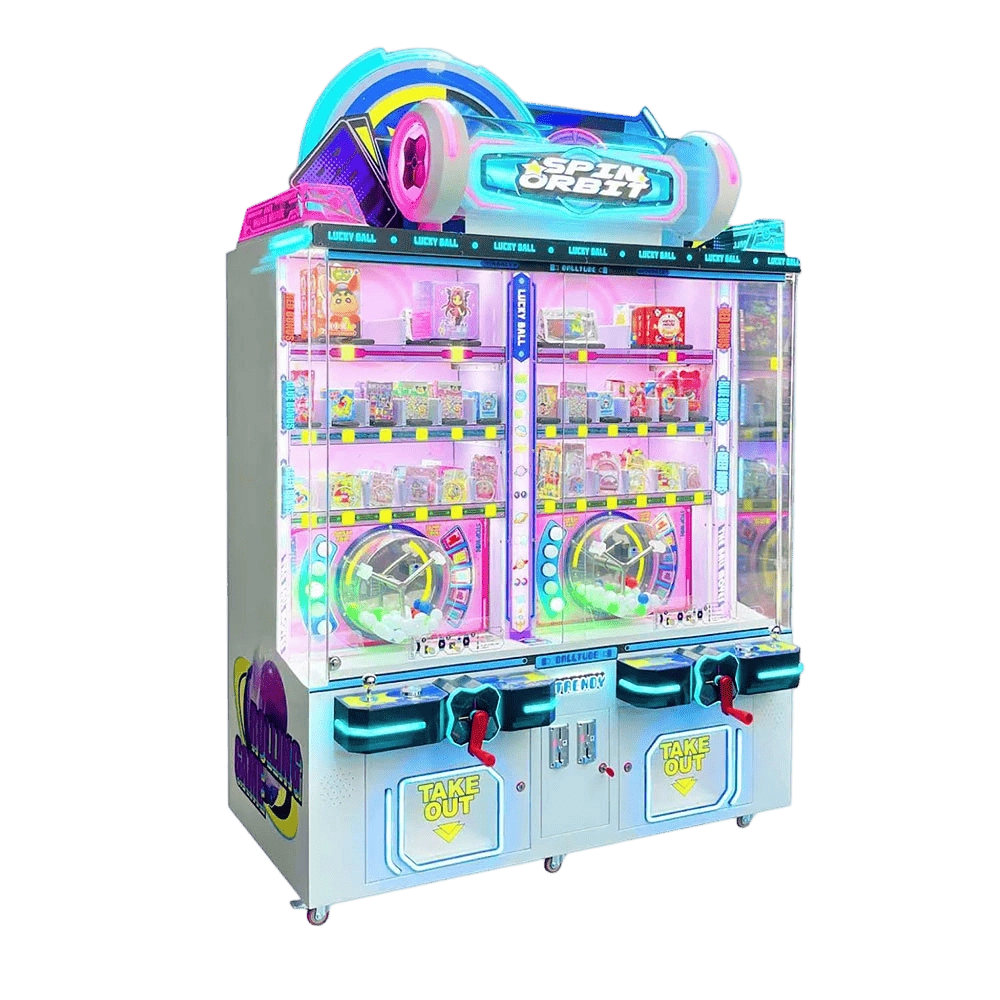
Coin Operated/Card Payment SPIN ORBIT Lucky Prize Arcade Game
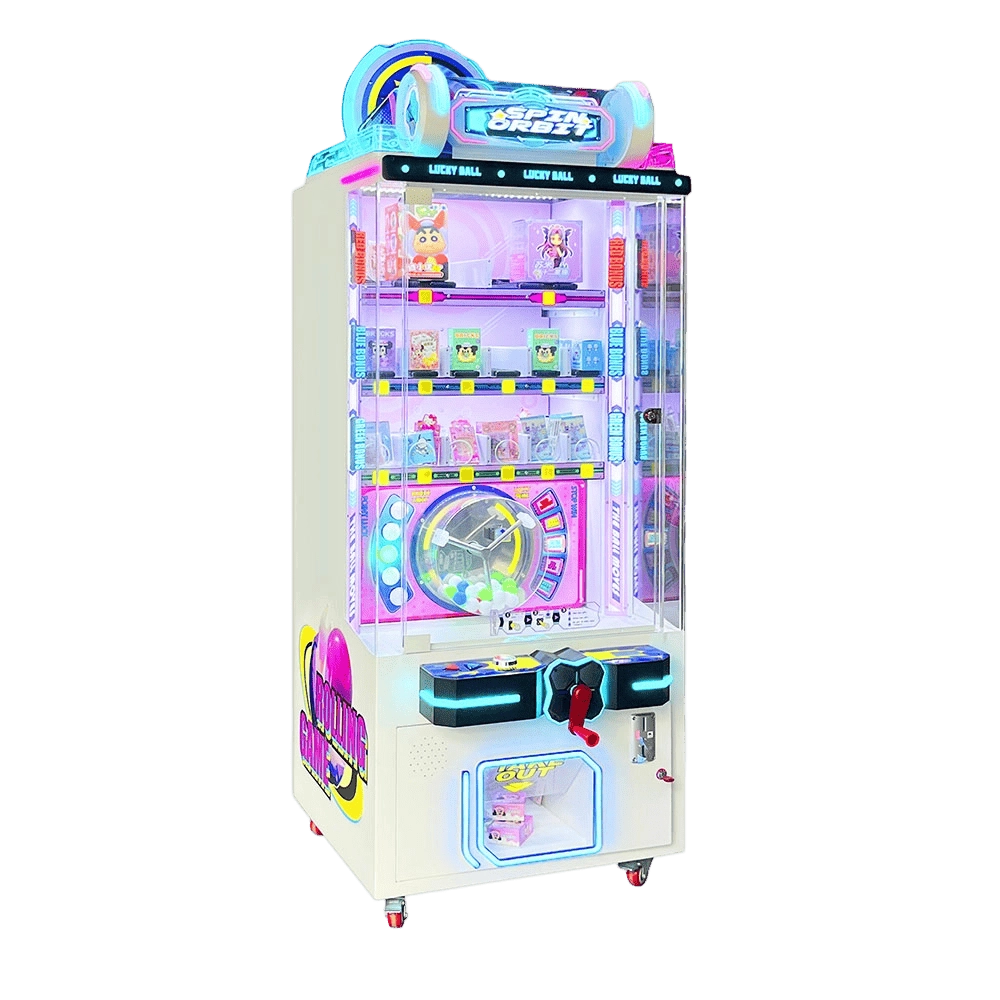
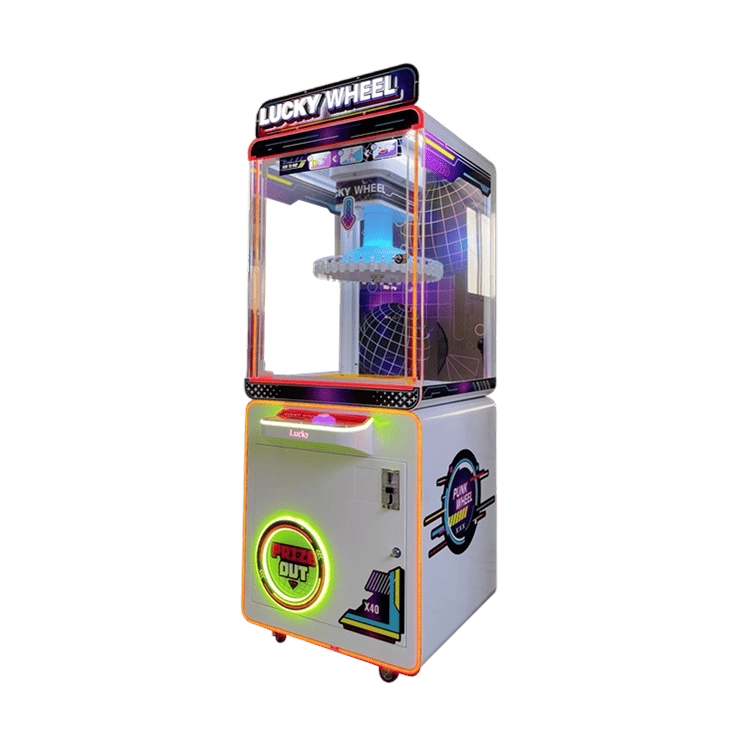
Arcade Prize Lucky Wheel Gift Machine For Amusement Areas
Get in Touch with Jiami Games
If you have any comments or good suggestions, please leave us a message; later our professional staff will contact you as soon as possible.

Innovative Entertainment, at Your Fingertips
Learn about Jiami Games and explore our expertise in console development, innovative design, and global markets.
Quick Links:
© 2026 Jiami Games.
Whatsapp: +8618520390438