





Custom Branding and Modifications for Coin-Operated Machine Arcade

- Understanding Location, Player Behavior, and Business Goals
- Assessing venue fit and demographics
- Player segmentation and gameplay tuning
- Defining KPIs and expected outcomes
- Custom Branding Strategies for Coin Operated Machine Arcade
- Visual identity and cabinet wraps
- Prize presentation and merchandising
- Localized language and cultural cues
- Technical Modifications, Compliance, and Payment Integration
- Hardware upgrades: displays, lighting, and controls
- Payment modernization: from coin to cashless
- Safety, regulations, and quality standards
- Operational Impact, ROI, and Long-Term Maintenance
- Modeling ROI for branding and mods
- Maintenance, spare parts, and remote diagnostics
- Data-driven iteration and firmware management
- Why Partner with an Experienced Manufacturer: The Jiami Games Advantage
- Production scale and R&D depth
- Product range and customization capabilities
- Global client base and service commitment
- Case Examples and Practical Recommendations
- Small mall operator: low-budget, high-impact mods
- Large FEC chain: scalable standardization
- Pop-up events and experiential activations
- References and Standards
- Frequently Asked Questions (FAQ)
- 1. How much does it typically cost to customize a coin operated machine arcade cabinet?
- 2. Will adding cashless payments increase revenue?
- 3. How do I maintain machines after customization?
- 4. Are there compliance issues I should worry about when modifying arcade units?
- 5. How do I measure if a branding or technical change is successful?
- 6. Can Jiami Games help with custom game development and localization?
In the competitive landscape of entertainment venues—from family arcades to FECs (family entertainment centers), shopping malls, and leisure complexes—I focus on how strategic custom branding and technical modifications for coin operated machine arcade units can drive foot traffic, increase dwell time, and improve per-play revenue. My approach combines on-site location analysis, player-segmentation, hardware and software customization, payment modernization, and a long-term maintenance strategy to deliver measurable business outcomes for operators worldwide.
Understanding Location, Player Behavior, and Business Goals
Assessing venue fit and demographics
Before any modification, I start with the fundamentals: who are your customers and where are the machines placed? Coin operated machine arcade units perform very differently in a family mall corridor versus a dedicated arcade. I analyze demographic data (age groups, peak hours, average dwell time) and spatial factors (sightlines, power accessibility, foot traffic flow) to determine the optimal machine types and the scope of branding. For data on footfall and entertainment trends I often reference industry resources like the International Association of Amusement Parks and Attractions (IAAPA) for trade benchmarks (IAAPA).
Player segmentation and gameplay tuning
Effective customization begins with player segmentation: casual passersby, families with children, hobbyists, or competitive players. For example, prize crane machines and kiddie rides attract casual players and families, so bold, approachable artwork and clearer prize displays work best. Competitive arcade cabinets (fighting, racing, shooting) benefit from tournament-ready controls and responsive displays. I use gameplay telemetry—play time, success rates, repeat plays—to tune difficulty and payout to match local expectations.
Defining KPIs and expected outcomes
I set clear KPIs: revenue per day/per machine, average coin/drop value, redemption rate for prize machines, and maintenance uptime. These KPIs guide whether we prioritize cosmetic branding, hardware upgrades (e.g., brighter screens, LED effects), or payment modernization (cashless systems). Aligning technical mods with business goals ensures every dollar spent on customization has a measurable return.
Custom Branding Strategies for Coin Operated Machine Arcade
Visual identity and cabinet wraps
Branding is more than logos. For coin operated machine arcade cabinets I recommend a layered approach: cabinet art that communicates target players, complementary LED accents for visibility, and consistent iconography for multi-machine banks. Vinyl wraps with UV-resistant laminates protect artwork in high-traffic environments. Well-executed visual branding can increase play rates by creating immediate recognition and perceived value.
Prize presentation and merchandising
For prize-based coin operated machine arcade units (claw machines, grabbers), prize arrangement and lighting are critical. I advise operators to use tiered prize placement (high value in center, impulse items near corners) and LED color-coding that matches branding. Clear prize labeling (value and rarity) reduces frustration and increases repeat attempts. This ties into pricing strategy—experimenting with play price and visible win probability to optimize revenue.
Localized language and cultural cues
Localization matters. If your venue serves multilingual visitors, adapt instructions, game prompts, and prize descriptions to local languages. I integrate culturally relevant art or seasonal skins for holidays and events to keep machines fresh and relatable. This improves conversion and reduces device confusion, especially for complex redemption flows.
Technical Modifications, Compliance, and Payment Integration
Hardware upgrades: displays, lighting, and controls
Hardware changes can dramatically affect engagement. Upgrading to high-brightness LCDs or incorporating RGB LED accents increases visibility. Ergonomic controls (joysticks, buttons, steering wheels) tailored to intended playstyles reduce breakage and enhance satisfaction. For prize machines, smoother motors and precision win mechanisms reduce maintenance while preserving the intended payout curve.
Payment modernization: from coin to cashless
Moving beyond coins to cashless and contactless payments is a major trend in modern coin operated machine arcade operations. I routinely retrofit systems with card readers, NFC (mobile wallet) modules, and QR-based top-up mechanisms. Cashless conversion often raises average ticket value and reduces coin jam-related downtime. For standards on electronic payment integration it's useful to consult payment industry best practices and regional regulatory requirements.
Safety, regulations, and quality standards
Modifications must comply with electrical safety and, where applicable, amusement device regulations. Adopting internationally recognized quality frameworks such as ISO 9001 for manufacturing and ISO/IEC standards for electronic safety helps maintain consistency—see ISO's overview (ISO 9001). I always document changes and obtain required local certifications before deployment.
Operational Impact, ROI, and Long-Term Maintenance
Modeling ROI for branding and mods
I create simple ROI models that compare cost scenarios—wraps only, hardware upgrades, or full cashless retrofits—against projected revenue uplift and reduced downtime. Below is a sample comparison table operators can use as a template.
| Modification | Typical Cost per Unit (USD) | Expected Revenue Lift | Main Benefit |
|---|---|---|---|
| Cabinet wrap & artwork | 150–400 | 5%–15% | Visibility & branding |
| LED lighting & display upgrade | 300–800 | 10%–25% | Increased attraction |
| Cashless payment retrofit | 400–1,200 | 15%–40% | Higher average spend, less downtime |
| Mechanical reliability upgrade | 200–600 | Indirect (less downtime) | Lower maintenance cost |
Sources for cost ranges are derived from industry vendor pricing and operator case studies; specific numbers vary by region and vendor. For best results, pilots of 3–10 machines reduce risk and provide real-world data for scaling.
Maintenance, spare parts, and remote diagnostics
Long-term uptime depends on a proactive maintenance plan. I recommend stocking key spare parts (motors, joysticks, power supplies, payment modules) and enabling remote telemetry where possible. Remote diagnostics reduces technician visits and shortens mean time to repair (MTTR). Manufacturers that provide parts kits and global support networks materially reduce operating risk.
Data-driven iteration and firmware management
Collecting anonymized play and telemetry data enables iterative tuning—adjusting difficulty, pricing, and prize tables over time. Firmware update processes should be secure and auditable; version control reduces incompatibility issues after a wide rollout. Ensuring secure OTA (over-the-air) update capability is increasingly important for modern coin operated machine arcade setups.
Why Partner with an Experienced Manufacturer: The Jiami Games Advantage
Production scale and R&D depth
From my experience working with manufacturers, choosing a partner with established R&D and manufacturing capacity shortens time-to-market. Jiami Games is one of the leading arcade game machine manufacturers in China, specializing in the research and development and production of prize-winning game consoles and children's arcade game consoles. Located in Panyu, Guangzhou, the company has over 70 game engineers, has developed more than 100 original game programs, and sells over 20,000 game consoles monthly. That scale supports rapid prototyping, reliable supply, and frequent product refreshes.
Product range and customization capabilities
Jiami's main products include prize machines, claw vending machines, and arcade game machines. They launch at least 10 new games every year and can deliver customized cabinet art, payment system integration, and localized software. Beyond equipment, Jiami provides accessories and repair advice—essential for long-term partnerships and minimizing downtime.
Global client base and service commitment
Jiami's clients are located in many countries and many place repeat orders, indicating trust and service reliability. The company's emphasis on long-term customer relationships, custom solutions, and after-sales support makes them a strong partner for operators who need both product quality and operational guidance. Their technical workforce and original game library give clients a competitive edge in deploying themed or exclusive content.
Case Examples and Practical Recommendations
Small mall operator: low-budget, high-impact mods
Recommendation: Start with cabinet wraps and LED accents for key units, upgrade two machines to cashless in high-traffic zones, and monitor KPIs for 60 days. This phased approach balanced cost and visibility gains.
Large FEC chain: scalable standardization
Recommendation: Standardize on a set of cabinet templates, adopt a single cashless platform across locations, and enroll in a spare-parts pool. Negotiate firmware SLA and remote telemetry for fleet health monitoring.
Pop-up events and experiential activations
Recommendation: Use modular branding panels and fast-change prize displays. Prioritize portability and quick setup electrical solutions, while ensuring payment options (cashless QR or tap) to maximize conversion at short-term venues.
References and Standards
- Arcade game overview and history: Wikipedia: Arcade game
- Coin-operated machines (technical/historical context): Wikipedia: Coin-operated machine
- Industry association for amusement and attractions: IAAPA
- Quality management standard information: ISO 9001
Frequently Asked Questions (FAQ)
1. How much does it typically cost to customize a coin operated machine arcade cabinet?
Costs vary by scope: a vinyl wrap may cost $150–$400 per cabinet; LED/display upgrades $300–$800; cashless payment retrofits $400–$1,200. Always pilot a small set to measure actual uplift in your venue before scaling.
2. Will adding cashless payments increase revenue?
Yes, cashless payments commonly increase average spend and reduce downtime from coin jams. Operators often see revenue lifts in the 15%–40% range, depending on audience and pricing strategy. Local payment behavior and fees should be evaluated during planning.
3. How do I maintain machines after customization?
Create a maintenance kit (common spares), enable remote diagnostics if possible, and schedule preventive servicing. Work with your manufacturer for spare-part lead times and recommended intervals.
4. Are there compliance issues I should worry about when modifying arcade units?
Yes. Electrical safety, consumer product standards, and local amusement-device regulations may apply. Ensure any modification is certified per local rules and follow manufacturing quality standards like ISO 9001 where feasible.
5. How do I measure if a branding or technical change is successful?
Track KPIs such as plays per day, revenue per machine, average ticket value, and downtime. Use A/B tests (modified vs. control machines) and run pilots for at least 30–60 days to collect statistically useful data.
6. Can Jiami Games help with custom game development and localization?
Yes. Jiami Games has over 70 game engineers, more than 100 original game programs, and a history of delivering localized content and hardware customization. They also offer accessories and repair support to maintain long-term partnerships.
If you want tailored recommendations for your venue, pilot planning, or a quote for custom-branded machines and cashless retrofits, contact us to discuss your goals and get a free assessment. View our product catalog or request a consultation to see how custom branding and modifications can transform your coin operated machine arcade offerings.
Contact/See products: For inquiries and product details, reach out to Jiami Games to explore prize game machines, pinball game machines, and shooting game machines tailored to your market needs.
Best Coin Slot Machine Game Models for Arcade Buyers 2026
Top 10 claw vending machine Manufacturers and Supplier Brands
How to choose the best claw vending machine for your arcade
Case Studies: Boosting Arcade Revenue with Prize Dispensers
FAQs
How does Jiami Games ensure product quality?
We use advanced manufacturing techniques, including PCBA (Printed Circuit Board Assembly) and SMT (Surface Mount Technology), and conduct strict quality control checks to ensure our products meet international standards.
What types of customers does Jiami Games serve?
We serve a wide range of clients, including entertainment centers, shopping malls, theme parks, family entertainment venues, and arcade operators worldwide.
How can I customize the game machine?
Customization options include machine title writings, stickers, console designs, and even full personalization of machine body color, music, lights, and language, based on order quantities.
What is the minimum order quantity (MOQ)?
The minimum order quantity for our arcade machines is 1 piece. Larger orders qualify for additional customization options.
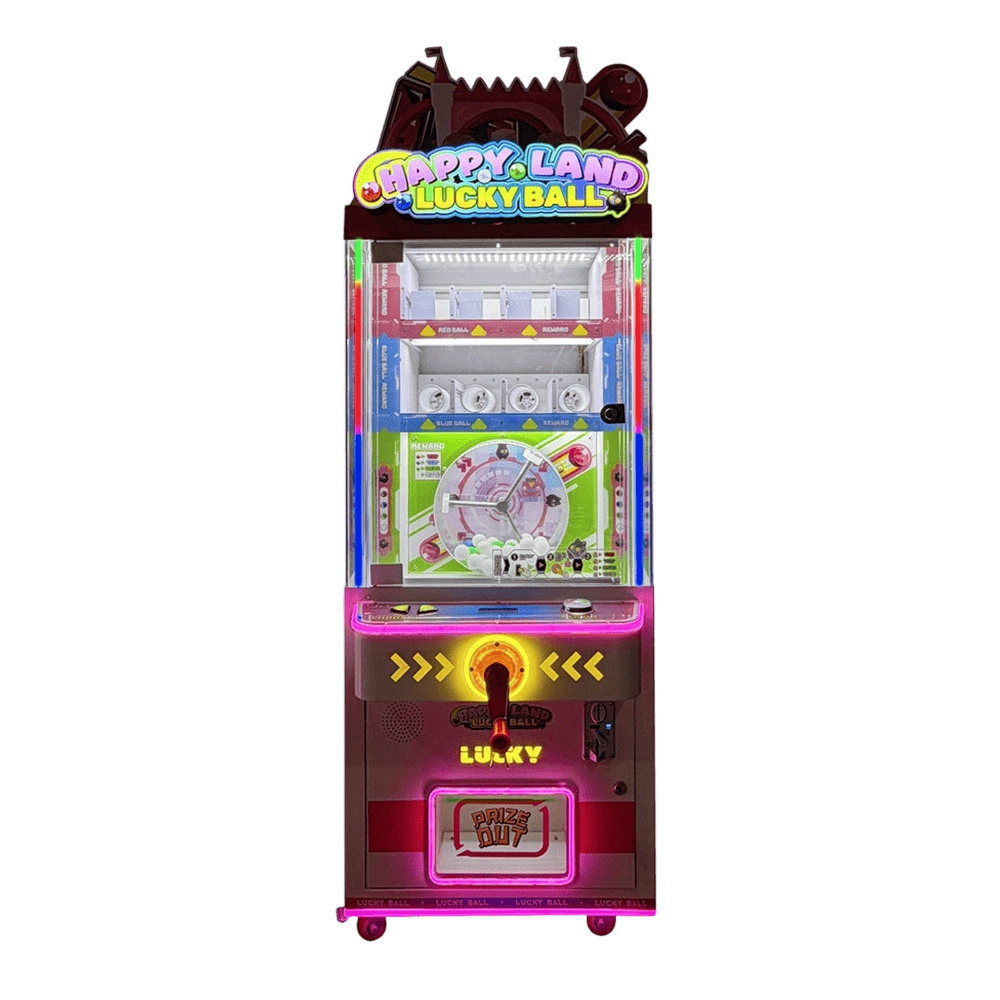
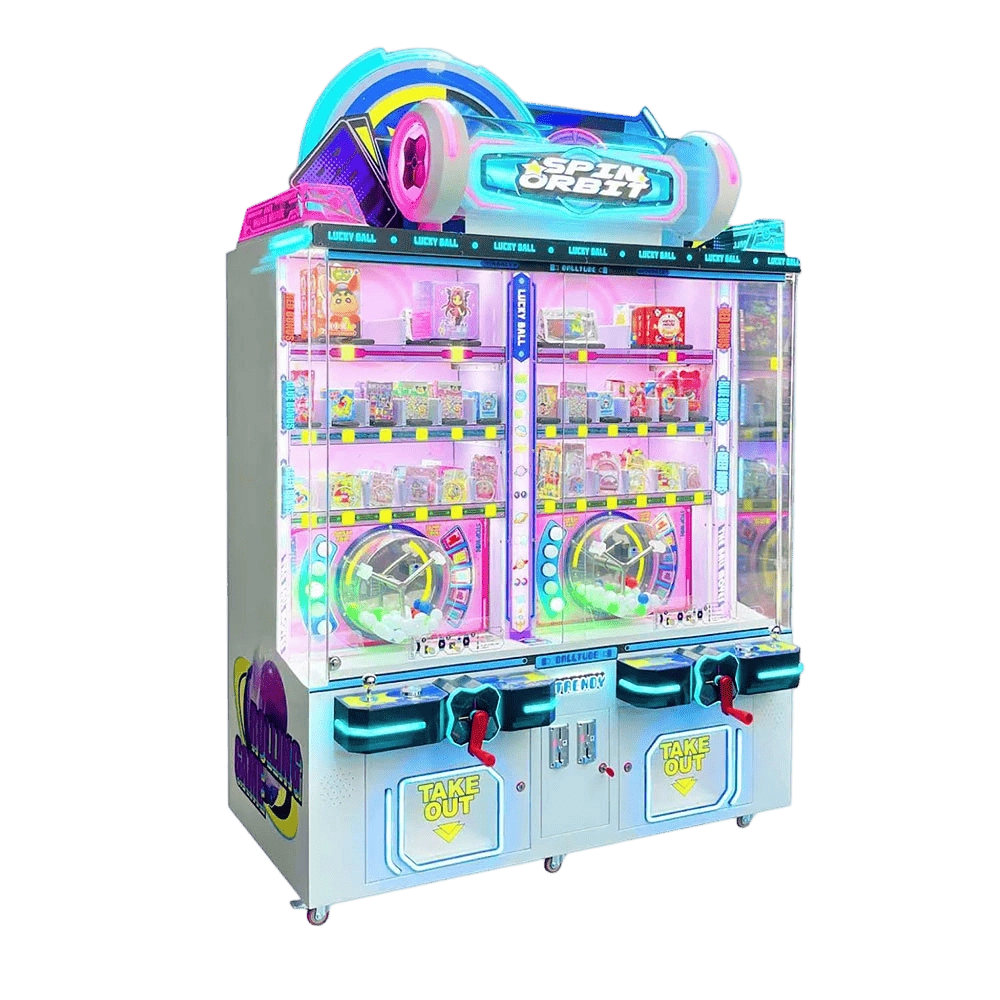
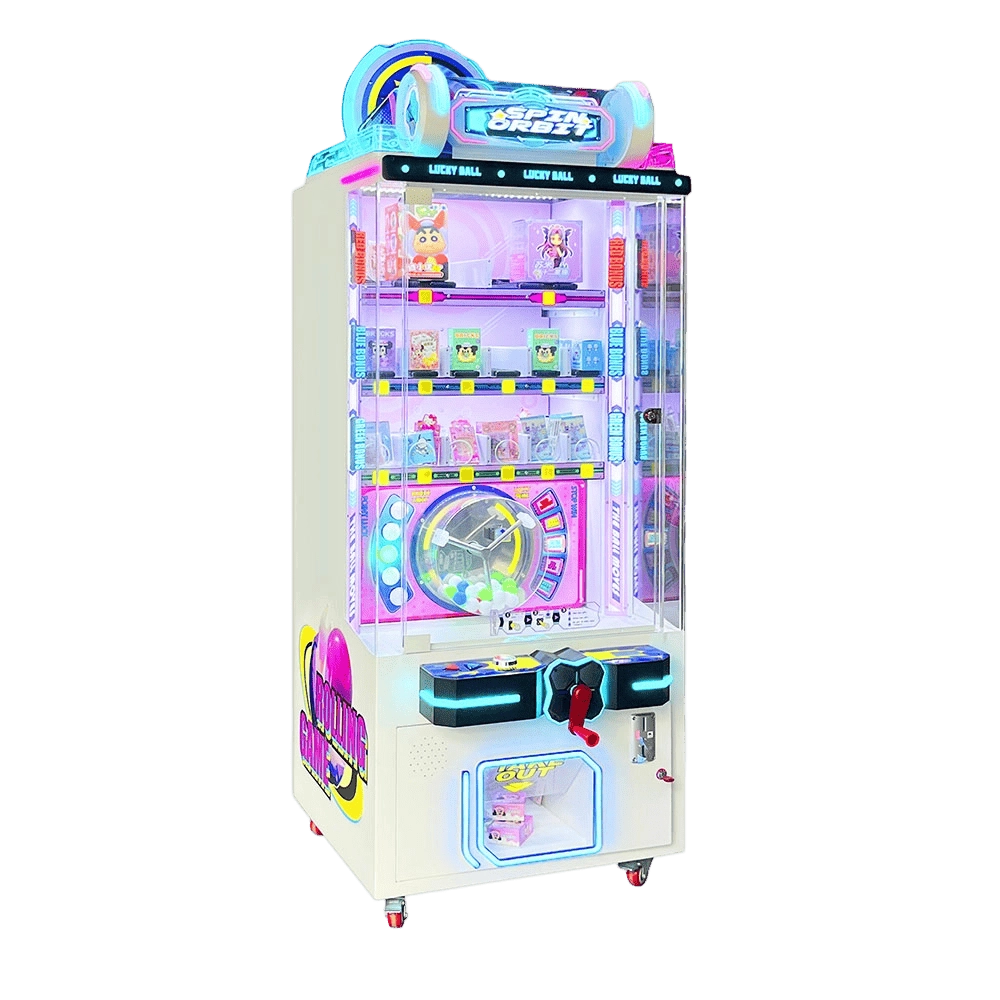
What is the gameplay of the SPIN ORBIT Lucky Prize Arcade Game?
Players use the joystick to guide the ball into a designated hole. Each color ball corresponds to different prize values: red for the highest, blue and green for mid-range prizes, and white for no prize.
You May Also Like
Coin Operated/Card Payment Lucky Ball Vending Toy Gift Arcade Game Machine
Coin Operated/Card Payment 2 Players SPIN ORBIT Lucky Prize Arcade Game
Coin Operated/Card Payment SPIN ORBIT Lucky Prize Arcade Game
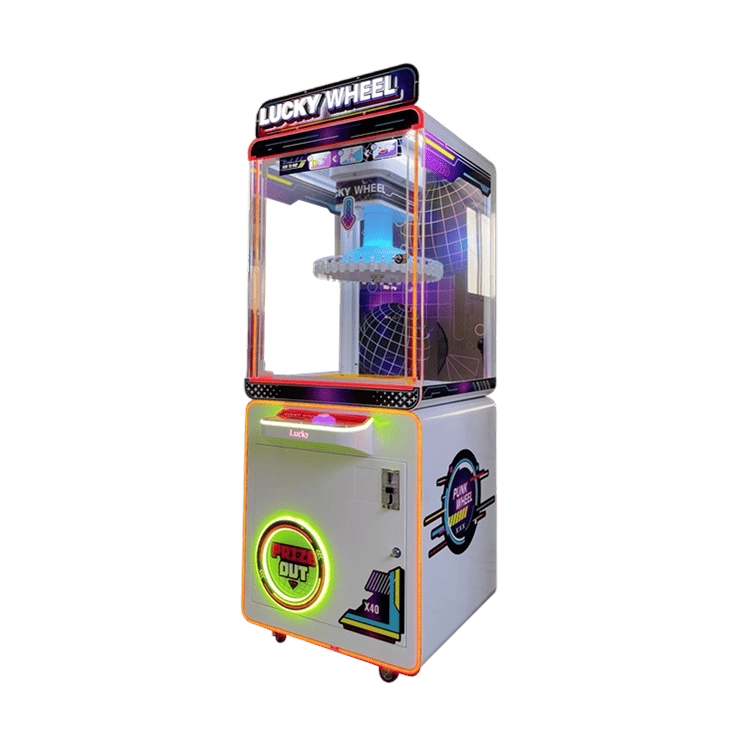
Arcade Prize Lucky Wheel Gift Machine For Amusement Areas
Get in Touch with Jiami Games
If you have any comments or good suggestions, please leave us a message; later our professional staff will contact you as soon as possible.

Innovative Entertainment, at Your Fingertips
Learn about Jiami Games and explore our expertise in console development, innovative design, and global markets.
Quick Links:
© 2026 Jiami Games.
Whatsapp: +8618520390438