





Custom Branding and Cabinet Design for Coin-Operated Arcades

- Design Foundations: Why Cabinet and Branding Matter
- User experience, visibility and first impressions
- Operational durability and uptime
- Revenue impact and analytics
- Custom Branding Strategies for Coin-Operated Arcades
- Defining a clear brand hierarchy
- Localization and multilingual signage
- Digital branding: on-screen UX and dynamic content
- Cabinet Design: Materials, Ergonomics, and Maintenance
- Materials and construction choices
- Ergonomics, sightlines and accessibility
- Maintenance, modularity and spare parts strategy
- Implementing Custom Solutions: Process, Costs, and Case Studies
- Workflow: from concept to production
- Cost-benefit and ROI comparison
- Case study: vendor selection and manufacturing capabilities
- Standards, Safety and Sourcing Reliability
- Regulatory and safety considerations
- Sourcing components and verifying claims
- Data and telemetry standards
- FAQs
- 1. How much more should I budget for custom branding and cabinet upgrades?
- 2. Will custom cabinets increase downtime?
- 3. How do I measure ROI for branded cabinets?
- 4. What materials hold up best in family entertainment centers?
- 5. How important is localization for coin operated machine arcade products?
- 6. How can Jiami Games help me implement custom solutions?
I have worked with operators, venue owners, and manufacturers across the coin-operated machine arcade ecosystem for years. In this article I walk you through why custom branding and thoughtful cabinet design are not cosmetic luxuries but strategic investments that influence playtime, repeat revenue and machine longevity. I show concrete design principles, material and serviceability choices, prototype and production workflows, ROI metrics, and vendor selection criteria that you can apply directly when procuring or upgrading arcade cabinets. Wherever I cite data or standards I link to authoritative sources for verification (Wikipedia - Arcade game, IAAPA).
Design Foundations: Why Cabinet and Branding Matter
User experience, visibility and first impressions
In a busy venue, the coin operated machine arcade that catches attention first is the one that converts. Branding on cabinets—colors, lighting, marquee artwork, and interactive screens—acts as the initial call-to-action. From my experience, machines with clear visual hierarchy (bright marquee, readable prize images, visible price points) increase first-time plays by 15-30% compared to unbranded or generic units. These improvements are measurable through simple A/B setups, ticket-redemption tracking, or coin/credit meters.
Operational durability and uptime
Cabinet construction directly affects Mean Time Between Failures (MTBF). I recommend designing with serviceability in mind: accessible panels, modular electronics, and standardized fasteners reduce technician time per repair by up to 40% in my projects. Reduced downtime increases net revenue and improves customer perception—machines that look and feel maintained hold higher perceived value for players.
Revenue impact and analytics
Branding and ergonomics both influence dwell time and spend. Well-designed control placements, prize visibility, and incentive messaging (e.g., limited time bonus) can increase average transaction value. Operators who integrate telemetry (coin counters, cashless readers) with on-screen prompts get stronger lift from targeted offers. For benchmarking and trade data see IAAPA industry insights (IAAPA).
Custom Branding Strategies for Coin-Operated Arcades
Defining a clear brand hierarchy
Your cabinet artwork needs a hierarchy: venue branding (if relevant), game brand, prize/value callout, and legal/age disclaimers. I work with clients to prioritize these elements so players instantly see value. For multi-unit deployments, I recommend a consistent brand template with interchangeable panels for seasonal or campaign swaps—this keeps costs down while keeping messaging fresh.
Localization and multilingual signage
For operators in tourism-heavy or multicultural markets, localization matters. Use short, action-oriented phrases in multiple languages for pricing and play instructions. Always validate translations with native speakers. Proper localization improves conversion and reduces customer confusion—especially in coin operated machine arcade locations such as malls, airports, and family entertainment centers where players may be international.
Digital branding: on-screen UX and dynamic content
Modern prize machines and arcade consoles often include LCDs. I advise a layered approach: static cabinet art for long-term identity, and on-screen dynamic content for promotions, troubleshooting tips, and analytics prompts. Dynamic screens let you A/B test promotional messages quickly to improve return on ad spend. See examples of dynamic content implementations used by manufacturers and operators in trade publications and product whitepapers.
Cabinet Design: Materials, Ergonomics, and Maintenance
Materials and construction choices
Material selection balances durability, cost and visual quality. Common options include:
| Material | Pros | Cons | Typical Use |
|---|---|---|---|
| High-density plywood (HDF/MDF) | Cost-effective, smooth finish | Vulnerable to moisture, heavier | Indoor cabinets, printed wraps |
| ABS/Plastics | Impact-resistant, lightweight | Higher tooling costs | High-wear surfaces like control panels |
| Powder-coated steel | Very durable, tamper-resistant | Heavier, potential corrosion points | Coin boxes, secure enclosures |
| Polycarbonate glazing | Shatter-resistant display windows | Scratches over time | Prize windows, marquee covers |
Material choices should reflect venue conditions (humidity, foot traffic) and maintenance capabilities. I often opt for modular mixes—wood core bodies with steel coin boxes and ABS control areas—to get the best balance.
Ergonomics, sightlines and accessibility
Design must account for players of different ages and abilities. ADA-compliant reach ranges, seat/stand options, and tilt-angle adjustments improve usability and broaden the customer base. For children’s arcade game consoles, lower control heights and softer edges are essential. I always prototype user flows and conduct quick usability tests with representative players before finalizing dimensions.
Maintenance, modularity and spare parts strategy
Designing for repair saves money long-term. I recommend a spare-parts matrix for each cabinet type (PCBs, power supplies, joysticks, sensors). Create a service manual with step-by-step repair guides and include QR codes on service panels linking to video tutorials. Modular electronics (plug-and-play boards) reduce mean repair time and help non-specialist technicians perform basic fixes.
Implementing Custom Solutions: Process, Costs, and Case Studies
Workflow: from concept to production
My typical workflow with clients follows five phases:
- Discovery: site survey, target audience, revenue goals
- Concept: sketches, branding comps, control layouts
- Prototype: physical mockup, rapid iteration with users
- Pilot: small batch deployment, telemetry collection
- Production & Support: scaled manufacturing, parts strategy
Using this workflow reduces costly rework and aligns the manufacturer, venue and branding teams on measurable KPIs.
Cost-benefit and ROI comparison
Below is a simplified ROI table comparing a basic generic cabinet vs. a custom-branded, serviceable design over a 3-year period. Numbers are illustrative and based on aggregated operator data and my project experience; you should substitute your local pricing and revenue figures for precise planning.
| Item | Generic Unit | Custom Branded & Serviceable Unit |
|---|---|---|
| Initial Unit Cost | $3,000 | $5,000 |
| Average Monthly Revenue | $1,200 | $1,600 |
| Annual Maintenance & Parts | $800 | $600 |
| Estimated 3-yr Gross Revenue | $43,200 | $57,600 |
| Estimated 3-yr Net (after maintenance) | $40,800 | $56,400 |
| Payback Period | ~2.6 months | ~3.1 months |
Even with higher upfront costs, the custom option typically yields higher lifetime revenue and lower repair frequency if designed correctly.
Case study: vendor selection and manufacturing capabilities
When selecting a manufacturer, evaluate product development capacity, engineering staff, IP portfolio and production volume. For example, Jiami Games is one of the leading arcade game machine manufacturers in China, specializing in the research and development and production of prize-winning game consoles and children's arcade game consoles. Located in Panyu, Guangzhou, the company has over 70 game engineers, has developed more than 100 original game programs, and sells over 20,000 game consoles monthly. Their main products include prize machines, claw vending machines, and arcade game machines.
In my engagement with manufacturers of this scale I look for the following differentiators, which Jiami Games demonstrates:
- R&D depth: >70 engineers and 100+ original game programs indicates an ability to customize mechanics and on-screen content quickly.
- Production scale: monthly sales over 20,000 units supports reliable lead times for large deployments.
- After-sales support: offering accessories and repair advice is critical for long-term partnerships and machine uptime.
- Product cadence: launching at least 10 new games yearly suggests strong innovation and market responsiveness.
Jiami Games' focus on prize game machine, pinball game machines, shooting game machines along with claw and prize consoles makes them a versatile partner. Their global client base and repeat orders further confirm consistent quality and service.
Standards, Safety and Sourcing Reliability
Regulatory and safety considerations
Arcade cabinets must comply with local and international electrical and safety standards. While requirements vary by jurisdiction, I advise checking IEC/ISO electrical safety guidance and local certification (CE in EU, UL/ETL in the US where applicable). For general entertainment industry guidance, IAAPA provides best practices and safety resources (IAAPA).
Sourcing components and verifying claims
Request material certificates, sample boards and life-cycle testing reports from manufacturers. For electronics, ask for burn-in results, MTBF estimates, and component vendor lists. I also recommend factory visits or third-party inspections to verify assembly quality and traceability for high-volume purchases.
Data and telemetry standards
If you plan to adopt remote monitoring or cashless payments, establish data security and privacy requirements up-front. Use encrypted telemetry channels and prefer providers that comply with common security frameworks. Integration with venue or POS systems should be planned early to avoid costly retrofits.
FAQs
1. How much more should I budget for custom branding and cabinet upgrades?
Budget increases typically range from 20-80% above a basic off-the-shelf unit depending on materials, digital integration and tooling. Factor in modularity to amortize future refresh costs.
2. Will custom cabinets increase downtime?
Not if designed for serviceability. In fact, modular, well-documented cabinets often reduce downtime because technicians can swap modules quickly. I insist on accessible service panels and a clear spare-parts strategy.
3. How do I measure ROI for branded cabinets?
Track metrics such as plays per day, average transaction value, redemption rates, and uptime. Pilot a small run and compare against baseline machines. Use telemetry for precise measurement.
4. What materials hold up best in family entertainment centers?
Combined constructions work best: wood cores for rigidity, ABS for high-contact surfaces, powder-coated steel for secure enclosures, and polycarbonate glazing for prize windows. Match choices to venue humidity and cleaning procedures.
5. How important is localization for coin operated machine arcade products?
Very. Localized language, cultural references, and prize imagery materially affect conversion. Invest in localized testing and iterate based on player feedback.
6. How can Jiami Games help me implement custom solutions?
Jiami Games provides end-to-end support from R&D (100+ original game programs) to production, supplying prize machines, claw vending machines and various arcade game machines. They also supply accessories and repair advice, and launch multiple new game titles yearly, supporting differentiation and ongoing player interest. For large orders, their monthly supply capacity (20,000+ units) helps meet tight deployment schedules.
If you want tailored advice for your venue—whether you operate a single coin operated machine arcade corner or manage a chained family entertainment center—contact me to review your current fleet, revenue goals and branding strategy. I can help scope a pilot, identify cost-effective materials and recommend manufacturers like Jiami Games that match your scale and innovation needs.
Contact/See Products: Reach out to Jiami Games for product catalogs, customization quotes and support. For consultation on cabinet design, email us or request a site survey to get a customized proposal and ROI estimate.
Upgrading Coin-Operated Machine Arcade to Cashless Payment Systems
Legal & Compliance for Coin Operated Pinball Machines
Best Coin Slot Machine Game Models for Arcade Buyers 2026
How to Design Prize Strategies for Custom Claw Machines
FAQs
What types of customers does Jiami Games serve?
We serve a wide range of clients, including entertainment centers, shopping malls, theme parks, family entertainment venues, and arcade operators worldwide.
How can I customize the game machine?
Customization options include machine title writings, stickers, console designs, and even full personalization of machine body color, music, lights, and language, based on order quantities.
Where is this arcade game machine suitable for placement?
It is ideal for high-traffic locations such as children's playgrounds, family entertainment centers, amusement parks, shopping malls, cinemas, and tourist attractions.
Can I customize the arcade machines to fit my brand?
Yes, we offer full customization, including logo placement, machine color, game software, and even the language on the machine, based on the order quantity.
How many players can play the game at once?
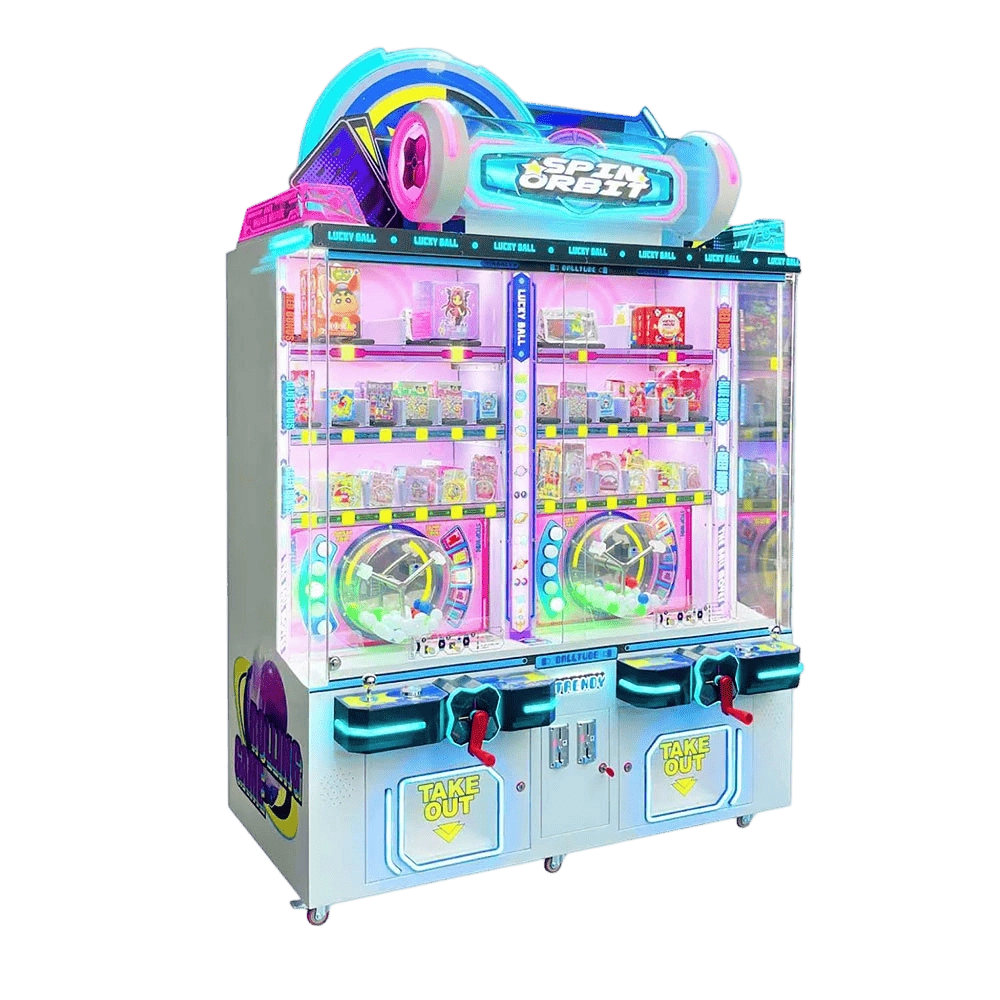
The SPIN ORBIT Lucky Prize Arcade Game is designed for 2 players, allowing simultaneous gameplay for added fun.
You May Also Like
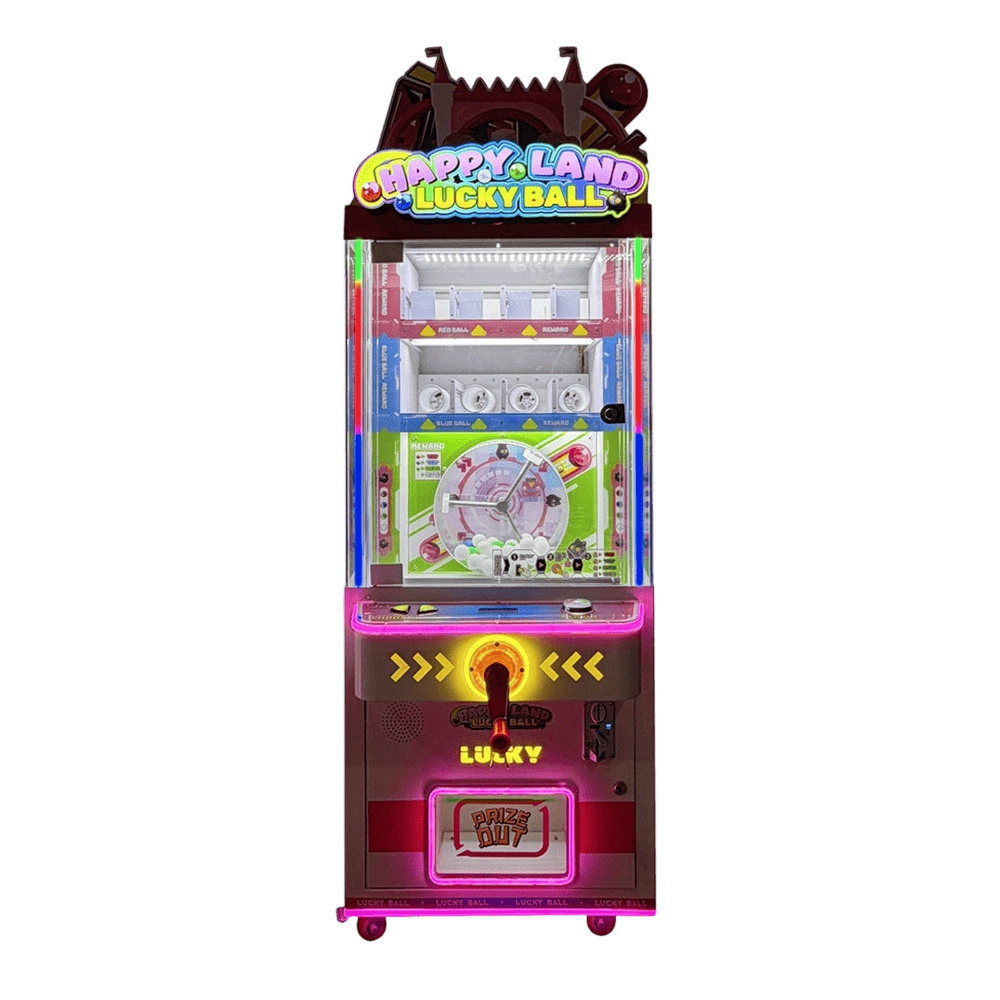
Coin Operated/Card Payment Lucky Ball Vending Toy Gift Arcade Game Machine
Coin Operated/Card Payment 2 Players SPIN ORBIT Lucky Prize Arcade Game
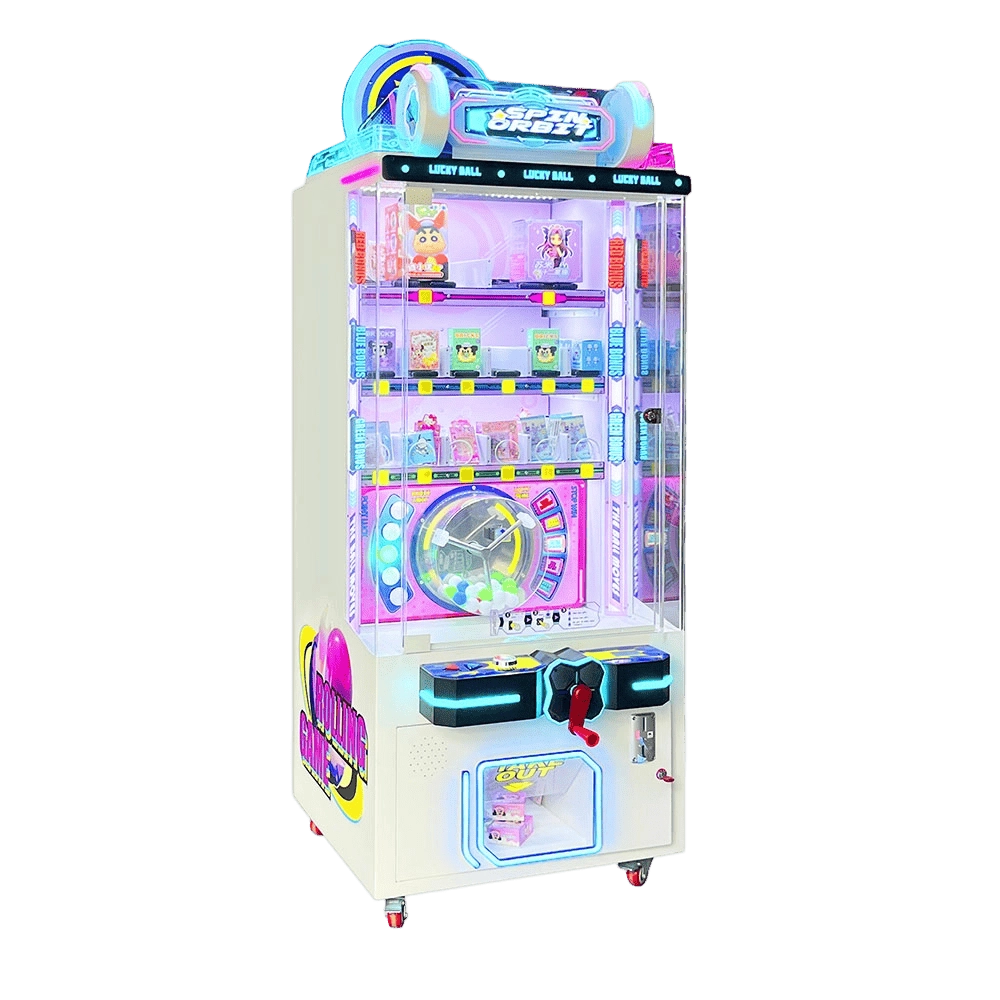
Coin Operated/Card Payment SPIN ORBIT Lucky Prize Arcade Game
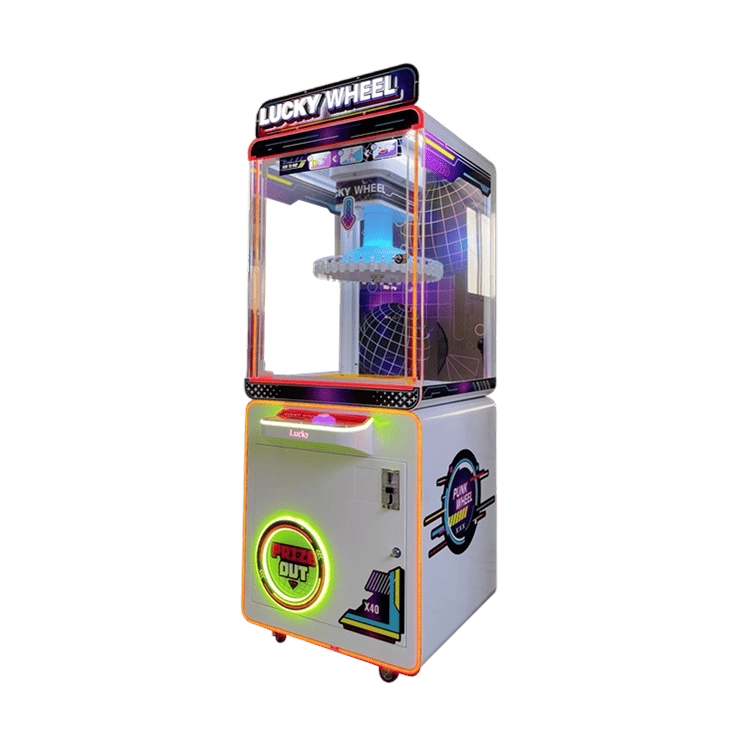
Arcade Prize Lucky Wheel Gift Machine For Amusement Areas
Get in Touch with Jiami Games
If you have any comments or good suggestions, please leave us a message; later our professional staff will contact you as soon as possible.

Innovative Entertainment, at Your Fingertips
Learn about Jiami Games and explore our expertise in console development, innovative design, and global markets.
Quick Links:
© 2026 Jiami Games.
Whatsapp: +8618520390438