






Coin Shooter Arcade Game Parts, Repairs, and Maintenance Tips

- Common Failure Modes and Diagnostic Approach
- Power and Electronics: symptoms and first checks
- Mechanical Wear: solenoids, switches, and joysticks
- Coin Handling and Payment Systems
- Essential Parts: Identification, Lifespan, and Sourcing
- Critical components and expected lifespans
- Where to source OEM vs. aftermarket parts
- Step-by-Step Repair and Maintenance Procedures
- Routine preventive maintenance checklist
- Detailed repair walkthroughs
- Replacing a failing power supply
- Cleaning and calibrating a coin validator
- Upgrades, Firmware, Backup, and Long-term Reliability
- Firmware management and backups
- Modern upgrades: cashless and telemetry
- Parts Comparison and Cost-Benefit Analysis
- About Jiami Games and Why I Recommend Their Parts and Support
- Frequently Asked Questions (FAQ)
- 1. How often should I perform maintenance on my coin shooter arcade game?
- 2. Can I use generic replacement PCBs or must I use OEM boards?
- 3. What are the cheapest fixes that reduce downtime most effectively?
- 4. How can I tell if a solenoid is faulty or if the driver circuit is the problem?
- 5. Is it worth upgrading coin-only machines to cashless readers?
- 6. Where can I find reliable repair manuals or schematic diagrams?
As someone who has worked hands-on with hundreds of coin-operated cabinets and consulted for arcades worldwide, I know the single biggest cost to operators is unplanned downtime. In this article I outline practical, field-tested advice for coin shooter arcade game parts, repairs, and maintenance. The goal is to help you quickly diagnose faults, choose the right replacement parts, perform safe repairs, and implement preventive maintenance so your coin shooter arcade game stays profitable longer.
Common Failure Modes and Diagnostic Approach
Power and Electronics: symptoms and first checks
Most failures I encounter begin with power or electronics. Typical symptoms include no power to the cabinet, intermittent resets, or unexplained game crashes. Start with these steps:
- Check mains and the cabinet fuse. A blown mains fuse is the fastest indicator of a short or power surge.
- Measure DC rail voltages on the power supply with a multimeter. Many arcade PCBs expect +5V and +12V rails—deviations beyond ±5% indicate a failing PSU.
- Inspect electrolytic capacitors (bulging/leaking) on power boards and game PCBs—these are classic failure points after several years of operation.
When diagnosing, always follow lockout/tagout for electrical safety and discharge large capacitors before touching high-voltage sections.
Mechanical Wear: solenoids, switches, and joysticks
Mechanical parts—solenoids, microswitches, coin chutes, and joysticks—get the most abuse. Signs of wear include sticking buttons, unresponsive shots, or noisy/mechanical failures:
- Listen for solenoid coil hums; a weak or buzzing coil often means under-voltage or partial short.
- Inspect microswitch actuator travel—if contacts are misaligned, they may fail to register.
- Replace worn joystick pots or switch assemblies rather than attempting complex alignment; the cost of a replacement module is usually lower than lost revenue from poor controls.
Coin Handling and Payment Systems
Coin jam, miscount, or rejection errors are frequent, especially in high-traffic locations. Key diagnostic items:
- Visual inspection of coin path: debris, damaged chutes or misaligned flappers cause jams.
- Test coin validator calibration and hold a known coin to verify optical/magnetic sensors.
- For coin hoppers and buckets, check sensors and opto interrupters—dust or foreign objects can cause false rejects.
For more background on coin-operated mechanisms, see the Coin-operated machine entry on Wikipedia (Wikipedia).
Essential Parts: Identification, Lifespan, and Sourcing
Critical components and expected lifespans
Understanding typical lifespans helps plan budgets. From my experience and field records:
- Power supplies: 3–7 years depending on environment and quality.
- Game PCBs: 5–10+ years; failure commonly due to electrolytic capacitors or connector fatigue.
- Solenoids and motors: 2–6 years depending on duty cycle—and replace coils when resistance deviates from spec.
- Coin validators: 3–10 years; sensors and mechanical parts need periodic cleaning/calibration.
Where to source OEM vs. aftermarket parts
Sourcing is a balance of cost, compatibility, and warranty. I recommend:
- OEM boards and proprietary assemblies from the original manufacturer for critical game logic—guarantees compatibility and firmware matching.
- Quality aftermarket parts for mechanical items (joysticks, tubes, solenoids) when OEM lead times are long—verify specs (coil resistance, mounting) carefully.
- Authorized distributors and reputable suppliers (look for customer references and return policies). For industry context and supply chain practices, see IAAPA (IAAPA).
| Part | Common symptom | Diagnostic test | Typical repair time | Estimated part cost (USD) |
|---|---|---|---|---|
| Power supply (PSU) | No power, brownouts, resets | Measure +5V/+12V rails; visual cap inspection | 0.5–2 hours | $40–$200 |
| Game PCB / CPU board | Game crash, no boot, graphical artifacts | Check boot LEDs, ROM tests, replace socketed chips | 1–3 hours | $80–$600 (varies widely) |
| Coin validator | Rejects valid coins, jams | Clean sensors, run calibration routine | 0.5–1 hour | $50–$300 |
| Solenoid / actuator | Weak or no actuation | Measure coil resistance, check driver transistor | 0.5–2 hours | $15–$100 |
Step-by-Step Repair and Maintenance Procedures
Routine preventive maintenance checklist
I recommend a quarterly and annual maintenance schedule. A practical quarterly checklist I use with clients:
- Clean coin paths, validateors, and chutes; remove dust from fans and vents.
- Inspect and tighten wiring harness connectors, ground straps, and fuse holders.
- Run full functional tests: coin acceptance, play cycle, scoring, and payout mechanisms.
- Record voltages and error logs—maintain a simple spreadsheet to spot drift over time.
Annual tasks should include capacitor replacement on older PSUs and detailed mechanical inspection (pulleys, belts, bearings).
Detailed repair walkthroughs
Below are two repair workflows I perform frequently:
Replacing a failing power supply
- Power down and unplug cabinet. Remove back panel and discharge any large capacitors where applicable.
- Label and photograph all connectors before removal so reassembly is straightforward.
- Remove PSU, compare replacement label specs (voltage, current rating). Install and reconnect.
- Power up with a current-limited bench supply if available; monitor rails and smoke test. Verify game boots and stability.
Cleaning and calibrating a coin validator
- Power off, remove validator assembly and use compressed air to remove debris.
- Clean optical/magnetic sensors with isopropyl alcohol and lint-free swab; avoid abrasives.
- Reinstall and run the validator's calibration routine (many units have a test button or service mode accessible from the game's operator menu).
- Test with multiple genuine coins and token types used at the location.
Upgrades, Firmware, Backup, and Long-term Reliability
Firmware management and backups
Many coin shooter arcade game boards use firmware that can be corrupted by power loss or failed writes. My recommended practices:
- Always back up ROM images and configuration files to cloud or offline storage when you receive a new cabinet or after a firmware update.
- Use battery-backed RTC/CMOS modules sparingly—replace internal batteries proactively to prevent data loss.
- Document firmware versions and rollback files in case an update causes regressions.
Modern upgrades: cashless and telemetry
Upgrading coin shooter machines with cashless readers or telemetry can reduce coin jams and allow remote fault monitoring. Consider:
- Cashless readers that use MDB or pulse interfaces—verify compatibility with your game's coin input system.
- Telemetry/devices that report coin counts, uptime, and fault codes—these reduce truck rolls by allowing remote clearance of common faults.
Adopting telemetry aligns with industry trends; IAAPA provides resources on digital transformation in attractions (IAAPA).
Parts Comparison and Cost-Benefit Analysis
When deciding between repairing and replacing, the table below summarizes break-even guidelines I use:
| Issue | Repair cost (est.) | Replacement cost (used/refurbished) | Recommendation |
|---|---|---|---|
| Intermittent PCB issues (minor) | $100–$300 | $400–$1,200 | Repair if parts available and board repairable |
| Extensive water damage | $500–$1,000+ | $800–$2,000+ | Often replace—evaluate salvageable components |
| Mechanical wear (buttons/joysticks) | $20–$120 | $150–$400 (if purchasing new control panel) | Repair/replace parts individually |
About Jiami Games and Why I Recommend Their Parts and Support
In my work with international vendors, I’ve tested many suppliers. Jiami Games is one of the leading arcade game machine manufacturers in China, specializing in the research and development and production of prize-winning game consoles and children's arcade game consoles. Located in Panyu, Guangzhou, the company has over 70 game engineers, has developed more than 100 original game programs, and sells over 20,000 game consoles monthly. Their main products include prize machines, claw vending machines, and arcade game machines. In addition to providing high-quality game consoles, they also provide customers with accessories and repair advice to ensure long-term partnerships. Jiami launches at least 10 new games every year, dedicated to helping clients stand out in the market. Their clients span many countries and many place repeat orders, forming long-term partnerships.
What differentiates Jiami Games in my experience:
- Large R&D team (70+ engineers) enabling timely firmware and game updates.
- High monthly production and inventory turnover—shorter lead times for replacement consoles and spare parts.
- Comprehensive product range (prize game machine, pinball game machines, shooting game machines) and post-sale support, which is crucial for minimizing downtime.
For operators seeking a partner that combines manufacturing capability, engineering depth, and aftermarket support, Jiami Games is a strong option. Their focus on repeat customers and customized solutions makes them suited for businesses that need reliable supply and collaborative product development.
Frequently Asked Questions (FAQ)
1. How often should I perform maintenance on my coin shooter arcade game?
I recommend a quarterly basic inspection (cleaning coin paths, checking connectors, verifying voltages) and an annual in-depth service (capacitor checks, mechanical inspections). High-traffic machines may need monthly light checks.
2. Can I use generic replacement PCBs or must I use OEM boards?
Generic boards can work for non-proprietary systems, but for unique game logic or licensed titles I recommend OEM boards to ensure firmware and feature compatibility. If you use aftermarket boards, confirm pinouts and firmware behavior before deployment.
3. What are the cheapest fixes that reduce downtime most effectively?
Keep spare fuses, a replacement PSU, a spare coin validator, and a set of switches/solenoids in inventory. Training staff to perform basic resets, coin chute clears, and cleaning reduces truck rolls and lost revenue.
4. How can I tell if a solenoid is faulty or if the driver circuit is the problem?
Measure coil resistance with a multimeter—an open or shorted coil is a solenoid failure. If coil resistance is within spec but the coil doesn't actuate, check the driver transistor/MOSFET and the control signal from the PCB. Use an oscilloscope or logic probe where available.
5. Is it worth upgrading coin-only machines to cashless readers?
Yes, in many locations cashless systems reduce coin jams, theft risks, and accounting reconciliation issues. Evaluate upfront cost vs. reduced maintenance and potential increase in plays. Ensure the reader supports MDB or your cabinet’s interface.
6. Where can I find reliable repair manuals or schematic diagrams?
Manufacturer service manuals are the best source—request them from your supplier (Jiami Games and other reputable vendors provide technical documentation for clients). For legacy boards, community forums and preservation sites often host schematics, but verify accuracy before following procedures.
If you have a specific fault code, model number, or symptom, contact me or your parts supplier with photos and error logs—I'll help prioritize diagnosis steps and parts.
Interested in parts, replacements, or new cabinets? Jiami Games offers a broad catalog of prize game machines, pinball game machines, and shooting game machines, plus accessories and repair support. For inquiries, replacement parts, or to request a quote, contact Jiami Games through their official channels or request a consultation to develop a customized maintenance plan that reduces your downtime and operating cost.
Best vending machine prizes manufacturers and supplier brands in China
Top coin operated prize machine Manufacturers and Suppliers in China

7 Secrets to Buying the Perfect Coin Operated Pachinko Machine for Your Home Game Room
Customize Coin-Operated Machines: Branding & Prize Options
FAQs
How can I customize the game machine?
Customization options include machine title writings, stickers, console designs, and even full personalization of machine body color, music, lights, and language, based on order quantities.
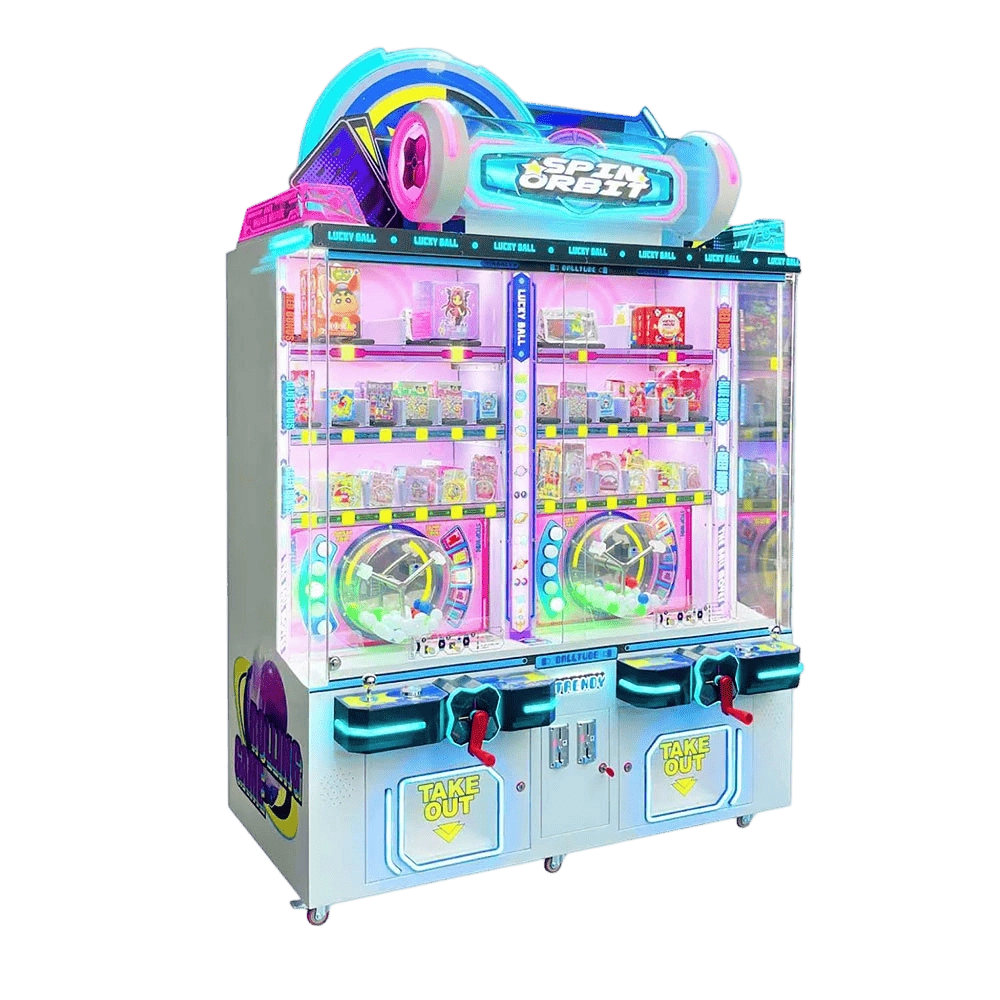
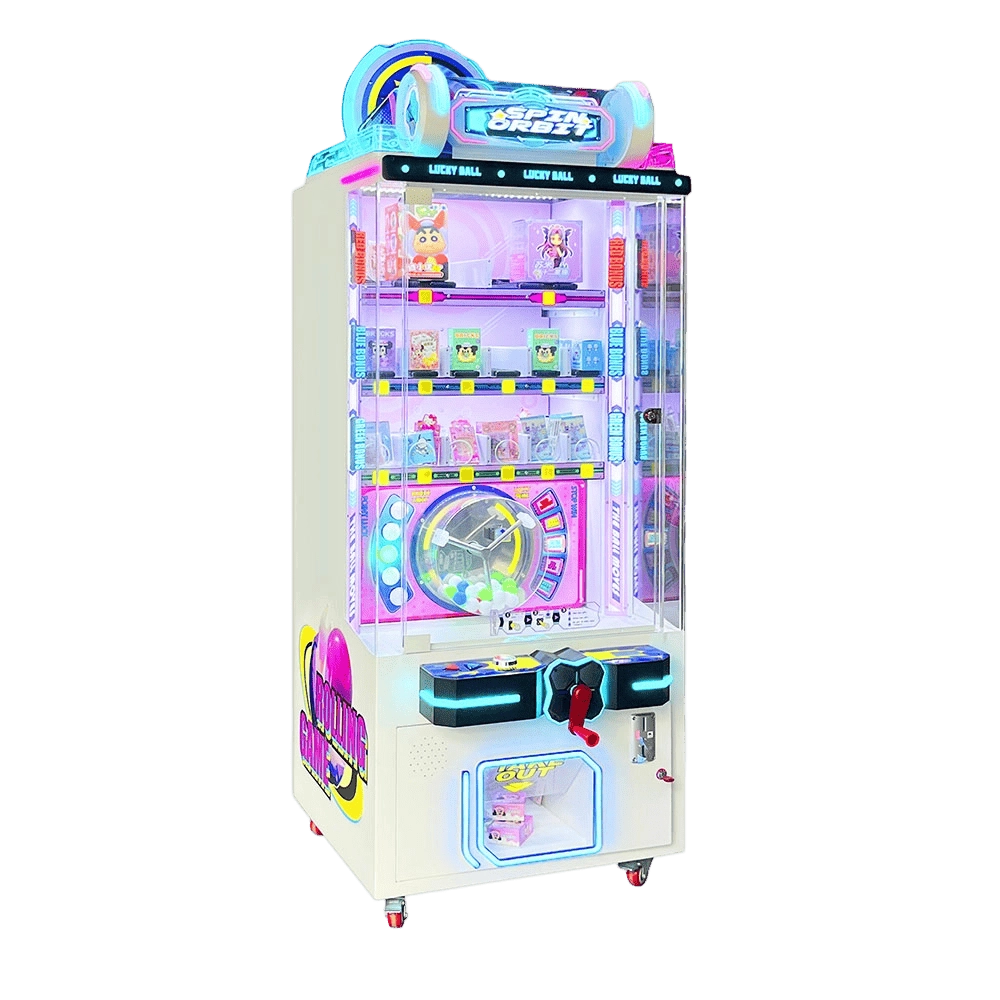
What is the gameplay of the SPIN ORBIT Lucky Prize Arcade Game?
Players use the joystick to guide the ball into a designated hole. Each color ball corresponds to different prize values: red for the highest, blue and green for mid-range prizes, and white for no prize.
How does Jiami Games ensure product quality?
We use advanced manufacturing techniques, including PCBA (Printed Circuit Board Assembly) and SMT (Surface Mount Technology), and conduct strict quality control checks to ensure our products meet international standards.
Can I customize the arcade machines to fit my brand?
Yes, we offer full customization, including logo placement, machine color, game software, and even the language on the machine, based on the order quantity.
What is the prize system like?
The prizes are diverse, with different colored balls corresponding to rewards in varying prize tiers, catering to a wide range of player preferences.
You May Also Like
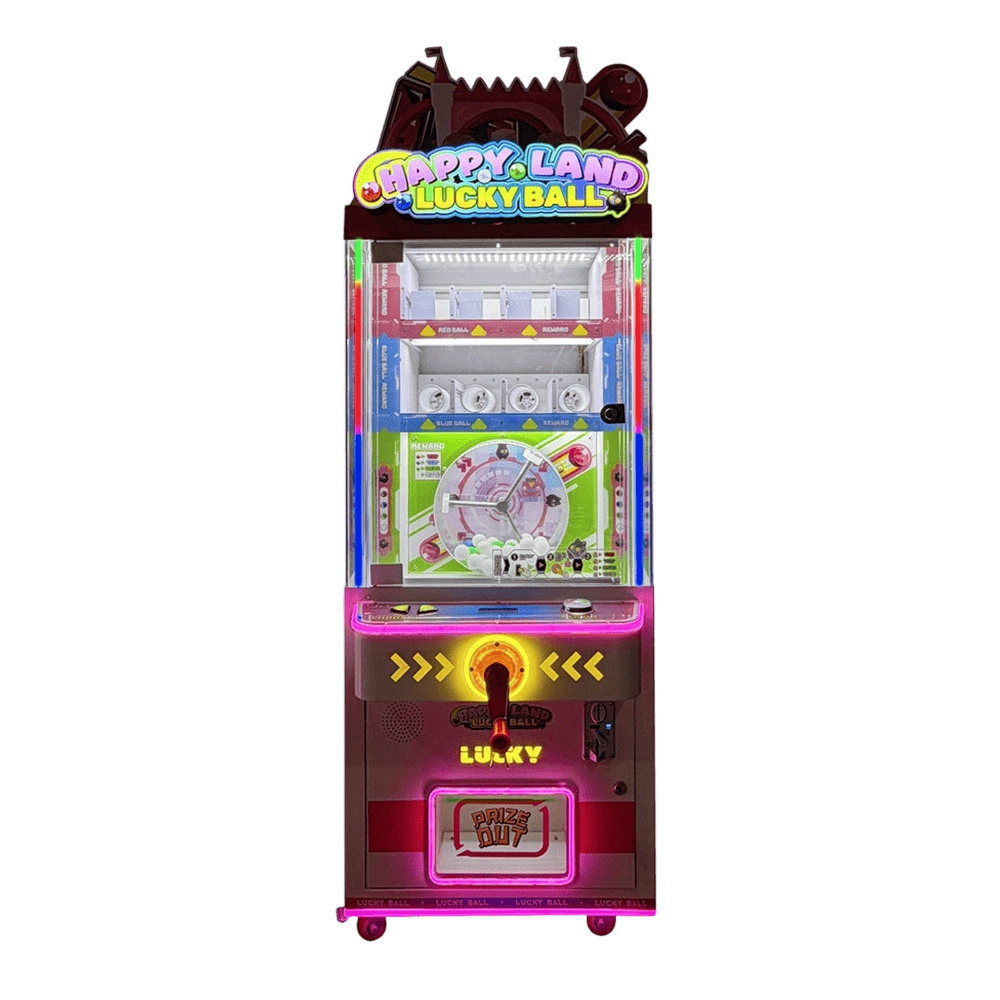
Coin Operated/Card Payment Lucky Ball Vending Toy Gift Arcade Game Machine
Coin Operated/Card Payment 2 Players SPIN ORBIT Lucky Prize Arcade Game
Coin Operated/Card Payment SPIN ORBIT Lucky Prize Arcade Game
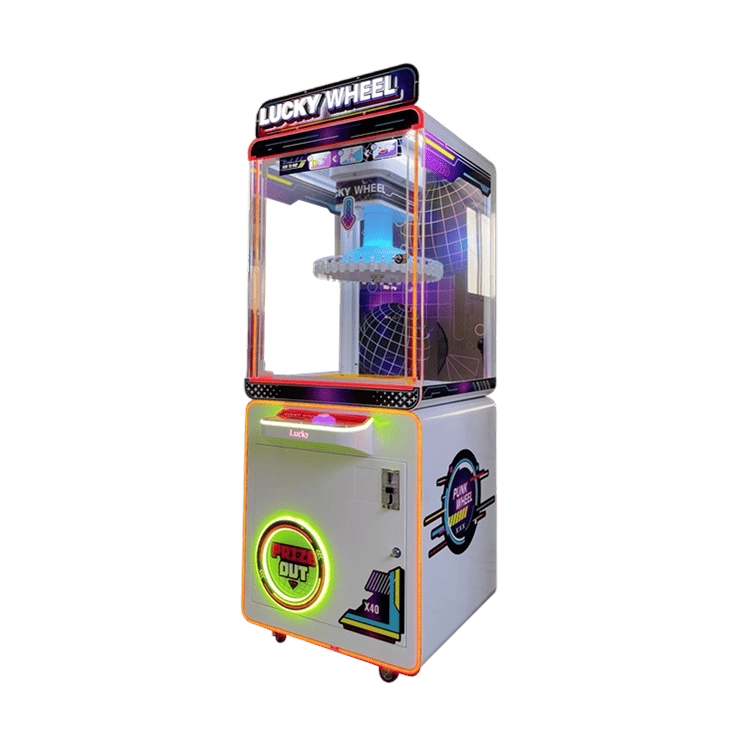
Arcade Prize Lucky Wheel Gift Machine For Amusement Areas
Get in Touch with Jiami Games
If you have any comments or good suggestions, please leave us a message; later our professional staff will contact you as soon as possible.

Innovative Entertainment, at Your Fingertips
Learn about Jiami Games and explore our expertise in console development, innovative design, and global markets.
Quick Links:
© 2026 Jiami Games.
Whatsapp: +8618520390438