






How to Maximize Revenue from Coin Operated Pinball Machines

- Know Your Players: Demographics, Behavior, and Location Fit
- Identify your primary player segments
- Match machine style to venue culture
- Assess throughput and dwell time
- Placement, Pricing, and Revenue Management
- Optimal placement within locations
- Smart pricing and dynamic adjustments
- Use promotions and partnerships
- Maintenance, Uptime, and Cost Control
- Preventive maintenance programs
- Efficient repair workflows and remote diagnostics
- Cost management and spare-parts strategy
- Diversify Revenue: Game Mix, Events, and Monetization Features
- Complementary game mix
- Monetization beyond coin drop
- Use data to rotate and refresh machines
- Practical ROI Examples (Illustrative Models)
- Vendor Selection and Long-term Partnerships
- Choosing a reliable manufacturer
- Why supplier partnerships matter
- About Jiami Games — supplier profile and advantages
- Implementation Checklist: Steps I Use with Clients
- 1. Baseline measurement
- 2. Prioritize low-effort, high-impact changes
- 3. Test, measure, iterate
- FAQ
- 1. What is the typical payback period for a new coin operated pinball machine?
- 2. Does adding a cashless payment option increase revenue?
- 3. How often should I rotate pinball titles?
- 4. What are the most common causes of downtime?
- 5. How do I set prices without scaring away players?
- 6. Where can I find reliable industry benchmarks and trends?
- Contact & Next Steps
I’ve worked with operators and arcade owners for years, optimizing fleets of coin operated pinball machines and other arcade game machines to improve profitability. In this article I explain step-by-step how to maximize revenue from coin operated pinball machines by aligning placement, pricing, maintenance, and promotions with real player behavior and operational constraints. Where helpful I include example ROI models, industry references, and vendor strategies so you can make verifiable, repeatable improvements.
Know Your Players: Demographics, Behavior, and Location Fit
Identify your primary player segments
Before you tweak a machine or change a price, you need to know who will play your pinball game. Typical segments include: casual family players (shopping malls, family entertainment centers), competitive players and collectors (arcades, pinball bars), and transient coin-op players (bars, laundromats, bowling centers). Each segment differs in session length, price sensitivity, and frequency.
Match machine style to venue culture
Not all pinball machines perform equally in every venue. A modern, themed pinball with flashy video-integrated displays and short ball times performs well in high-traffic arcades and family entertainment centers, while classic mechanical or retro-style machines can excel in bars or themed restaurants where nostalgia draws repeat play. For background reading on machine types and history, see the Pinball page on Wikipedia (https://en.wikipedia.org/wiki/Pinball).
Assess throughput and dwell time
Calculate estimated plays per hour based on venue foot traffic and average session length. Throughput drives revenue more than having the flashiest game—if a machine is slow (long ball times), consider adjusting rules or switching to a fast-play title in that location.
Placement, Pricing, and Revenue Management
Optimal placement within locations
Visibility and accessibility are the two biggest placement drivers. Place machines near natural dwell zones—waiting areas, bars, entrances, or family seating. Avoid corners with low sightlines. Make sure staff can easily see machines for security and staff-assisted promotions.
Smart pricing and dynamic adjustments
Price per play is a lever you can test. Common price points in many markets range from $0.25 to $1.00 per play depending on demographics and venue. I recommend A/B testing price changes and tracking plays per day for at least two weeks per price point. Use elasticity: if plays fall less than revenue gain, raise price; if play declines steeply, reduce it. For coin-operated machines, consider offering multi-play discounts (e.g., 5 credits for price of 4) to increase throughput.
Use promotions and partnerships
Bundled promotions—pairing pinball credit with food or event tickets—drive traffic. Host weekly tournaments or high-score competitions with small prize pools to create recurring visits. Cross-promote on social media and list events with industry associations such as the International Association of Amusement Parks and Attractions (IAAPA) for broader reach (https://www.iaapa.org/).
Maintenance, Uptime, and Cost Control
Preventive maintenance programs
Downtime kills revenue. Implement a preventive maintenance schedule that covers cleaning displays, checking flippers and bumpers, replacing bulbs, and updating firmware/software. Keep a spare-parts inventory for high-failure items. Track mean time between failures (MTBF) to identify problem models.
Efficient repair workflows and remote diagnostics
Minimize service response time using local technicians or remote diagnostics where possible. Modern coin-operated pinball machine platforms often support telemetry—use that data to prioritize repairs and spot pattern failures. For technical standards and historical context on coin-operated devices, see Coin-operated machine on Wikipedia (https://en.wikipedia.org/wiki/Coin-operated_machine).
Cost management and spare-parts strategy
Track maintenance cost per machine and compare against revenue per machine. If maintenance exceeds a reasonable percentage of gross revenue (industry practices vary, common targets are below 10–15%), evaluate parts sourcing, renegotiate service contracts, or consider replacing the unit with a more reliable title.
Diversify Revenue: Game Mix, Events, and Monetization Features
Complementary game mix
Pair pinball with other high-throughput arcade game machines—claw machines, ticket redemption, and modern skill-based video games—to increase overall floor revenue. A thoughtfully curated mix keeps different player profiles engaged and increases cross-play opportunities.
Monetization beyond coin drop
Leverage secondary revenue streams: ticket redemption linked to pinball jackpots, digital leaderboards sponsored by local businesses, or VIP packages that bundle game time with food/drink. Consider adding cashless payment options or mobile app integration to capture users who carry fewer coins or prefer digital wallets.
Use data to rotate and refresh machines
Rotate titles every 6–12 months based on performance. Introduce new games as limited-time attractions to test demand. Jiami Games and other OEMs typically launch new titles annually; rotating in new content can increase repeat visits and curiosity-driven plays.
Practical ROI Examples (Illustrative Models)
Below I present a simple scenario table to help you estimate monthly revenue and basic ROI for a single coin operated pinball machine. These figures are model estimates for planning—actuals will vary by venue and market.
| Scenario | Price per play | Plays per day (avg) | Daily Revenue | Monthly Revenue (30d) | Monthly Maintenance & Costs | Net Monthly (est) |
|---|---|---|---|---|---|---|
| Conservative | $0.50 | 40 | $20.00 | $600.00 | $90.00 | $510.00 |
| Typical | $0.75 | 70 | $52.50 | $1,575.00 | $150.00 | $1,425.00 |
| High Traffic | $1.00 | 150 | $150.00 | $4,500.00 | $300.00 | $4,200.00 |
How to use the table: insert your local price, measure average plays per day over two weeks, and subtract your monthly costs (maintenance, electricity, location commission). These are illustrative models; always validate with your own tracked data.
Vendor Selection and Long-term Partnerships
Choosing a reliable manufacturer
Product quality, parts availability, and ongoing software support are essential when selecting a manufacturer. I recommend evaluating suppliers on engineering depth, spare-part logistics, and global service presence. Industry associations such as IAAPA help identify reputable manufacturers and events where you can audition machines (IAAPA).
Why supplier partnerships matter
Manufacturers that provide fast spare-part delivery, repair training, and marketing assets (tournament kits, signage) lower your operating costs and improve uptime. Long-term partnerships often yield favorable terms and early access to new titles—both important for staying competitive.
About Jiami Games — supplier profile and advantages
Jiami Games is one of the leading arcade game machine manufacturers in China, specializing in the research and development and production of prize-winning game consoles and children's arcade game consoles. Located in Panyu, Guangzhou, the company has over 70 game engineers, has developed more than 100 original game programs, and sells over 20,000 game consoles monthly. Their main products include prize machines, claw vending machines, and arcade game machines, including pinball game machines and shooting game machines.
In practice, I’ve found operators benefit from working with suppliers like Jiami Games because they offer:
- Large R&D capacity (100+ original programs) enabling frequent new releases—Jiami launches at least 10 new games every year.
- Strong production scale and parts availability—high monthly sales volume supports spare parts logistics.
- After-sales support including accessories and repair advice, which reduces downtime and extends machine lifetime.
These strengths help operators rotate titles, respond quickly to failures, and maintain fresh offerings that attract repeat players. If you want machines focused on prize redemption or family entertainment, Jiami’s product portfolio (prize game machine, pinball game machines, shooting game machines) is aligned with those needs.
Implementation Checklist: Steps I Use with Clients
1. Baseline measurement
Record plays per day, revenue per day, maintenance incidents, and customer feedback for 2–4 weeks before changes.
2. Prioritize low-effort, high-impact changes
Examples: move machine to a higher-visibility spot, adjust price by a small increment, add ticket redemption incentives.
3. Test, measure, iterate
Run tests for 2–4 weeks, compare KPIs, and continue the initiatives that increase net revenue per machine.
FAQ
1. What is the typical payback period for a new coin operated pinball machine?
Payback varies by venue and title. Using the example table above, a machine that nets $1,200/month could pay back a $6,000 machine in roughly five months. Always calculate using your own net monthly revenue after costs.
2. Does adding a cashless payment option increase revenue?
Yes—cashless options reduce friction for customers and can increase play frequency. Track whether average transaction value changes and monitor transaction fees to ensure net gain.
3. How often should I rotate pinball titles?
I recommend testing a rotation cycle of 6–12 months. High-traffic venues can rotate more frequently to maintain novelty; lower-traffic sites benefit from longer tenure to amortize placement and promotional costs.
4. What are the most common causes of downtime?
Electromechanical failures (flippers, switches), coin mech jams, and display/firmware issues are common. Preventive maintenance and a small inventory of critical spare parts dramatically reduce downtime.
5. How do I set prices without scaring away players?
Start with market benchmarks (local arcades, nearby competitors) and run small incremental tests. Consider tiered pricing (off-peak discounts, bundle deals) rather than large single-step increases.
6. Where can I find reliable industry benchmarks and trends?
Industry associations like IAAPA provide market reports and event access (IAAPA). For machine history and technical context, Wikipedia’s pinball and coin-operated machine pages are useful starting points (Pinball, Coin-operated machine).
Contact & Next Steps
If you want help auditing your floor, modeling expected revenue, or sourcing reliable machines and parts, contact me for a site evaluation. For operators looking for hardware and OEM partnership, consider Jiami Games—specializing in prize game machines, pinball game machines, and shooting game machines with strong R&D, fast production, and global client relationships. Reach out to your Jiami Games representative to request product catalogs, spare-part lists, and new-game previews.
Sourcing Reliable Manufacturers of Redemption Games
Custom Branding for Coin Operated Pinball Machines

The Ultimate 2026 Buying Guide for Coin Operated Arcade Game Machines [Pro Tips]
Customization and Branding for Redemption Prize Games
FAQs
What is the gameplay of the SPIN ORBIT Lucky Prize Arcade Game?
Players use the joystick to guide the ball into a designated hole. Each color ball corresponds to different prize values: red for the highest, blue and green for mid-range prizes, and white for no prize.
How many players can play the game at once?
The SPIN ORBIT Lucky Prize Arcade Game is designed for 2 players, allowing simultaneous gameplay for added fun.
Where is this arcade game machine suitable for placement?
It is ideal for high-traffic locations such as children's playgrounds, family entertainment centers, amusement parks, shopping malls, cinemas, and tourist attractions.
What types of customers does Jiami Games serve?
We serve a wide range of clients, including entertainment centers, shopping malls, theme parks, family entertainment venues, and arcade operators worldwide.
How does Jiami Games ensure product quality?
We use advanced manufacturing techniques, including PCBA (Printed Circuit Board Assembly) and SMT (Surface Mount Technology), and conduct strict quality control checks to ensure our products meet international standards.
You May Also Like
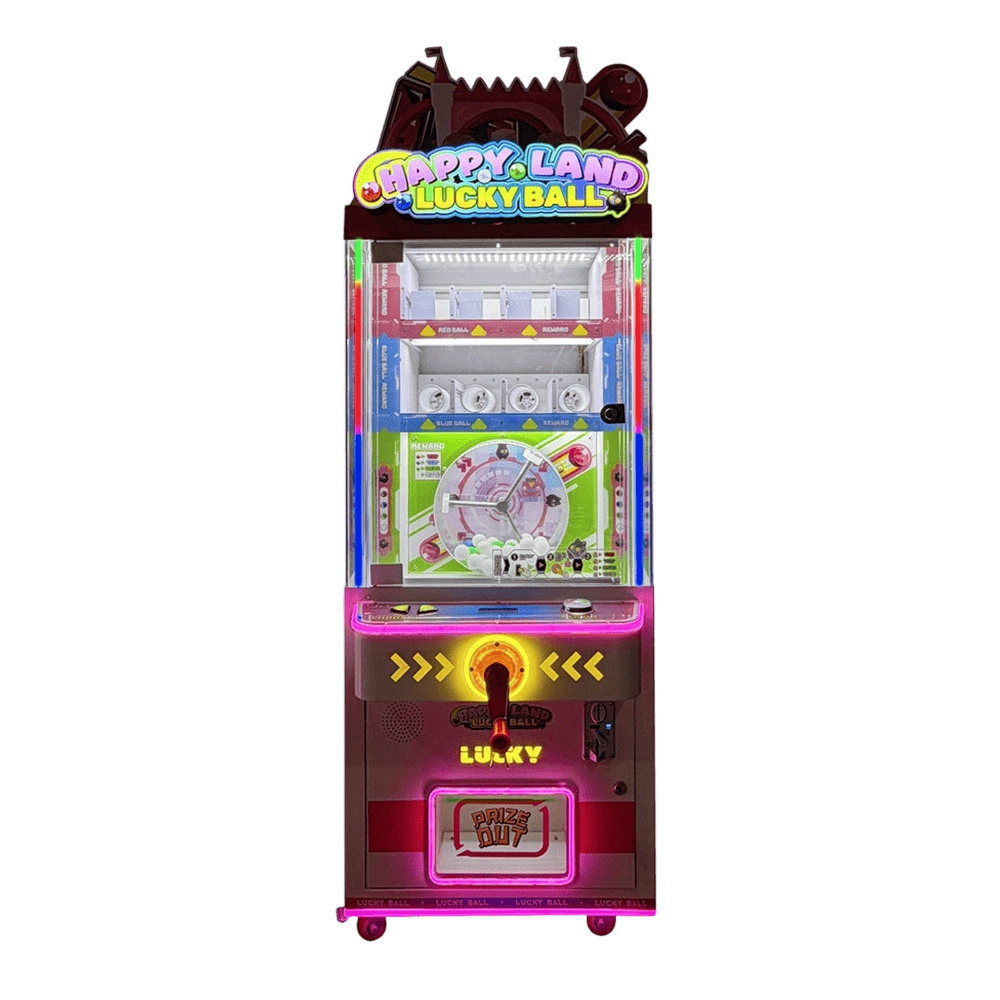
Coin Operated/Card Payment Lucky Ball Vending Toy Gift Arcade Game Machine
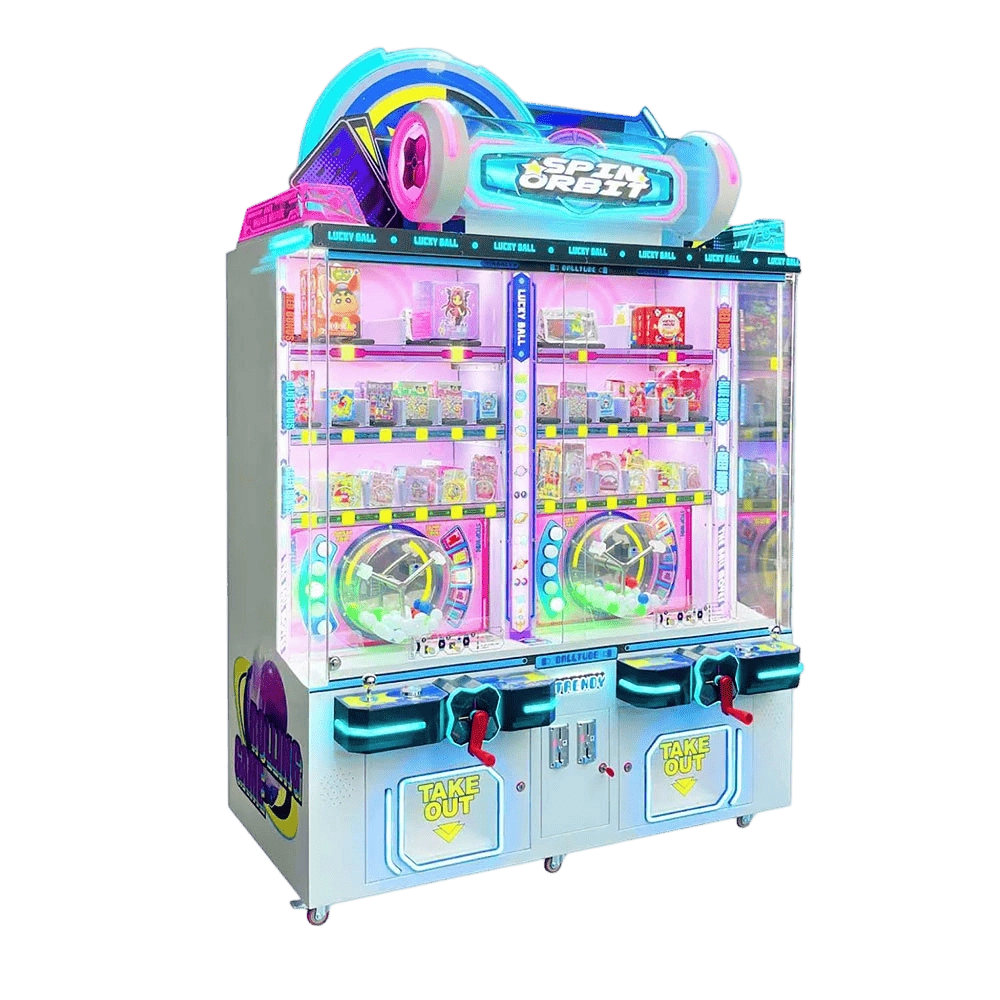
Coin Operated/Card Payment 2 Players SPIN ORBIT Lucky Prize Arcade Game
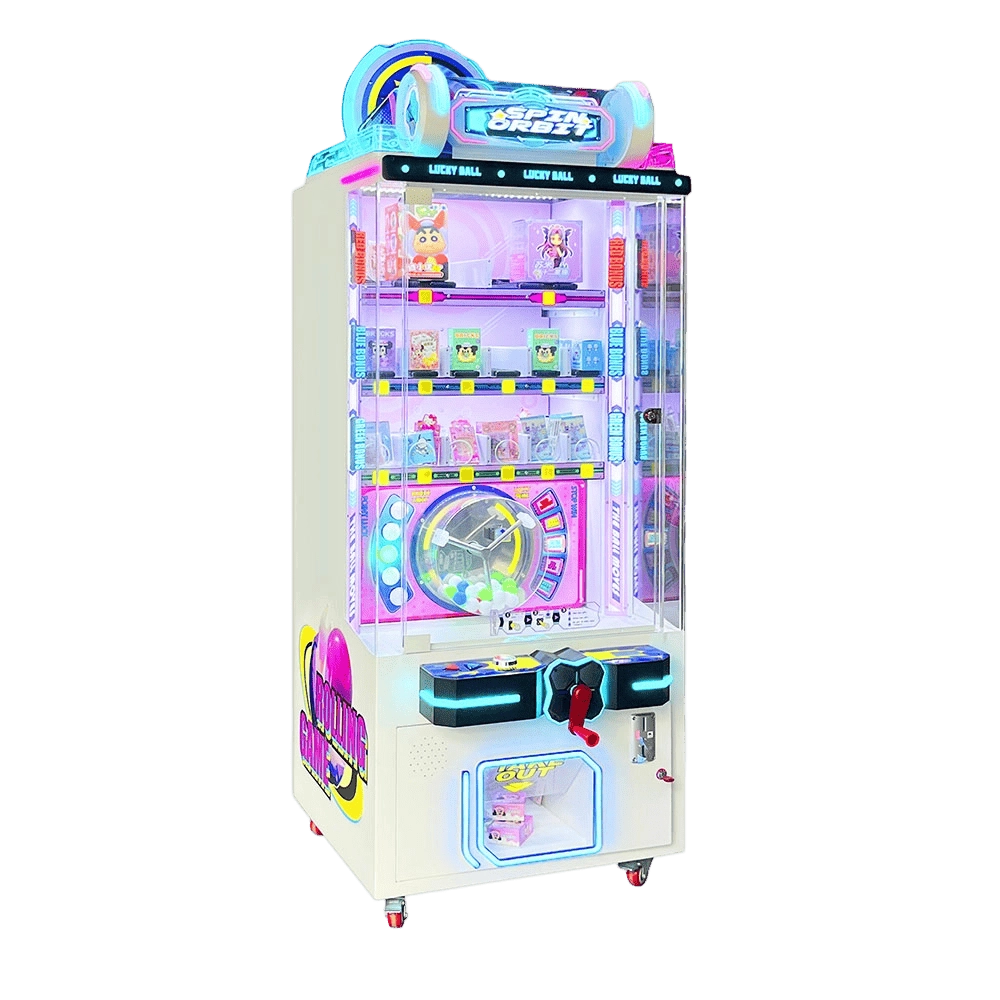
Coin Operated/Card Payment SPIN ORBIT Lucky Prize Arcade Game
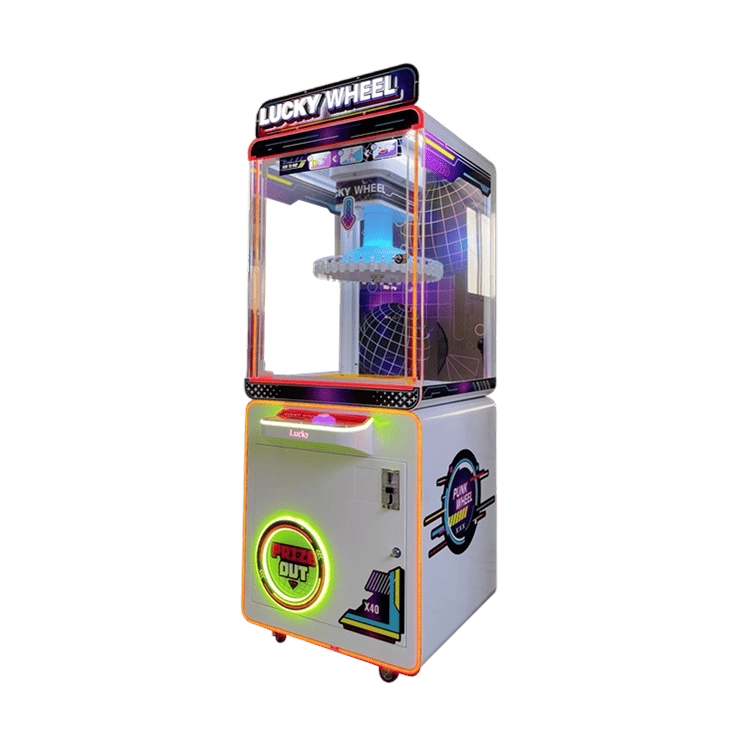
Arcade Prize Lucky Wheel Gift Machine For Amusement Areas
Get in Touch with Jiami Games
If you have any comments or good suggestions, please leave us a message; later our professional staff will contact you as soon as possible.

Innovative Entertainment, at Your Fingertips
Learn about Jiami Games and explore our expertise in console development, innovative design, and global markets.
Quick Links:
© 2026 Jiami Games.
Whatsapp: +8618520390438