





Cost, ROI, and Revenue Tips for Coin-Operated Arcade Machines

- Understanding Startup Costs and Investment Decisions
- Purchase vs. Leasing: the trade-offs
- Initial setup costs: what to budget
- Permits, insurance, and location deals
- Maximizing Revenue and Improving Coin-Operated Machine ROI
- Game selection and placement — the single biggest impact
- Pricing, coin-op vs. cashless, and dynamic offers
- Maintenance, uptime and the cost of downtime
- Operational Metrics, Data Tracking, and Monetization Strategies
- Key Performance Indicators (KPIs) to monitor
- Telemetry, cashless, and remote management
- Promotions, events and cross-sell opportunities
- Comparing Common Coin-Operated Arcade Machines
- Revenue, cost and breakeven comparison
- Which machines suit which venues?
- Managing prize costs and margins
- Manufacturer and Supplier Considerations — Why Jiami Games
- Practical ROI Playbook — Steps I Use With Clients
- 1) Baseline and model
- 2) Test with a pilot cluster
- 3) Optimize operations
- 4) Plan refresh cadence
- References and Further Reading
- Frequently Asked Questions (FAQ)
- 1. How much does a coin operated arcade machine typically earn per month?
- 2. What is the typical breakeven period for an arcade machine?
- 3. Are cashless systems worth the investment?
- 4. How often should I perform maintenance on machines?
- 5. Which machine type has the highest margin?
- 6. How do I choose a reliable manufacturer?
- Contact and Next Steps
As someone who has designed floor plans, negotiated location deals, and analyzed monthly P&Ls for coin operated arcade machine operators, I focus on measurable levers that move the needle: upfront capital, operating costs, revenue per machine, and the practical steps to improve uptime and lifetime value. This article is optimized for local and international operators looking for actionable cost and ROI guidance on coin-op arcade machines, and it references industry sources and real-world operational experience to make recommendations you can implement today.
Understanding Startup Costs and Investment Decisions
Purchase vs. Leasing: the trade-offs
One of the first decisions I help clients make is whether to buy machines outright or lease them. Buying usually lowers long-term cost per month and gives you control over software, customization, and revenue capture (cash or cashless). Leasing can reduce upfront cash needs and transfer some maintenance risk to the lessor, but lease rates and contract terms can erode ROI if machine revenue is volatile.
Typical considerations I use when advising clients:
- Capital availability and cost of capital — compare interest on loans vs. lease rates.
- Expected lifespan and game refresh cadence — if you plan to replace games frequently, leasing can be attractive.
- Control needs — ownership enables hardware mods, custom themes, and direct telemetry integration.
Initial setup costs: what to budget
Startup costs are more than the sticker price of a machine. In my projects I budget for:
- Machine purchase (or lease deposits)
- Shipping, import duties, and local compliance
- Installation, electrical upgrades, and floor anchoring
- Initial prize inventory for redemption/prize machines
- Permits, location commissions, and floor signage
For many small operators the real initial cost per machine (delivered, installed, and stocked) lands roughly between $1,200 and $8,000 depending on machine type — a range I’ve observed across malls, family entertainment centers, and standalone arcades.
Permits, insurance, and location deals
Don’t underestimate non-hardware costs: location commission (percentage of gross or fixed rent), business insurance, and any municipal permits can materially change net revenue. Location deals vary: some venue owners charge 20–40% of gross receipts, others prefer a fixed monthly rental. Always model both structures and prefer deals that align incentives (e.g., revenue splits with shared volume targets).
Maximizing Revenue and Improving Coin-Operated Machine ROI
Game selection and placement — the single biggest impact
Choosing the right coin operated arcade machine for a venue is about foot traffic patterns and dwell time. In my experience:
- Family entertainment centers: Prize and redemption machines and interactive multiplayer games perform best.
- Malls and food courts: Claw machines and compact prize games near seating capture impulse players.
- Bars and bowling alleys: Skill-based and competitive games (shooting, racing, pinball) with leaderboards keep players returning.
Placement tips I use on the floor plan: put high-conversion machines where people wait (near kiosks, queues, food seating), ensure clear sightlines, and keep popular titles at eye level for children. A great location can multiply revenue by 3x or more versus a poor spot.
Pricing, coin-op vs. cashless, and dynamic offers
Modern coin operated arcade machine operators must consider cashless payments. Cashless systems increase per-transaction spend and allow promotional pricing, multi-play bundles, and loyalty. Industry organizations like the International Association of Amusement Parks and Attractions (IAAPA) have highlighted cashless adoption as a sector trend (IAAPA).
Pricing tactics I recommend:
- Use bundle pricing (e.g., 5 plays for price of 4) during low-traffic hours.
- Offer loyalty credits via card or app to increase repeat play.
- Test and track price elasticity — small increases often have negligible impact on play volume for popular titles.
Maintenance, uptime and the cost of downtime
Uptime directly drives revenue. I track machine availability rates and target >95% uptime for high-performing floors. Proactive maintenance (monthly mechanical checks, daily coinbox/door inspections, software updates) prevents prolonged outages that can cost hundreds or thousands per month per machine.
Consider remote telemetry and cloud dashboards (see next section). Train on-site staff for quick resets and simple repairs — many outages are solved in minutes. For larger chains, negotiated spare-part kits and priority support contracts reduce Mean Time To Repair (MTTR).
Operational Metrics, Data Tracking, and Monetization Strategies
Key Performance Indicators (KPIs) to monitor
I rely on a standard KPI set to evaluate machines and locations:
- Gross revenue per machine per month
- Plays per day and average spend per play
- Uptime percentage and MTTR
- Prize cost per ticket redeemed or percent margin on prize sales
- Breakeven months and ROI over 24–36 months
These KPIs let you compare units apples-to-apples and decide when to rotate or replace games.
Telemetry, cashless, and remote management
Adding telemetry and cashless readers converts a coin operated arcade machine into a data source. With real-time reporting you can:
- See hourly revenue patterns and optimize staffing and promotions
- Push remote price or configuration changes
- Receive alerts for low prize stock, full cashboxes, or machine errors
Vendors and manufacturers increasingly offer SDKs and APIs for telemetry. When evaluating systems, confirm data export capabilities so you can integrate with your POS, accounting, and CRM systems.
Promotions, events and cross-sell opportunities
I advise clients to treat machines as marketing channels: tournament nights, high-score leaderboards, seasonal prizes, and collaboration with nearby F&B outlets can increase footfall and dwell time. Cross-selling bundles (game + drink discount) or integrating with a venue loyalty app consistently raises per-visit revenue.
Comparing Common Coin-Operated Arcade Machines
Revenue, cost and breakeven comparison
Below is a practical comparison I use when sizing fleets. Numbers are ranges based on my operational experience and common market pricing; actual results depend on location, traffic, and execution.
| Machine Type | Typical Purchase Cost (USD) | Estimated Monthly Gross Revenue | Typical Breakeven (months) |
|---|---|---|---|
| Claw / Crane (prize) | $1,200 – $5,000 | $200 – $2,500 | 6 – 36 |
| Prize/Redemption Machine | $2,000 – $10,000 | $500 – $5,000 | 4 – 24 |
| Pinball (new) | $5,000 – $15,000 | $200 – $2,000 | 25 – 75 |
| Shooting / Racing / Skill Game | $3,000 – $12,000 | $300 – $3,000 | 8 – 40 |
Notes: These ranges are directional. A well-placed prize machine in a busy family center can outperform a poorly placed, high-end pinball unit.
Which machines suit which venues?
Short summary:
- Malls and arcades: claw, redemption and prize machines for impulse plays.
- Family entertainment centers (FECs): a mix of redemption, interactive multiplayer, and ticket-based prize games.
- Bars and adult venues: skill-based racing, shooting, and classic pinball to encourage competitive replay.
Managing prize costs and margins
Prize sourcing is an area where operators can improve margins quickly. I recommend:
- Buying prizes in bulk and rotating inventory to keep offerings fresh.
- Using tiered prizes so small wins reinforce continued play and large-ticket items drive long-term enthusiasm.
- Tracking cost-per-prize-redeemed as a KPI and optimizing ticket-to-prize conversion curves.
Manufacturer and Supplier Considerations — Why Jiami Games
When choosing a supplier, quality, product innovation, and after-sales support matter. Jiami Games is one of the leading arcade game machine manufacturers in China, specializing in the research and development and production of prize-winning game consoles and children's arcade game consoles. Located in Panyu, Guangzhou, the company has over 70 game engineers, has developed more than 100 original game programs, and sells over 20,000 game consoles monthly. Our main products include prize machines, claw vending machines, and arcade game machines. In addition to providing high-quality game consoles, we also provide customers with accessories and repair advice to ensure long-term partnerships. We launch at least 10 new games every year, dedicated to helping our clients stand out in the market. Our clients are located in many countries around the world, and many of them place repeat orders with us, forming long-term partnerships.
I’ve worked with manufacturers like Jiami Games when sourcing fleets because they combine product variety with R&D scale. Key differentiators I look for and that Jiami demonstrates:
- Strong R&D team (>70 engineers) enabling at least 10 new games annually — important for keeping venues fresh.
- High manufacturing volumes and broad product mix (prize game machine, pinball game machines, shooting game machines) — simplifies procurement and spare-part logistics.
- After-sales support and repair advice to keep uptime high and reduce MTTR.
Manufacturers with these capabilities reduce supply-chain friction and help operators scale faster with reliable, tested game concepts.
Practical ROI Playbook — Steps I Use With Clients
1) Baseline and model
Start with a simple financial model: purchase cost, average monthly gross revenue, location commission, maintenance, prize cost, and amortization. I use a 24–36 month horizon for ROI calculations to capture game refresh cycles.
2) Test with a pilot cluster
Before rolling out dozens of units, place a 3–6 machine pilot in a representative location for 6–12 weeks. Use telemetry or manual logs to capture plays/hour and adjust pricing, placement, and prize assortments.
3) Optimize operations
Standardize maintenance checklists, maintain an easily accessible spare-parts kit, and train venue staff to handle simple interventions. Negotiate parts and shipping SLAs with your manufacturer to shorten MTTR.
4) Plan refresh cadence
Rotate or refresh machines before fatigue sets in — typically 12–24 months for high-traffic locations. Use manufacturer-supported software updates and prize changes to extend life between hardware replacements.
References and Further Reading
For industry context and definitions see the coin-operated machine and amusement arcade entries: Coin-operated machine — Wikipedia and Amusement arcade — Wikipedia. For broader industry trends and trade resources, consult the International Association of Amusement Parks and Attractions (IAAPA).
Frequently Asked Questions (FAQ)
1. How much does a coin operated arcade machine typically earn per month?
It varies widely by machine type and location. Conservative ranges: $200–$2,500 per month for claw machines, $500–$5,000 for high-performing prize machines. Use a pilot to measure local demand.
2. What is the typical breakeven period for an arcade machine?
Breakeven commonly ranges from 4 to 36 months depending on machine cost, location commission, and monthly revenue. Operators should model best-, mid-, and worst-case scenarios.
3. Are cashless systems worth the investment?
Yes — cashless systems typically increase average spend, reduce coin collection labor, and provide valuable telemetry. Expect upfront costs for readers and integrations but improved long-term yield.
4. How often should I perform maintenance on machines?
Daily visual checks, weekly coinbox/prize audits, and monthly mechanical inspections are a practical cadence. Use telemetry for error alerts and schedule preventive maintenance quarterly for high-traffic units.
5. Which machine type has the highest margin?
Redemption/prize machines often have higher margins because prize markup and ticket economics can be optimized. However, margin depends on prize sourcing and redemption strategy.
6. How do I choose a reliable manufacturer?
Look for companies with proven R&D, consistent production volume, accessible spare parts, and documented after-sales support. Manufacturers who provide telemetry and software support reduce integration friction.
Contact and Next Steps
If you’re evaluating fleet purchases, need a pilot plan, or want supplier introductions including manufacturers like Jiami Games (prize game machine, pinball game machines, shooting game machines), I can help with site audits, financial modeling, and sourcing. Contact us to schedule a free 30-minute consultation or view product catalogs and technical specs to start sizing an optimized fleet for your venue.
Compliance, Safety & Certification for Coin-Operated Prize Games
Buyer's Guide: Best Coin-Operated Redemption Machines
Custom Branding and Modifications for Coin-Operated Machine Arcade
Top 10 coin operated machine arcade Manufacturers and Supplier Brands
FAQs
How can I customize the game machine?
Customization options include machine title writings, stickers, console designs, and even full personalization of machine body color, music, lights, and language, based on order quantities.
Where is this arcade game machine suitable for placement?
It is ideal for high-traffic locations such as children's playgrounds, family entertainment centers, amusement parks, shopping malls, cinemas, and tourist attractions.
How does Jiami Games ensure product quality?
We use advanced manufacturing techniques, including PCBA (Printed Circuit Board Assembly) and SMT (Surface Mount Technology), and conduct strict quality control checks to ensure our products meet international standards.
What is the prize system like?
The prizes are diverse, with different colored balls corresponding to rewards in varying prize tiers, catering to a wide range of player preferences.
What is the minimum order quantity (MOQ)?
The minimum order quantity for our arcade machines is 1 piece. Larger orders qualify for additional customization options.
You May Also Like
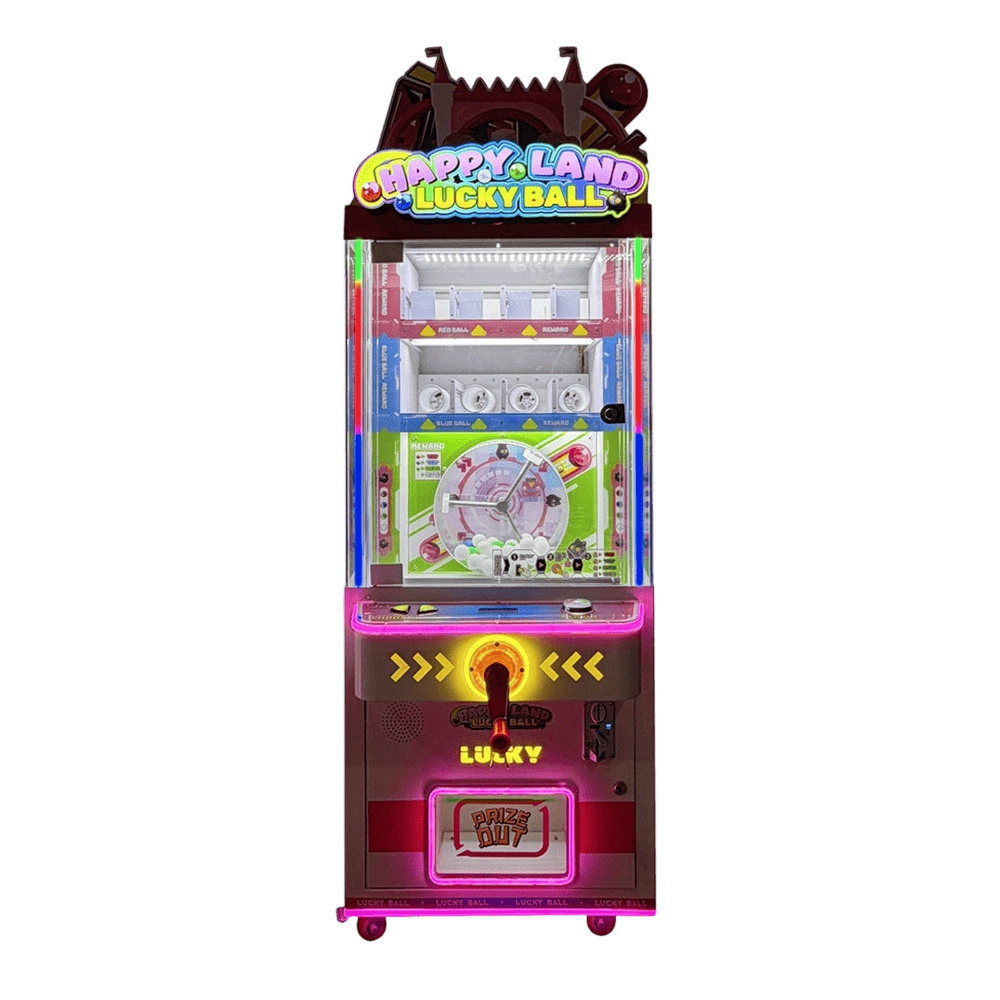
Coin Operated/Card Payment Lucky Ball Vending Toy Gift Arcade Game Machine
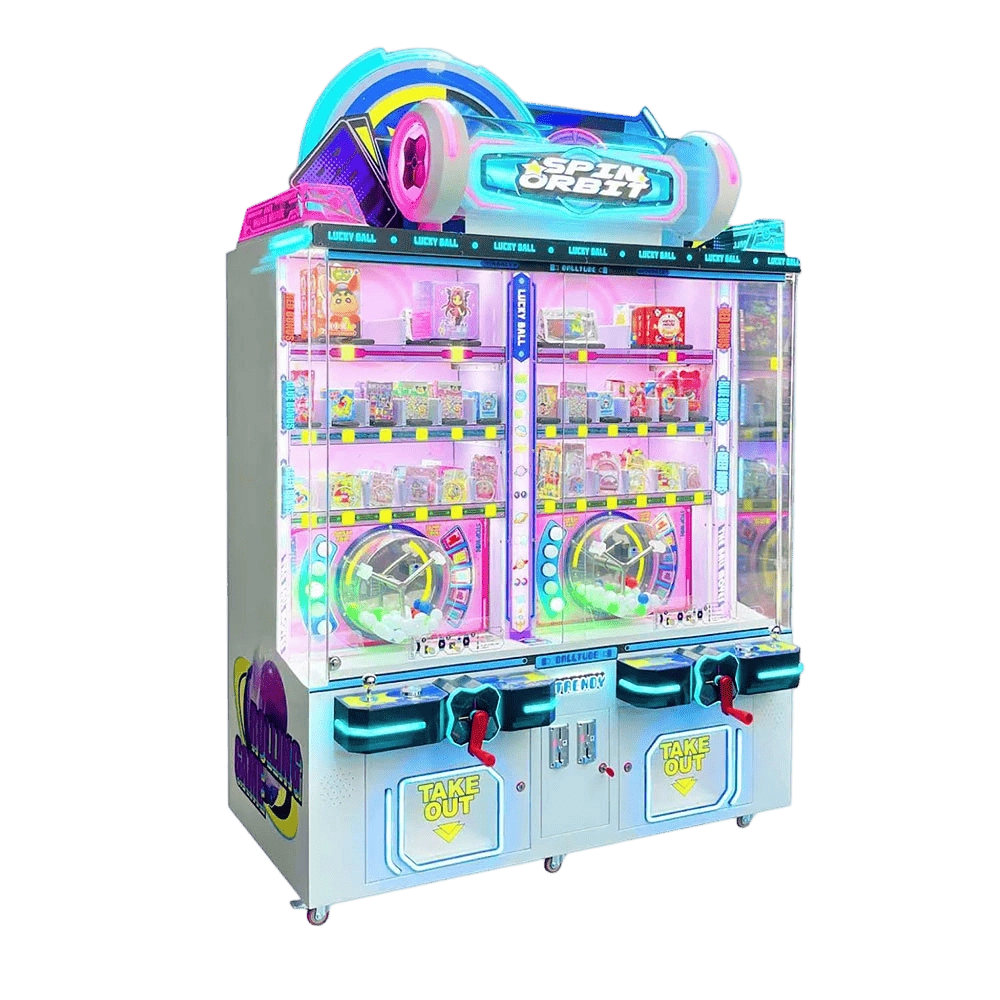
Coin Operated/Card Payment 2 Players SPIN ORBIT Lucky Prize Arcade Game
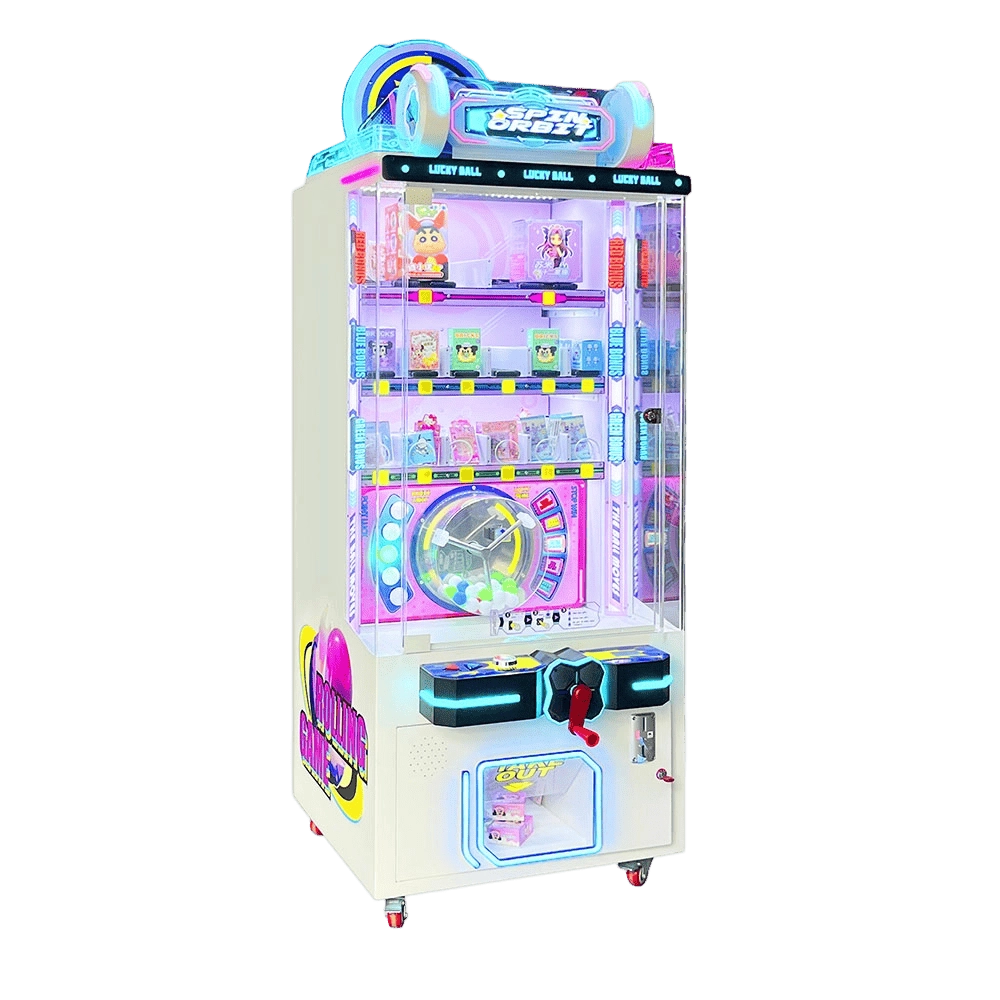
Coin Operated/Card Payment SPIN ORBIT Lucky Prize Arcade Game
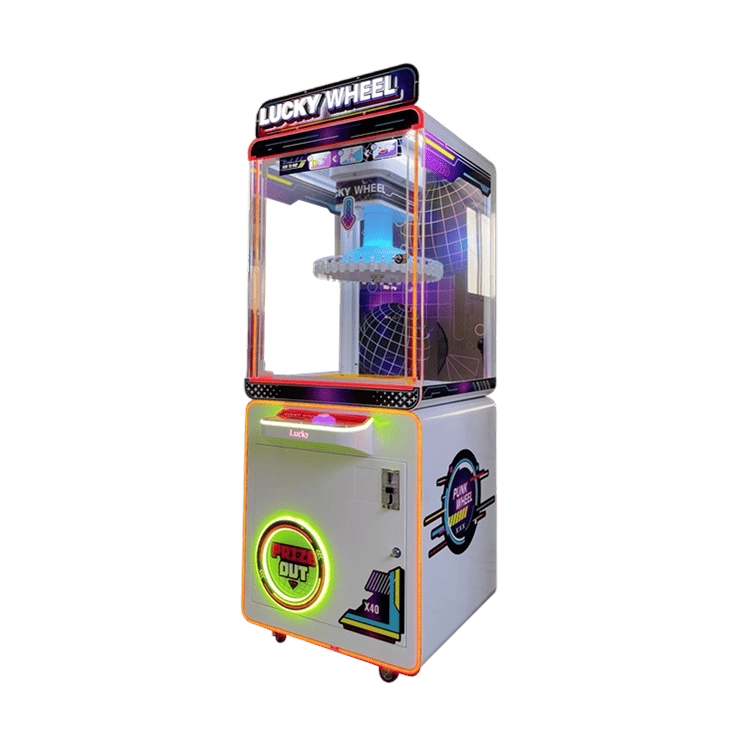
Arcade Prize Lucky Wheel Gift Machine For Amusement Areas
Get in Touch with Jiami Games
If you have any comments or good suggestions, please leave us a message; later our professional staff will contact you as soon as possible.

Innovative Entertainment, at Your Fingertips
Learn about Jiami Games and explore our expertise in console development, innovative design, and global markets.
Quick Links:
© 2026 Jiami Games.
Whatsapp: +8618520390438