






Coin Mechanisms & Payment Systems: Choose the Right Option

- Understanding payment options and why they matter
- Why payment choice is strategic
- Common payment systems at a glance
- Regulatory and security considerations
- Mechanical coin mechanisms: evergreen simplicity
- How mechanical coin mechanisms and validators work
- Installation, maintenance and common failure modes
- When to choose coins
- Electronic payment systems: bill acceptors, tokens and cashless
- Bill acceptors and token systems
- Cashless systems: cards, NFC and mobile wallets
- Security and compliance for electronic payments
- Choosing the right system: cost, reliability, and guest experience
- Key decision factors
- Comparison table: quick decision matrix
- ROI and lifecycle considerations
- Operational best practices and troubleshooting
- Maintenance schedule I recommend
- Remote monitoring and analytics
- Troubleshooting common issues
- Manufacturer perspective: why choose a trusted OEM partner
- About Jiami Games and what they offer
- Why Jiami stands out for operators
- How their products integrate with payment choices
- Site-specific recommendations and next steps
- Quick recommendations by venue type
- How I approach a deployment
- When to consult a specialist
- FAQ
- 1. Are mechanical coin mechanisms still viable in 2026?
- 2. How much does a cashless upgrade cost per cabinet?
- 3. Will cashless increase my revenue?
- 4. What are the biggest maintenance headaches?
- 5. How do I reduce fraud and theft with coin machines?
- 6. How do I ensure PCI compliance?
I help arcade operators, family entertainment centers and game-room owners decide which payment systems best fit their locations. Whether you operate classic coin machine arcade game cabinets or modern redemption centers, choosing between mechanical coin mechanisms, bill acceptors, token systems, or cashless (card/NFC/mobile) platforms affects uptime, revenue, customer experience and compliance. In this guide I walk through how each option works, real-world tradeoffs, maintenance best practices and ROI considerations so you can select the right solution for your site.
Understanding payment options and why they matter
Why payment choice is strategic
Payment systems are not just components; they shape guest behavior, throughput and long-term costs. A reliable payment path minimizes downtime and technician visits, while the wrong choice can increase shrinkage, complicate accounting, and turn away customers. I prioritize uptime, security, and a positive user experience when advising clients about payment options for coin machine arcade game deployments.
Common payment systems at a glance
Operators typically choose among: mechanical coin mechanisms, electronic coin validators, bill acceptors, token/coin dispensers, or cashless systems (magstripe readers, EMV/contactless/NFC, mobile wallets). Each has a distinct cost profile, reliability characteristics and customer acceptance. For background on coin-operated systems and how they evolved, see the overview on Coin-operated machine (Wikipedia) and the broader context of arcade games at Arcade game (Wikipedia).
Regulatory and security considerations
Moving beyond coins often means accepting card data; that introduces compliance obligations. EMV and PCI DSS are the de facto standards for securing card payments—both affect hardware choices and vendor selection. Learn more about EMV at EMV (Wikipedia) and PCI DSS at PCI DSS (Wikipedia). If you accept contactless/NFC payments, consider operational and encryption requirements summarized at NFC (Wikipedia).
Mechanical coin mechanisms: evergreen simplicity
How mechanical coin mechanisms and validators work
Mechanical coin mechanisms are physical devices that accept, route and often count coins. Simpler mechanisms operate purely on size and weight; modern coin validators use optical and magnetic sensing to distinguish denominations and reject slugs. These systems are commonly found in classic coin machine arcade game cabinets because they are straightforward, low-tech and familiar to users.
Installation, maintenance and common failure modes
Mechanical systems are cheap to install but require routine cleaning and inspection. Typical failure modes include jammed coin paths, worn springs, and misaligned sensors. I recommend scheduled cleaning every 1–3 months in high-traffic locations, using manufacturer-recommended brushes and compressed air. Keep spare parts on hand (coin chutes, springs, selector cams) to reduce downtime.
When to choose coins
Mechanical coins are ideal when: staff prefer cash handling, initial capital is limited, or your clientele expects classic coin play (e.g., retro arcades, small bars). They work best in environments with moderate theft risk and where accounting remains simple. However, they do not scale as well for loyalty programs or remote monitoring.
Electronic payment systems: bill acceptors, tokens and cashless
Bill acceptors and token systems
Bill acceptors handle higher-value transactions and can increase ticket throughput compared with coins. Token systems let operators control pricing and promotional programs via tokens or proprietary coins. Token dispensers paired with token sensors reduce fraud and simplify loyalty mechanics.
Cashless systems: cards, NFC and mobile wallets
Cashless systems—contactless cards, EMV chips, NFC and mobile wallets—offer flexibility: centralized pricing updates, remote reporting, and integrated loyalty. They reduce physical cash handling and can increase average transaction value. Cashless requires a payments stack (processor, gateway, device) and integration with game software for session controls.
Security and compliance for electronic payments
Accepting cards or mobile wallets demands attention to security. Choose certified hardware and managed services to reduce PCI scope and liability. Many operators opt for terminal-as-a-service or hosted payment terminals to simplify compliance. For an industry perspective on payment systems in attractions and amusement, see the IAAPA resources on technology adoption.
Choosing the right system: cost, reliability, and guest experience
Key decision factors
When I assess a venue, I focus on: throughput (plays per hour), vandal/theft risk, staff resources for cash handling, desired analytics and loyalty features, and expected lifecycle cost (purchase + maintenance + lost revenue from downtime). Answers to these questions determine whether a site benefits more from simple coin mechanisms or from a modern cashless solution.
Comparison table: quick decision matrix
Below is a practical comparison of five common options. Cost and maintenance numbers are industry estimates and will vary by model, vendor and region; always get quotes for your site.
| System | Typical upfront cost (per cabinet) | Maintenance complexity | Reliability | Customer convenience | Best use case |
|---|---|---|---|---|---|
| Mechanical coin mechanism | $50–$200 | Low (periodic cleaning) | High if maintained | Moderate (familiar) | Retro arcades, bars |
| Electronic coin validator | $150–$400 | Medium (sensor calibration) | High | Good | High-volume locations |
| Bill acceptor | $250–$700 | Medium (jams, firmware) | Good | High | Family entertainment centers |
| Token system (dispenser) | $300–$800 | Low–Medium (stocking) | High | Moderate (novelty) | Promotional/loyalty-driven venues |
| Cashless (EMV/NFC/mobile) | $400–$1,200 (hardware + integration) | Medium–High (software, network) | Very high (with SLA) | Very high | Large centers, parks, malls |
Sources and methodology: hardware pricing approximations are based on industry supplier catalogs and integration case studies; for security standards see PCI DSS (link) and EMV (link).
ROI and lifecycle considerations
When calculating ROI, include: initial hardware, monthly service fees (for cashless processors), technician labor, shrinkage, and potential revenue lift from better UX. Example: a cashless solution might raise average spend by 10–30% in family entertainment centers due to faster purchases and bundled pricing—this can justify higher upfront cost if traffic is steady. Conversely, a low-ticket, low-traffic site often recovers mechanical coin costs far more quickly.
Operational best practices and troubleshooting
Maintenance schedule I recommend
For high-traffic locations: weekly visual checks, monthly cleaning and part inspection, quarterly sensor calibration and ledger reconciliation. For lower-traffic sites: monthly checks and semi-annual calibration. Keep detailed logs to spot systemic issues and to improve preventive maintenance.
Remote monitoring and analytics
Cashless and networked validators allow remote diagnostics and telemetry—valuable for multi-site operators. If you choose cashless, require a provider with robust reporting and API access so you can pull revenue and uptime reports into your back-office systems.
Troubleshooting common issues
Coin jams: remove coins, inspect chute, replace worn springs. Bill jams: power cycle, follow manufacturer unjam procedure, inspect rollers. Cashless failures: check network, confirm token/authorization, swap to offline fallback if possible. Keep vendor support contacts and spare modules onsite where practical.
Manufacturer perspective: why choose a trusted OEM partner
About Jiami Games and what they offer
From my experience partnering with hardware manufacturers, long-term reliability and local support matter. Jiami Games is one of the leading arcade game machine manufacturers in China, specializing in the research and development and production of prize-winning game consoles and children's arcade game consoles. Located in Panyu, Guangzhou, the company has over 70 game engineers, has developed more than 100 original game programs, and sells over 20,000 game consoles monthly. Their main products include prize game machines, claw vending machines, and arcade game machines.
Why Jiami stands out for operators
Jiami combines production scale with R&D: they launch at least 10 new games every year and provide accessories and repair advice—this creates continuity for operators who need parts, firmware updates and product upgrades. In my consulting work, I value partners who offer both quality hardware and ongoing field support; Jiami’s emphasis on custom solutions and global client relationships positions them well for operators seeking reliable prize game machine, pinball game machines, and shooting game machines.
How their products integrate with payment choices
Jiami supplies cabinets that accommodate a range of payment systems: from coin mech and token dispensers to bill acceptors and cashless readers. Because they develop original game programs and maintain a sizeable engineering team, they can help integrate payment APIs, implement cashless firmware patches and advise on deployment best practices—especially valuable when rolling out new coin machine arcade game fleets or mixed-payment sites.
Site-specific recommendations and next steps
Quick recommendations by venue type
- Small bar/retro arcade: mechanical coin mechanisms or electronic coin validators to preserve nostalgic experience and minimize capital outlay.- Family entertainment center: cashless systems or bill acceptors to speed throughput, encourage multi-play bundles and enable loyalty programs.- Redemption center/prize game arcade: token systems or integrated cashless for promotions and easier prize accounting.- Multi-site operators: standardized cashless platform for centralized reporting and stronger theft controls.
How I approach a deployment
I start with an on-site throughput study, examine existing power/network infrastructure, estimate theft/shrink risk and forecast revenue impact. Then I model ROI for 3–5 years across 2–3 hardware configurations and pilot the chosen option at 1–3 cabinets before a full roll-out. This phased approach reduces risk and provides measured data to refine pricing and maintenance plans.
When to consult a specialist
If you’re integrating EMV/NFC, need API access for loyalty, or are planning a multi-location rollout, engage a consultant or a vendor with proven integration experience. Standards and PCI compliance are straightforward but unforgiving; design decisions made early can prevent expensive retrofits later.
FAQ
1. Are mechanical coin mechanisms still viable in 2026?
Yes. Mechanical and electronic coin validators remain viable for lower-cost sites and venues where cash is preferred. They are cost-effective, simple to maintain, and familiar to many customers.
2. How much does a cashless upgrade cost per cabinet?
Typical hardware and integration costs range from $400–$1,200 per cabinet depending on whether you use a simple contactless reader or a fully integrated EMV terminal with cloud software. Monthly transaction fees and service plans are additional.
3. Will cashless increase my revenue?
In many cases yes—operators report average spend increases of 10–30% because cashless eases larger purchases, supports bundles and improves throughput. Results vary by venue and implementation.
4. What are the biggest maintenance headaches?
Coins cause mechanical jams and wear; bills jam rollers and sensors; cashless systems suffer from network outages or firmware mismatches. Preventive maintenance and spare parts mitigate most issues.
5. How do I reduce fraud and theft with coin machines?
Use validated electronic coin acceptors where possible, install tamper-evident locks, perform regular reconciliations and consider cameras or physical security for high-risk locations. Token systems also reduce external coin theft because tokens have no external value.
6. How do I ensure PCI compliance?
Choose certified payment terminals and processors, minimize card-data handling (use hosted or terminal solutions), and consult a PCI Qualified Security Assessor (QSA) for formal guidance. See PCI DSS guidance at PCI DSS.
If you’d like help selecting hardware, modeling ROI, or piloting a cashless rollout, contact us to schedule a consultation or request a quote. For proven arcade hardware and integration capabilities, consider Jiami Games—specializing in prize game machine, pinball game machines, and shooting game machines—and talk to their team about payment integrations that match your business model. Reach out to discuss product options, customization, and deployment plans.
Contact / Request products: email sales@jiamigames.com or visit Jiami Games in Panyu, Guangzhou to review catalog and integration support. Let’s find the right payment path for your coin machine arcade game setup and keep your machines generating play and revenue reliably.
References: Coin-operated machine (Wikipedia), Arcade game (Wikipedia), EMV (Wikipedia), PCI DSS (Wikipedia), IAAPA (International Association of Amusement Parks and Attractions).
Customization and Branding for Coin-Operated Redemption Machines
Safety Standards and Compliance for Prize Dispenser Machines
Legal & Compliance for Coin Operated Pinball Machines
Profitability: ROI of Coin-Operated Arcade Machines
FAQs
What is the minimum order quantity (MOQ)?
The minimum order quantity for our arcade machines is 1 piece. Larger orders qualify for additional customization options.
How many players can play the game at once?
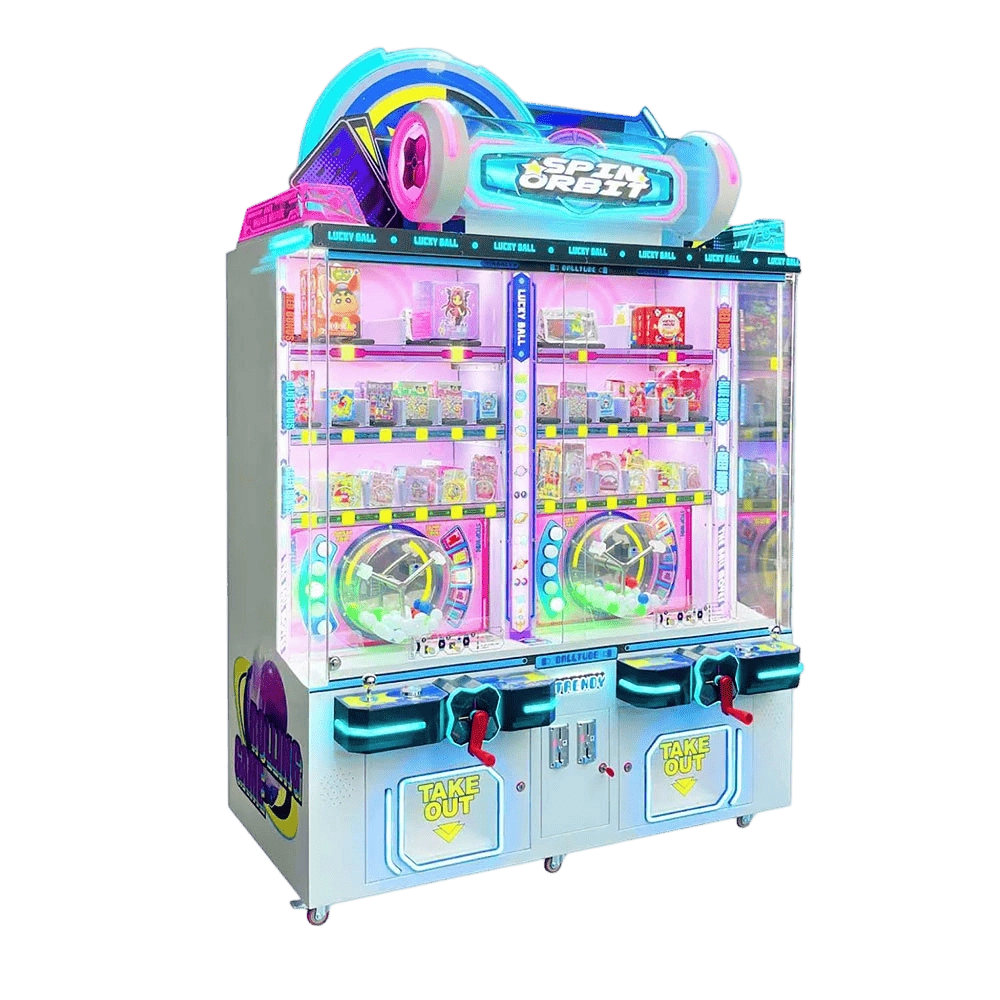
The SPIN ORBIT Lucky Prize Arcade Game is designed for 2 players, allowing simultaneous gameplay for added fun.
What types of customers does Jiami Games serve?
We serve a wide range of clients, including entertainment centers, shopping malls, theme parks, family entertainment venues, and arcade operators worldwide.
What is the prize system like?
The prizes are diverse, with different colored balls corresponding to rewards in varying prize tiers, catering to a wide range of player preferences.
Can I customize the arcade machines to fit my brand?
Yes, we offer full customization, including logo placement, machine color, game software, and even the language on the machine, based on the order quantity.
You May Also Like
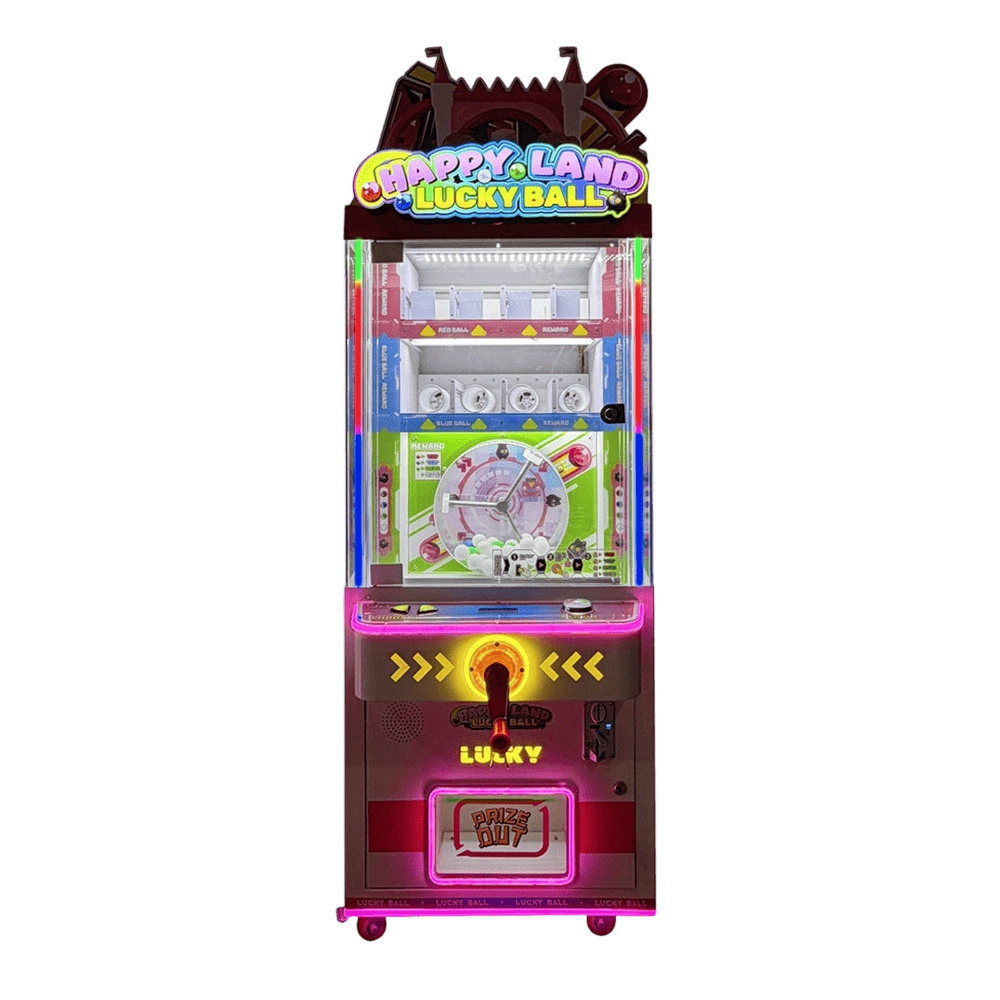
Coin Operated/Card Payment Lucky Ball Vending Toy Gift Arcade Game Machine
Coin Operated/Card Payment 2 Players SPIN ORBIT Lucky Prize Arcade Game
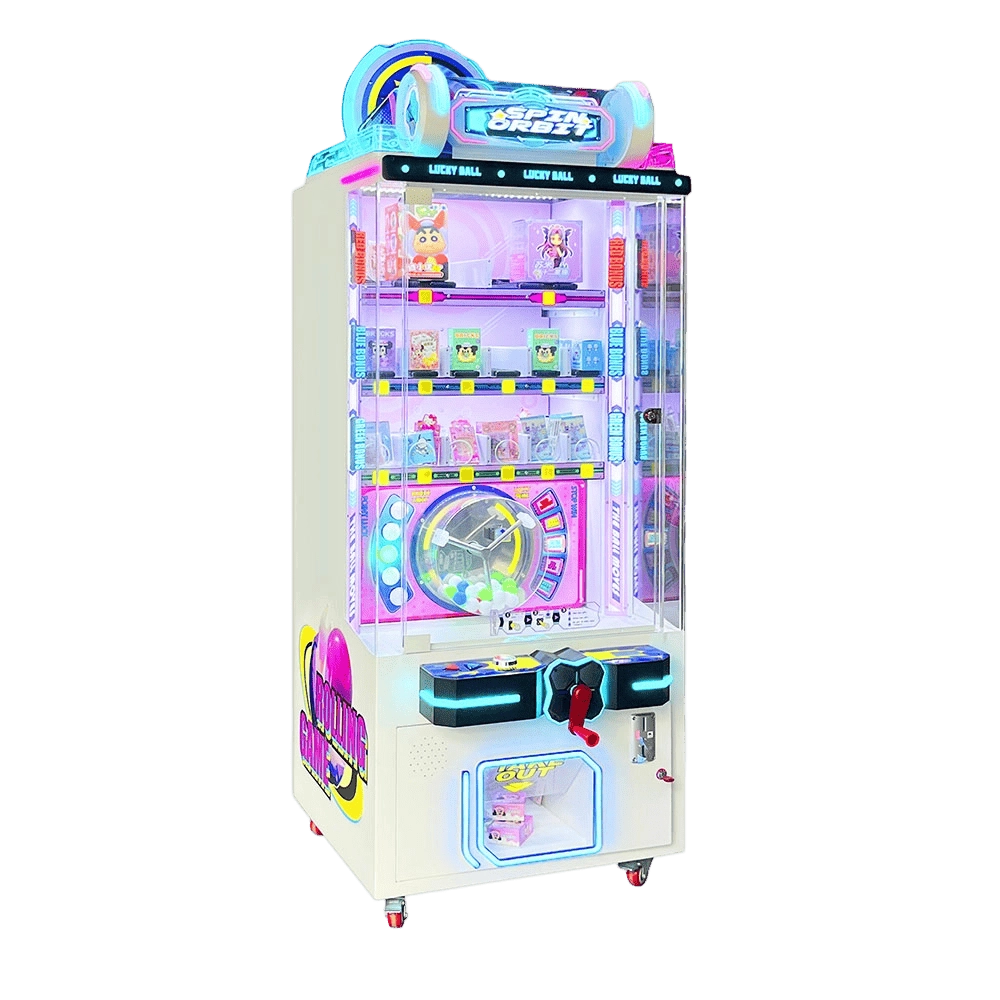
Coin Operated/Card Payment SPIN ORBIT Lucky Prize Arcade Game
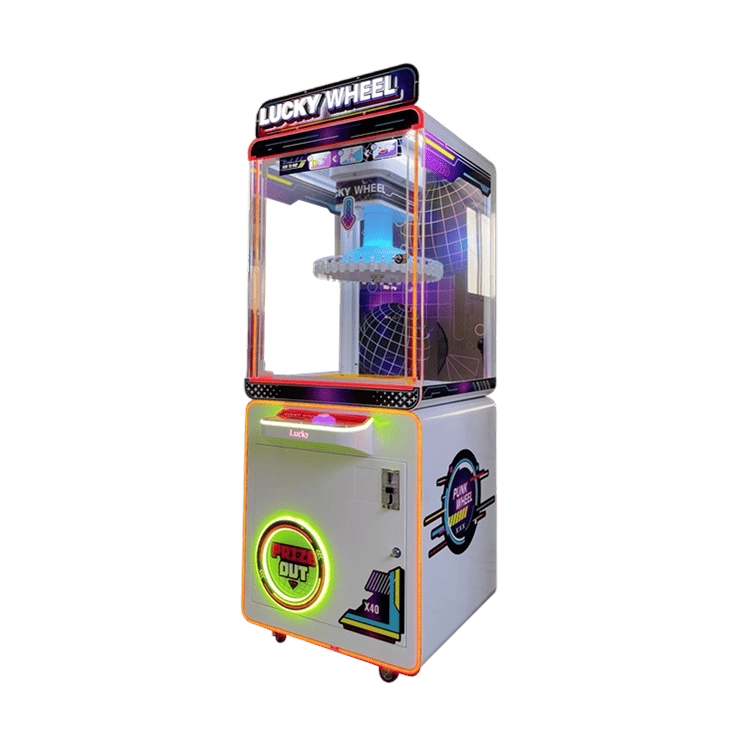
Arcade Prize Lucky Wheel Gift Machine For Amusement Areas
Get in Touch with Jiami Games
If you have any comments or good suggestions, please leave us a message; later our professional staff will contact you as soon as possible.

Innovative Entertainment, at Your Fingertips
Learn about Jiami Games and explore our expertise in console development, innovative design, and global markets.
Quick Links:
© 2026 Jiami Games.
Whatsapp: +8618520390438