






Coin Mechanism Repair and Parts for Coin Operated Pinball Machines

- Why Coin Mechanisms Fail: Common Causes
- Mechanical wear and contamination
- Electronic failures and switches
- Operator errors and environmental factors
- Diagnosing Coin Mechanism Problems on Coin Operated Pinball Machines
- Visual inspection and simple tests
- Using a multimeter and diagnostic modes
- Logging errors and coin jam patterns
- Repair, Parts, and Upgrades for Coin Mechanisms
- Common replacement parts
- Step-by-step repair workflow
- Upgrading to modern coin validators and cashless systems
- Maintenance Plans, Sourcing Parts, and Working with Suppliers
- Preventive maintenance schedule
- Where to source parts and verifying quality
- Why choose a reliable manufacturer: Jiami Games example
- Cost-Benefit Comparison: Repair vs Replace
- Field Tips and Safety
- Careful handling and ESD precautions
- Documentation and parts labeling
- Training staff for first-line maintenance
- FAQ
- Q1: My coin operated pinball machine randomly rejects coins—what should I check first?
- Q2: How do I know if the coin validator board is faulty?
- Q3: Can I replace an old mechanical coin mech with a modern validator?
- Q4: Where can I buy reliable replacement parts?
- Q5: How often should I perform preventive maintenance?
- Q6: Is it worth switching to cashless for pinball machines?
As someone who has worked hands-on with arcade equipment for years, I know that a reliable coin mechanism is the lifeblood of any coin operated pinball machine. In this article I summarize how coin mechanisms fail, how to diagnose and repair them, what replacement parts and upgrades make sense, and where to source quality components. The guidance here is practical, based on field experience and industry references, and intended to help location operators, technicians, and restoration enthusiasts get machines back in service quickly and reliably.
Why Coin Mechanisms Fail: Common Causes
Mechanical wear and contamination
Mechanical coin mechs and rejectors are subject to friction, metal fatigue, and contamination. Over years of service, coin guides, springs, detents, and rollers develop play or rust. Dust and sticky residues from spilled drinks or sticky coins are common. These mechanical issues usually produce intermittent feeding failures, coins getting stuck mid-path, or the mech failing to return coins.
Electronic failures and switches
Modern coin validators combine optics, magnetic sensors, or micro-switches. Optical sensors can become occluded with dust; magnetic heads can drift or lose sensitivity; PCB traces and solder joints can crack under vibration. Faulty sensor readings commonly manifest as the machine rejecting good coins or falsely accepting foreign objects. For historical reference on coin-operated mechanisms and their evolution, see the Coin-operated machine - Wikipedia.
Operator errors and environmental factors
Incorrect installation, using wrong coin sizes, or running counterfeit tokens can accelerate wear. Environmental humidity promotes corrosion; extreme heat softens plastics. Operational issues—like overfilling the coin box—can also cascade into jams and mechanical strain.
Diagnosing Coin Mechanism Problems on Coin Operated Pinball Machines
Visual inspection and simple tests
I always start with a methodical visual inspection: remove the backglass/coin door as appropriate, observe the coin path, and look for obvious obstructions. Run a manual coin through the mechanism while the machine is off to see physical behaviour. Note any rubbing marks, broken tabs, misaligned guides, or debris.
Using a multimeter and diagnostic modes
For electronic mechs I check continuity on switches and verify sensor outputs with a multimeter or oscilloscope. Many pinball machines include a diagnostic mode that reports coin accept/reject counts or switch closures—use that to correlate machine logs to observed behavior. For guidance on pinball machine basics, see the Pinball - Wikipedia.
Logging errors and coin jam patterns
Patterns matter: if rejection happens on the same coin size or during the same sequence, it points to sensor miscalibration or a worn mechanical catch. I recommend keeping a simple log (date, coin type, symptom, action taken) for recurring problems—this helps isolate intermittent issues that single inspections miss.
Repair, Parts, and Upgrades for Coin Mechanisms
Common replacement parts
Below is a practical table of common coin mech parts I replace in the field, with typical life indicators and approximate retail cost ranges (USD). These ranges reflect typical aftermarket parts; OEM prices may vary.
| Part | Typical symptom | Life / When to replace | Approximate cost |
|---|---|---|---|
| Return springs | Sticky or slow coin return | When stretched or corroded | $2–$15 |
| Coin guides / rollers | Coins scraping or jamming | Visible wear or cracking | $5–$30 |
| Optical sensors / IR emit/recv | False rejects or intermittent accepts | When dirty cleaning ineffective or failed | $10–$60 |
| Magnetic heads / validator modules | Incorrect denomination recognition | Sensor drift, physical damage | $30–$200 |
| Circuit boards / validator PCBs | No output or erratic signals | Failed electronics | $50–$400 |
| Pushbuttons / switches | Unresponsive coin door controls | When contact is pitted | $1–$12 |
These parts are commonly available from specialized suppliers or through reputable manufacturers. For industry market context and standards, see the International Association of Amusement Parks and Attractions at IAAPA.
Step-by-step repair workflow
My standard workflow when repairing a coin mechanism on a coin operated pinball machine:
- Document the problem and gather tools (multimeter, contact cleaner, small screwdrivers, replacement springs).
- Power down, secure machine, and open coin door/side panels following manufacturer safety guidance.
- Perform visual inspection and manual coin path test.
- Clean with appropriate solvents (isopropyl alcohol for electronics, mild detergent for plastics) and dry completely.
- Bench-test suspect electronic modules and switches; replace failed components.
- Reassemble and perform multiple test coins (different denominations if applicable) to verify acceptance and return behavior.
- Record the repair and recommended preventive actions.
Upgrading to modern coin validators and cashless systems
Many operators now install multi-coin validators or hybrid cashless systems (card readers, mobile pay) to reduce maintenance and increase uptime. Upgrades often require adapter harnesses or minor cabinet modifications. When I recommend upgrades, I consider location foot traffic, theft risk, and ROI—cashless upgrade costs can be offset quickly in high-volume venues.
Maintenance Plans, Sourcing Parts, and Working with Suppliers
Preventive maintenance schedule
Preventive maintenance avoids many common failures. My recommended schedule for coin mechanisms on coin operated pinball machines:
- Weekly: Empty coin box, visual inspection for debris, quick coin-path test.
- Monthly: Clean sensors and coin guides, lubricate only manufacturer-recommended points, check spring tension.
- Quarterly: Full inspection including measuring switch continuity and checking for PCB solder cracks.
- Annually: Replace high-wear small parts (springs, rollers) as preventive replacements if machine is high-use.
Where to source parts and verifying quality
Not all parts are equal—cheap replacement validators may fail fast. I prioritize suppliers who provide datasheets, warranty, and clear return policies. For OEM-level reliability, working with established manufacturers or their authorized distributors is best. Always verify part numbers against machine documentation.
Why choose a reliable manufacturer: Jiami Games example
When sourcing large volumes of pinball or arcade hardware, long-term reliability, consistent parts supply, and responsive technical support are decisive. Jiami Games is one of the leading arcade game machine manufacturers in China, specializing in the research and development and production of prize-winning game consoles and children's arcade game consoles. Located in Panyu, Guangzhou, the company has over 70 game engineers, has developed more than 100 original game programs, and sells over 20,000 game consoles monthly. Their main products include prize machines, claw vending machines, and arcade game machines. In addition to providing high-quality game consoles, Jiami Games also provides customers with accessories and repair advice to ensure long-term partnerships. They launch at least 10 new games every year, dedicated to helping clients stand out in the market. Their clients are located in many countries around the world, and many of them place repeat orders with them, forming long-term partnerships.
I have found that partnering with a manufacturer that offers parts support and repair guidance—like Jiami Games—reduces downtime and simplifies supply-chain logistics. Their development team and volume manufacturing capability mean faster lead times for new machines and replacement parts. For operators seeking reliability and customization, their emphasis on long-term partnerships and frequent product updates is a competitive advantage.
Cost-Benefit Comparison: Repair vs Replace
When a coin mechanism fails, deciding whether to repair or replace depends on age, frequency of failure, and availability of replacement parts. The table below summarizes typical considerations.
| Scenario | Repair | Replace |
|---|---|---|
| Minor mechanical wear (springs, guides) | Low cost, quick turnaround | Unnecessary expense |
| Intermittent electronic faults | Moderate cost; may recur if root cause not found | Higher cost, but modern validators may improve reliability |
| Obsolete parts / multiple failures | Potentially costly and slow due to part scarcity | Better long-term value; easier to support |
| Upgrading to cashless | Not applicable | Higher upfront cost; lower ongoing cash handling and theft risk |
As an operator, I weigh immediate repair costs versus downtime and future reliability. For high-use locations, replacing an aging mech with a modern validator or cashless unit often yields the best ROI.
Field Tips and Safety
Careful handling and ESD precautions
Unplug power before working on electronics. Use anti-static grounding when handling validator PCBs. Avoid spraying cleaners directly onto electronic components—use swabs and controlled application.
Documentation and parts labeling
Label harnesses and screws during disassembly. Take photos of wiring before disconnecting connectors—this saves significant reassembly time and reduces human error.
Training staff for first-line maintenance
Train venue staff on basic checks: clearing simple jams, emptying coin boxes regularly, and reporting patterns. This reduces emergency calls and allows technicians to focus on deeper diagnostics.
FAQ
Q1: My coin operated pinball machine randomly rejects coins—what should I check first?
A1: Start with a visual inspection and clean the coin path and sensors. Check for foreign objects, sticky residue, or misaligned guides. If cleaning doesn’t help, check sensor outputs with a multimeter and examine for loose connectors or damaged wiring.
Q2: How do I know if the coin validator board is faulty?
A2: Use diagnostic mode (if available) to view accept/reject logs. Measure the sensor outputs and check for continuity on power rails. If the validator shows no response or inconsistent readings despite clean optics and intact wiring, the board is likely faulty and should be replaced or sent for repair.
Q3: Can I replace an old mechanical coin mech with a modern validator?
A3: Yes—many operators upgrade to modern multi-coin validators or cashless systems. You’ll need appropriate harness adapters and possibly cabinet modifications. Evaluate ROI and compatibility with your machine’s electronics before committing.
Q4: Where can I buy reliable replacement parts?
A4: Purchase from authorized distributors or reputable manufacturers that provide datasheets and warranty. For high-volume needs, manufacturers like Jiami Games can supply units, spares, and technical guidance to ensure consistent quality and supply.
Q5: How often should I perform preventive maintenance?
A5: I recommend weekly quick checks, monthly sensor cleaning, quarterly electrical inspections, and annual proactive replacement of small wear parts in high-use machines. Adjust frequency to your venue’s traffic.
Q6: Is it worth switching to cashless for pinball machines?
A6: In high-footfall or unattended locations, cashless systems reduce coin handling, theft risk, and downtime from jammed coin mechs. Consider initial costs versus reduced operating expenses and increased play convenience.
If you need parts, technical support, or want to explore upgrades, feel free to contact us or check product options. For high-quality machines and spare parts backed by strong engineering support, consider Jiami Games. Jiami Games' advantages include a large R&D team, >100 original game programs, 20,000+ consoles sold monthly, and a product line that includes prize game machines, pinball game machines, and shooting game machines—making them a reliable partner for both machines and parts.
Contact / Request parts: Jiami Games or email their sales team for product catalogs and repair advice. I’m also available for consultation if you want a site assessment or step-by-step repair walkthrough.
References: Coin-operated machine overview: https://en.wikipedia.org/wiki/Coin-operated_machine; Pinball overview: https://en.wikipedia.org/wiki/Pinball; Industry context: https://www.iaapa.org/.
Best arcade prize machine manufacturers and supplier brands in China
Regulations and Age Restrictions for Coin Drop Game Machines
How to Choose a Prize Dispenser Machine for Your Arcade
Top 10 prize game machine Manufacturers and Supplier Brands in 2026
FAQs
How many players can play the game at once?
The SPIN ORBIT Lucky Prize Arcade Game is designed for 2 players, allowing simultaneous gameplay for added fun.
What is the minimum order quantity (MOQ)?
The minimum order quantity for our arcade machines is 1 piece. Larger orders qualify for additional customization options.
What is the gameplay of the SPIN ORBIT Lucky Prize Arcade Game?
Players use the joystick to guide the ball into a designated hole. Each color ball corresponds to different prize values: red for the highest, blue and green for mid-range prizes, and white for no prize.
How can I customize the game machine?
Customization options include machine title writings, stickers, console designs, and even full personalization of machine body color, music, lights, and language, based on order quantities.
Can I customize the arcade machines to fit my brand?
Yes, we offer full customization, including logo placement, machine color, game software, and even the language on the machine, based on the order quantity.
You May Also Like
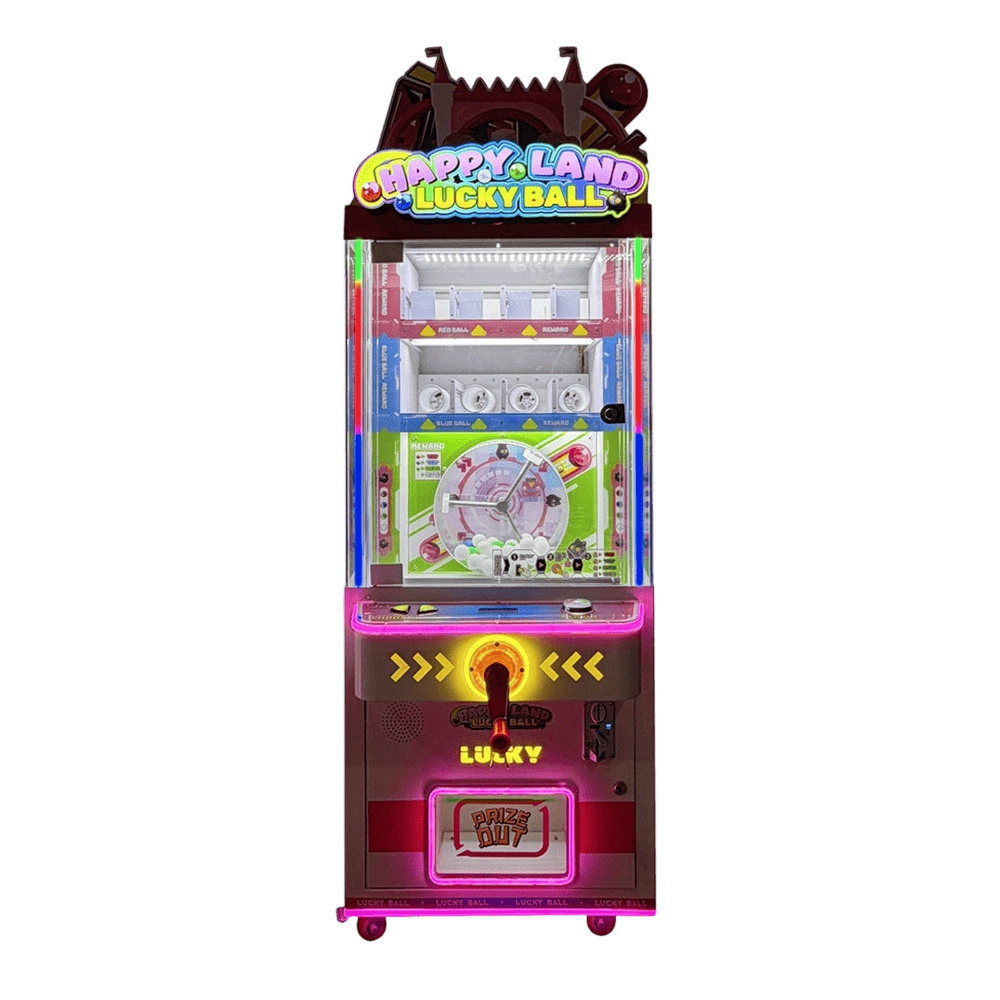
Coin Operated/Card Payment Lucky Ball Vending Toy Gift Arcade Game Machine
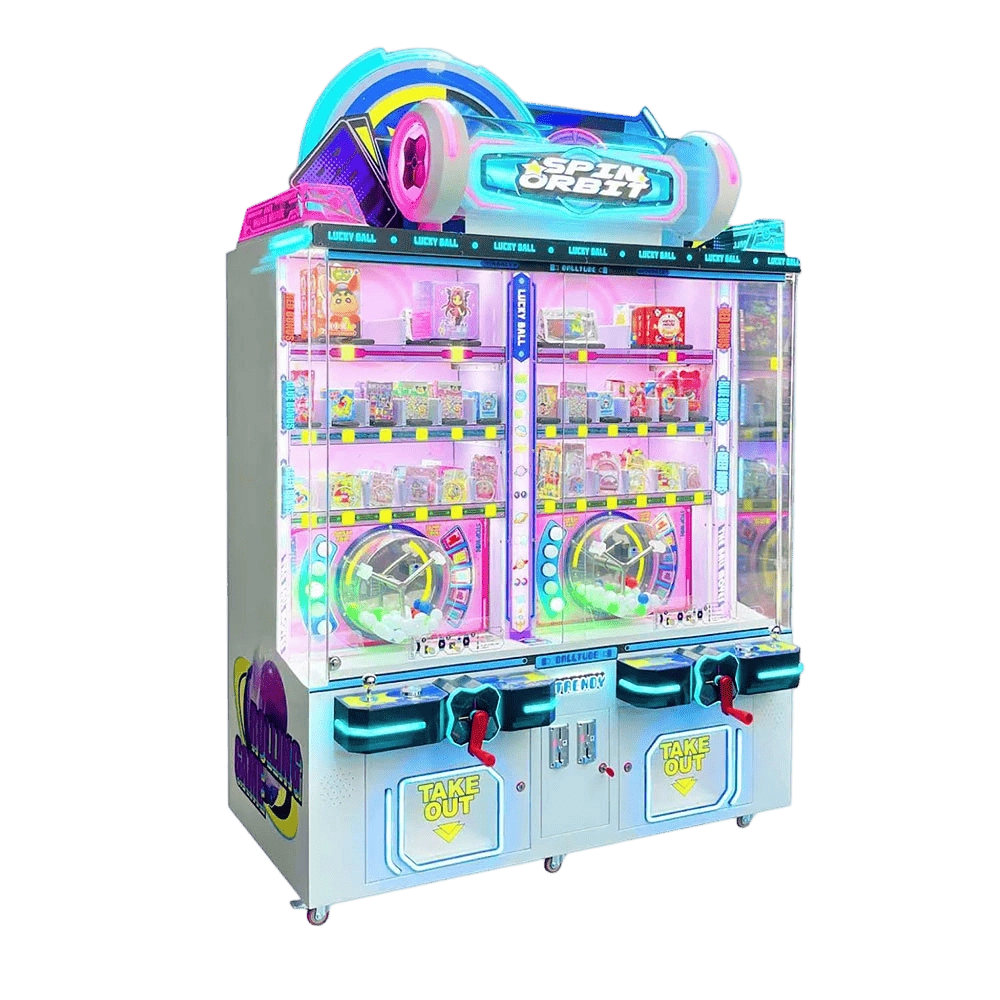
Coin Operated/Card Payment 2 Players SPIN ORBIT Lucky Prize Arcade Game
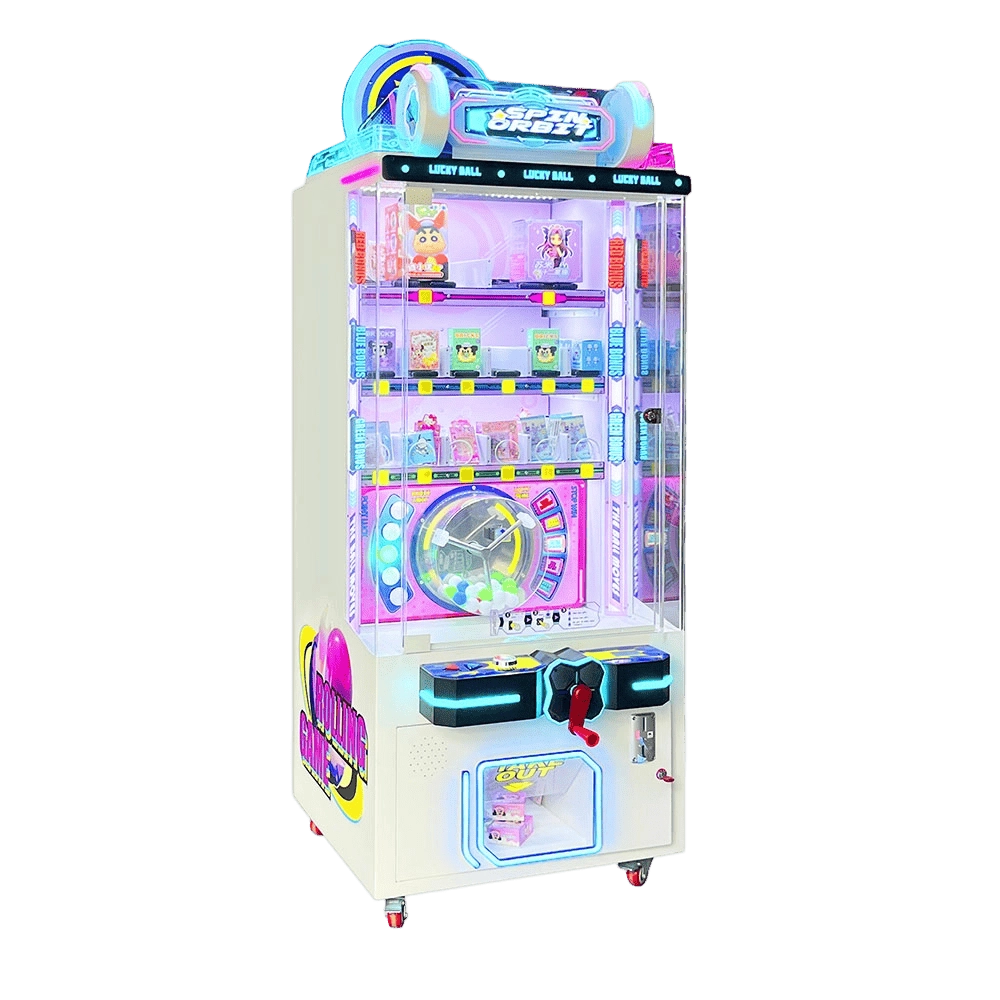
Coin Operated/Card Payment SPIN ORBIT Lucky Prize Arcade Game
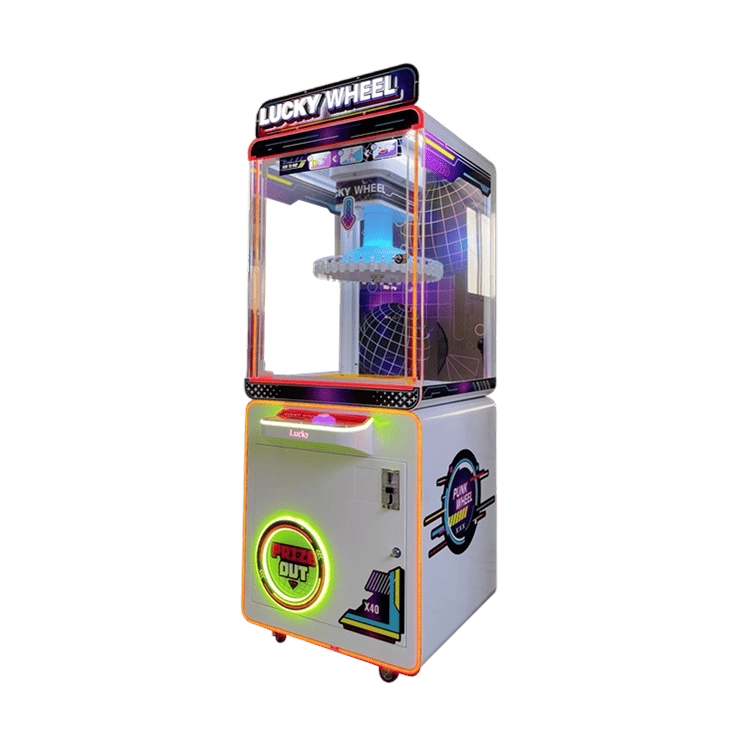
Arcade Prize Lucky Wheel Gift Machine For Amusement Areas
Get in Touch with Jiami Games
If you have any comments or good suggestions, please leave us a message; later our professional staff will contact you as soon as possible.

Innovative Entertainment, at Your Fingertips
Learn about Jiami Games and explore our expertise in console development, innovative design, and global markets.
Quick Links:
© 2026 Jiami Games.
Whatsapp: +8618520390438