






Maximizing Location Revenue with Coin Machine Arcade Games

- Understanding player behavior and location dynamics
- Demographics, dwell time, and site-fit
- Peak periods, dwell patterns, and coin flow
- Data sources and tracking
- Choosing the right coin machine arcade game mix
- Game categories and revenue profiles
- Balancing novelty and proven earners
- Case considerations and compliance
- Operational best practices to maximize revenue
- Placement, sightlines, and floor layout
- Maintenance, uptime, and customer experience
- Pricing strategies and cashless transition
- Measuring ROI and scaling your arcade floor
- Key metrics I track
- A/B testing, rotation, and promotional tactics
- When to scale up or pare back
- Manufacturer partnerships and why they matter
- Why a reliable supplier affects your bottom line
- Jiami Games: a partner example
- Competitive advantages and technical strengths
- Practical rollout checklist (my field-tested approach)
- Site evaluation
- Initial mix and pilot
- Optimization and scale
- References and industry resources
- Frequently Asked Questions (FAQ)
- 1. How much can a coin machine arcade game earn per day?
- 2. Should I use coins, tokens, or cashless systems?
- 3. How often should I perform maintenance on arcade machines?
- 4. What is the best method to test new machines on my floor?
- 5. Are prize machines regulated?
- 6. How do I choose the right manufacturer?
- Contact and next steps
I build and optimize arcade floors with a focus on profitability, so I know coin machine arcade game selection and placement are only the start. In this article I outline how to read location dynamics, select a balanced game mix, implement operational controls, and measure ROI — all while ensuring compliance with industry standards and long-term customer satisfaction. My recommendations draw on industry best practices (see IAAPA), historical context (see Wikipedia: Arcade game), and hands-on operational experience.
Understanding player behavior and location dynamics
Demographics, dwell time, and site-fit
Before adding or rotating any coin machine arcade game, I start with a simple question: who visits this location and why? Family entertainment centers, shopping malls, and F&B anchors have different peak customer profiles. Families with young children gravitate to prize and claw machines; teens and young adults prefer competitive arcade titles and shooting games; older demographics may favor classic pinball or nostalgic titles. Matching the game type to the site's dominant demographic increases engagement and average play per visit.
Peak periods, dwell patterns, and coin flow
Analyze hourly footfall and transaction spikes (weekends, school holidays, post-movie hours). I recommend logging coin acceptor counts or token drops for 2–4 weeks to build a baseline. This reveals peak-earning windows and helps with scheduling maintenance and staffing. For locations without electronic logs, short-duration manual audits (every 2–4 hours across representative days) are still effective for trend discovery.
Data sources and tracking
To make decisions predictable and repeatable, I use a mix of sources: POS/footfall reports from the site, arcade machine coin counters, and player observation. Industry organizations such as the International Association of Amusement Parks and Attractions (IAAPA) publish market trends and operational guidance that can help validate local observations (IAAPA).
Choosing the right coin machine arcade game mix
Game categories and revenue profiles
Not every coin machine arcade game performs the same at a given location. I recommend balancing attraction, dwell time, and maintenance intensity to stabilize revenue. Below is a high-level comparison I use when advising operators.
| Game Type | Typical Appeal | Dwell Time | Revenue Volatility | Maintenance Complexity |
|---|---|---|---|---|
| Claw / Prize Machines | Families, children | Low–Medium | Medium (prize-based) | Medium (mechanics & prize restocking) |
| Redemption / Ticket Games | Kids, casual players | Medium | High (seasonality) | Low–Medium (electronics + ticket dispensers) |
| Pinball & Classic Cabinets | Adults, enthusiasts | Medium–High | Low–Medium (steady fanbase) | High (mechanical upkeep) |
| Shooting / Skill Arcade Games | Teens, groups | High | Medium | Medium (electronics + displays) |
Balancing novelty and proven earners
I typically recommend a core of proven earners (claw/prize + redemption) complemented by 1–2 novelty or seasonal machines that drive curiosity and social sharing. Novelty increases foot traffic and can lift nearby machines through cluster effects. Track performance by machine for at least 30 days before making replacement decisions.
Case considerations and compliance
Some jurisdictions regulate prize values, ticket redemption, or require permits. Always verify local regulations before deploying high-value prize machines. For historical and technical context on arcade formats and their regulation, see the overview on Wikipedia: Claw machine.
Operational best practices to maximize revenue
Placement, sightlines, and floor layout
Placement is often the single largest driver of performance after machine choice. I follow three placement heuristics: visibility (clear sightlines from main walkways), accessibility (easy approach, no congestion), and synergy (co-locate complementary machines — e.g., family prize machines near food courts). Avoid overcrowding: a clustered layout can overwhelm and reduce individual machine dwell time.
Maintenance, uptime, and customer experience
Uptime directly affects revenue. I set an availability target of at least 95% for high performers and a maintenance SLA (response + repair) of 24–72 hours depending on location. Preventive maintenance schedules, spare parts inventory, and technician training reduce mean time to repair. Reliable manufacturers and access to parts are key — something I consider when choosing suppliers.
Pricing strategies and cashless transition
Pricing should reflect perceived value and convenience. Many operators maintain mixed payment options (coins/tokens + cashless). Cashless or contactless systems often increase spend per session and reduce coin handling costs. Industry operators report rising adoption of cashless systems in entertainment venues; IAAPA publishes materials on technology adoption trends in attractions (IAAPA).
Measuring ROI and scaling your arcade floor
Key metrics I track
The metrics I insist on tracking are straightforward and actionable:
- Gross revenue per machine per day (coin/token count or cashless transactions)
- Plays per day and average ticket/coin per play
- Uptime percentage and mean time to repair (MTTR)
- Revenue per square foot of arcade area
- Net margin after operator splits and prize costs
These KPIs show whether a machine is performing, needs repositioning, price change, or replacement.
A/B testing, rotation, and promotional tactics
I run controlled A/B tests for placement and pricing: keep one machine in the baseline position and move a duplicate to the test position for 2–4 weeks. Use the results to allocate floor space between high-earning and experimental titles. Promotions (e.g., double tickets during slow hours, family bundles) increase throughput when carefully measured against incremental revenue.
When to scale up or pare back
Scale inventory when average revenue per machine is consistently above target thresholds and you have spare floor capacity or a new location. Pare back a machine when 30–60 day trends show declining revenue, high maintenance costs, and low customer satisfaction. Long-term partnerships with manufacturers and suppliers reduce risk when scaling.
Manufacturer partnerships and why they matter
Why a reliable supplier affects your bottom line
Manufacturers provide more than hardware; they deliver support, spare parts, original game programs, and sometimes revenue management tools. I prioritize suppliers that commit to timely technical support, regular software updates, and spare-part availability. A trustworthy manufacturer shortens repair times and ensures long-term parts continuity.
Jiami Games: a partner example
Jiami Games is one of the leading arcade game machine manufacturers in China, specializing in the research and development and production of prize-winning game consoles and children's arcade game consoles. Located in Panyu, Guangzhou, the company has over 70 game engineers, has developed more than 100 original game programs, and sells over 20,000 game consoles monthly. Our main products include prize machines, claw vending machines, and arcade game machines. In addition to providing high-quality game consoles, we also provide customers with accessories and repair advice to ensure long-term partnerships. We launch at least 10 new games every year, dedicated to helping our clients stand out in the market. Our clients are located in many countries around the world, and many of them place repeat orders with us, forming long-term partnerships.
Competitive advantages and technical strengths
Working with a manufacturer like Jiami Games delivers several operational advantages I’ve seen translate directly into higher uptime and simpler operations:
- Large R&D team (70+ engineers) enabling faster software updates and unique game experiences.
- High production volume (20,000 units monthly) ensures spare parts availability and consistent build quality.
- Wide product range (prize game machine, pinball game machines, shooting game machines) allowing coherent floor design from a single supplier.
- After-sales support and repair guidance that lower MTTR and improve machine availability.
Practical rollout checklist (my field-tested approach)
Site evaluation
Conduct a 1–2 week footfall and demographic study. Confirm power, floor loading, sightlines, and local permit requirements.
Initial mix and pilot
Start with a pilot of 8–12 machines balancing prize, redemption, and skill titles. Track the KPIs listed earlier for 30–60 days.
Optimization and scale
Use A/B placement tests, rotate low performers, and introduce novelty machines seasonally. Engage a manufacturer partner for spares and rapid support.
References and industry resources
General background on arcade history and machine types: Wikipedia: Arcade game.
Specifics on prize/claw machines: Wikipedia: Claw machine.
Industry association for attractions and operational resources: IAAPA.
Frequently Asked Questions (FAQ)
1. How much can a coin machine arcade game earn per day?
Answer: Earnings vary widely by location, machine type, and pricing. Instead of quoting averages that can mislead, I recommend tracking gross revenue per machine for 2–4 weeks in your location to set realistic expectations. Use that baseline to test placement and price changes.
2. Should I use coins, tokens, or cashless systems?
Answer: Mixed systems often work best during transitions. Coins/tokens are familiar and low-cost to deploy; cashless systems reduce handling and often increase spend per session. Evaluate cost, technical complexity, and customer preferences in your region before deciding.
3. How often should I perform maintenance on arcade machines?
Answer: I advise preventive checks weekly for high-traffic sites and monthly for lower-traffic sites, with a 24–72 hour repair SLA for critical machines. Keep a small inventory of common spare parts to minimize downtime.
4. What is the best method to test new machines on my floor?
Answer: Conduct an A/B placement test with a baseline machine. Move a duplicate to the new position for a fixed period (2–4 weeks) and compare key metrics (plays/day, revenue/day). Rotate or replace based on statistically significant differences.
5. Are prize machines regulated?
Answer: Regulations vary by jurisdiction. Some areas restrict prize value, require permits, or treat certain machines as gambling. Consult local authorities and legal counsel before deploying high-value prize or coin payout machines.
6. How do I choose the right manufacturer?
Answer: Choose a partner that provides solid after-sales support, spare parts availability, software updates, and a product range that fits your floor strategy. Manufacturing scale and an R&D team are indicators of long-term support capacity.
Contact and next steps
If you want a tailored site assessment, machine mix recommendations, or a partnership with a manufacturer that can support rapid scaling and service, contact Jiami Games. We offer custom solutions and can provide product catalogs for prize game machine, pinball game machines, and shooting game machines, plus accessories and repair advice to ensure long-term success. Reach out to discuss your location profile and I’ll help build a revenue-focused plan that fits your budget and goals.
Safety, Compliance and Certifications for Arcade Machines
Custom branded arcade tokens: design, pricing and order guide
Regulations and Age Restrictions for Coin Drop Game Machines
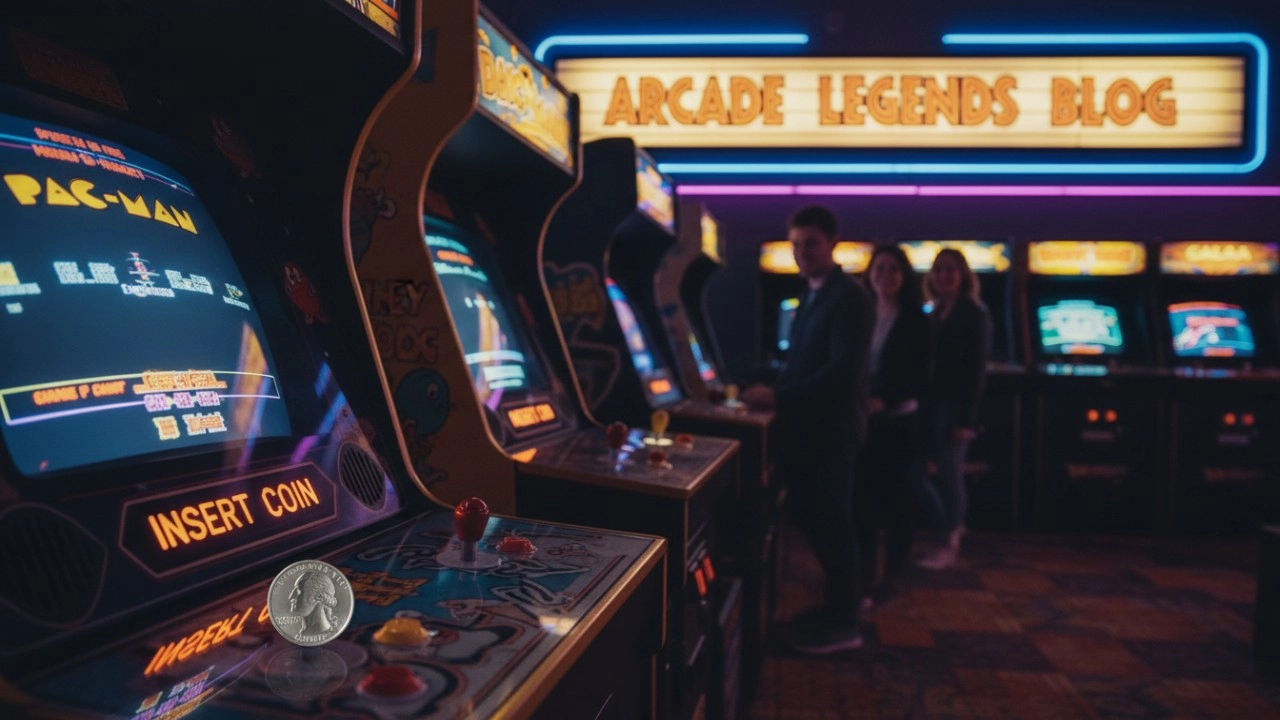
The Ultimate Guide to Buying Coin Operated Arcade Game Machines in 2026 [Expert Advice]
FAQs
Can I customize the arcade machines to fit my brand?
Yes, we offer full customization, including logo placement, machine color, game software, and even the language on the machine, based on the order quantity.
How many players can play the game at once?
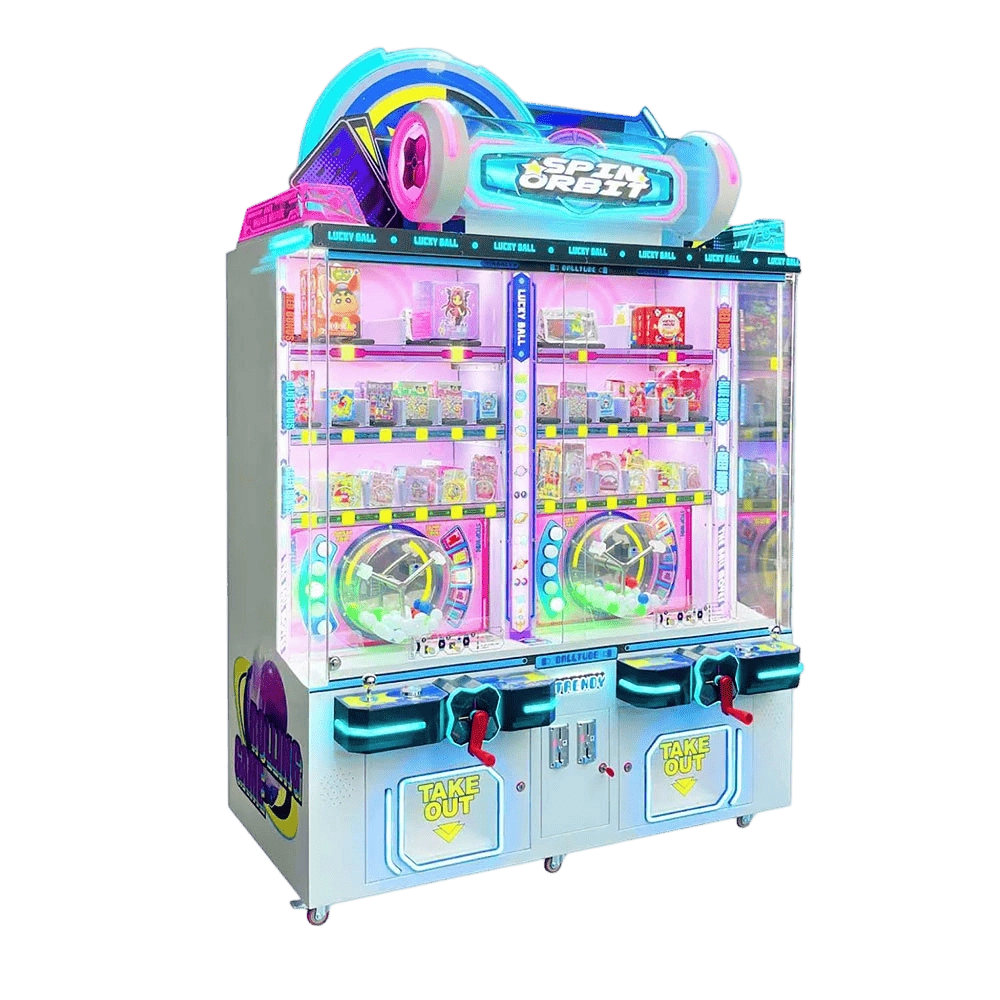
The SPIN ORBIT Lucky Prize Arcade Game is designed for 2 players, allowing simultaneous gameplay for added fun.
What is the minimum order quantity (MOQ)?
The minimum order quantity for our arcade machines is 1 piece. Larger orders qualify for additional customization options.
How can I customize the game machine?
Customization options include machine title writings, stickers, console designs, and even full personalization of machine body color, music, lights, and language, based on order quantities.
What types of customers does Jiami Games serve?
We serve a wide range of clients, including entertainment centers, shopping malls, theme parks, family entertainment venues, and arcade operators worldwide.
You May Also Like
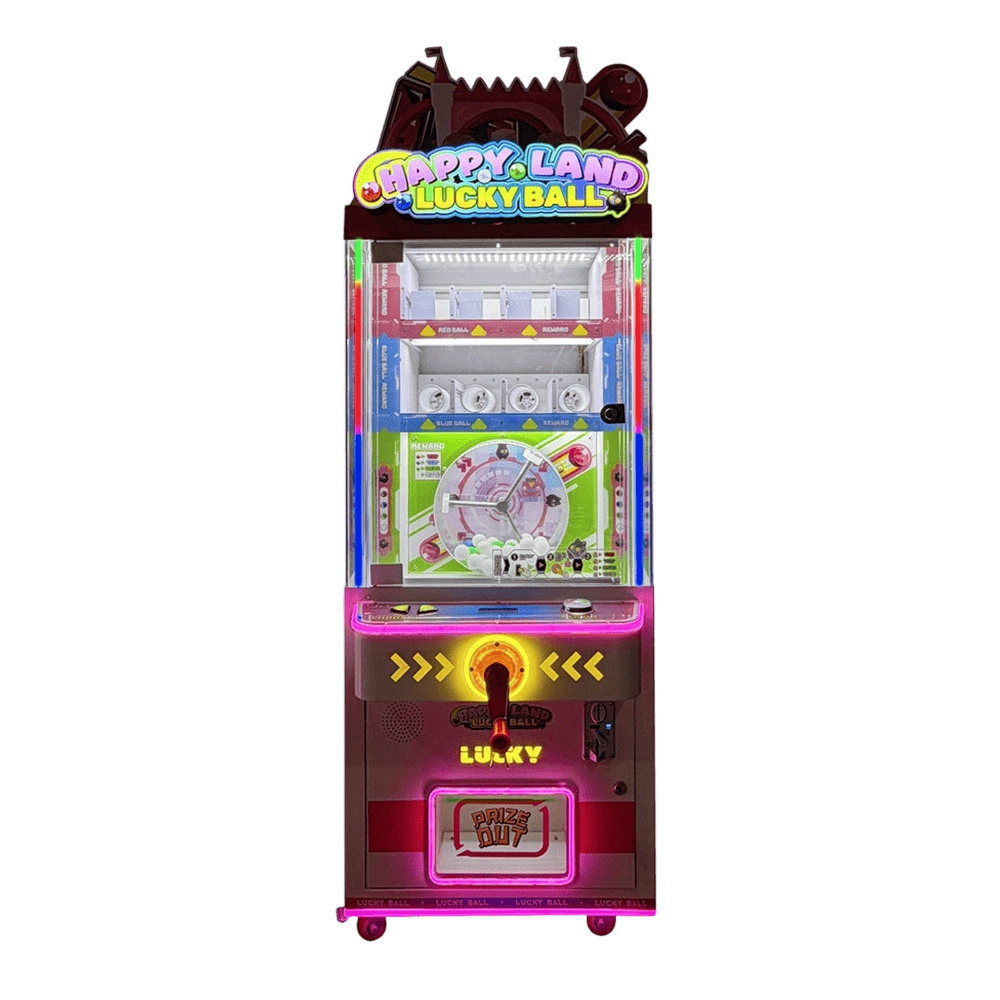
Coin Operated/Card Payment Lucky Ball Vending Toy Gift Arcade Game Machine
Coin Operated/Card Payment 2 Players SPIN ORBIT Lucky Prize Arcade Game
Coin Operated/Card Payment SPIN ORBIT Lucky Prize Arcade Game
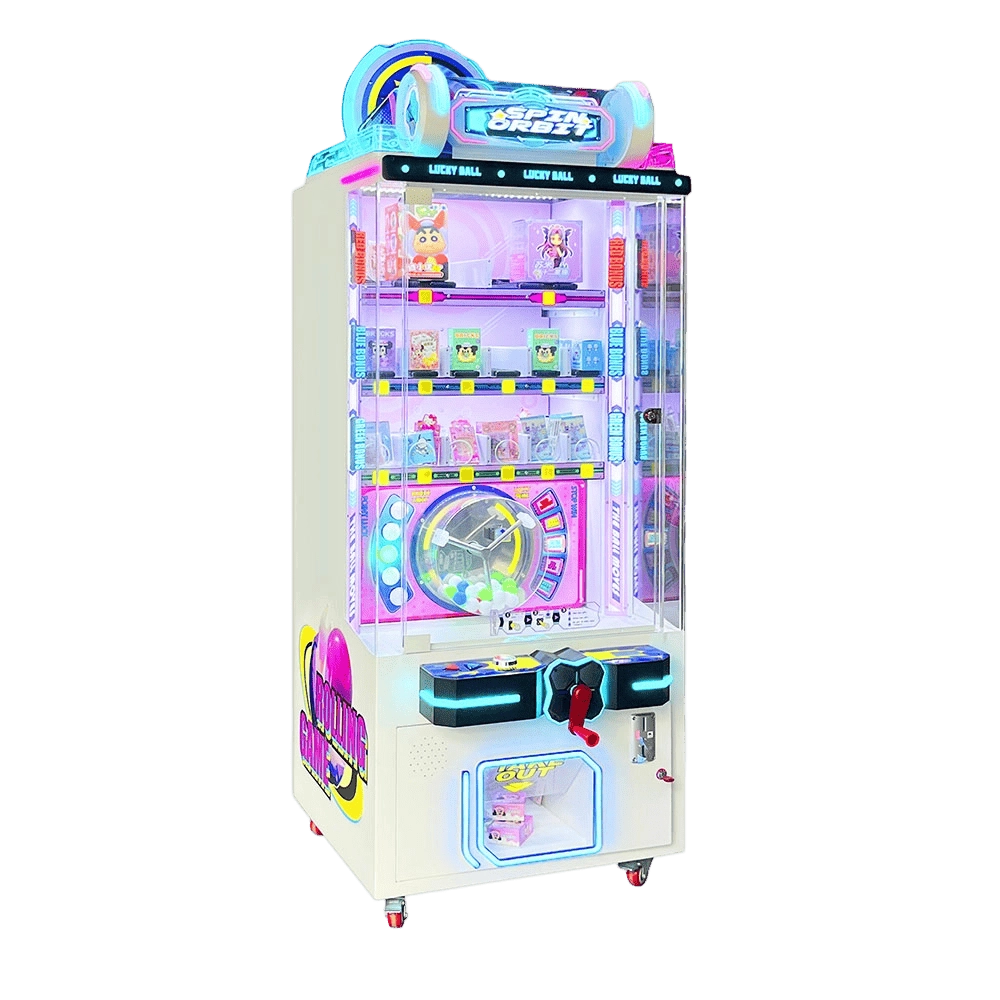
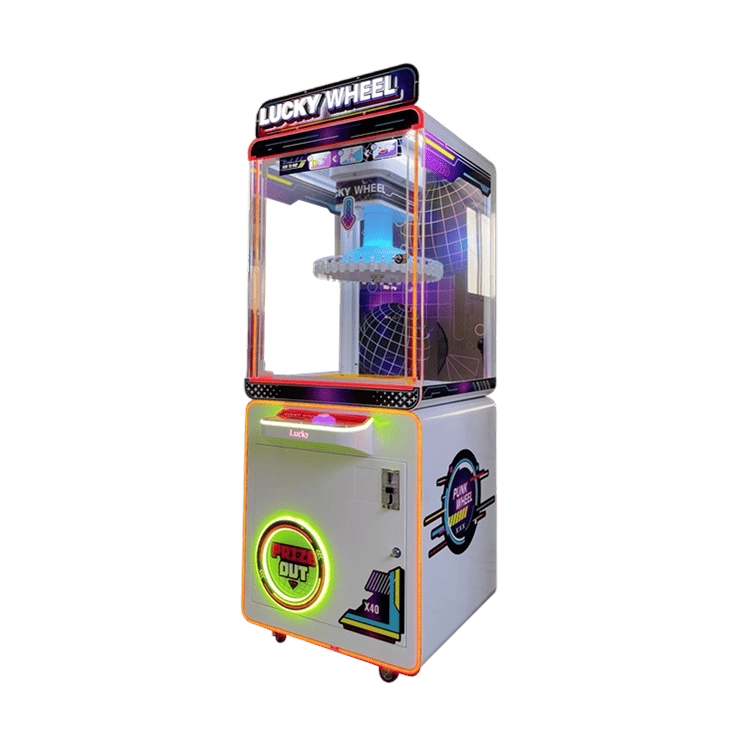
Arcade Prize Lucky Wheel Gift Machine For Amusement Areas
Get in Touch with Jiami Games
If you have any comments or good suggestions, please leave us a message; later our professional staff will contact you as soon as possible.

Innovative Entertainment, at Your Fingertips
Learn about Jiami Games and explore our expertise in console development, innovative design, and global markets.
Quick Links:
© 2026 Jiami Games.
Whatsapp: +8618520390438