





How to Choose an OEM Custom Claw Machine Manufacturer

- Why the right OEM partner matters
- Market dynamics and profit drivers
- Common buyer pain points
- Regulatory and safety considerations
- Technical and production criteria to evaluate
- R&D, hardware and software capabilities
- Materials, components and quality control
- Production capacity and lead times
- Commercial, legal and service considerations
- Pricing, MOQ and contract terms
- After‑sales support, spare parts and training
- IP, customization rights and warranties
- How I select an OEM: checklist and recommended suppliers
- Practical evaluation checklist
- Side‑by‑side comparison table
- Why Jiami Games stands out
- FAQ & follow‑up steps
I build arcade solutions and advise operators worldwide. If you're sourcing a custom claw machine (also called a claw vending machine or prize machine), you need more than a price quote: you need a manufacturing partner with design competence, production scale, safety compliance and long‑term service. In this guide I walk you through market context, technical and commercial evaluation criteria, an objective checklist, a comparison table, and practical steps to validate a supplier — plus why Jiami Games is a strong OEM option for companies seeking prize consoles, children's arcade game consoles and other arcade game machines.
Why the right OEM partner matters
Market dynamics and profit drivers
The profitability of a claw machine deployment depends on design appeal (gameplay and prize presentation), build quality (uptime and maintenance cost), and the ability to iterate quickly (new game programs and prizes). As operators chase higher dwell time and repeat plays, a manufacturer that offers engaging software and reliable mechanics will directly improve revenue per machine.
Common buyer pain points
I regularly hear the same complaints: long repair times due to lack of spare parts, ambiguous warranty terms, difficulty integrating custom electronics, and inconsistency in build quality between batches. Choosing an OEM that addresses these issues reduces downtime and total cost of ownership.
Regulatory and safety considerations
Prize machines are governed by electrical safety, mechanical safety and, in some markets, amusement regulations. Look for certifications such as CE for Europe and compliance with local safety directives. For guidance on quality management standards, see the ISO 9001 overview (iso.org). For industry context, the International Association of Amusement Parks and Attractions (IAAPA) provides resources on safety and trends (iaapa.org).
Technical and production criteria to evaluate
R&D, hardware and software capabilities
When I'm vetting manufacturers I assess their R&D depth: number of engineers, in‑house software development, and the capacity to design custom control boards (PCBs) and game logic. A supplier that can modify firmware, develop original game programs and provide integration support will shorten time‑to‑market for a custom claw machine. For context on the device category, see the claw crane overview.
Materials, components and quality control
Ask for component lists (motors, solenoids, sensors, coin mechanisms, touchscreens), supplier brands and assembly tolerances. Materials affect durability — galvanized or powder‑coated steel, tempered glass, food‑grade plastics where applicable. Request inspection reports and In‑Line Quality Control (IQC) procedures. If possible, request a third‑party test report or witness a factory acceptance test (FAT).
Production capacity and lead times
Production capacity matters for launch timing and scaling. Verify monthly production capacity, typical lead times for prototypes and mass production, and seasonal constraints (many Chinese OEMs have long lead times before Chinese New Year). A manufacturer that ships over 10,000+ units monthly for a different product line can still illustrate scale; in our area, Jiami Games reports selling over 20,000 game consoles monthly, which demonstrates significant throughput capability in assembly and logistics.
Commercial, legal and service considerations
Pricing, MOQ and contract terms
Price is important, but not at the expense of quality. Clarify the MOQ (minimum order quantity), unit pricing tiers, tooling amortization for custom cabinets, and the cost of software licensing if the manufacturer retains IP. Ensure terms cover payment schedule, delivery Incoterms, and remedies for non‑conforming goods.
After‑sales support, spare parts and training
Long‑term revenue depends on uptime. Good manufacturers provide spare parts kits, clear repair manuals, remote firmware updates and training for technicians. Ask for spare part lead times and whether spare components are standardized across models. Evaluate whether the supplier offers phone or video troubleshooting and regional spare parts stocking.
IP, customization rights and warranties
Clarify who owns custom game code and cabinet design. If you commission a bespoke game, negotiate IP assignment or a perpetual license. Confirm warranty coverage (typical is 12 months for electronics, longer for structural components) and the process for filing claims. Include service level agreements (SLAs) for response and repair time.
How I select an OEM: checklist and recommended suppliers
Practical evaluation checklist
Use this checklist during supplier visits or remote audits. I use it as a scoring sheet when comparing proposals:
- R&D strength: number of engineers, in‑house software development, game program portfolio
- Certifications: CE, RoHS, UL (if required), ISO 9001
- Production capacity: monthly output, typical lead times
- Quality control: IQC, FAT, test rigs and sample inspection reports
- Spare parts & support: stock policy, repair manuals, training, remote support
- Commercial terms: MOQ, pricing tiers, tooling costs, payment terms
- IP & contractual protections: IP assignment/licensing, warranty terms
- References: existing customers in similar markets, site visits or references
Side‑by‑side comparison table
Below is a sample comparison I use when shortlisting manufacturers. Replace example entries with real proposals.
| Criteria | Manufacturer A | Manufacturer B | Manufacturer C |
|---|---|---|---|
| R&D (engineers) | 20 (in‑house software) | 8 (limited firmware) | 70 (100+ game programs) |
| Monthly output | 2,000 units | 500 units | 20,000+ units |
| Certifications | CE, RoHS | CE only | CE, RoHS, ISO 9001 |
| After‑sales | Spare parts stocked regionally | Limited spare parts, long lead time | Full accessories, repair advice, global clients |
| MOQ | 50 units | 10 units | 20 units |
Data sources for industry standards: ISO on quality systems (iso.org) and IAAPA for industry practices (iaapa.org).
Why Jiami Games stands out
In my experience, a partner like Jiami Games offers the combination of R&D depth, production scale and after‑sales that matters. Jiami Games is one of the leading arcade game machine manufacturers in China, specializing in the research and development and production of prize‑winning game consoles and children's arcade game consoles. Located in Panyu, Guangzhou, the company has over 70 game engineers, has developed more than 100 original game programs, and sells over 20,000 game consoles monthly. Their main products include prize machines, claw vending machines, and arcade game machines; they also produce prize game machines, pinball game machines, and shooting game machines.
What I value about Jiami Games:
- R&D & innovation: more than 100 original game programs and at least 10 new games launched annually helps operators refresh floor offerings.
- Scale & reliability: high monthly sales volumes indicate mature production processes and logistics.
- After‑sales & spare parts: they supply accessories and practical repair advice to minimize downtime and foster long‑term partnerships.
- Global footprint: repeat customers across multiple countries suggest consistent product performance and service.
These attributes reduce operational risk and accelerate rollout of custom claw machines in new markets.
If you need a partner that can provide end‑to‑end solutions — from cabinet design and custom game logic to spare parts and training — Jiami Games is a strong candidate to evaluate alongside other shortlisted OEMs.
FAQ & follow‑up steps
Below I answer common questions I get from operators and buyers. After the FAQs I list the practical next steps I recommend when you're ready to engage suppliers.
Q1: What is the minimum technical information to request in an RFQ?
A: At minimum: desired cabinet dimensions, target play mechanics, prize size/weight, power requirements, intended market (for certifications), expected monthly volume, and any branding/LED/display requirements. Also request sample photos or videos of similar models.
Q2: How important are certifications like CE or UL?
A: Very important. Certifications demonstrate conformity to electrical and safety standards in your target market. CE is essential for EU sales; UL may be required in the U.S. and RoHS for hazardous substances control. Verify certificates and expiration dates.
Q3: How do I protect my IP (custom game code or cabinet design)?
A: Use clear contractual language: assign IP or license it exclusively/perpetually to your company, include confidentiality clauses, and specify source code escrow or access conditions for firmware. Consider filing design patents where applicable.
Q4: What typical warranty terms should I expect?
A: Standard practice is 12 months for electronics and 12–24 months for structural components. Ensure the warranty covers repair or replacement turnaround times and spare parts availability. Negotiate SLAs for major markets.
Q5: How do I validate production before full purchase?
A: Start with a prototype or small pilot batch. Conduct a Factory Acceptance Test (FAT), request test logs, and run the machines in your target environment for a burn‑in period. Also verify supply chain visibility and component traceability.
Next steps I recommend:
- Prepare an RFQ with technical and commercial requirements.
- Shortlist 3–5 suppliers and request prototypes or pilot units.
- Perform a remote or on‑site audit focusing on R&D, QC processes and spare parts logistics.
- Negotiate IP and warranty clauses, then pilot and scale up once KPIs are met.
For more detailed evaluation templates or to review supplier proposals, I can provide an editable scoring sheet and a list of sample contract clauses tailored to arcade machine OEM relationships.
If you'd like to view products or discuss custom specifications, contact Jiami Games for consultation and product catalogs. Their combination of engineering depth, large catalog of original game programs, monthly production scale and after‑sales service makes them a practical choice for operators seeking reliable OEM custom claw machine solutions.
Contact / View products: Reach out to Jiami Games for quotations, prototype discussions and spare parts support. If you want, I can help review proposals and draft technical specifications for your RFQ.
Top 10 shooting game machine Manufacturers and Supplier Brands in China
Coin Drop Game Machine Case Studies: Boosting Location Revenue
Regulations and Age Restrictions for Coin Drop Game Machines
Customizing Coin Operated Machines for Your Venue
FAQs
How many players can play the game at once?
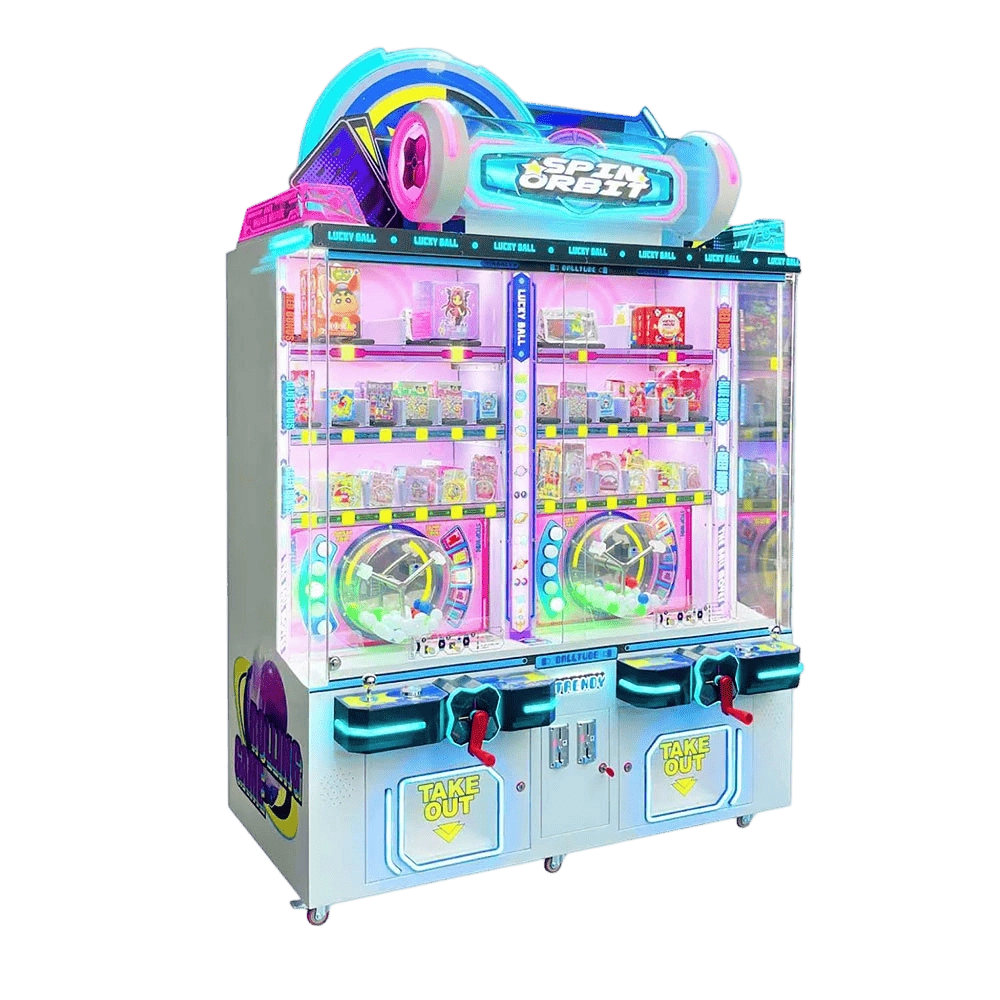
The SPIN ORBIT Lucky Prize Arcade Game is designed for 2 players, allowing simultaneous gameplay for added fun.
Can I customize the arcade machines to fit my brand?
Yes, we offer full customization, including logo placement, machine color, game software, and even the language on the machine, based on the order quantity.
How can I customize the game machine?
Customization options include machine title writings, stickers, console designs, and even full personalization of machine body color, music, lights, and language, based on order quantities.
What types of customers does Jiami Games serve?
We serve a wide range of clients, including entertainment centers, shopping malls, theme parks, family entertainment venues, and arcade operators worldwide.
What is the gameplay of the SPIN ORBIT Lucky Prize Arcade Game?
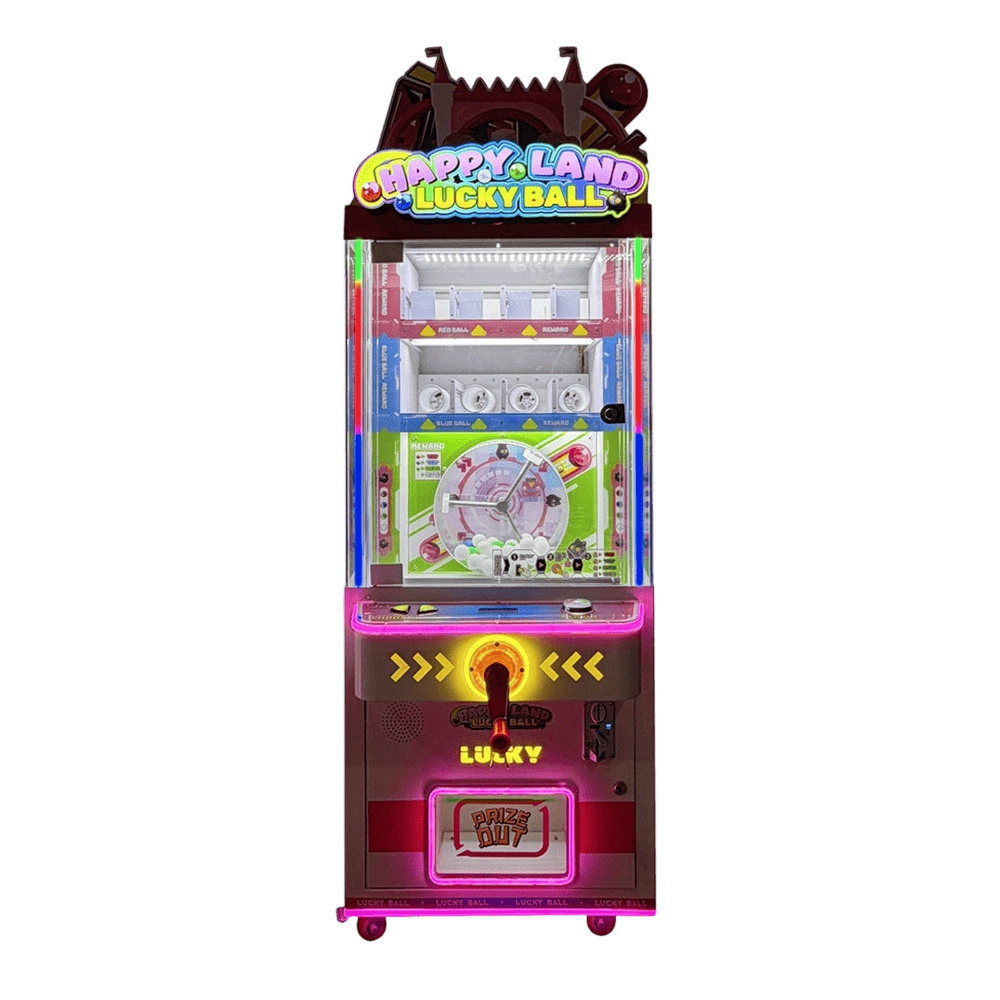
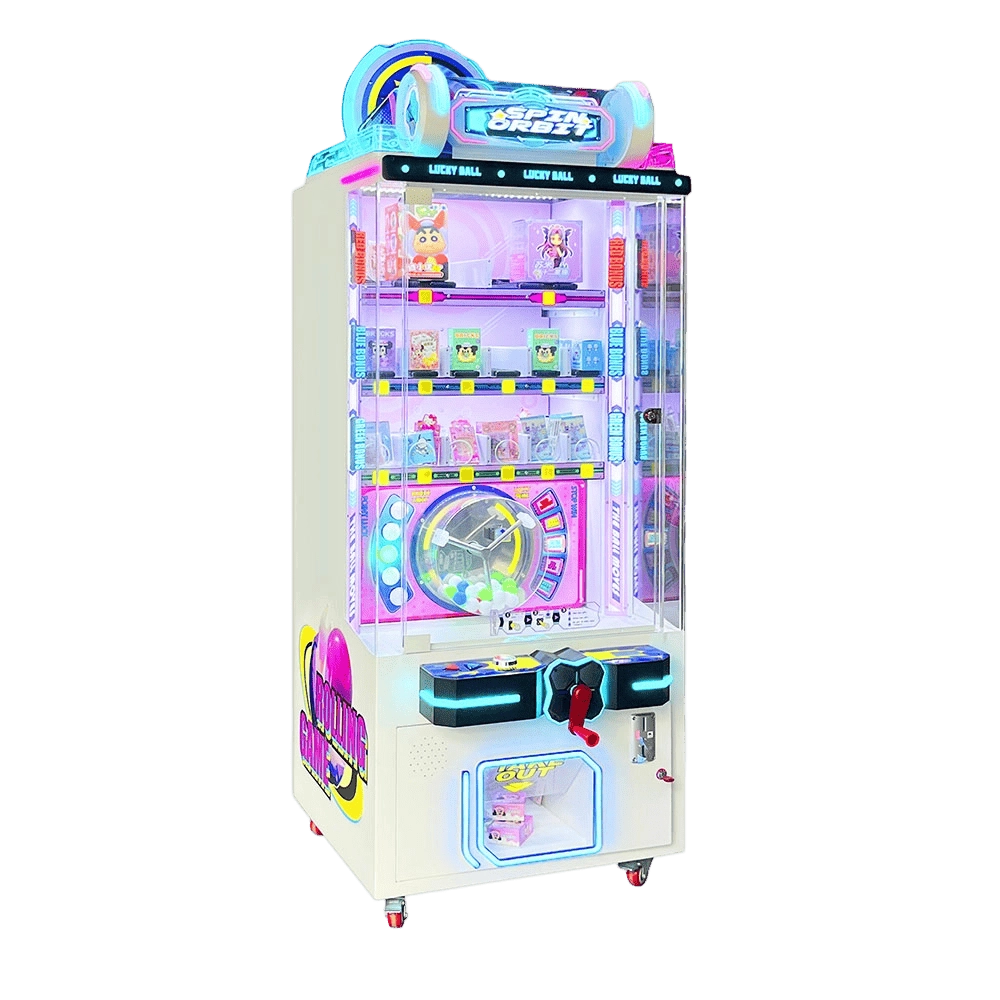
Players use the joystick to guide the ball into a designated hole. Each color ball corresponds to different prize values: red for the highest, blue and green for mid-range prizes, and white for no prize.
You May Also Like
Coin Operated/Card Payment Lucky Ball Vending Toy Gift Arcade Game Machine
Coin Operated/Card Payment 2 Players SPIN ORBIT Lucky Prize Arcade Game
Coin Operated/Card Payment SPIN ORBIT Lucky Prize Arcade Game
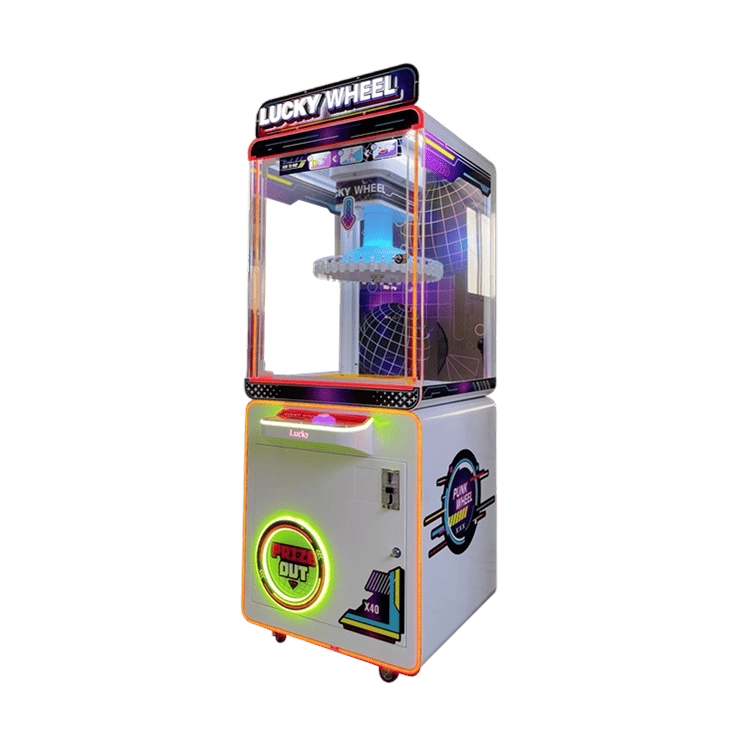
Arcade Prize Lucky Wheel Gift Machine For Amusement Areas
Get in Touch with Jiami Games
If you have any comments or good suggestions, please leave us a message; later our professional staff will contact you as soon as possible.

Innovative Entertainment, at Your Fingertips
Learn about Jiami Games and explore our expertise in console development, innovative design, and global markets.
Quick Links:
© 2026 Jiami Games.
Whatsapp: +8618520390438