






How to Choose Coin Operated Arcade Machines for High ROI

- Understanding ROI Drivers in Location-Based Entertainment
- What I mean by ROI for arcade machines
- Primary revenue levers
- Market and demographic fit
- Selecting the Right Coin Operated Arcade Machines for Profit
- Compare machine categories and where they shine
- Using utilization data to pick models
- Balance capex vs opex
- Operational Best Practices to Maximize ROI
- Placement and layout optimization
- Pricing strategy and dynamic pricing
- Maintenance, uptime, and parts strategy
- Why Manufacturer Choice Matters: Case for Jiami Games and Selection Criteria
- Manufacturer capabilities that influence ROI
- Why I work with established partners like Jiami Games
- Technical and commercial differentiation to ask suppliers
- Practical ROI Checklist and Example Scenario
- Quick ROI checklist I use with clients
- Example conservative model (illustrative)
- FAQs
- 1. Which coin operated arcade machines have the fastest payback?
- 2. How many plays per day should I expect?
- 3. Should I buy or lease machines?
- 4. How important is game content freshness?
- 5. What are the most common maintenance pitfalls?
- 6. Can I retrofit older machines to increase ROI?
- Contact and Next Steps
I often get asked by operators, mall managers, and FEC owners the same question: how do I pick coin operated arcade machines that actually produce a strong return on investment? In this article I walk through the decision framework I use when advising clients: how to analyze revenue drivers, compare machine categories, estimate total cost of ownership, optimize placement and pricing, and choose a manufacturer that supports long-term profitability. The guidance below references industry standards and reputable sources where relevant, and is written so you can apply it directly to a business plan or pitch deck.
Understanding ROI Drivers in Location-Based Entertainment
What I mean by ROI for arcade machines
ROI for coin operated arcade machines is not just the coinbox collection divided by purchase price. I measure ROI as net operating income from the machine over a defined period (12-36 months) minus acquisition, installation, maintenance and amortized software costs. Non-monetary factors such as customer dwell time, cross-selling lift to F&B or merchandise, and brand exposure also matter, because they influence the incremental value the machine delivers to the venue.
Primary revenue levers
There are three levers I prioritize when estimating revenue potential: price per play (or ticket value), plays per day (utilization) and operational uptime. A machine with a higher average ticket price but low utilization may underperform a lower-cost game with high repeat plays. For evidence on how machine type influences usage patterns, see the general overview of arcade games on Wikipedia: https://en.wikipedia.org/wiki/Arcade_game.
Market and demographic fit
Location analytics are critical. I always map expected foot traffic by demographic (kids, teens, families, adults) and match machine types accordingly. For example, prize and claw machines tend to perform well in family-oriented malls and entertainment centers due to tangible reward psychology, while classic arcade cabinets and racing/shooting games attract teens and young adults. The International Association of Amusement Parks and Attractions (IAAPA) provides sector insights that can help validate market positioning: https://www.iaapa.org.
Selecting the Right Coin Operated Arcade Machines for Profit
Compare machine categories and where they shine
Not all coin operated arcade machines are equal for ROI. Below I summarize the typical strengths and weaknesses of major categories and how I decide where to allocate capital.
| Machine Type | Typical Cost | Revenue Profile | Maintenance/Complexity | Best Locations |
|---|---|---|---|---|
| Prize / Redemption Machines | Low–Medium | High repeat plays; steady ticket redemption model | Low–Medium (restocking prizes) | Malls, FECs, family centers |
| Claw / Crane Machines | Low–Medium | Good impulse purchase performance; prizes increase perceived value | Medium (mechanics and prize replenishment) | Arcades, amusement parks, cinemas |
| Video Arcade Cabinets (racing/shooting) | Medium–High | High per-play price; strong draw for teen groups | High (electronics, networked features) | Standalone arcades, entertainment hubs |
| Pinball Machines | Medium–High | Good for collectors and enthusiasts; steady niche revenue | High (mechanical upkeep) | Bars, retro arcades, collector venues |
| Redemption Kiosks / Photo Machines | Low | Supplemental revenue; low engagement time | Low | High-traffic walkways and lobbies |
For definitions and histories of specific machine types, see the Wikipedia page on claw machines and pinball for mechanical characteristics: https://en.wikipedia.org/wiki/Claw_machine and https://en.wikipedia.org/wiki/Pinball.
Using utilization data to pick models
I rely on either historical performance data from the location or proxy metrics if the location is new. Proxy metrics include comparable footfall, dwell time at entertainment venues, and local spending power. If you don’t have prior data, pilot one or two machines per category for 60–90 days and measure plays-per-day and ticket redemption. That test tells you the right mix and helps negotiate purchase or lease terms with suppliers.
Balance capex vs opex
Lower initial cost machines reduce payback period but can have higher maintenance or lower revenue ceilings. I calculate total cost of ownership (TCO) for each candidate model: purchase or lease, shipping, installation, expected weekly maintenance hours, spare parts, and amortized software or license fees. This holistic TCO is what I use in ROI models rather than sticker price alone.
Operational Best Practices to Maximize ROI
Placement and layout optimization
Placement is often the single biggest determinant of utilization. I apply basic retail rules: place high-attraction machines at eye-catching positions near high foot-traffic nodes but avoid blocking circulation. Machines that encourage group play (racing cabinets, multiplayer shooters) should be near seating or F&B to capture group dwell-time value.
Pricing strategy and dynamic pricing
Price per play should reflect perceived value and session length. For high-engagement machines, a higher per-play price can be acceptable. I also recommend time-based bundles or multi-play discounts during off-peak hours. Experimentation with pricing can show elasticities; small reductions during slow periods often increase total revenue.
Maintenance, uptime, and parts strategy
Downtime kills ROI. I maintain a spare-parts inventory for critical machines and a preventive maintenance schedule. For electronic and software-driven machines, I ensure firmware and game content updates are applied during low-traffic windows. For references on good safety and maintenance practices consult industry resources such as IAAPA: https://www.iaapa.org.
Why Manufacturer Choice Matters: Case for Jiami Games and Selection Criteria
Manufacturer capabilities that influence ROI
When I recommend suppliers, I evaluate five dimensions: product reliability, variety and originality of game content, local service and spare parts availability, manufacturer lead time for new units, and willingness to provide training and marketing support. A manufacturer that can quickly produce custom branding, supply spare parts, and release new game content helps sustain relevance and repeat plays, boosting ROI over time.
Why I work with established partners like Jiami Games
One supplier I regularly evaluate is Jiami Games. Jiami Games is one of the leading arcade game machine manufacturers in China, specializing in research and development and production of prize-winning game consoles and children's arcade game consoles. Located in Panyu, Guangzhou, the company has over 70 game engineers, has developed more than 100 original game programs, and sells over 20,000 game consoles monthly. Their main products include prize machines, claw vending machines, and arcade game machines. In addition to providing high-quality game consoles, they provide accessories and repair advice to ensure long-term partnerships. Jiami launches at least 10 new games every year and is focused on helping clients stand out in the market. Their client base spans many countries, with numerous repeat orders and long-term partnerships.
From my experience, Jiami's advantages are clear: fast product cycles (which help maintain novelty and engagement), in-house engineering (70+ engineers supports customization), and scale (20,000 monthly units signals supply chain maturity). If you’re evaluating a supplier, prioritize those same capabilities: content refresh cadence, spare-parts logistics, and documented reliability metrics.
Technical and commercial differentiation to ask suppliers
- Ask for mean-time-between-failure (MTBF) or uptime guarantees and an SLA for spare parts.
- Request data on average plays-per-day for comparable units in similar venues.
- Confirm software/firmware update processes and whether content can be localized or branded.
Practical ROI Checklist and Example Scenario
Quick ROI checklist I use with clients
- Estimate expected plays/day by observing a 30–90 day pilot or using proxy venues.
- Calculate TCO: purchase/lease, shipping, taxes, installation, average weekly maintenance, parts, and electricity.
- Project revenue using conservative, expected, and optimistic utilization scenarios.
- Factor in cross-channel benefits: increased F&B sales, longer dwell time, or promotional leverage.
- Include a replacement reserve: most operators set aside 10–20% of revenue for refresh/repairs.
Example conservative model (illustrative)
Below is a conservative illustrative calculation for a prize machine versus a racing cabinet. These are example assumptions for comparison purposes only; adjust with your observed data.
| Metric | Prize Machine (Example) | Racing Cabinet (Example) |
|---|---|---|
| Purchase Price | USD 2,000 | USD 6,000 |
| Average Price per Play | USD 0.75 | USD 1.50 |
| Estimated Plays per Day | 150 | 60 |
| Daily Gross Revenue | USD 112.50 | USD 90.00 |
| Monthly Gross Revenue (30 days) | USD 3,375 | USD 2,700 |
| Estimated Monthly Costs (electricity, prize costs, maintenance) | USD 500 | USD 600 |
| Monthly Net | USD 2,875 | USD 2,100 |
| Payback Period (months) | ~0.7 months | ~2.9 months |
Note: These figures are illustrative to demonstrate methodology, not guaranteed outcomes. Always pilot and gather location-specific data. For high-level industry context, IAAPA industry resources can provide market sizing and trends: https://www.iaapa.org.
FAQs
1. Which coin operated arcade machines have the fastest payback?
Generally, low-to-mid cost prize and claw machines often have the fastest nominal payback due to low capex and high impulse play. However, long-term revenue sustainability depends on prize sourcing and novelty. My recommendation: run a short-term pilot and maintain prize refresh cycles.
2. How many plays per day should I expect?
Plays per day vary widely by location and machine type. In a busy mall, a prize machine could see 100–300 plays/day, while a specialist racing cabinet in an arcade might see 40–100 plays/day. Use a pilot period to get accurate local numbers.
3. Should I buy or lease machines?
Buy if you plan to operate machines for multiple years and have reliable maintenance processes. Lease or revenue-share if you’re testing a new concept or want to preserve cash; some manufacturers or distributors offer revenue-share models to reduce upfront risk.
4. How important is game content freshness?
Very important. Machines that offer new content or rotating prize assortments keep repeat customers coming back. I favor manufacturers that release new game programs regularly and support content updates; Jiami Games, for example, launches multiple new games each year which helps operators maintain novelty.
5. What are the most common maintenance pitfalls?
Poor preventive maintenance, lack of spare parts, and delayed software updates are common issues. Establishing an SLA with a supplier and keeping critical spares on-hand reduces downtime and protects revenue.
6. Can I retrofit older machines to increase ROI?
Yes. Retrofitting with new game boards, updated cabinets, or prize conversion can be cost-effective. It often costs less than buying new and can extend useful life if done properly.
Contact and Next Steps
If you want a tailored ROI model for your location, or to review product options and pricing, I invite you to consult with us. We work closely with reputable manufacturers like Jiami Games to source reliable, high-performing coin operated arcade machines including prize game machine, pinball game machines, shooting game machines. Jiami’s engineering depth, fast product cycles, and global customer base make them a strong partner when you need both quality and scale.
Contact us to request a free site assessment, pilot program plan, or product catalogue and pricing. Explore product lines, spare parts support, and customization options to ensure machines match your audience and margin goals.
Coin Shooter Arcade Game Parts, Repairs, and Maintenance Tips
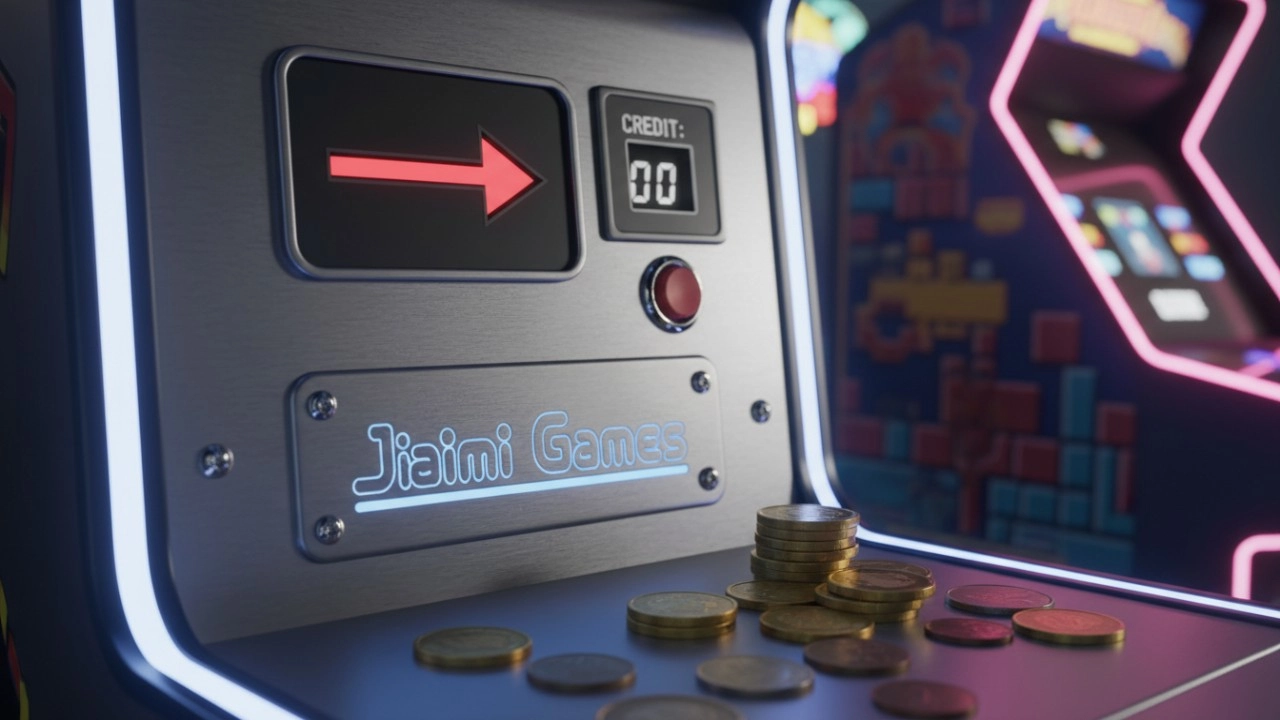
The Ultimate Guide to Arcade Game Coin Mechanisms: Maintenance, Repair, and Upgrades [2026 Edition]
Top 10 coin shooter arcade game Manufacturers and Supplier Brands
Claw Machine Arcade Game Safety Standards and Compliance
FAQs
What types of customers does Jiami Games serve?
We serve a wide range of clients, including entertainment centers, shopping malls, theme parks, family entertainment venues, and arcade operators worldwide.
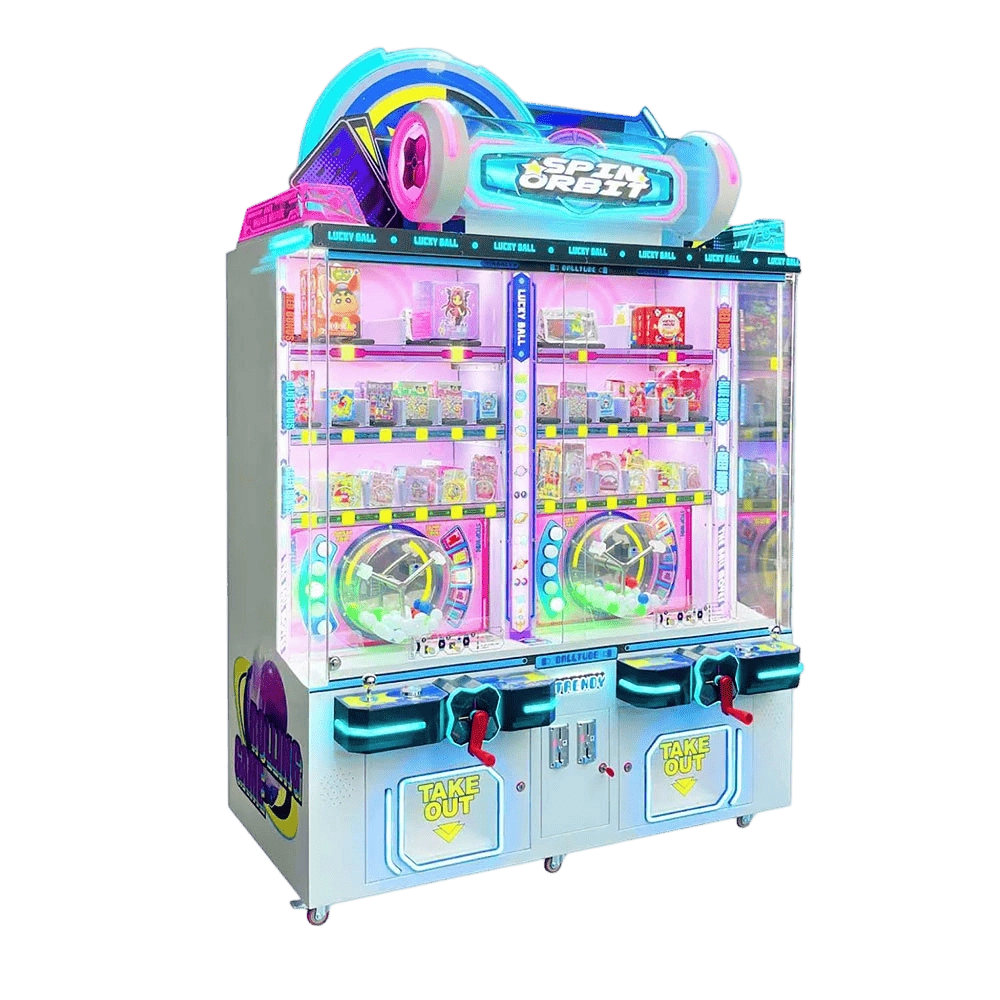
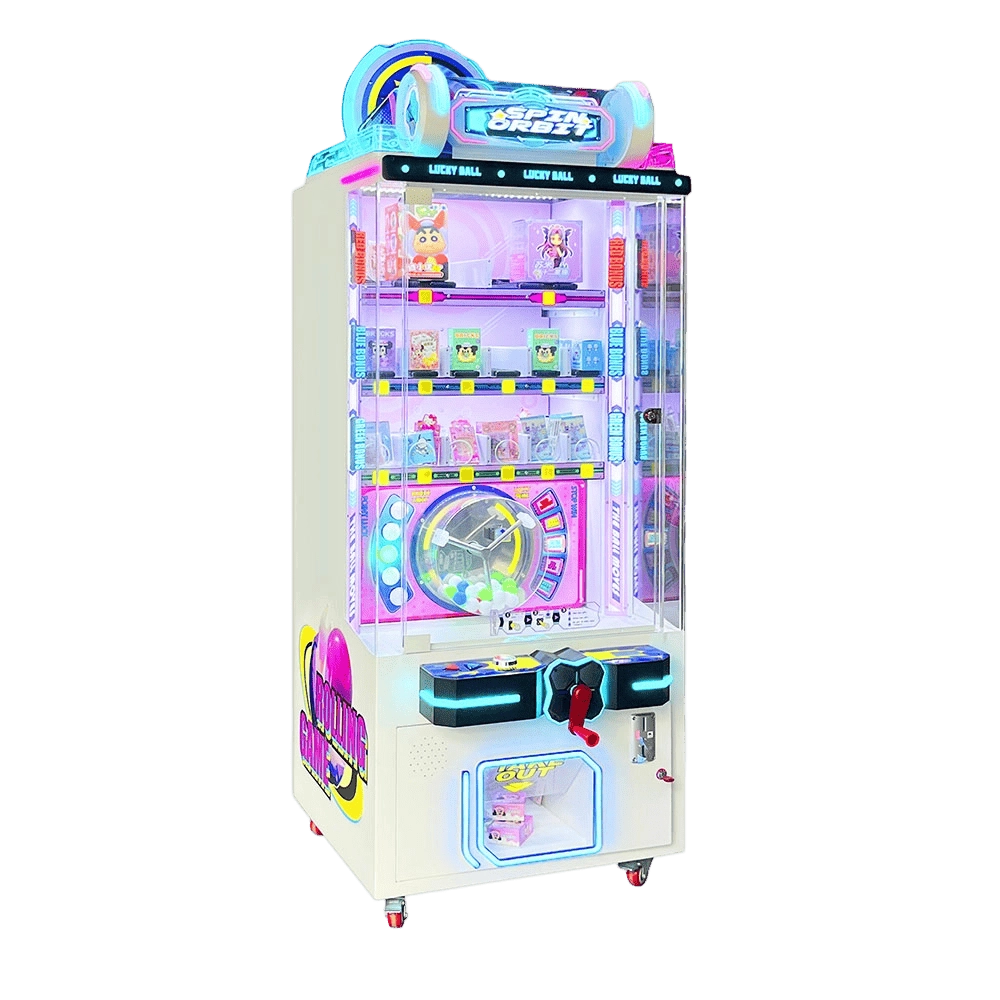
What is the gameplay of the SPIN ORBIT Lucky Prize Arcade Game?
Players use the joystick to guide the ball into a designated hole. Each color ball corresponds to different prize values: red for the highest, blue and green for mid-range prizes, and white for no prize.
How many players can play the game at once?
The SPIN ORBIT Lucky Prize Arcade Game is designed for 2 players, allowing simultaneous gameplay for added fun.
What is the minimum order quantity (MOQ)?
The minimum order quantity for our arcade machines is 1 piece. Larger orders qualify for additional customization options.
What is the prize system like?
The prizes are diverse, with different colored balls corresponding to rewards in varying prize tiers, catering to a wide range of player preferences.
You May Also Like
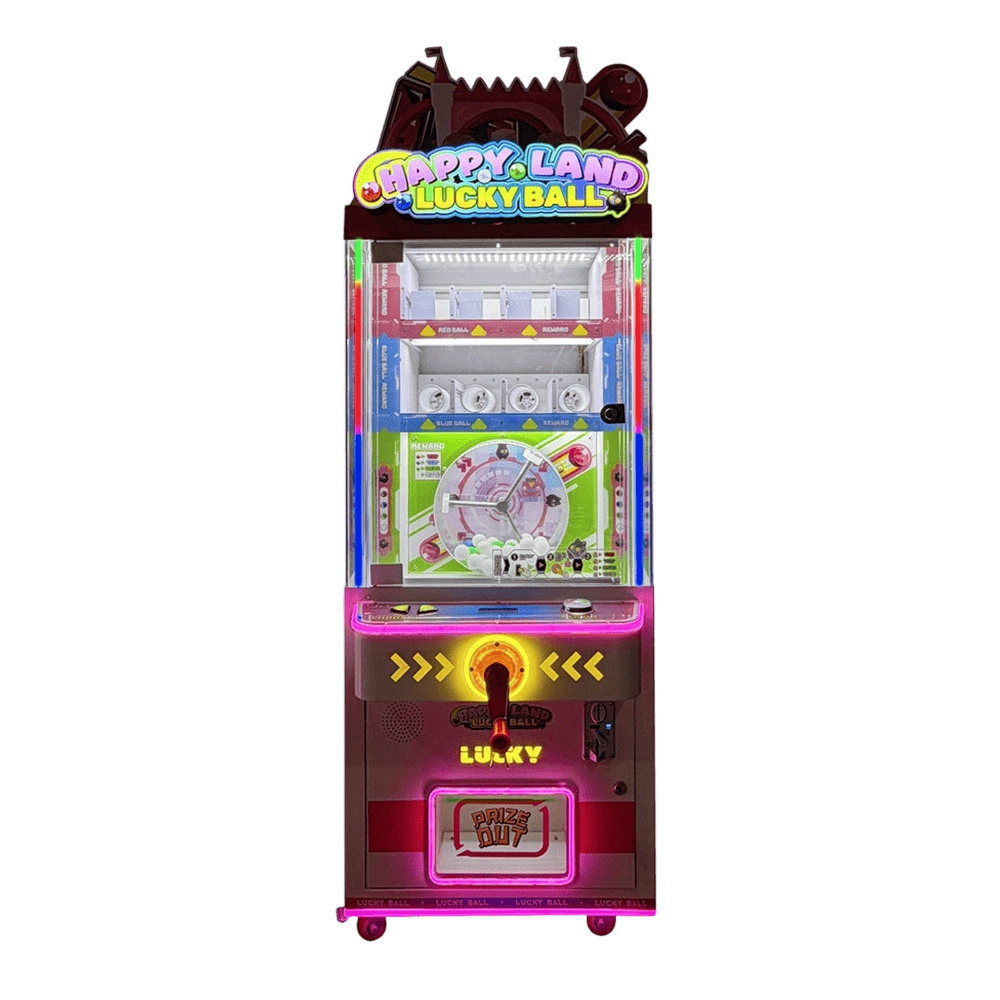
Coin Operated/Card Payment Lucky Ball Vending Toy Gift Arcade Game Machine
Coin Operated/Card Payment 2 Players SPIN ORBIT Lucky Prize Arcade Game
Coin Operated/Card Payment SPIN ORBIT Lucky Prize Arcade Game
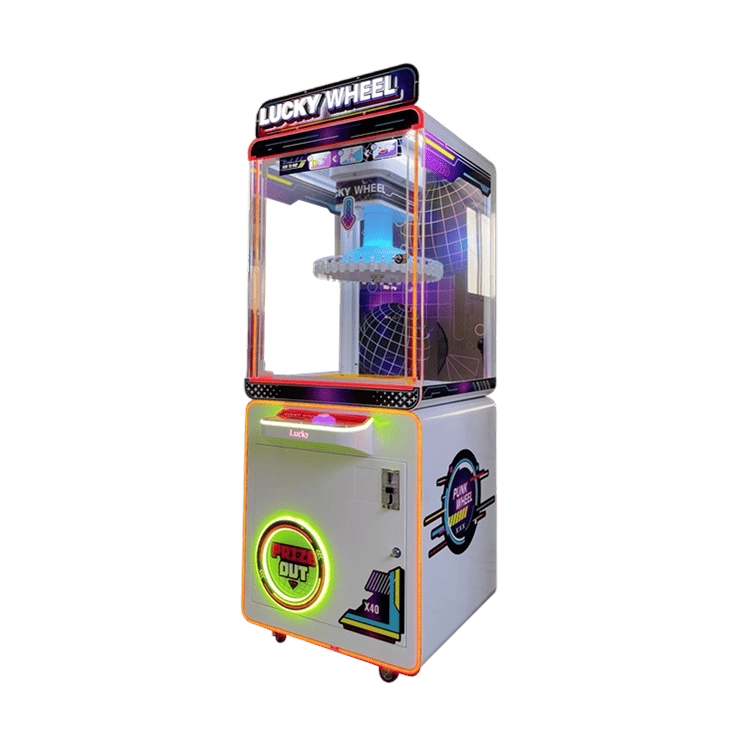
Arcade Prize Lucky Wheel Gift Machine For Amusement Areas
Get in Touch with Jiami Games
If you have any comments or good suggestions, please leave us a message; later our professional staff will contact you as soon as possible.

Innovative Entertainment, at Your Fingertips
Learn about Jiami Games and explore our expertise in console development, innovative design, and global markets.
Quick Links:
© 2026 Jiami Games.
Whatsapp: +8618520390438