






The Ultimate Guide to Buying Coin Operated Game Machines: Profit Secrets & Best Models for 2026

- Key Takeaways: Quick Summary for Operators
- What is a coin-operated game machine?
- Profit Secrets: Maximizing ROI per Square Foot
- Types of Coin-Operated Machines for 2026
- New vs. Refurbished: Making the Right Investment
- Top-Rated Coin-Operated Models for 2026
- Maintenance, Licensing, and Operations
- Conclusion
- FAQ
- Are coin-operated machines still profitable in 2026?
- How much does a commercial arcade machine cost?
- What is the difference between redemption and video arcade games?
- Do I need a license to operate arcade machines?
- How much electricity does an arcade machine use?
- Can I buy a commercial coin-op machine for my home?
- What are the best coin-operated games for bars?
- How do I maintain a coin-operated machine?
Key Takeaways: Quick Summary for Operators
To succeed in the modern arcade business, you must focus on high-traffic placement and a mix of redemption and video content. This section outlines the critical factors that determine immediate profitability for new operators.
- Profit Leaders: Redemption and prize merchandisers are the top-grossing categories for 2026.
- Durability Matters: Commercial arcade cabinets are built for 24/7 abuse, unlike standard home units.
- Location Strategy: High-footfall zones in malls and bars drastically outperform quiet corners.
- ROI Timeline: Expect a Break-Even Point (BEP) within 6 to 18 months for high-quality amusement vending equipment.
What is a coin-operated game machine?
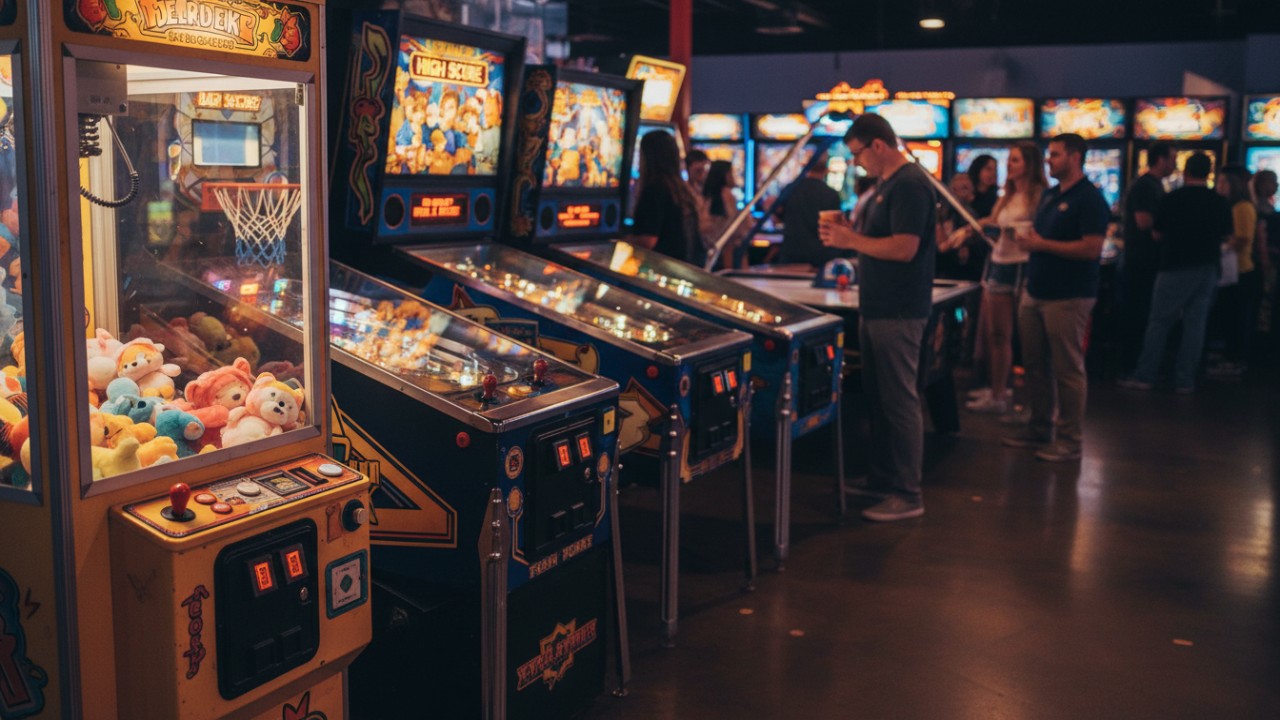
A coin-operated game machine is a specialized entertainment device configured to activate upon the insertion of currency, tokens, or digital credits, primarily used in public venues to generate revenue. These machines range from mechanical claws to complex digital simulators designed for high-frequency play.
Historically, these devices have evolved from simple mechanical slots to immersive VR experiences. As defined by Wikipedia, these machines are distinct from consumer consoles because they are engineered for public businesses like restaurants, bars, and amusement arcades. Understanding the distinction between "Amusement Only" (video games) and "Merchandising/Redemption" (ticket games) is vital for your coin-op business strategy, as they serve different customer psychologies.
Profit Secrets: Maximizing ROI per Square Foot
The secret to maximizing return on investment (ROI) lies in optimizing your 'win rate' settings and integrating modern payment solutions. Operators must actively manage the payout percentages of redemption game suppliers' equipment to balance player satisfaction with profit margins.
- Win Rate Settings: For claw machines, a payout rate of 30-40% typically encourages repeat play while ensuring profitability.
- Cashless Revolution: Industry data suggests that integrating card readers can boost revenue by 20-30% compared to coin-only operation.
- Break-Even Analysis: Calculate your BEP by dividing the machine cost by your average daily net win (revenue - prizes).
- The 40/40/20 Rule: A balanced floor mix often consists of 40% redemption, 40% merchandisers, and 20% video games.
According to recent market analysis by Research and Markets, the global arcade gaming market is projected to grow steadily through 2026, driven largely by the convergence of digital payment systems and immersive gaming experiences. Leveraging arcade machine revenue ROI calculations is essential to capturing this growth.
Types of Coin-Operated Machines for 2026
The 2026 market is dominated by machines that offer tangible rewards or social competitive experiences. Choosing the right category depends entirely on your venue's demographic and dwell time.
- Redemption & Merchandisers: These include claw cranes and coin pushers. Manufacturers like Jiami Games specialize in these high-repeat-value machines, producing over 20,000 units monthly to meet global demand.
- Video Arcade Cabinets: Ranging from retro multicades to modern shooters, these are essential for "Amusement Only" zones.
- Sports & Simulation: Air hockey, basketball hoops, and golf simulators provide active engagement for groups.
- Pinball Machines: The "Silverball" has seen a massive resurgence in barcades and adult-focused venues.
- Immersive VR Kiosks: High-ticket attractions that command a higher price per play due to their novelty.
New vs. Refurbished: Making the Right Investment
Investing in factory-new equipment guarantees warranty support and modern component reliability, whereas used gear carries higher maintenance risks. While refurbished units save upfront capital, they often lack the advanced features of 2026 models.
Pros of Buying New:
- Warranty & Support: Companies like Guangzhou Jiami Games Technology Co., Ltd. provide critical after-sales support and repair advice.
- Appeal: New LED lighting and pristine cabinets attract more casual players.
- Technology: New units come pre-equipped for card readers and remote monitoring.
Risks of Use:
- Hidden Wear: CRT monitors and coin mechs often require immediate replacement.
- Source Reliability: Buying from auction sites like eBay is riskier than purchasing from authorized distributors.
- Obsolescence: Older boards may not support modern revenue tracking software.
Top-Rated Coin-Operated Models for 2026
The highest-rated models for 2026 combine addictive gameplay with low maintenance requirements and high visual appeal. Operators should select models that fit the specific "vibe" of their location.
- Best for Bars/Pubs: Golden Tee PGA TOUR and the latest Stern Pinball releases are staples for adult environments.
- Best for FECs: Large-scale giant crane machines and VR Rabbids kiosks draw families and groups.
- Best for Lobbies: Compact plush claw machines from Jiami Games are perfect for maximizing small footprints.
- Emerging Tech: AI-driven games that adjust difficulty in real-time to keep players engaged longer.
Maintenance, Licensing, and Operations
Routine maintenance and strict adherence to local licensing laws are the backbone of a long-term sustainable arcade business. Neglecting sensors or legal permits can lead to immediate revenue loss or equipment seizure.
- Routine Schedules: Clean coin mechanisms and buttons weekly. Jiami Games advises regular checks on sensor alignment for prize machines to prevent payout errors.
- Legal Landscape: Differentiate between "skill-based" and "chance-based" permits. Organizations like the AAMA (American Amusement Machine Association) provide resources on industry standards and advocacy.
- Revenue Sharing: This model minimizes risk by splitting profits (typically 50/50) with a vendor, though owning outright yields higher long-term ROI.
- Partnering: Work with manufacturers who offer accessory supplies to ensure zero downtime.
Conclusion
To maximize profitability in 2026, operators must combine strategic machine selection with modern cashless technology and rigorous maintenance protocols. The arcade industry remains a lucrative sector for those who understand the balance between entertainment value and operational efficiency. By leveraging experienced manufacturers like Jiami Games and staying compliant with local regulations, you can build a thriving location-based entertainment business.
Contact us today to optimize your coin-op business strategy and select the perfect machines for your venue.
FAQ
Are coin-operated machines still profitable in 2026?
Yes, specifically redemption and prize-based machines remain highly profitable. Industry data indicates that profitability is increased by roughly 25% when using cashless card readers, as they encourage impulse spending. Additionally, nostalgia and social gaming trends keep video arcades viable in bars and Family Entertainment Centers (FECs).
How much does a commercial arcade machine cost?
Commercial machine prices vary widely by type. Entry-level classic multicades typically range from $2,500 to $4,500. High-end racing or shooting simulators can cost between $8,000 and $20,000+. Redemption and claw machines generally fall in the $3,000 to $8,000 range, depending on their size and technology integration.
What is the difference between redemption and video arcade games?
The primary difference lies in the reward system. Redemption games dispense tickets or prizes and operate on a mix of skill and chance, whereas video arcade games are for amusement only and rely purely on skill-based entertainment. Generally, redemption games generate higher gross revenue per square foot due to the tangible reward incentive.
Do I need a license to operate arcade machines?
Yes, in most cases. Most jurisdictions require a generic "amusement device" decal or permit for each machine. However, strict laws apply to the distinction between a "game of chance" and a "game of skill," especially for prize machines. You must always consult your local municipal codes regarding coin-operated taxes and zoning.
How much electricity does an arcade machine use?
Modern arcade machines are relatively energy-efficient. LED and LCD-based units typically consume between 100 and 200 watts. In contrast, older machines with CRT monitors consume more power and generate significant heat. On average, running a modern machine for 12 hours a day costs approximately $5 to $15 per month in electricity.
Can I buy a commercial coin-op machine for my home?
Yes, most major distributors and manufacturers sell directly to residential buyers. While commercial arcade cabinets are more durable, they are also significantly heavier and more expensive than specific "home" versions. Many commercial units feature a "Free Play" setting specifically for home use.
What are the best coin-operated games for bars?
For bar environments, games that support social interaction and one-handed play (to hold a drink) are best. Top performers include Golden Tee Golf, digital jukeboxes, electronic dart boards, and modern pinball machines from manufacturers like Stern or Jersey Jack.
How do I maintain a coin-operated machine?
Maintenance involves regular cleaning and inspection. You should keep coin mechanisms free of dust and debris and clean buttons and joysticks with non-abrasive cleaners weekly. It is also critical to check ventilation fans to prevent overheating and empty cash boxes regularly to prevent coin jams.
Coin Slot vs Cashless Slot Machines: Which to Buy for Arcades
Cost vs ROI: Selecting Profitable Prize Dispenser Machines
Sourcing Reliable Manufacturers of Redemption Games
Top 10 shooting arcade game machine Manufacturers and Supplier Brands in 2026
FAQs
How does Jiami Games ensure product quality?
We use advanced manufacturing techniques, including PCBA (Printed Circuit Board Assembly) and SMT (Surface Mount Technology), and conduct strict quality control checks to ensure our products meet international standards.
What is the minimum order quantity (MOQ)?
The minimum order quantity for our arcade machines is 1 piece. Larger orders qualify for additional customization options.
What is the gameplay of the SPIN ORBIT Lucky Prize Arcade Game?
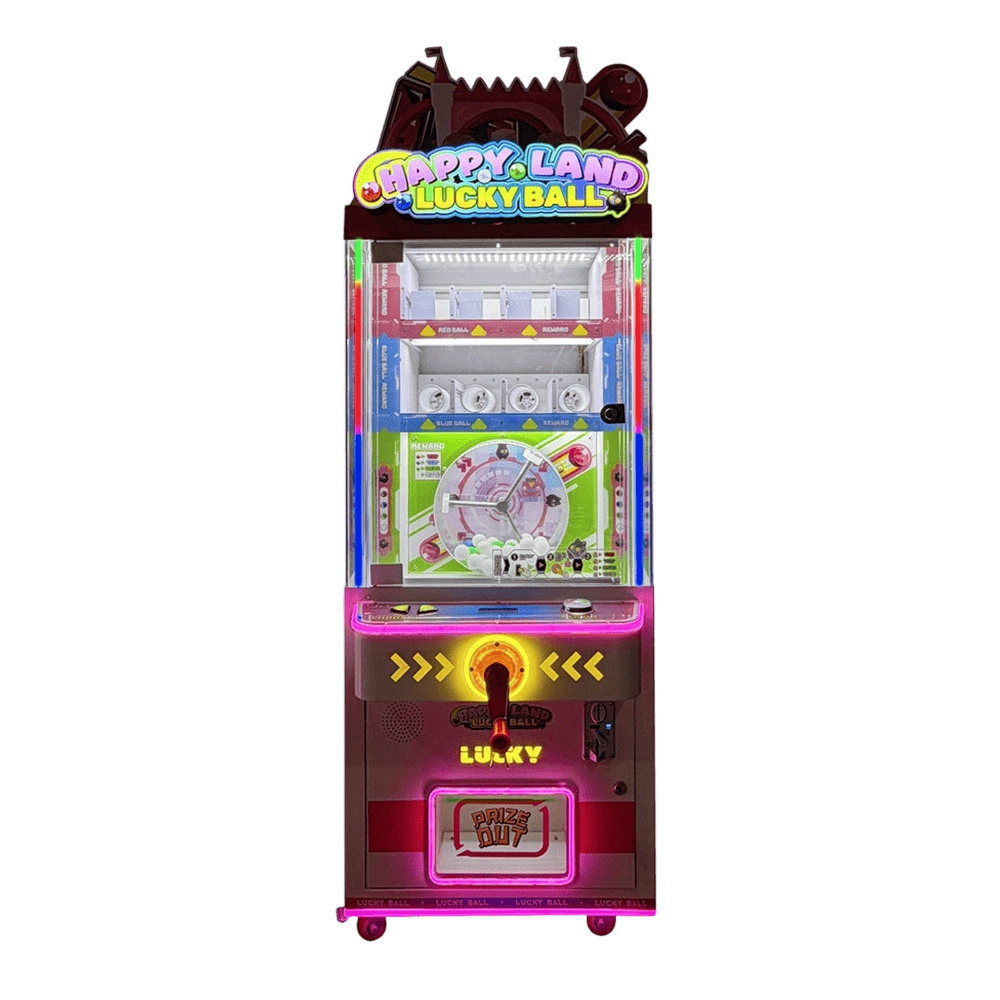
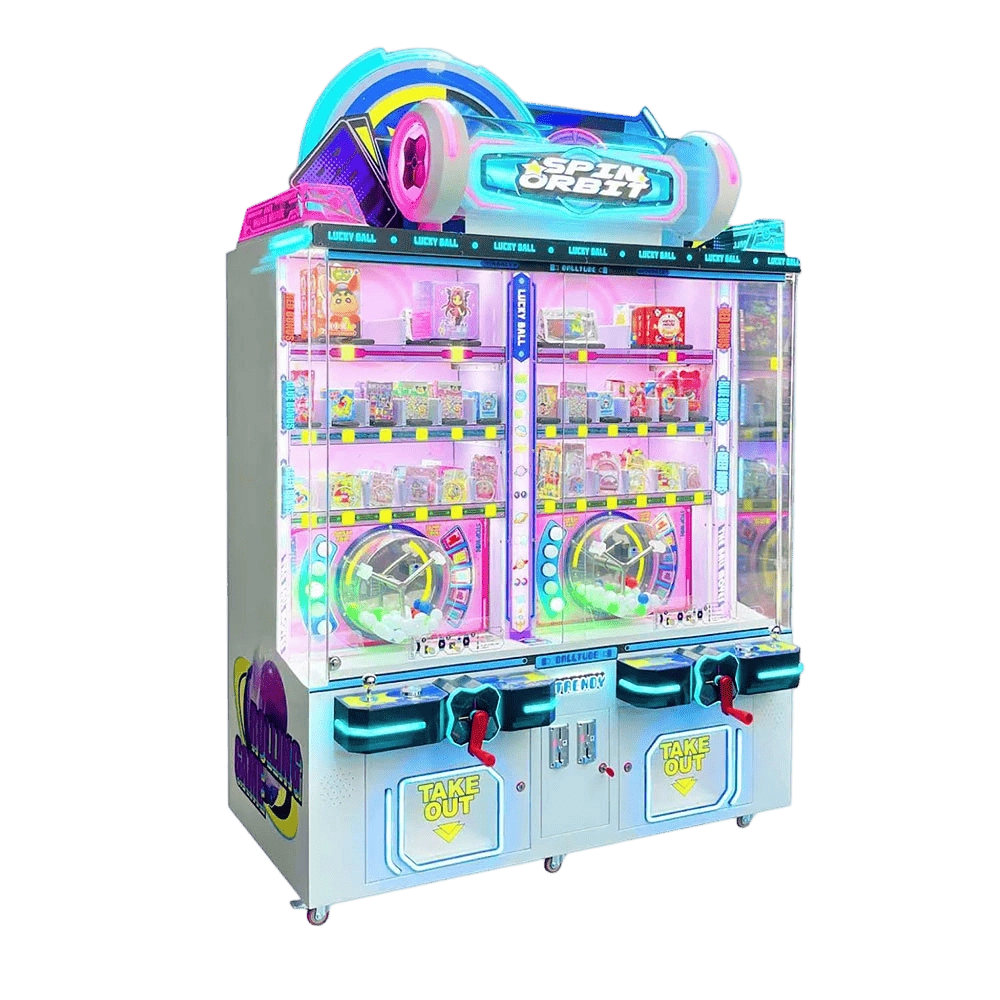
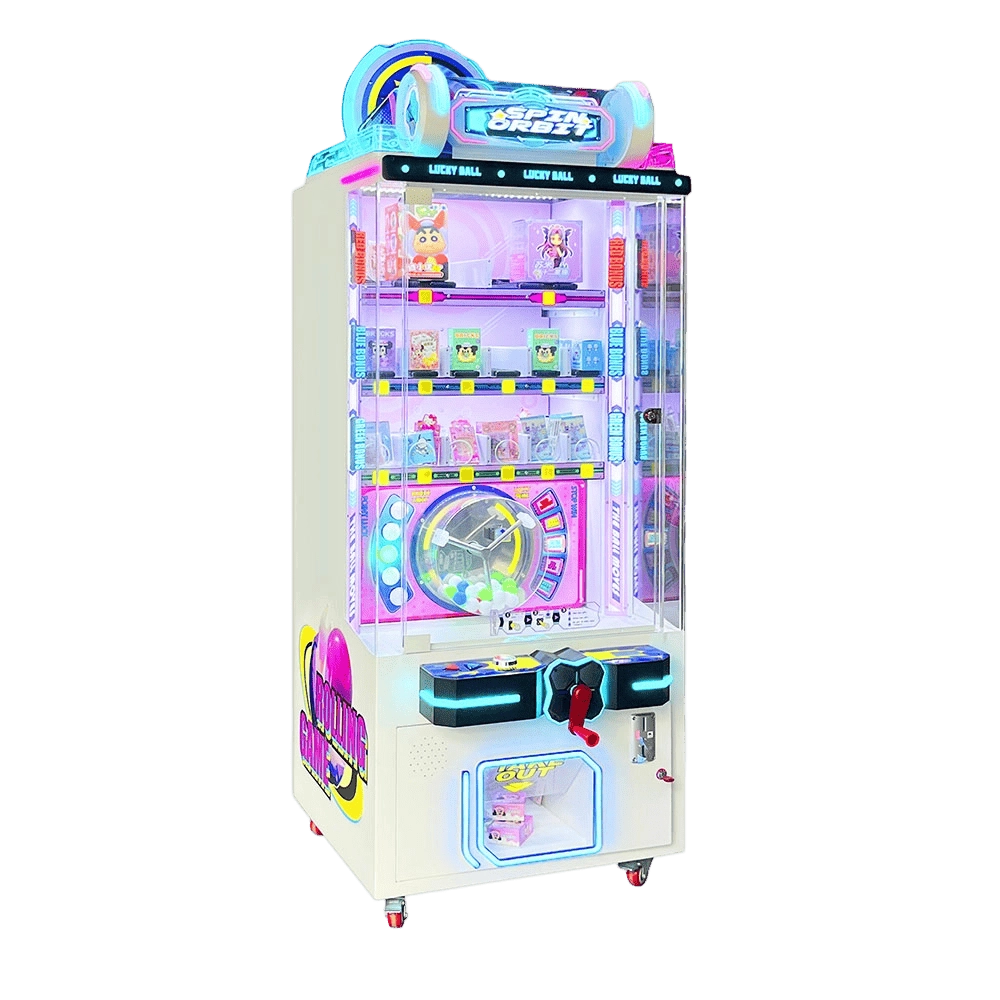
Players use the joystick to guide the ball into a designated hole. Each color ball corresponds to different prize values: red for the highest, blue and green for mid-range prizes, and white for no prize.
How can I customize the game machine?
Customization options include machine title writings, stickers, console designs, and even full personalization of machine body color, music, lights, and language, based on order quantities.
What types of customers does Jiami Games serve?
We serve a wide range of clients, including entertainment centers, shopping malls, theme parks, family entertainment venues, and arcade operators worldwide.
You May Also Like
Coin Operated/Card Payment Lucky Ball Vending Toy Gift Arcade Game Machine
Coin Operated/Card Payment 2 Players SPIN ORBIT Lucky Prize Arcade Game
Coin Operated/Card Payment SPIN ORBIT Lucky Prize Arcade Game
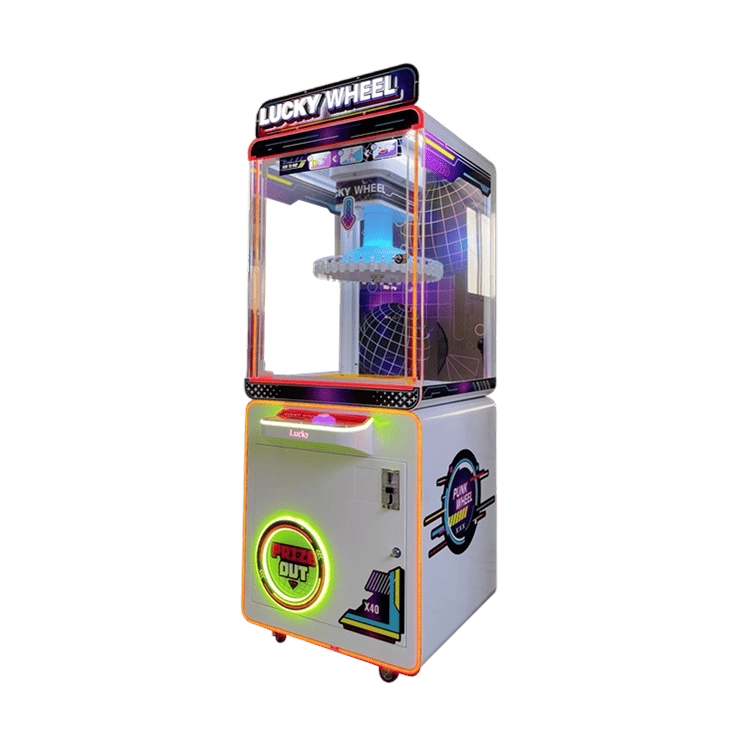
Arcade Prize Lucky Wheel Gift Machine For Amusement Areas
Get in Touch with Jiami Games
If you have any comments or good suggestions, please leave us a message; later our professional staff will contact you as soon as possible.

Innovative Entertainment, at Your Fingertips
Learn about Jiami Games and explore our expertise in console development, innovative design, and global markets.
Quick Links:
© 2026 Jiami Games.
Whatsapp: +8618520390438