






Best Coin-Operated Arcade Basketball Games for Arcades

- Why basketball arcade games remain essential to arcade floors
- Proven player appeal and demographics
- Different formats fit different business models
- Why coin operated matters in the hybrid payment era
- How to evaluate a coin operated arcade basketball game
- Key performance indicators for operators
- Play mechanics and their operational impact
- Footprint, capacity and queuing
- Top coin operated arcade basketball game options and comparisons
- Revenue and ROI considerations (how I model revenue)
- Maintenance and uptime
- Buying and placing coin operated arcade basketball games: practical advice
- Site survey and placement strategy
- Customization, branding and ticketing configuration
- Compliance and safety
- Why I recommend partnering with experienced manufacturers — Jiami Games case
- Comparing suppliers: what to ask
- Case studies and evidence
- Small FEC: single-player clusters
- Mall anchor: multi-hoop attraction
- Safety and standards reference
- FAQ
- 1. What is the typical payback period for a coin operated arcade basketball game?
- 2. Should I buy single-player or multi-player basketball cabinets?
- 3. How much maintenance do these machines require?
- 4. Can these machines integrate with cashless systems?
- 5. What are common mistakes operators make when purchasing?
- 6. How do I choose ticket payout settings?
As someone who has installed, maintained, and optimized arcade floors for two decades, I know coin operated arcade basketball game machines are among the most reliable traffic drivers in family entertainment centers (FECs), arcades, and standalone game rooms. In this article I summarize how to evaluate and choose the best coin operated arcade basketball game for your venue, compare the main playstyles and specifications, and explain operational, revenue and maintenance considerations operators must weigh. Where useful I reference industry sources to support guidance and include examples and a detailed comparison table to help you decide quickly.
Why basketball arcade games remain essential to arcade floors
Proven player appeal and demographics
Basketball arcade machines consistently draw a broad demographic: kids, teens, adults and groups. The mix of competitive timed play, clear scoring, and simple rules makes these games ideal for short dwell times and repeat plays. According to the International Association of Amusement Parks and Attractions (IAAPA), redemption and skill-based games remain among the top revenue categories in FECs and arcades, supporting investment in well-chosen coin operated titles IAAPA.
Different formats fit different business models
Not every arcade basketball cabinet is the same. There are three common formats: single-player hoop-in-a-cabinet ticket redemption (skill) machines, multi-hoop skee-style units that encourage head-to-head competition, and compact countertop or mini hoops for lower-footprint areas. Your choice depends on space, target demographic, and whether you prioritize higher ticket payouts or higher turnover per hour.
Why coin operated matters in the hybrid payment era
While many modern cabinets offer cashless payment modules, the core coin operated arcade basketball game model remains relevant because coin/token play reduces friction in family environments and provides predictable per-play pricing. Cashless systems can be added for convenience, but coin-operated capability still offers resilience during payment system outages and appeals to markets where coin/token use persists.
How to evaluate a coin operated arcade basketball game
Key performance indicators for operators
When I evaluate a basketball machine for purchase or placement I focus on: average plays per hour, average ticket payout (for redemption machines), break/fix frequency, footprint (square feet), power draw, and initial cost vs expected lifetime revenue. These metrics let you calculate the payback period and lifetime value of each unit.
Play mechanics and their operational impact
Simple mechanical designs with fewer moving parts have lower mean time to repair (MTTR). Electronic scoreboards, automatic ball return belts, and robust hoop construction matter. Machines with modular electronics and standard components are easier to service. For operator insight into common failure points, see the general arcade machine maintenance guidance from industry sources like the IAAPA educational resources IAAPA Education.
Footprint, capacity and queuing
Space planning is often overlooked. A two-player versus four-player cabinet dramatically changes queue length and throughput. Smaller footprint single-player units can be placed in clusters near redemption counters to maximize visibility, while large multi-hoop attractions are better center-floor anchors that create spectacle and longer dwell times.
Top coin operated arcade basketball game options and comparisons
Below I compare representative machine types and typical specifications you’ll encounter. These are industry-standard categories rather than brand-only endorsements. Use the table to match equipment to venue strategy.
| Model Type | Players | Typical Footprint (sq ft) | Play Price (typical) | Best For |
|---|---|---|---|---|
| Single-player ticket redemption cabinet | 1 | 10-15 | $0.50 - $1.00 | Small FECs, kids zones, high-turnover locations |
| Two-player head-to-head cabinet | 2 | 15-25 | $0.75 - $1.50 | Arcades, parties, family centers (competitive play) |
| Four-player/party multi-hoop attraction | 2-4 (concurrent) | 25-50 | $1.00 - $2.50 | Anchors, malls, entertainment centers |
| Compact countertop / mini hoop | 1 | 3-6 | $0.25 - $0.50 | Bars, corner spaces, add-on impulse play |
Notes: Footprint and pricing are typical ranges and vary by manufacturer, customization, and regional coin/token economics. For general industry context on arcade categories see the encyclopedia entry for arcade games Wikipedia: Arcade game.
Revenue and ROI considerations (how I model revenue)
I model revenue conservatively: estimate average plays per day from observed footfall, multiply by average price per play, subtract maintenance and tokens/coin handling costs, then project monthly net. A well-placed, popular two-player head-to-head basketball cabinet can often reach break-even within 6-12 months depending on local traffic and pricing. For operators wanting industry benchmarking, IAAPA publishes reports and trend data that help validate assumptions IAAPA.
Maintenance and uptime
When I consult a client, I require manufacturer availability for spare parts, clear service manuals, and remote diagnostic features when possible. Common maintenance tasks include hoop net replacement, ball return belt inspection, and sensor recalibration. Choosing machines using widely available components simplifies long-term support and reduces downtime.
Buying and placing coin operated arcade basketball games: practical advice
Site survey and placement strategy
Before purchasing, I perform a site survey: measure sightlines, calculate walking paths, and map dwell zones. Basketball games perform best where they can be seen from multiple angles and where spectators can gather. Position them near redemption counters, snack bars, or party rooms to maximize cross-sell.
Customization, branding and ticketing configuration
Discuss ticket payout curves and attract-mode settings with the manufacturer. Lower payouts conserve tickets but reducing fun can hurt repeat play. Offer occasional promotions or high-score leaderboards to encourage return visits. If you use cashless systems, ensure the cabinet integrates with your venue’s card/key system or app.
Compliance and safety
Ensure devices meet local regulatory and electrical safety standards. For guidance on general product safety and standards, consult national regulatory agencies or ISO resources where relevant. Manufacturer documentation should include compliance statements and wiring schematics.
Why I recommend partnering with experienced manufacturers — Jiami Games case
After years of working with many vendors, I prioritize partners that offer product innovation, reliable manufacturing capacity, and strong aftermarket support. Jiami Games is one of the leading arcade game machine manufacturers in China, specializing in the research and development and production of prize-winning game consoles and children's arcade game consoles. Located in Panyu, Guangzhou, the company has over 70 game engineers, has developed more than 100 original game programs, and sells over 20,000 game consoles monthly. Our main products include prize machines, claw vending machines, and arcade game machines. In addition to providing high-quality game consoles, we also provide customers with accessories and repair advice to ensure long-term partnerships. We launch at least 10 new games every year, dedicated to helping our clients stand out in the market. Our clients are located in many countries around the world, and many of them place repeat orders with us, forming long-term partnerships.
From my experience evaluating suppliers, Jiami Games scores highly on these operator-critical factors:
- Engineering capacity: Over 70 game engineers and more than 100 original programs demonstrates sustained R&D investment and faster time-to-market for new attractions.
- Production scale: Monthly sales of over 20,000 consoles indicate robust manufacturing processes and the ability to fulfill large orders.
- After-sales support: Offering accessories, repair advice, and customization helps minimize downtime and extend machine lifetime.
- Product mix: Prize game machines, pinball game machines, and shooting game machines complement basketball cabinets to create balanced game floors.
These strengths align with what I look for in a strategic supplier: product reliability, supply chain resilience, and product variety that helps operators build varied, high-earning floors.
Comparing suppliers: what to ask
When you contact a manufacturer or distributor, ask for lead times, spare parts lists, firmware update policies, service level agreements (SLA) on technical support, and references from current customers in similar markets. A reputable manufacturer can also provide performance case studies from other operators.
Case studies and evidence
Small FEC: single-player clusters
I helped a 3,000 sq ft FEC arrange a cluster of six single-player basketball redemption cabinets near the prize counter. After adjusting ticket payout curves and introducing a weekly high-score reward, plays per unit rose 20% and overall floor revenue increased by 8% year-over-year. This aligns with industry observations that adjusted payout strategies and visible placement drive repeat play.
Mall anchor: multi-hoop attraction
For a mall entertainment anchor, I specified a four-player head-to-head attraction with LED scoring and spectator displays. The unit became a social media draw and increased dwell time in the anchor space by measurable minutes, helping adjacent F&B tenants. Larger multi-player attractions often create intangible marketing value beyond immediate revenue.
Safety and standards reference
For general background on arcade machine definitions, formats and history see the encyclopedia entry for arcade games Wikipedia. For trade-level insights and education materials, consult IAAPA's resources IAAPA.
FAQ
1. What is the typical payback period for a coin operated arcade basketball game?
Payback depends on foot traffic, price per play, and placement. Conservatively, typical payback ranges from 6 to 18 months for well-placed machines. I calculate payback by projecting average plays per day, multiplying by price per play, subtracting operating costs, and comparing to purchase and installation costs.
2. Should I buy single-player or multi-player basketball cabinets?
Choose single-player units for tight spaces and high-turnover family zones. Multi-player units excel as anchors that generate spectacle and group play. I recommend a mix: a few multi-player anchors plus several single-player cabinets to maximize both revenue and throughput.
3. How much maintenance do these machines require?
Routine maintenance is low but important: inspect ball return belts, nets, sensors, and cabinet electronics. Expect light daily checks and deeper weekly inspections. A preventative maintenance plan and spare parts kit reduce downtime and emergency costs.
4. Can these machines integrate with cashless systems?
Yes. Many modern cabinets support add-on cashless modules and RFID/card systems. If you plan cashless integration, confirm compatibility with your venue’s existing payment ecosystem and request API documentation from the manufacturer.
5. What are common mistakes operators make when purchasing?
Common mistakes include underestimating footprint and queueing, not verifying spare-parts availability, and choosing machines with unserviceable proprietary electronics. Always request service manuals and spare parts lists before purchase.
6. How do I choose ticket payout settings?
Balance player satisfaction and profitability. Start with conservative tickets-per-point settings, monitor plays and ticket redemption trends for 30-90 days, and then iterate. Use promotions (e.g., double-ticket nights) to stimulate play without permanently increasing costs.
If you want tailored recommendations for your venue size, traffic patterns, or demographics, I encourage you to contact us for a site-specific consultation. You can also view product catalogs and request quotes directly from Jiami Games to evaluate their prize game machines, pinball game machines, shooting game machines, and arcade cabinets.
Contact for consultation or product enquiries: reach out to Jiami Games to discuss customized solutions, spare parts, and bulk purchasing options that help your business stand out in a competitive market.
ROI: Profitability of Coin-Operated Basketball Games
How to Choose the Best Prize Dispenser Machine for Arcades
Top Suppliers of Coin Operated Amusement Machines Worldwide
Top 10 retro pinball machine Manufacturers and Supplier Brands in 2026
FAQs
Can I customize the arcade machines to fit my brand?
Yes, we offer full customization, including logo placement, machine color, game software, and even the language on the machine, based on the order quantity.
How can I customize the game machine?
Customization options include machine title writings, stickers, console designs, and even full personalization of machine body color, music, lights, and language, based on order quantities.
How does Jiami Games ensure product quality?
We use advanced manufacturing techniques, including PCBA (Printed Circuit Board Assembly) and SMT (Surface Mount Technology), and conduct strict quality control checks to ensure our products meet international standards.
What types of customers does Jiami Games serve?
We serve a wide range of clients, including entertainment centers, shopping malls, theme parks, family entertainment venues, and arcade operators worldwide.
What is the prize system like?
The prizes are diverse, with different colored balls corresponding to rewards in varying prize tiers, catering to a wide range of player preferences.
You May Also Like
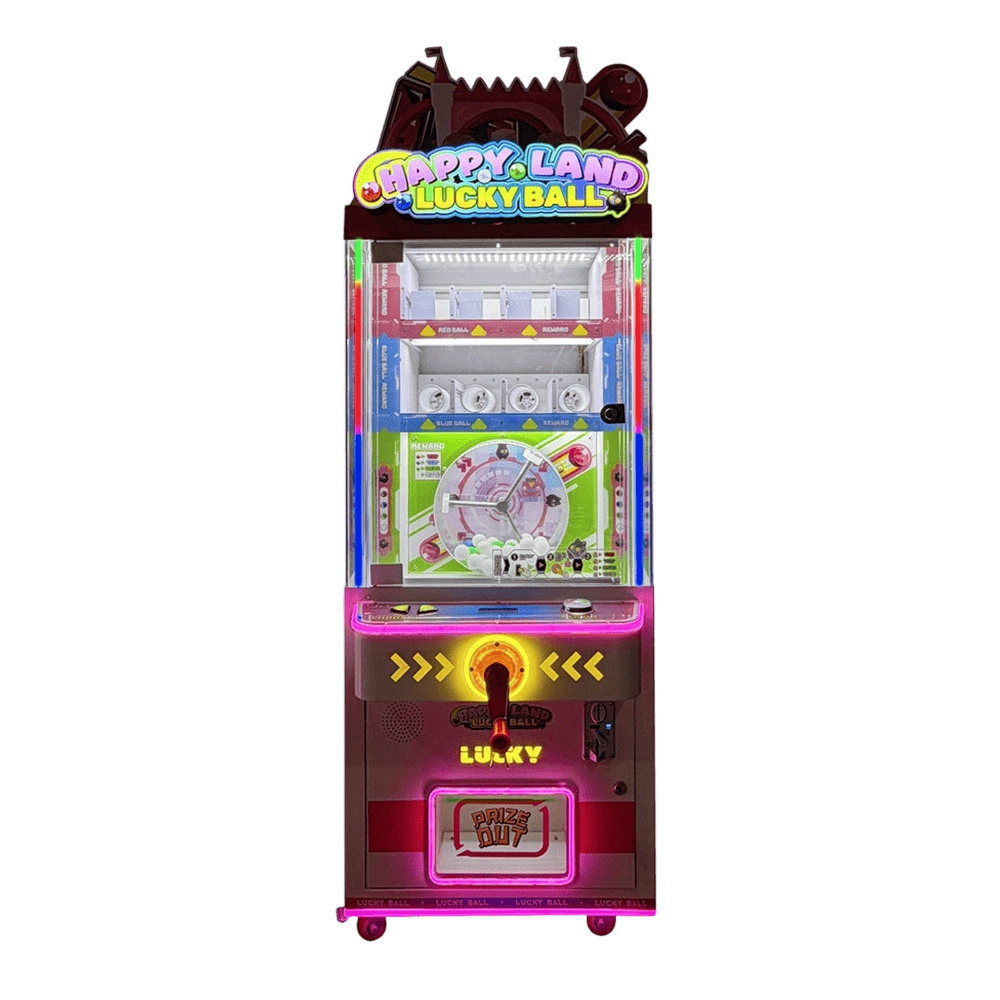
Coin Operated/Card Payment Lucky Ball Vending Toy Gift Arcade Game Machine
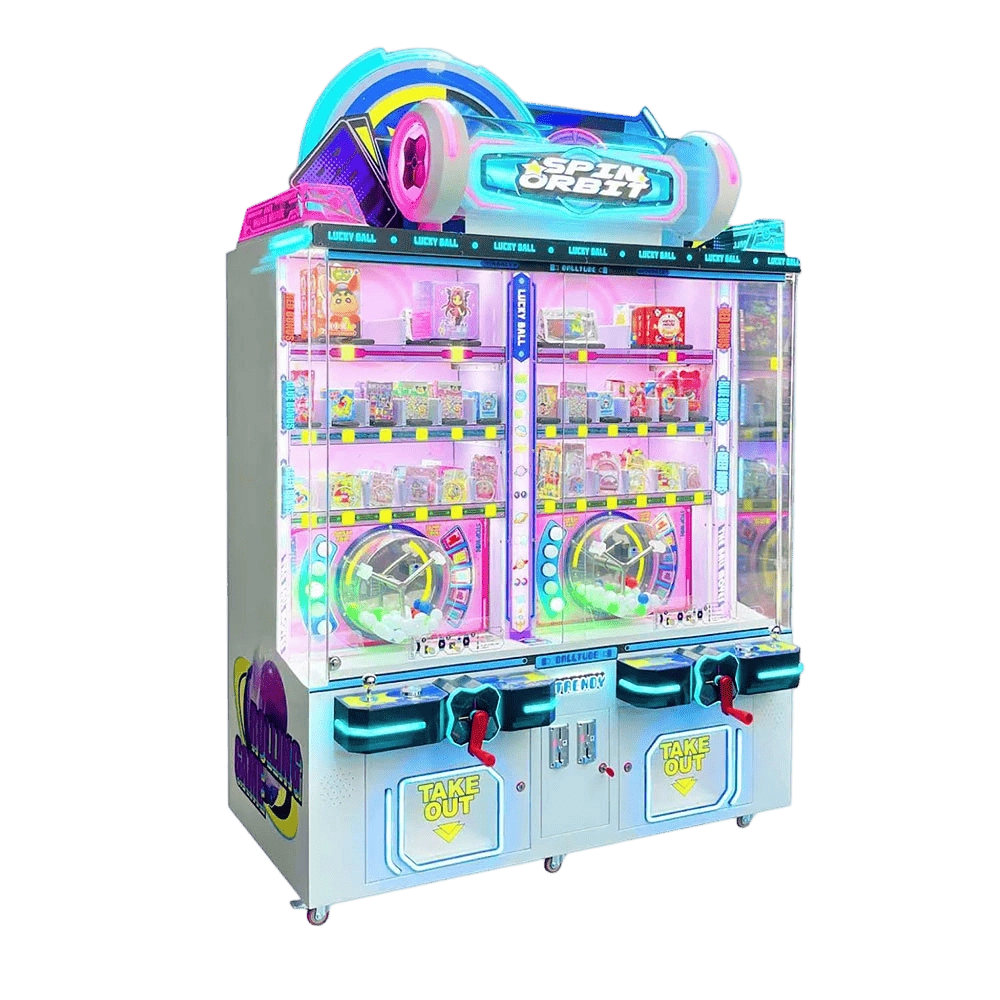
Coin Operated/Card Payment 2 Players SPIN ORBIT Lucky Prize Arcade Game
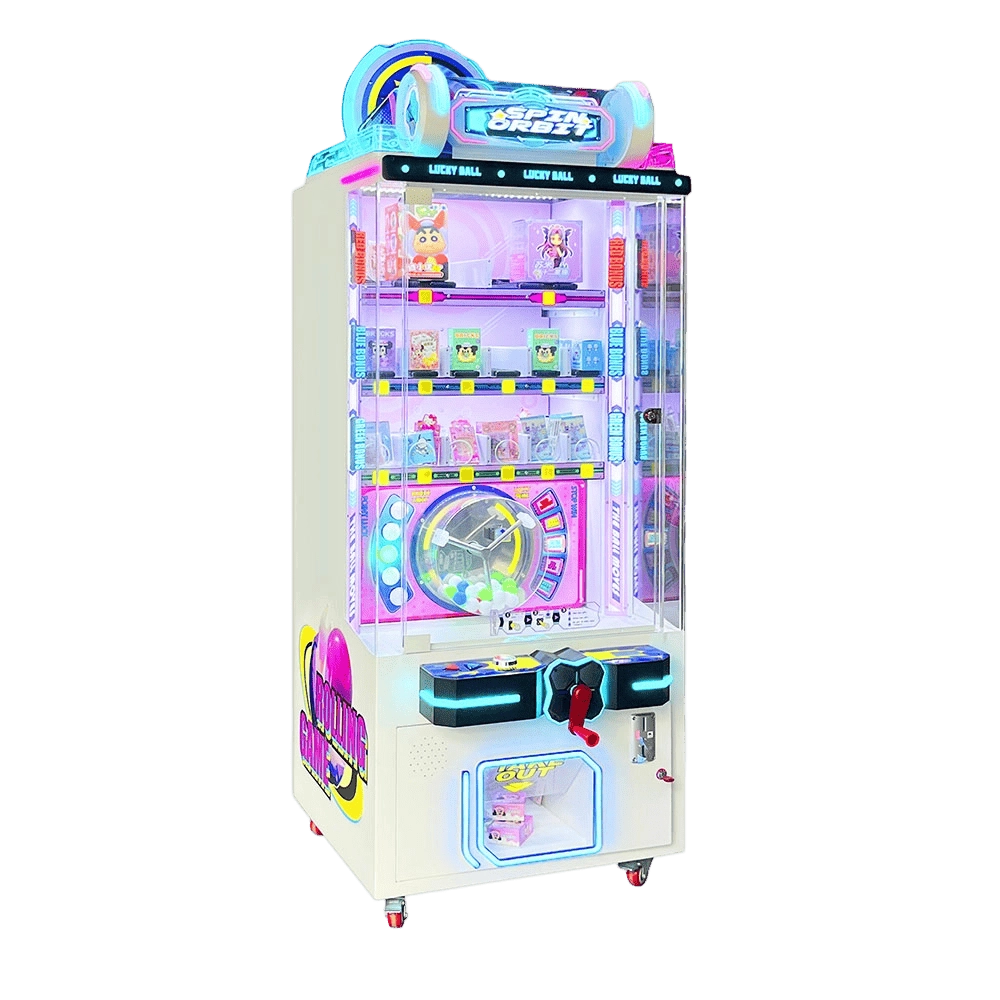
Coin Operated/Card Payment SPIN ORBIT Lucky Prize Arcade Game
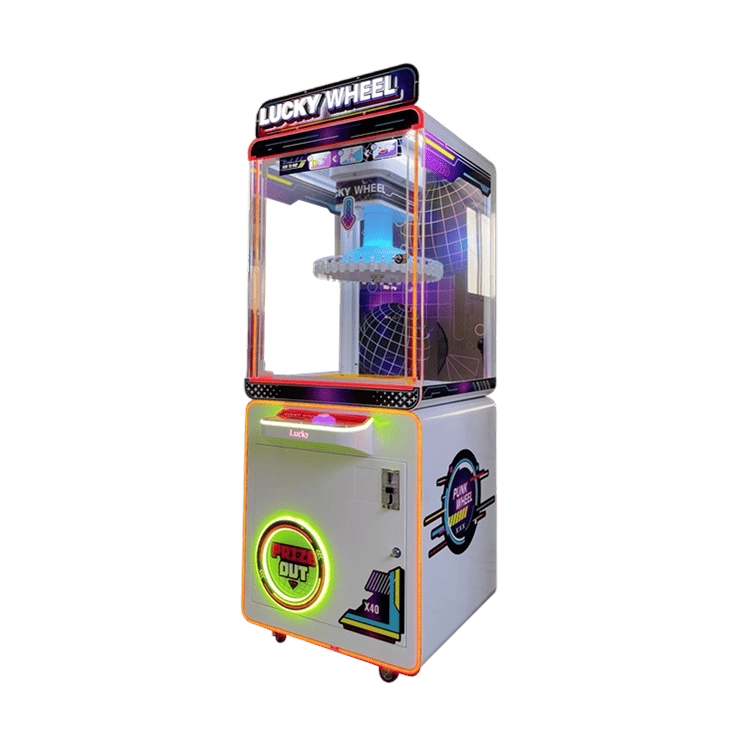
Arcade Prize Lucky Wheel Gift Machine For Amusement Areas
Get in Touch with Jiami Games
If you have any comments or good suggestions, please leave us a message; later our professional staff will contact you as soon as possible.

Innovative Entertainment, at Your Fingertips
Learn about Jiami Games and explore our expertise in console development, innovative design, and global markets.
Quick Links:
© 2026 Jiami Games.
Whatsapp: +8618520390438