






The Ultimate Guide to Coin Operated Redemption Games: Maximize Your Arcade's ROI in 2026

- What Are Coin Operated Redemption Prize Winning Games?
- Key Takeaways: Winning the Arcade Redemption Market
- Types of High-ROI Redemption Games Explained
- Player Psychology: Why Redemption Drives Massive Revenue
- Expert Tips: Optimizing Payout Rates and Floor Layout
- Common Mistakes New Arcade Operators Make
- Future Trends: Cashless Systems and Smart Arcades in 2026
- Case Study: Scaling Revenue with Industry-Leading Solutions
- Conclusion
- How profitable are coin-operated redemption games?
- What is the difference between ticket redemption and prize merchandisers?
- How do you calculate the payout percentage for arcade games?
- Are skill-based redemption games considered gambling?
- How often should arcade prizes be rotated?
- Can older coin-operated machines be converted to cashless systems?
- What are the best-performing redemption games for family entertainment centers?
- What is the ideal floor layout for redemption machines?
The arcade industry is undergoing a massive financial transformation in 2026, driven by advanced technology and data-backed operational strategies. As a crucial cornerstone of this evolution, arcade ticket redemption machines continue to generate the vast majority of venue profits. For operators looking to capture Position Zero in their local market, understanding the mechanics, psychology, and optimal management of these systems is no longer optional—it is mandatory. This ultimate guide will break down exactly how you can maximize your arcade's return on investment by mastering redemption operations, avoiding common pitfalls, and embracing the future of cashless entertainment.
What Are Coin Operated Redemption Prize Winning Games?
Coin-operated redemption games are commercial arcade machines that reward players with tickets or direct merchandise based on their gameplay performance and skill level, serving as the primary revenue drivers for modern entertainment venues by incentivizing continuous repeat play.
Since the early days of midway attractions, the concept of winning a tangible reward has captivated audiences. Today, highly sophisticated electronic machines represent the backbone of the global amusement industry. They operate on a simple but highly effective loop: the player inserts a payment, uses their physical coordination or timing to achieve a score, and receives a proportionate reward. This dynamic is formally recognized across the industry, as defined by Wikipedia, which notes that these are typically games of skill that reward the player proportionally, allowing tickets to be redeemed at a central location for prizes.
- A Spectrum of Entertainment: Ranging from classic mechanical coin pushers to giant plush claw machines and highly interactive digital video redemption units, these systems offer something for every demographic.
- Incentivizing Repeat Play: By dangling the promise of tangible rewards—whether it is a small piece of candy or a high-end electronic device—these games successfully build psychological anticipation and drive repeat visits.
- Driving Substantial Revenue: By carefully managing payout rates and the wholesale costs of prizes, family entertainment centers utilize these machines as their highest-grossing attractions, generating daily revenue that far outpaces traditional non-redemption arcade cabinets.
Key Takeaways: Winning the Arcade Redemption Market
Winning the arcade redemption market requires operators to balance highly appealing physical rewards with strict payout percentages, optimize floor layouts for foot traffic, and adopt modern cashless payment technologies to maximize overall family entertainment center ROI.
Navigating the competitive landscape of the modern amusement industry demands a strategic, data-driven approach. Facility owners can no longer rely on simply plugging in machines and hoping for the best; they must operate their arcades like highly optimized retail environments. This shift in operational strategy is increasingly necessary, according to standards promoted by the International Association of Amusement Parks and Attractions, which champions global development, professional growth, and commercial success across the attractions sector.
- Redemption Drives the Bottom Line: In modern facilities, redemption games typically generate an astounding 60% to 80% of total arcade revenue, making them the absolute core of your business model.
- The Cashless Advantage: Transitioning to cashless card systems and e-tickets creates a frictionless purchasing environment, which can consistently boost overall gameplay spending by up to 25% compared to traditional coin-op models.
- The Secret to Profitability: Balancing perceived player value with strict payout percentages—usually targeting 25% to 30% Cost of Goods Sold—is the definitive secret to maximizing profitability while maintaining high guest satisfaction.
- Strategic Floor Layout: The physical placement of your machines dictates consumer behavior. Placing highly visual prize merchandisers near entrances significantly increases initial foot traffic, drawing guests deep into the venue.
Types of High-ROI Redemption Games Explained
High-ROI redemption games are generally categorized into four core segments—classic ticket redemption, direct prize merchandisers, quick-coin pushers, and interactive video redemption—each engineered to target specific player demographics and deliver distinct revenue streams.
Understanding the unique characteristics of each machine type allows you to build a diversified, highly profitable portfolio on your arcade floor.
- Ticket Redemption Classics: These include timeless favorites like Skee-Ball, pop-a-shot basketball, and alley rollers. They offer steady, predictable earnings and appeal heavily to multi-generational families looking for collaborative group fun.
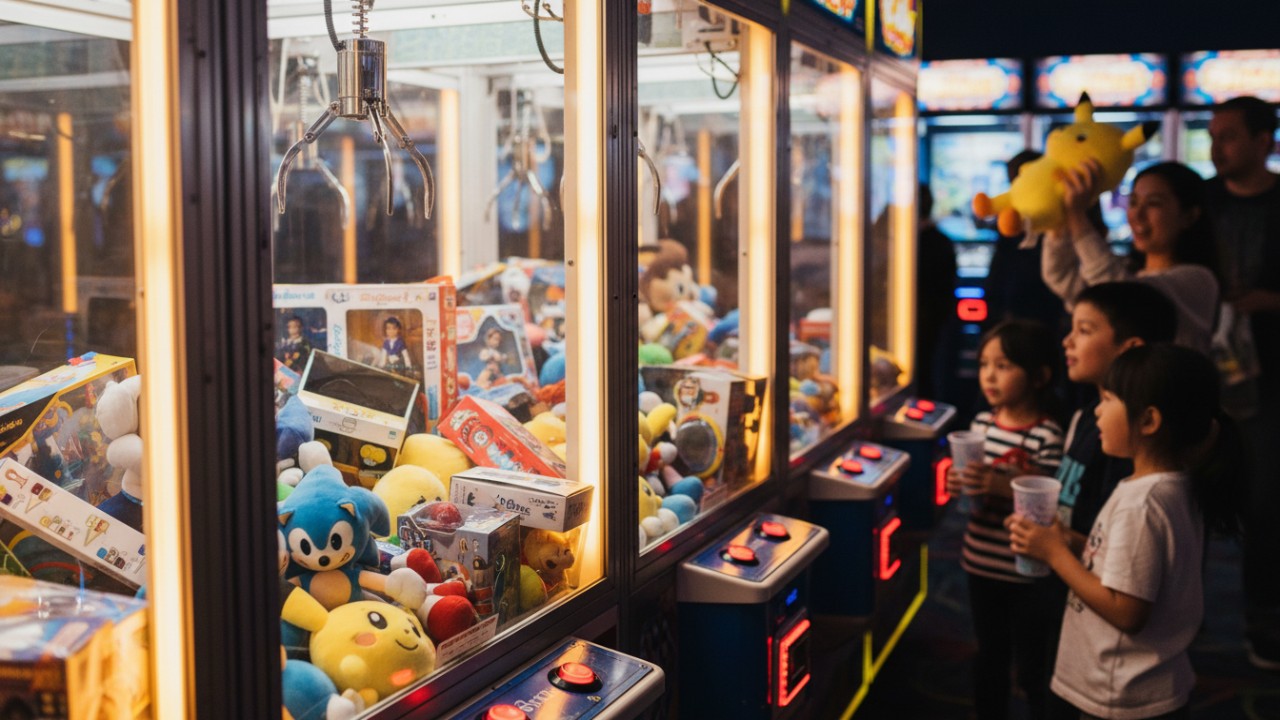
- Prize Merchandisers & Claw Machines: Often the most visually captivating units on the floor, prize merchandising claw machines and electronic lockers offer an immediate, tangible reward. They feature highly adjustable win rates that give operators tight control over their margins.
- Quick-Coin & Coin Pushers: These fast-paced, mesmerizing games encourage rapid, continuous credit insertion. The cascading visual effect of coins teetering on the edge keeps players actively engaged for long periods.
- Video Redemption: These units leverage modern digital gameplay, often incorporating popular mobile apps and officially licensed IP, to attract a younger, tech-savvy demographic that expects high-definition graphics alongside physical ticket payouts.
Player Psychology: Why Redemption Drives Massive Revenue
Redemption games drive massive revenue by leveraging psychological triggers such as the "near-miss" effect, tangible reward mechanics, and social proof, which consistently compel players to insert additional credits to secure a highly desired physical prize.
The secret to the unprecedented longevity of the arcade industry lies in its deep understanding of human behavior. Games are not simply entertainment; they are carefully engineered experiences designed to stimulate the brain's reward centers.
- The Near-Miss Effect: Many redemption machines are purposefully programmed to create moments where a player feels they missed the grand jackpot by just a fraction of a second or a single pixel. This "almost won" feeling triggers a rush of adrenaline, convincing the player that success is guaranteed on their very next attempt.
- Tangible Reward Mechanics: Unlike home video consoles, arcade redemption offers physical validation. The sensory feedback of physical tickets pouring out of a dispenser, or the thrill of grabbing a plush toy, provides a tangible dopamine hit that cannot be replicated digitally.
- Social Proof and Spectator Appeal: Arcade gaming is inherently performative. Designing gameplay that draws a cheering crowd turns passive observers into active, paying players. When a crowd gathers for someone attempting a massive jackpot, the social proof encourages others to try their luck immediately after.
Expert Tips: Optimizing Payout Rates and Floor Layout
Optimizing your arcade floor requires maintaining a precise 25% to 30% Cost of Goods Sold ratio, positioning visually striking anchor games at the back of the room, and adjusting pricing dynamically during peak operational hours.
Mastering the mathematical side of your operation is what separates thriving entertainment centers from struggling ones. Carefully calibrated skill-based arcade payout rates ensure that players feel they are being fairly rewarded, while the business maintains a healthy profit margin. This delicate balance is absolutely critical, as supported by best practices from the Amusement and Music Operators Association, an organization that helps route operators and entertainment centers maximize venue success through expert operational guidance.
- Targeting the Golden Ratio: The industry standard is to maintain a Cost of Goods Sold (COGS) between 25% and 30%. This means if a machine generates $100, the wholesale cost of the prizes dispensed should be around $25 to $30. This mathematical benchmark ensures maximum ROI without alienating your loyal player base.
- The "Anchor" Strategy: Similar to how supermarkets place milk at the back of the store, you should place your largest, brightest multi-player units at the rear of your venue. This intentionally pulls players past smaller games, encouraging lucrative impulse plays along their journey.
- Dynamic Pricing: Utilizing modern card readers allows you to adjust the cost of play on the fly. You can lower prices slightly during slow weekday afternoons to encourage volume, and raise them during peak weekend hours to maximize your overall profit margins.
- Prize Counter Positioning: Keep your redemption counter or automated prize hub highly visible from anywhere on the gaming floor. This constantly reminds players of their ultimate goal, actively reinforcing the psychological drive to continue playing.
Common Mistakes New Arcade Operators Make
New arcade operators frequently fail by setting payout rates too low, stocking undesirable generic prizes, neglecting routine equipment maintenance, and keeping stagnant floor layouts, all of which critically diminish long-term customer engagement and profitability.
Even with the highest quality equipment on the market, minor operational missteps can rapidly drain a venue's potential ROI. Avoiding these specific pitfalls is essential for building a loyal, recurring customer base that generates long-term revenue.
- Setting Payout Rates Too Low: While it may seem counterintuitive to operators trying to save money, being overly greedy destroys profitability. Setting the win rate too low frustrates players, leading them to abandon the machine entirely. A fair payout ensures players leave happy and eager to return.
- Stocking Generic, Low-Quality Prizes: The perceived value of the physical reward is the entire economic engine of a redemption game. Stocking cheap, generic items instead of officially licensed, highly desirable pop-culture merchandise removes the primary incentive for players to spend their money.
- Failing to Rotate Game Locations: Regular visitors develop "floor blindness" if the arcade layout never changes. Stagnant floor plans cause perfectly good games to lose their earning power. Regularly rotating machines revitalizes visual interest and exposes players to games they previously ignored.
- Ignoring Routine Maintenance: A machine displaying an "Out of Order" sign during a busy Saturday afternoon is actively bleeding money. Ignoring routine preventative maintenance on ticket dispensers, coin mechs, and card readers leads to catastrophic revenue loss during peak hours.
Future Trends: Cashless Systems and Smart Arcades in 2026
The future of smart arcades in 2026 centers entirely on the widespread integration of cashless arcade systems, data-driven real-time performance tracking software, and automated self-service prize hubs that significantly reduce overhead labor costs.
As we move further into the digital age, traditional arcades must evolve into connected "smart venues" to remain competitive. The technology driving this massive evolution focuses heavily on frictionless consumer transactions and deep, real-time operational analytics.
- The Transition to Cashless Systems: The complete phase-out of physical tokens and paper tickets is no longer a luxury; it is a baseline consumer expectation. Transitioning to RFID cards, wearable wristbands, and mobile app integration entirely removes the psychological friction of spending cash, massively accelerating the player's spending velocity.
- Data-Driven Operations: Modern cashless arcade systems come equipped with robust backend software suites that track individual machine performance and player preferences in real-time. This actionable data allows operators to identify underperforming games instantly and adjust payouts or floor positioning without any guesswork.
- Automated Prize Hubs: Self-service redemption kiosks are revolutionizing the checkout experience. By allowing players to scan their e-tickets and select prizes from an automated dispenser, venues can drastically reduce expensive labor costs and eliminate the frustratingly long lines that traditionally form at the prize counter on weekends.
Case Study: Scaling Revenue with Industry-Leading Solutions
By partnering with an experienced equipment manufacturer to upgrade legacy machines and implement strategic dynamic pricing models, a mid-sized family entertainment center successfully increased its overall redemption game revenue by 42% within just six months.
When analyzing the performance of older arcades, outdated technology is almost always the primary bottleneck. In this scenario, the facility was heavily burdened by mechanical coin jams, high labor costs at the redemption counter, and an uninspiring mix of legacy games. By leveraging the immense manufacturing expertise of Guangzhou Jiami Games Technology Co.,Ltd. (Jiami Games), one of the leading arcade game machine manufacturers in China located in Panyu, Guangzhou, the facility was able to completely overhaul its gaming floor. With access to Jiami Games’ robust R&D capabilities—backed by over 70 game engineers who have developed more than 100 original game programs—the venue seamlessly integrated state-of-the-art interactive consoles.
The highly successful transformation involved several key phases:
- Upgrading Legacy Equipment: The operator rapidly replaced underperforming units with modern coin operated arcade machines, explicitly incorporating visually stunning prize game machines, pinball, and shooting game consoles that sell over 20,000 units monthly worldwide.
- Implementing Cashless Integration: All new units were factory-equipped with seamless card readers, completely eliminating token jams and allowing for highly profitable dynamic pricing structures on busy weekends.
- Customized Floor Optimization: Utilizing Jiami Games' customized solutions and expert layout advice, the venue strategically positioned its glowing claw machines near the entrance, immediately drawing in high organic foot traffic from the street.
- Long-Term Support: Thanks to the manufacturer's unwavering commitment to quality and the provision of ongoing accessories and repair advice, machine downtime was virtually eliminated, ensuring continuous revenue generation during peak operational hours.
Conclusion
Coin-operated redemption prize winning games remain the undisputed powerhouse of arcade profitability, seamlessly merging thrilling skill-based gameplay with lucrative consumer psychology and advanced payment technology to generate sustainable, long-term business growth for modern entertainment centers.
By deeply understanding the mechanics of payout percentages, intentionally optimizing your floor plan to guide foot traffic, and fully embracing the latest cashless innovations of 2026, you can secure overwhelming financial success for your venue. The integration of high-quality equipment from trusted manufacturers ensures that your arcade remains a compelling, premium destination for families and gaming enthusiasts alike. With the right strategy, your redemption floor will not just entertain—it will drive unparalleled returns on investment year after year.
Contact us today to optimize your arcade ticket redemption machines strategy.
How profitable are coin-operated redemption games?
Redemption games are extremely profitable, often generating 60% to 80% of a family entertainment center's total revenue. Profitability relies heavily on maintaining a strict Cost of Goods Sold (COGS) ratio, typically aiming to spend only 25-30% of the machine's earnings on wholesale prizes.
What is the difference between ticket redemption and prize merchandisers?
Ticket redemption games dispense physical or electronic tickets based on a player's score, which are later exchanged at a central counter for items. Conversely, prize merchandisers (like claw machines or key-master games) award a physical prize directly from the machine upon a successful win, offering instant gratification.
How do you calculate the payout percentage for arcade games?
Payout percentage is calculated by dividing the wholesale cost of the prizes won by the total revenue generated by the machine. For example, if a machine earns $100 in a day and dispenses prizes that cost you $25 wholesale, the payout percentage is exactly 25%.
Are skill-based redemption games considered gambling?
In most jurisdictions, they are not considered gambling because the outcome relies primarily on player skill rather than pure chance. However, gaming laws vary significantly by state and country, so operators must ensure their machines meet strict local "game of skill" legal definitions to remain compliant.
How often should arcade prizes be rotated?
High-end prizes should be rotated every few weeks to keep the attraction fresh and enticing for regular, returning visitors. Additionally, seasonal and licensed merchandise should be updated constantly to align with current movie releases, viral pop culture trends, and major holidays.
Can older coin-operated machines be converted to cashless systems?
Yes, the vast majority of older coin-op machines can be easily retrofitted with modern card readers. These cashless readers entirely replace the traditional coin mechanisms and paper ticket dispensers, seamlessly connecting the classic game to a centralized digital tracking network.
What are the best-performing redemption games for family entertainment centers?
Top performers usually include classic alley rollers (like Skee-Ball), giant multi-player coin pushers, and licensed interactive video redemption games. High-visibility crane machines also consistently rank among the absolute top earners due to their massive visual appeal and highly addictive, quick gameplay loop.
What is the ideal floor layout for redemption machines?
The ideal layout places visually striking, brightly lit prize merchandisers near the entrance to immediately draw outside customers inside. You should then position multi-player, high-earning anchor games toward the very back to encourage guests to walk past—and play—other smaller machines along the way.
Legal and Safety Standards for Coin-Operated Arcade Machines
Safety, Compliance and Certifications for Arcade Machines
Placement Strategies to Maximize Prize Dispenser Sales
Compliance, Safety & Certification for Coin-Operated Prize Games
FAQs
How many players can play the game at once?
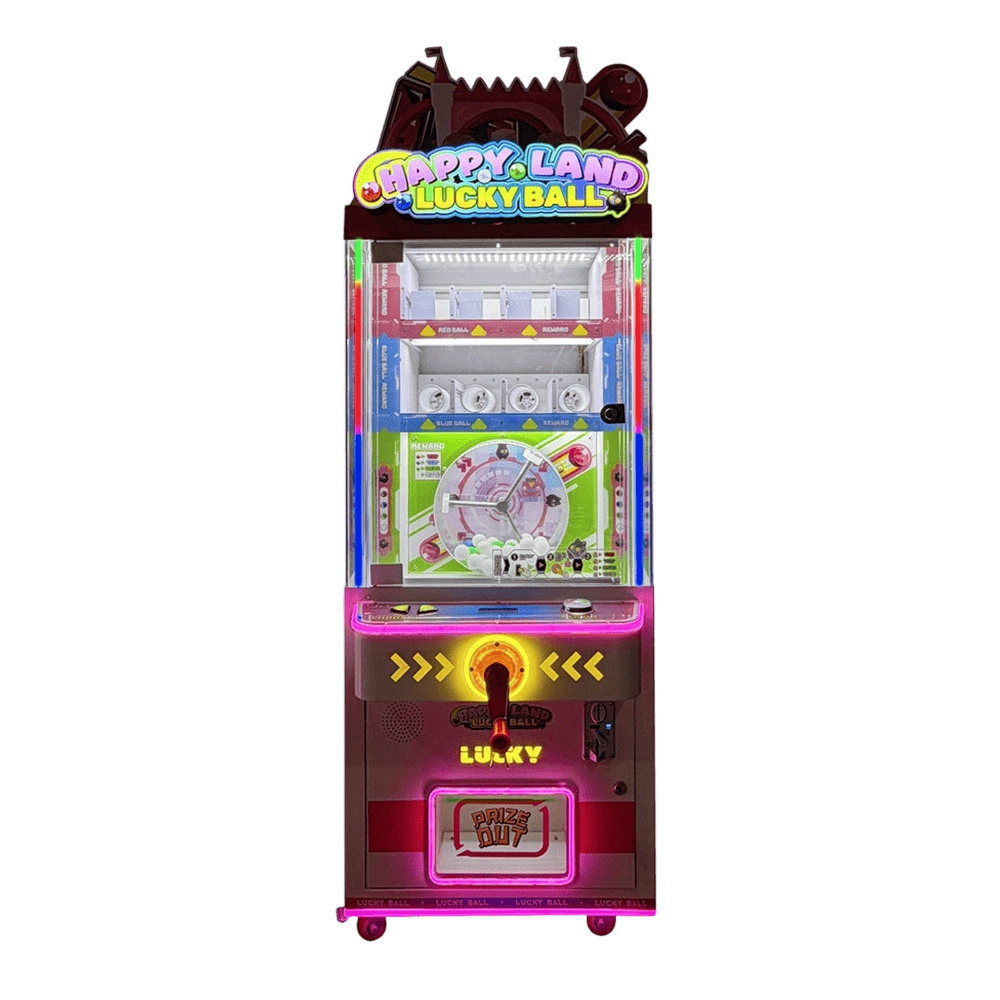
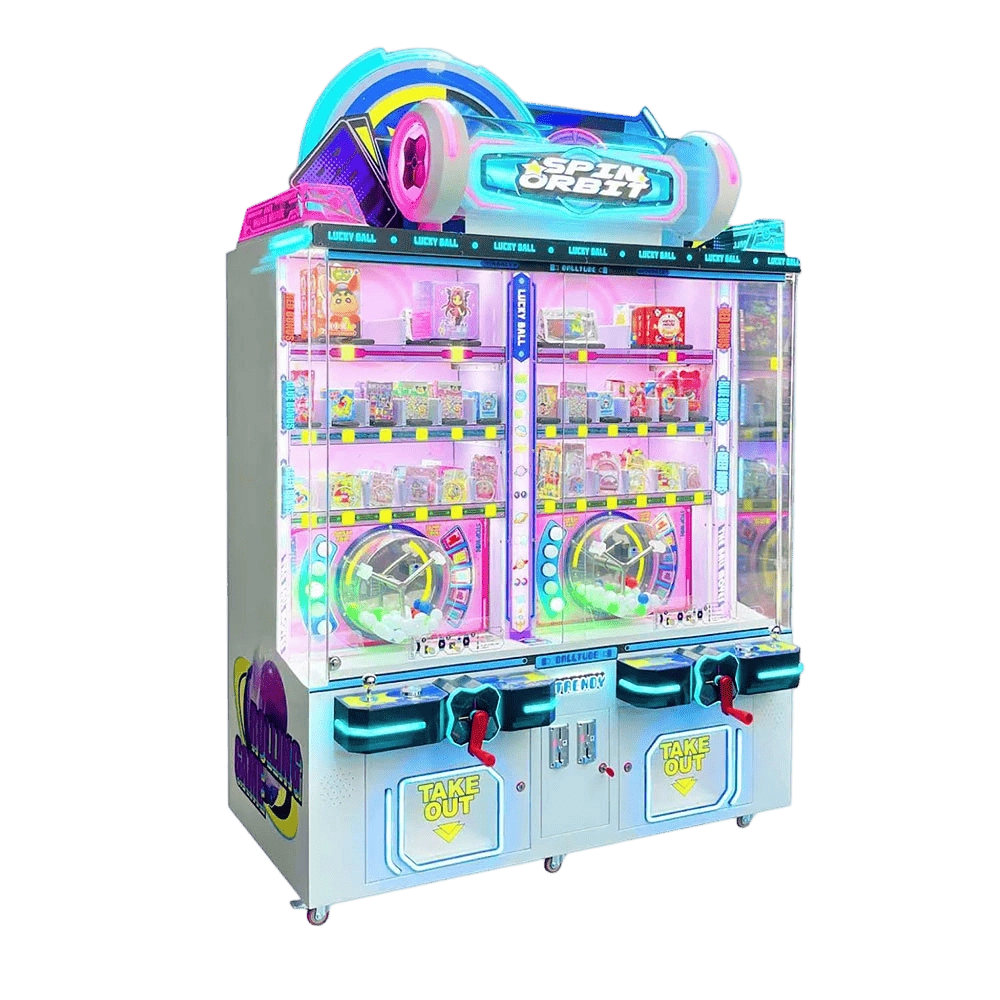
The SPIN ORBIT Lucky Prize Arcade Game is designed for 2 players, allowing simultaneous gameplay for added fun.
Where is this arcade game machine suitable for placement?
It is ideal for high-traffic locations such as children's playgrounds, family entertainment centers, amusement parks, shopping malls, cinemas, and tourist attractions.
How does Jiami Games ensure product quality?
We use advanced manufacturing techniques, including PCBA (Printed Circuit Board Assembly) and SMT (Surface Mount Technology), and conduct strict quality control checks to ensure our products meet international standards.
What is the minimum order quantity (MOQ)?
The minimum order quantity for our arcade machines is 1 piece. Larger orders qualify for additional customization options.
What is the prize system like?
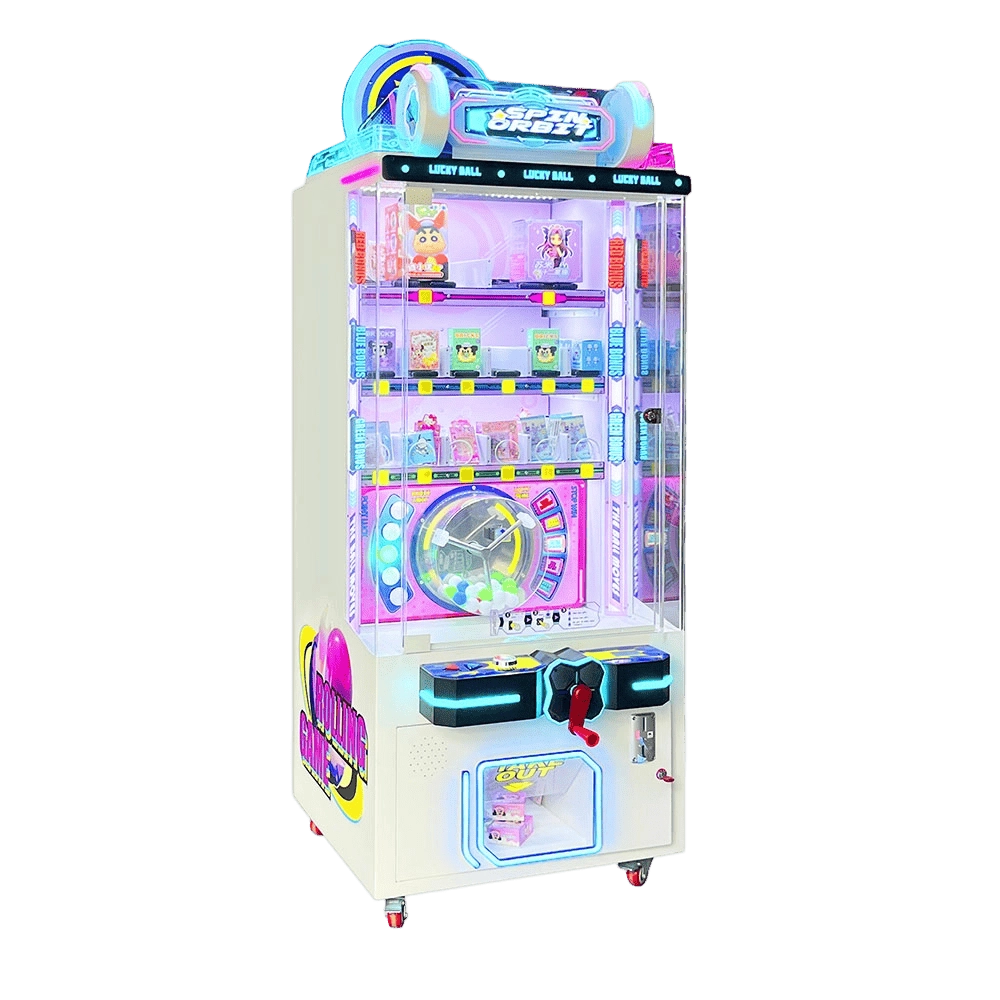
The prizes are diverse, with different colored balls corresponding to rewards in varying prize tiers, catering to a wide range of player preferences.
You May Also Like
Coin Operated/Card Payment Lucky Ball Vending Toy Gift Arcade Game Machine
Coin Operated/Card Payment 2 Players SPIN ORBIT Lucky Prize Arcade Game
Coin Operated/Card Payment SPIN ORBIT Lucky Prize Arcade Game
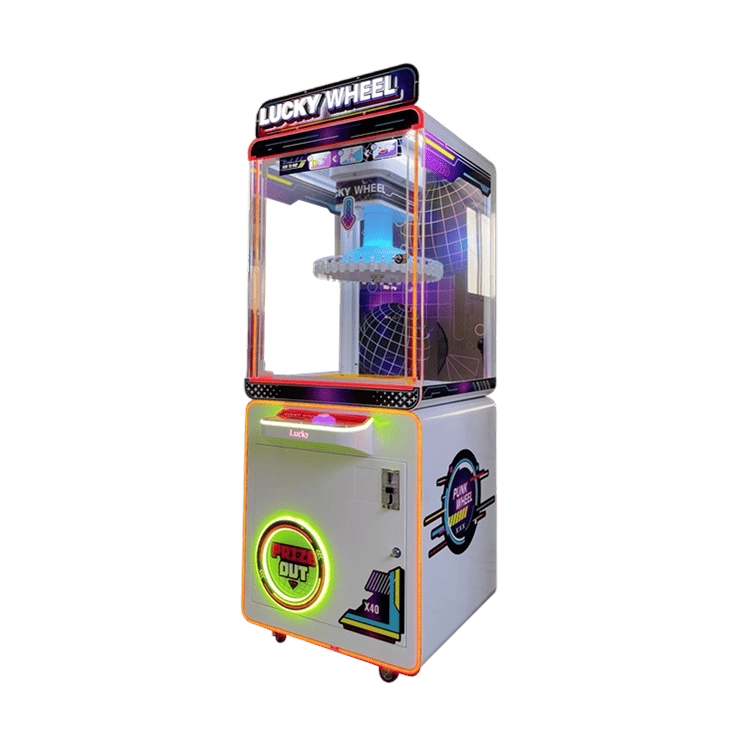
Arcade Prize Lucky Wheel Gift Machine For Amusement Areas
Get in Touch with Jiami Games
If you have any comments or good suggestions, please leave us a message; later our professional staff will contact you as soon as possible.

Innovative Entertainment, at Your Fingertips
Learn about Jiami Games and explore our expertise in console development, innovative design, and global markets.
Quick Links:
© 2026 Jiami Games.
Whatsapp: +8618520390438