






The Ultimate Guide to Arcade Game Coin Mechanisms: Maintenance, Repair, and Upgrades [2026 Edition]

- What is an Arcade Game Coin Mechanism?
- Key Takeaways: 2026 Arcade Coin System Basics
- Mechanical vs. Electronic Coin Acceptors: Which is Better?
- Step-by-Step Maintenance: Cleaning and Calibrating Your Coin Mech
- Common Arcade Machine Repairs: Fixing Faulty Coin Slots
- Upgrading to 2026 Standards: Multi-Currency & Digital Integration
- Expert Tips & Common Mistakes from Commercial Operators
- Industry Leading Solutions: Jiami Games' Approach to Reliable Hardware
- Conclusion
- FAQs About arcade game coin mechanism
- How do you fix a jammed arcade coin mechanism?
- Can you change an arcade coin mech to accept tokens?
- What is the difference between a mechanical and electronic coin acceptor?
- Why is my arcade coin door rejecting all coins?
- How does a programmable multi-coin selector work?
- What is the standard voltage for an arcade coin mechanism?
- How often should arcade coin slots be cleaned and lubricated?
- Where can I buy replacement coin mechanisms for commercial arcades?
Welcome to the definitive 2026 guide for mastering the arcade game coin mechanism. Whether you are discovering how to Build Arcade Business empires from the ground up or simply restoring a vintage cabinet for your home, the coin slot is the literal gateway to your revenue. If the hardware fails, the machine earns nothing. Today, we cover everything from basic definitions and common repair techniques to installing advanced digital comparators, ensuring your arcade floor runs profitably and jam-free all year round.
What is an Arcade Game Coin Mechanism?
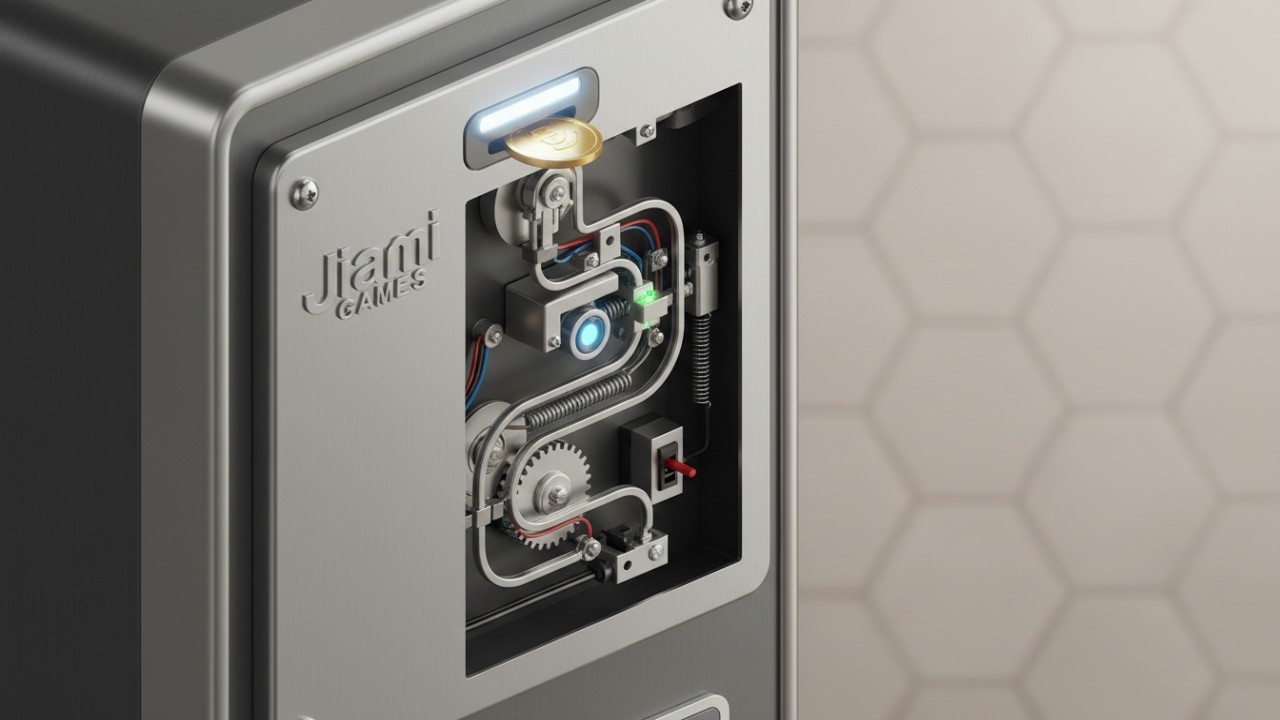
An arcade game coin mechanism is a hardware device designed to accept, validate, and process coins or tokens to initiate gameplay. It evaluates a coin's diameter, thickness, weight, and magnetic signature to prevent fraud and send a pulse signal.
How It Works and Core Components:
- Entry Bezel & Coin Chute: The external slot where the coin is inserted and the initial downward pathway it travels.
- Validation Sensors: Mechanical cradles or modern electromagnetic scanners that instantly verify the coin's authenticity against foreign objects.
- Reject Button & Microswitches: The physical reject button clears jammed debris, while the microswitch registers a digital credit on the game's motherboard once the coin safely passes validation.
Key Takeaways: 2026 Arcade Coin System Basics
The primary takeaways for 2026 arcade coin systems involve a massive industry shift from mechanical parts to programmable electronic selectors, the integration of advanced anti-fraud sensors, and the reality that routine maintenance directly protects and maximizes your venue's revenue.
Essential 2026 Industry Trends:
- Mechanical to Electronic Shift: The majority of operators are replacing outdated gravity-based mechs with a highly efficient programmable multi-coin selector.
- Fraud Prevention: Cutting-edge anti-stringing devices and detailed magnetic profiling are now strict industry standards for 2026 models.
- Maintenance is ROI: Routine cleaning prevents up to 90% of costly coin jams, directly safeguarding your machine's uptime.
Mechanical vs. Electronic Coin Acceptors: Which is Better?
Electronic coin acceptors are generally superior for modern commercial arcades because they use electromagnetic sensors to validate multiple coin types simultaneously, whereas older mechanical mechanisms rely strictly on physical sizing and weight to accept only a single specific coin type.
Understanding the Differences:
- Mechanical Mechanisms: These rely on physical properties like weight levers and sizing cradles. They are perfect for authentic retro restorations but severely limited by their single-coin design.
- Electronic Comparators: These modern units use a physical "reference coin" to digitally scan and validate incoming coins based on exact electromagnetic signatures.
- Programmable Multi-Coin Selectors: Advanced models (like the CH-926) can accept up to 6 different coin or token types without requiring manual interior adjustments.
- Signal Output: Electronic models offer adjustable pulse logic to easily interface with modern JAMMA boards and digital redemption systems.
Data Comparison Table: Coin Acceptor Technologies
| Feature | Mechanical Coin Acceptor | Electronic Multi-Coin Acceptor |
|---|---|---|
| Validation Method | Physical weight, diameter, and thickness | Optical and electromagnetic signatures |
| Coin Capacity | Single coin or token type | Up to 6 different programmable types |
| Durability | High (primarily metal components) | High (solid-state electronics) |
| Power Requirement | None (Gravity-operated) | Typically requires a 12V DC Power Supply |
| Best Use Case | Vintage arcade restorations | High-traffic commercial venues |
Step-by-Step Maintenance: Cleaning and Calibrating Your Coin Mech
Proper arcade machine coin slot maintenance involves routinely clearing debris from entry pathways, lubricating cradle shafts with dry Teflon spray instead of wet oils, and precisely calibrating sensor potentiometers to ensure flawless, jam-free validation during high-volume commercial arcade operations.
How to Maintain Your Coin Slot Effectively:
- Clearing Blockages: Safely open the arcade coin door to manually remove dust and debris from the anti-jam technology pathways.
- Proper Lubrication: A critical warning is to avoid wet oils like WD-40, which attract dust and grime. Only use specialized plastic polish or dry Teflon lubricants for the cradle shaft.
- Sensor Calibration: Carefully adjust the potentiometer on your electronic acceptors to fine-tune coin sensitivity and eliminate false rejects.
- Mechanical Adjustments: Tune the exit adjustment screws and gravity-based weight levers for accurate and smooth coin routing.
Common Arcade Machine Repairs: Fixing Faulty Coin Slots
Executing a successful arcade coin acceptor repair requires systematically troubleshooting unresponsive microswitches, realigning bent reject levers, clearing rust from classic iron coin doors, and verifying that your electronic comparators are receiving a stable 12V DC power supply from the motherboard.
Fixing Common Slot Faults:
- Troubleshooting Microswitches: Use a multimeter to test continuity. If a validated coin fails to register credits, you must replace the dead microswitch.
- Fixing the Reject Mechanism: Carefully bend misaligned reject levers back into place and use rubbing alcohol to unstick sticky coin return buttons.
- Rust Removal: Employ specialized techniques, like fine-grit sanding and metal polish, to restore older, indestructible iron arcade coin doors.
- Wiring and Power Issues: Always check the standard 10-pin connections and verify that exactly 12V DC is flowing to your electronic comparators.
Upgrading to 2026 Standards: Multi-Currency & Digital Integration
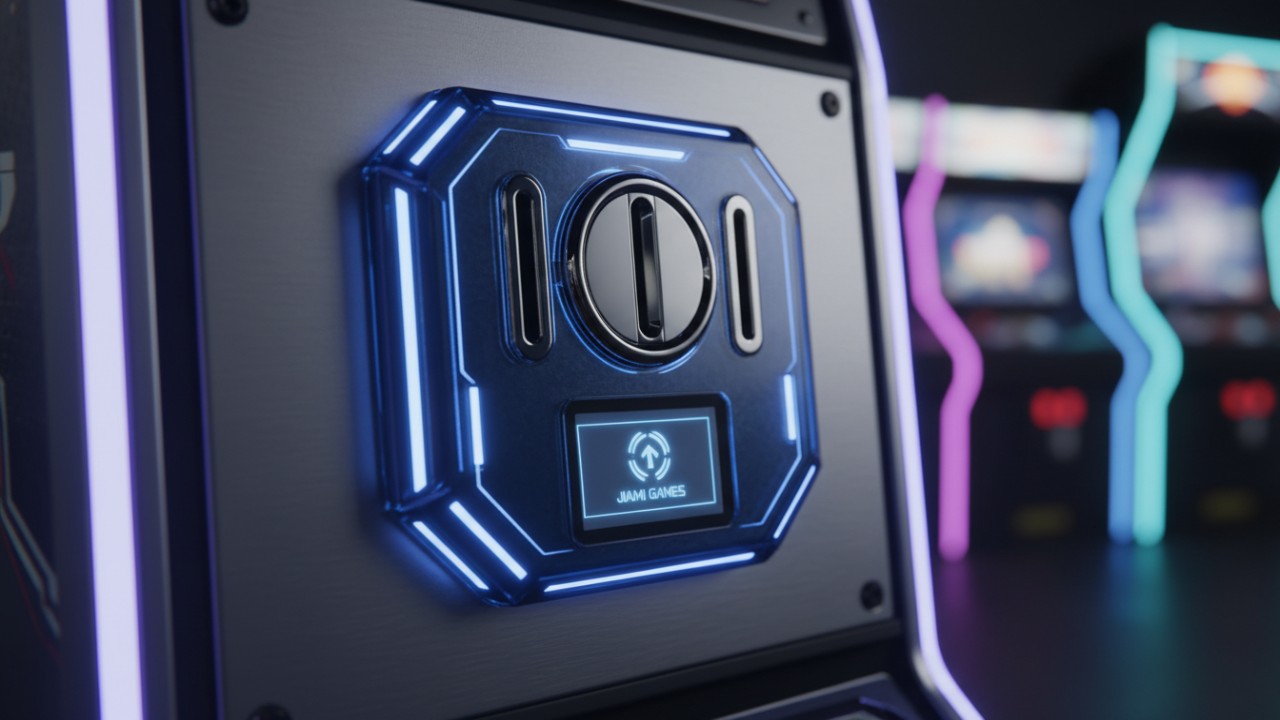
A proper electronic coin mechanism upgrade involves swapping outdated mechanical slots for universal digital replacements, training the unit's CPU to recognize new currency profiles, and wiring the adjustable pulse output logic to interface seamlessly with modern arcade microcontrollers and motherboards.
How to Upgrade Your Systems:
- Drop-in Replacements: Learn how to quickly swap an old mechanical slot for a universal electronic coin mech without drilling or modifying the original arcade cabinet housing.
- Training Programmable Acceptors: Guide your CPU coin selector through a learning cycle by dropping your target token through 15-20 times to "teach" it the new profile. Highly rated digital modules, such as the Adafruit Programmable 4 Coin Acceptor, require a standard 12V DC power supply and allow for highly configurable output pulses (e.g., 20-60ms) based on the currency inserted.
- Integration with Custom Builds: Easily wire your upgraded coin mech to modern microcontrollers (like a Raspberry Pi or RetroPie) for robust custom commercial or home arcades.
Expert Tips & Common Mistakes from Commercial Operators
Commercial operators commonly fail by ignoring pulse signal speed settings and over-tightening coin width adjustments, while industry experts prioritize standardizing token sizes and performing rigorous false-coin testing with slugs to guarantee peak performance from their commercial coin comparators.
Best Practices for Operators:
- Common Mistake: Ignoring the pulse signal speed settings (fast/medium/slow), which routinely results in double-credits or entirely missed coins.
- Expert Tip: Always perform high-quality false coin testing using slugs, washers, and foreign currency immediately after installing a new mech.
- Common Mistake: Over-tightening the coin width adjustment screws, causing perfectly valid tokens to constantly reject.
- Expert Tip: Following the best practices outlined by industry authorities like the American Amusement Machine Association, you should strictly standardize your token sizes across your entire venue to minimize calibration headaches on multi-game setups.
Industry Leading Solutions: Jiami Games' Approach to Reliable Hardware
Guangzhou Jiami Games Technology Co.,Ltd. builds commercial-grade prize and arcade machines engineered for durability, utilizing top-tier coin mechanisms to ensure uninterrupted revenue. Our operations are backed by over 70 game engineers and a monthly production of 20,000 consoles.
Why Global Operators Choose Jiami Games:
- Massive Manufacturing Scale: As a top-tier manufacturer based in Panyu, Guangzhou, we have developed more than 100 original game programs to keep players engaged.
- Revenue Protection: We deeply understand that a flawless coin mechanism is the absolute heartbeat of arcade revenue. This reliability is especially vital when learning How to Choose a Prize Dispenser Machine for high-traffic zones.
- OEM-Level Component Support: Beyond selling machines, we supply operators with high-quality drop-in replacement coin mechs, essential accessories, and long-term repair advice.
- Customization: Partnering with us provides access to JIAMI Customized Services, guaranteeing your arcade cabinets operate flawlessly and stand out in a competitive market well beyond 2026.
Conclusion

Whether you are meticulously restoring a retro pinball cabinet or outfitting a massive commercial family entertainment center, mastering the maintenance, repair, and upgrading of your arcade game coin mechanism hardware is an absolute necessity. Transitioning to modern electronic multi-coin selectors, adhering to routine cleaning schedules, and avoiding standard setup mistakes will keep your machines profitable, jam-free, and continuously appealing to your players.
Contact us today to optimize your arcade game coin mechanism strategy and maximize your venue's revenue.
FAQs About arcade game coin mechanism
How do you fix a jammed arcade coin mechanism?
First, power off the machine. Open the coin door and press the reject button to clear loose debris. If the coin is stuck in the channel, gently push it through using a plastic tool to avoid scratching the sensors. Finally, clean the pathway with rubbing alcohol to remove sticky residue that caused the jam.
Can you change an arcade coin mech to accept tokens?
Yes. For mechanical mechs, you must adjust the sizing cradle and weight levers to match the token's dimensions. For electronic coin comparators, simply replace the 'reference coin' inside the unit with your new token. For programmable mechs, you run a setup cycle where you drop the token through 15-20 times to train the CPU.
What is the difference between a mechanical and electronic coin acceptor?
Mechanical acceptors use physical measurements like size, weight, and thickness to validate a single type of coin. In contrast, electronic acceptors use optical and electromagnetic sensors to compare inserted coins against a programmed digital profile or physical reference coin, allowing for multi-currency support.
Why is my arcade coin door rejecting all coins?
Your arcade coin door may be rejecting all coins because the mechanism is not receiving 12V power (in electronic models). Alternatively, the coin path could be misaligned, the anti-stringing wire might be stuck, or the sensitivity potentiometer may be set too high, causing it to reject even valid coins.
How does a programmable multi-coin selector work?
It uses a built-in CPU to record the electromagnetic signatures and physical sizes of up to 6 different coins. When a coin drops, the CPU instantly compares its data against the saved profiles. If it matches, it sends a specific number of pulse signals corresponding to the coin's value to the arcade board.
What is the standard voltage for an arcade coin mechanism?
Most modern electronic arcade coin mechanisms require a 12V DC power supply. The pulse signal wire usually operates on a separate ground logic circuit connected directly to the JAMMA harness or game board.
How often should arcade coin slots be cleaned and lubricated?
For commercial arcade environments, coin slots should be wiped down weekly and deeply cleaned every 3-6 months. Avoid using wet lubricants like WD-40. Only use dry Teflon sprays or specialized plastic polishes to prevent dust buildup.
Where can I buy replacement coin mechanisms for commercial arcades?
Commercial operators can source high-quality replacement mechanisms directly from industry manufacturers like Guangzhou Jiami Games Technology Co.,Ltd. Purchasing from an OEM ensures you get durable, drop-in replacements with proper warranty and technical support.
The Ultimate Guide to Buying a Coin Machine Arcade Game in 2026 [Expert Insights]
Top coin games machine Manufacturers and Suppliers in China
Case Studies: Boosting Arcade Revenue with Prize Dispensers
Custom branding and cabinet design for coin slot machines
FAQs
What is the minimum order quantity (MOQ)?
The minimum order quantity for our arcade machines is 1 piece. Larger orders qualify for additional customization options.
How can I customize the game machine?
Customization options include machine title writings, stickers, console designs, and even full personalization of machine body color, music, lights, and language, based on order quantities.
How does Jiami Games ensure product quality?
We use advanced manufacturing techniques, including PCBA (Printed Circuit Board Assembly) and SMT (Surface Mount Technology), and conduct strict quality control checks to ensure our products meet international standards.
Can I customize the arcade machines to fit my brand?
Yes, we offer full customization, including logo placement, machine color, game software, and even the language on the machine, based on the order quantity.
What is the prize system like?
The prizes are diverse, with different colored balls corresponding to rewards in varying prize tiers, catering to a wide range of player preferences.
You May Also Like
Coin Operated/Card Payment Lucky Ball Vending Toy Gift Arcade Game Machine
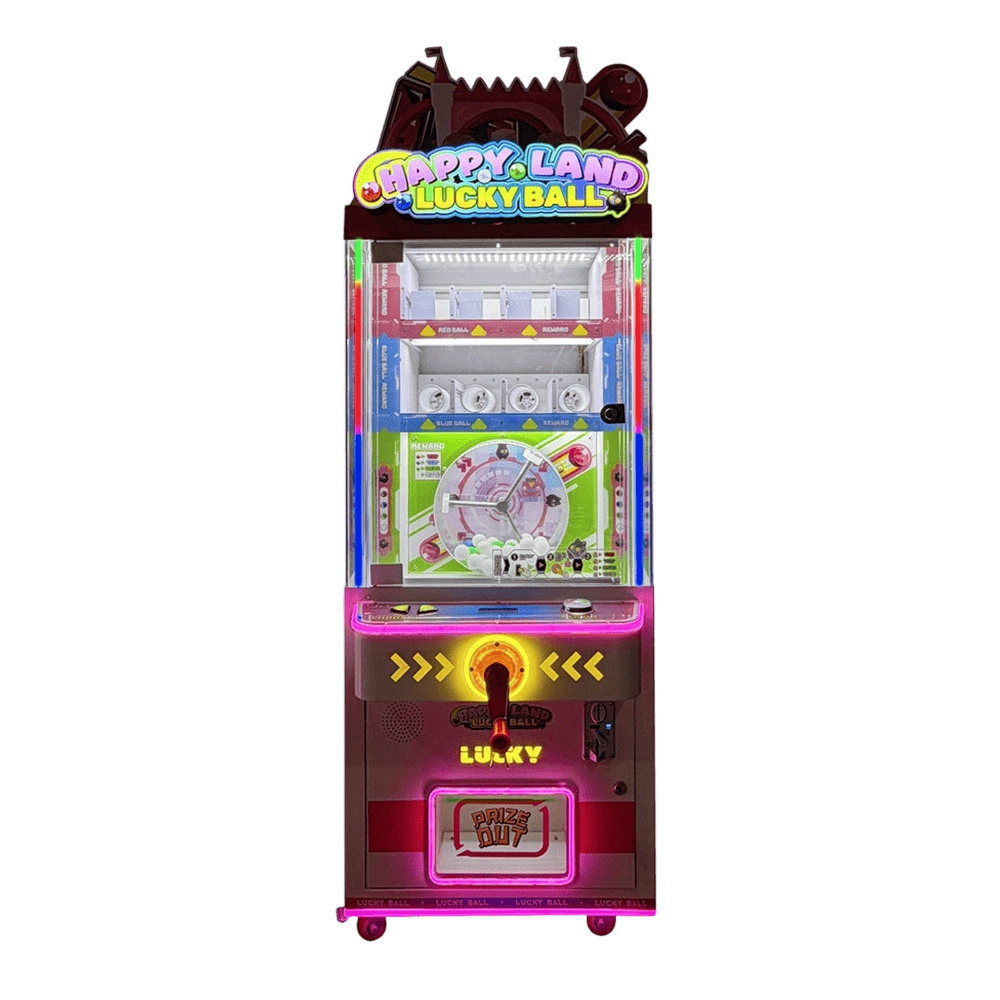
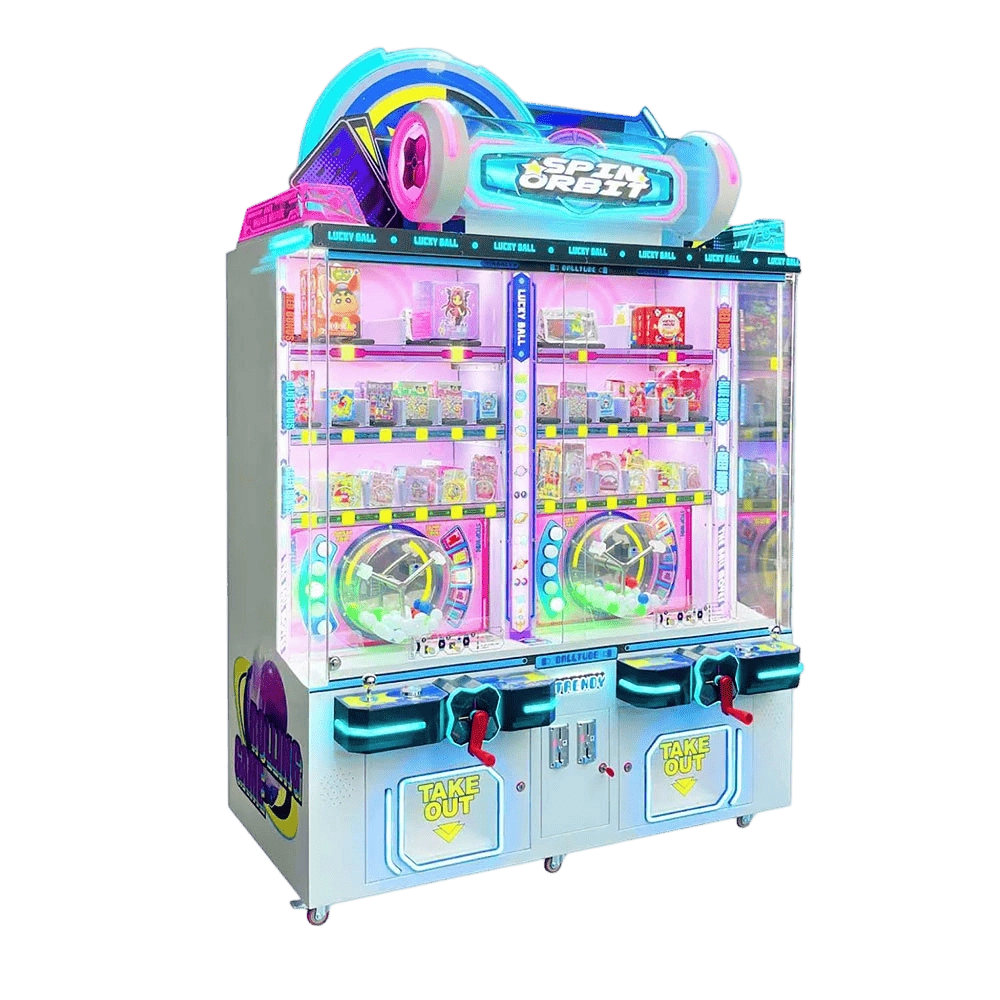
Coin Operated/Card Payment 2 Players SPIN ORBIT Lucky Prize Arcade Game
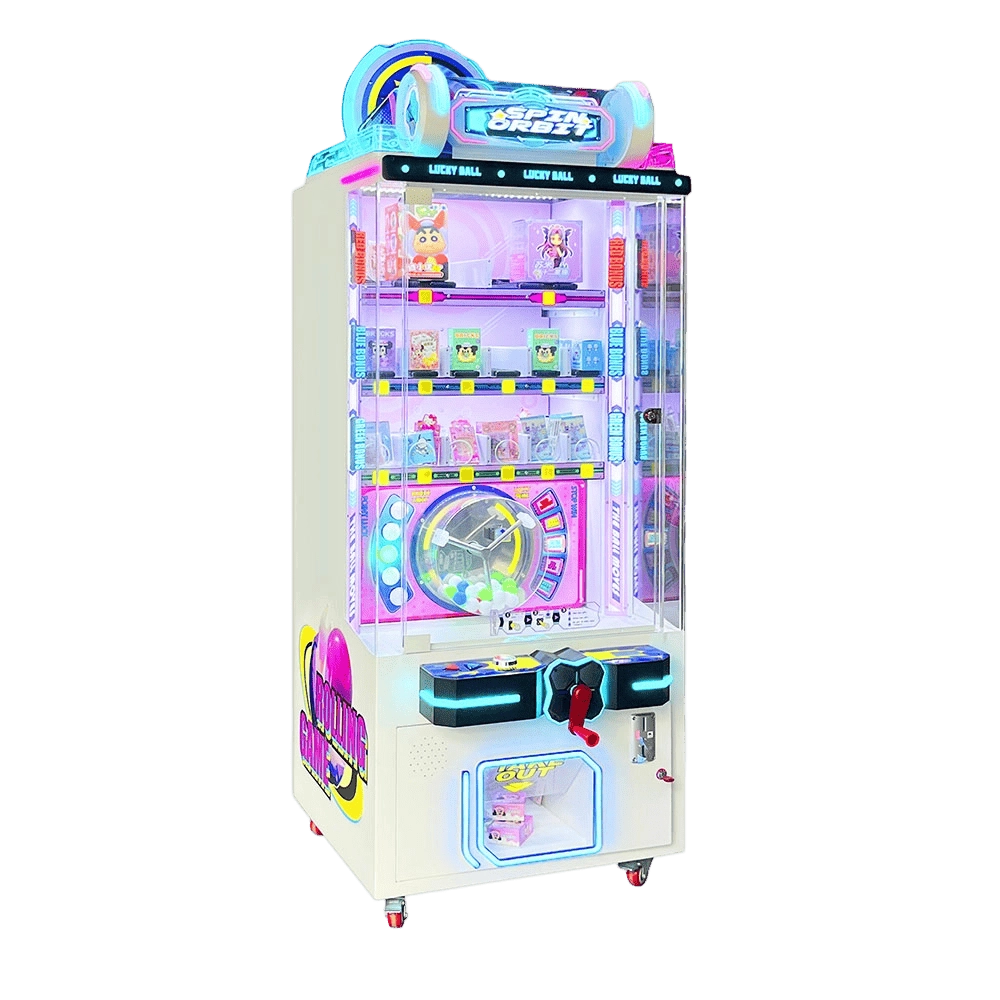
Coin Operated/Card Payment SPIN ORBIT Lucky Prize Arcade Game
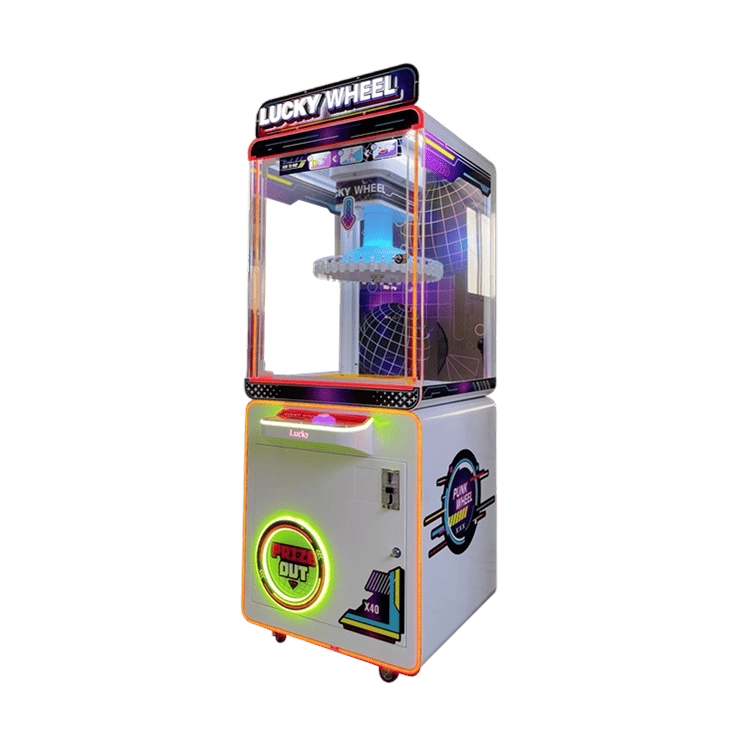
Arcade Prize Lucky Wheel Gift Machine For Amusement Areas
Get in Touch with Jiami Games
If you have any comments or good suggestions, please leave us a message; later our professional staff will contact you as soon as possible.

Innovative Entertainment, at Your Fingertips
Learn about Jiami Games and explore our expertise in console development, innovative design, and global markets.
Quick Links:
© 2026 Jiami Games.
Whatsapp: +8618520390438